A More Grounded Experience
Besides just adding more renewability recipes, some recipes were tweaks or removed to encourage alternate automation pathways, but NO items have been rendered unable to be automated, just given more sensible automation recipes.
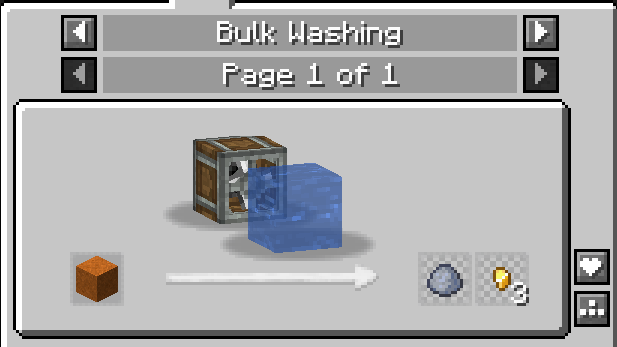
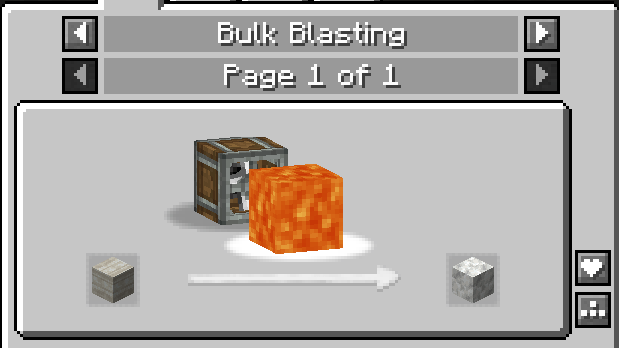
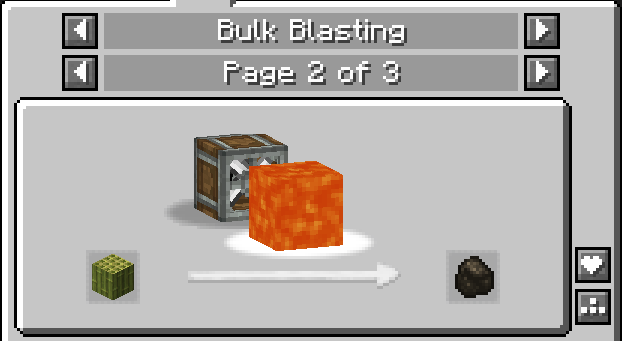
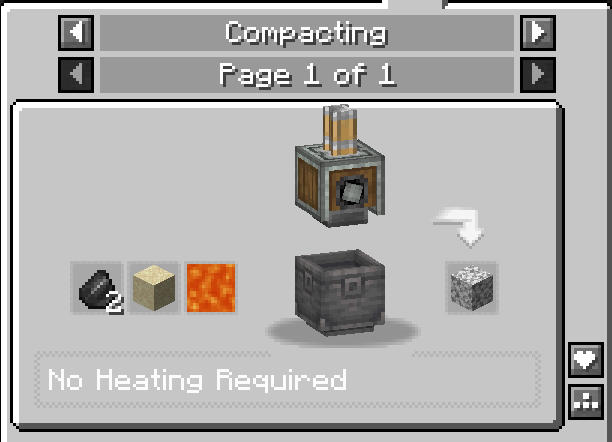
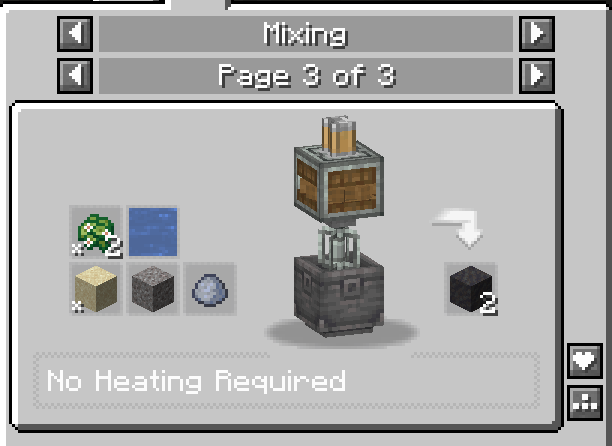
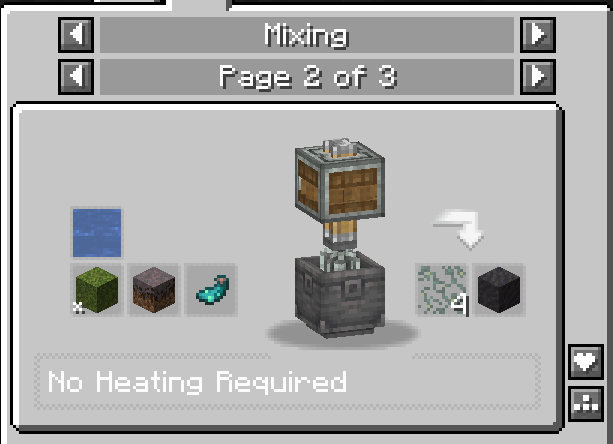
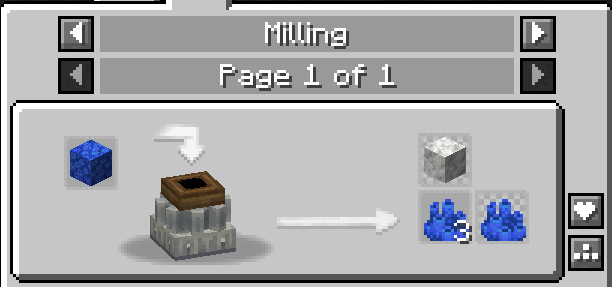
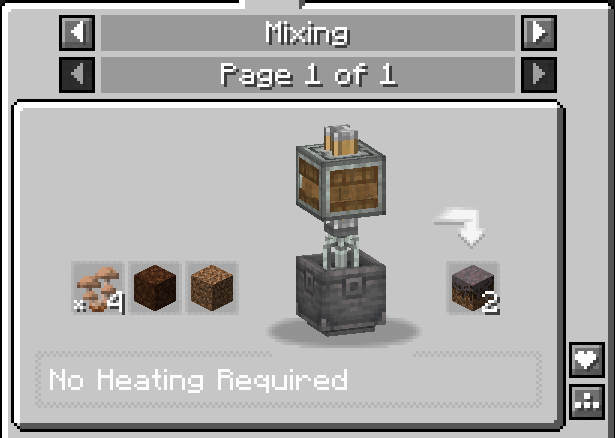
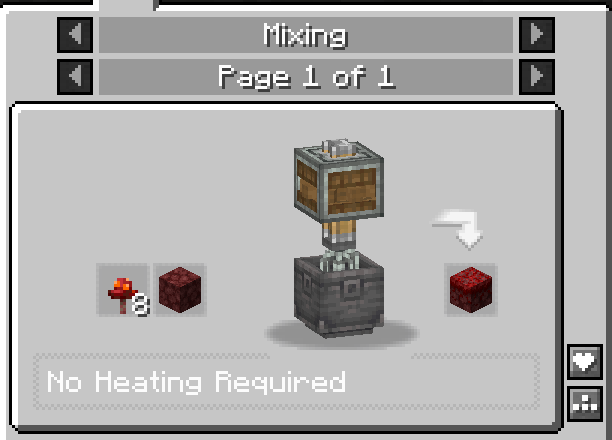
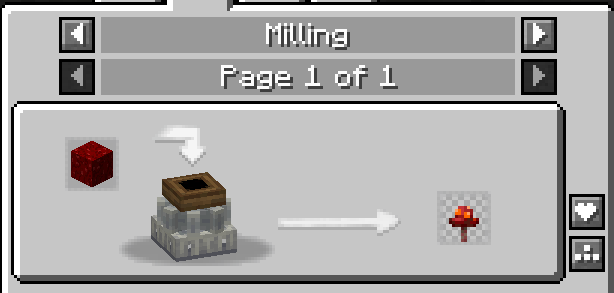
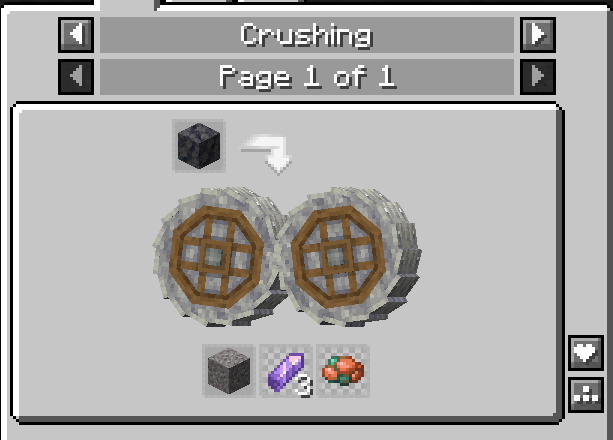
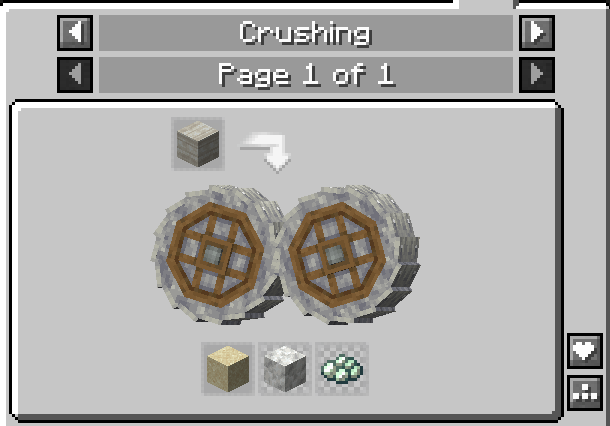
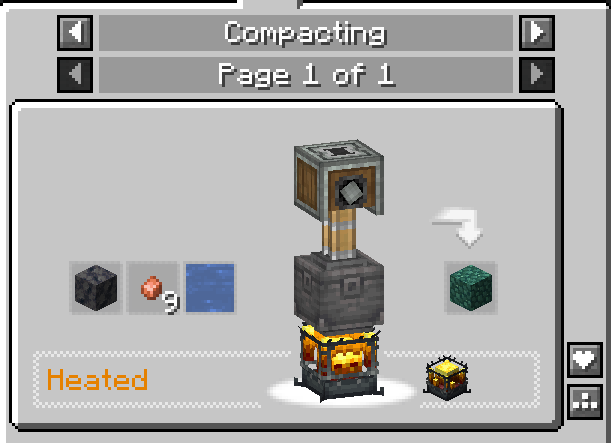
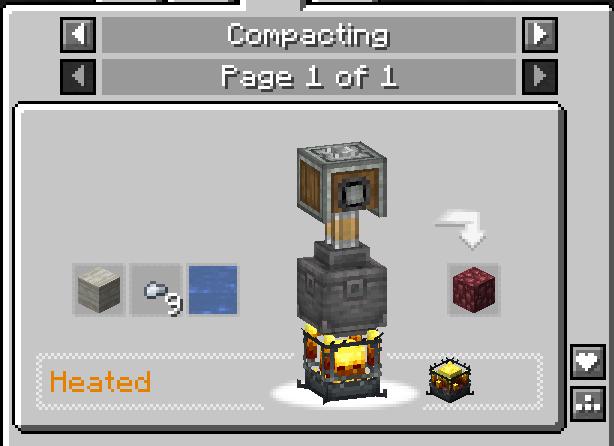
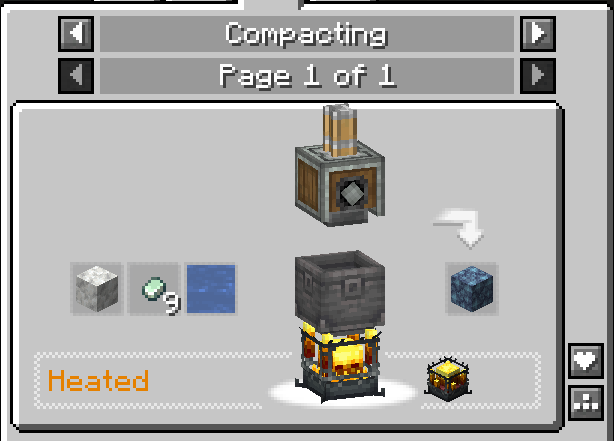
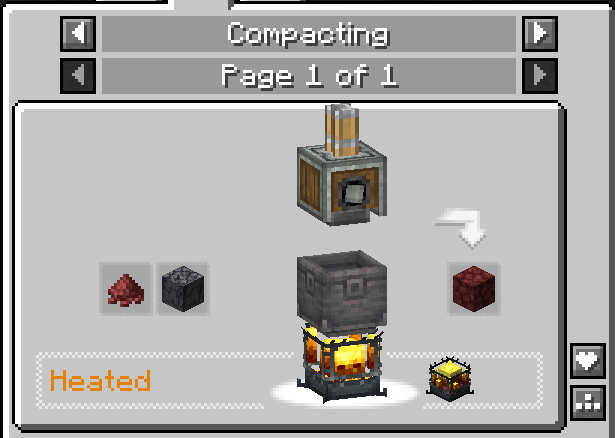
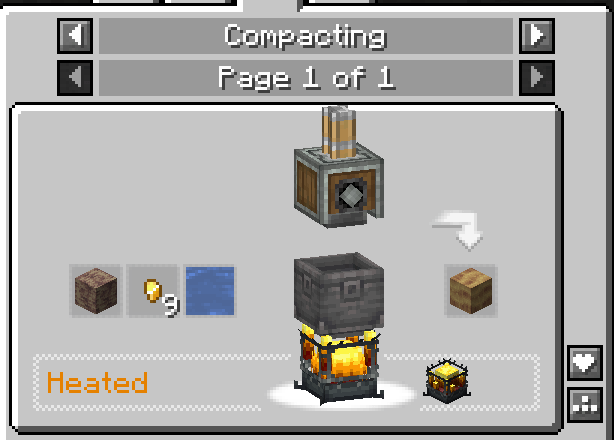
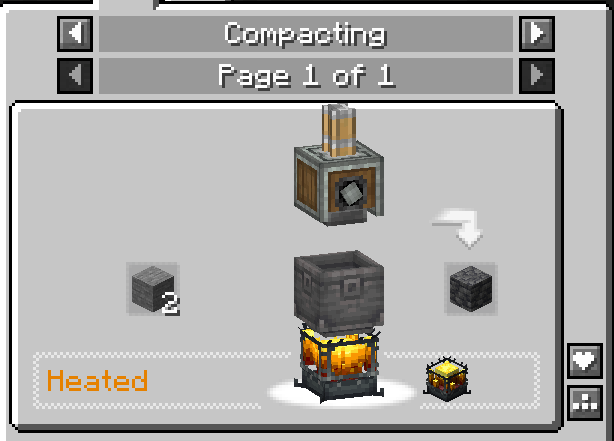
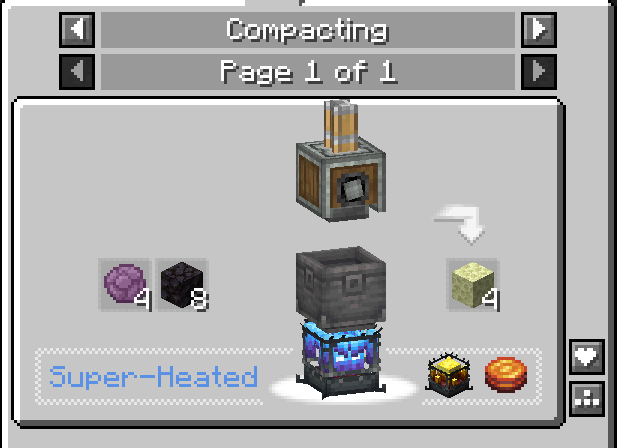
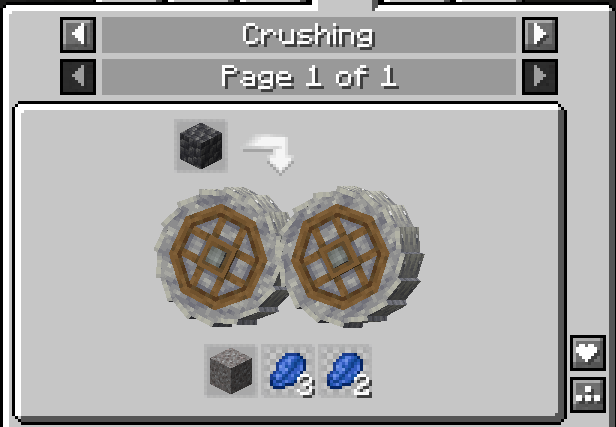
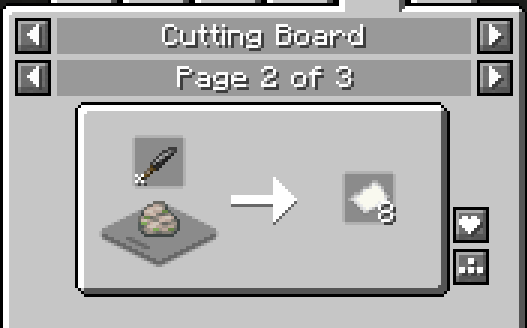
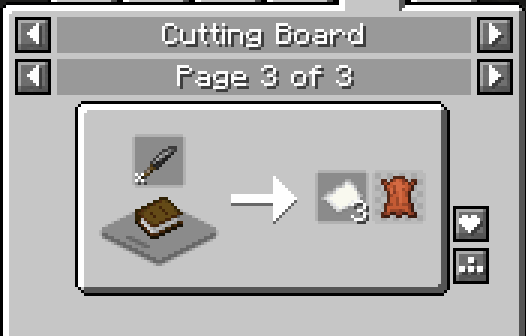
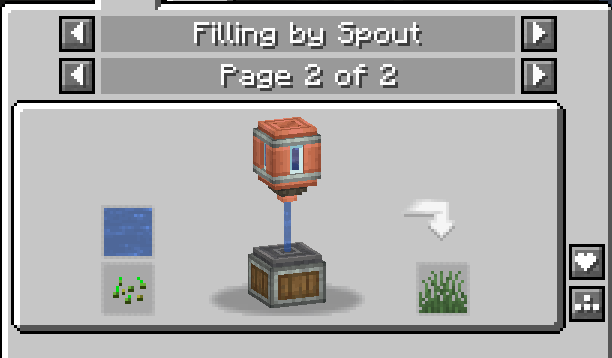
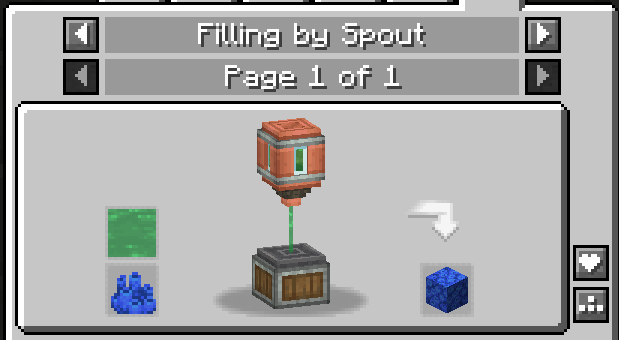
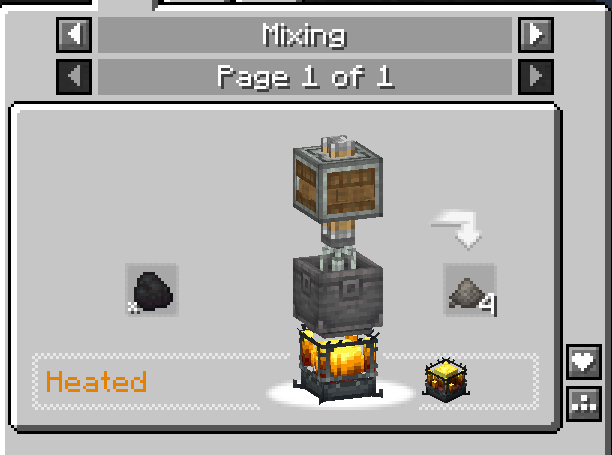
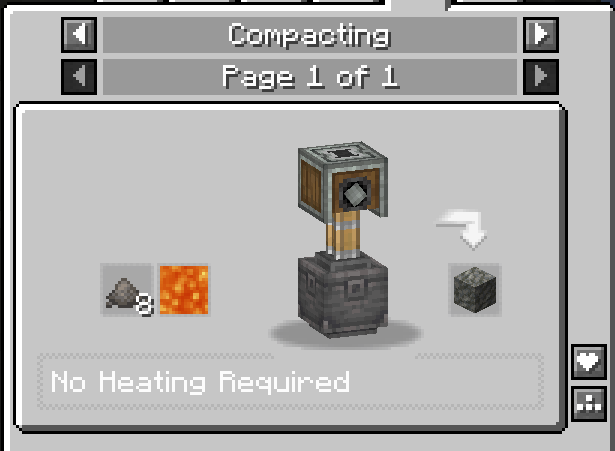
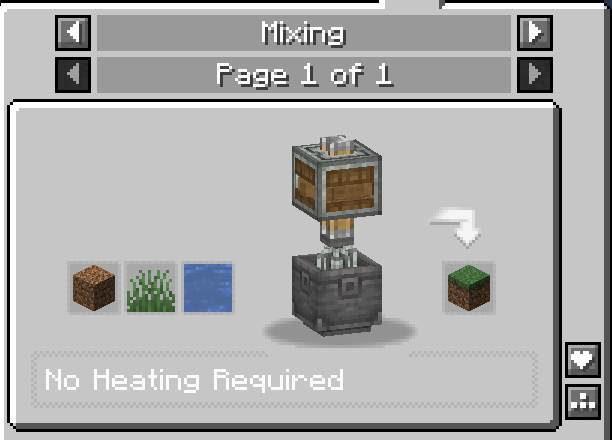
Check the gallery to see a visual of the recipe changes and additions.
(Images sourced from the mod EMI.)
Here's a full feature list below:
Base Create Changes:
- Red Sand no longer has a small chance to output a dead bush, instead it's given the 25% clay ball drop chance of normal sand in addition to it's gold nugget drop.
- Bricks can no longer be haunted into nether bricks, to encourage automating netherrack for nether bricks.
- Diorite from flint compacting recipe has been switched from calcite to yellow sand for better pairty with the other recipes and to make it more accurate to real diorite (real diorite is actually calcium-poor).
- Grass Blocks can no longer be created by spouting water on dirt (wouldn't that just be mud?), instead a more sensible recipe chain involving wheat seeds was added. This shouldn't impact the base game all that heavily, but makes obtaining grass blocks in skyblock more interesting.
If Create: Slice & Dice is installed:
- The recipe to skip the composting time of rich soil by spouting organic compost with fertilizer was removed, to encourage playing with the interesting mechanics involved in speeding up composting speed that Farmer's Delight offers.
New Recipes:
![]() Base Create:
Base Create:
- Bamboo blocks can be smelted into charcoal just like normal logs.
- Saplings can be smoked into dead bushes.
- Mud can be smoked into dirt.
- Limestone can be smelted into calcite.
- Wheat seeds can be grown into grass by spouting them with water.
- Grass can be mixed with dirt and a little water to obtain grass blocks.
- Mud can be made from scratch using gravel, sand, clay, water, and a bit of starting organic material (tree fertilizer, moss, glow lichen, straw, or tree bark)
- Dirt can be mixed with hanging roots to make rooted dirt.
- Glow lichen can be created by mixing moss, mycelium, glow ink sacs, and water, outputting mud as a byproduct.
- Asurine, crimsite, veridium, and ochrum can be obtained by compacting their source mineral (calcite, limestone, smooth basalt, and dripstone respectively) in a heated basin with water and 9 nuggets of their inclusion metal (zinc, iron, copper, and gold respectively).
- Stone and deepslate can be milled/crushed into their cobbled variants.
- Deepslate can be formed by compacting 2 stone in a heated basin.
- Cobbled deepslate can be milled/crushed into gravel like normal stone, and the crushing wheel gives a decent chance to output a bit of lapis lazuli.
- Basalt can be milled/crushed into gravel and a chance at some crushed copper, with a higher chance using a crushing wheel.
- Smooth basalt can be milled/crushed into gravel and a chance at amethyst shards, with a smaller chance at some crushed copper. Also with a higher chance in the crushing wheel.
- Limestone can be milled/crushed into sand, with a chance of calcite and crushed zinc. Again, higher chance with the crushing wheel.
- Coral blocks can be milled into up to 4 of their smaller variant, allowing for easier farming.
- Coral can be smushed with a press into their fan variants.
- Coral can be milled/crushed into calcite, with a decent chance at their respective color dye and some sand.
- Dead coral can be milled/crushed into calcite and a small chance at some copper nuggets.
- Netherrack can be reconstituted from cinder flour and basalt in a heated basin. Because netherrack has a chance of outputting two cinder flour, this makes it renewable.
- Crimson and warped fungi can be mixed into netherrack to obtain their respective nylium.
- Nether Wart and Warped Wart blocks can be milled for a chance at obtaining their source fungus.
- Obsidian can be haunted into crying obsidian.
- Glow lichen can be haunted into sculk veins.
- Sculk catalysts can be created through a complex mixture of plenty of sculk veins, a bone block, deepslate, water, and milk.
- End Stone can be formed by compacting popped chorus fruits and blackstone in a superheated basin.
If Farmer's Delight is installed:
- Tree bark can now be used to make pulp.
- Pulp can be sliced with a knife into 8 paper.
- Books can be recycled with a knife into 3 paper and a decent chance at some leather.
- Enchanted books can be recycled the same way, but with a chance at recieving some nuggets of experience.
- Book and Quills can be recycled into the book, feather, and a chance at the ink sac.
- Mycelium can be created with a blend of mushroom colonies, rich soil, and dirt.
If Create: Slice & Dice is installed:
- Liquid fertilizer can be used instead of water to make the wheat seeds to grass conversion more efficient.
- Corals can be grown into their full block variants with liquid fertilizer, allowing for easy farming.
If Supplementaries is installed:
- Flammable scrap items, such as inedible animal or monster byproducts, tree bark, crop waste, paper, small wooden kindling, rope, and such similar objects can all be mixed in a heated basin to incinerate them into ash.
- Larger or higher quality fuels such as coal, charcoal, mob heads, bones, leather, books, or wool will produce much more ash.
- Ash can be compacted in a basin with a little bit of lava to renewably create tuff.
If you're a details person, you may want to install the companion resource pack, Create: Grounded Renewability Tag Names. It gives all of the tags the datapack uses proper english localized names for display inside your recipe browser of choice.