
Create: Grounded Renewability
- By

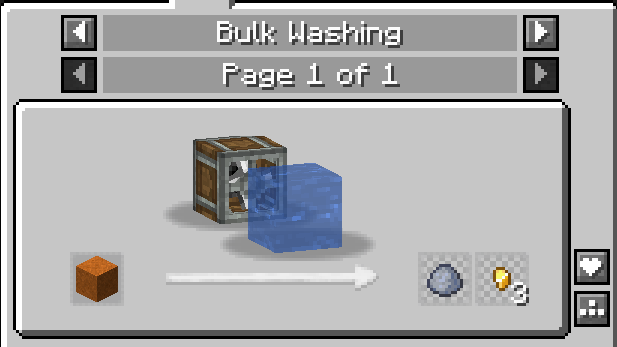
Red sand outputs clay like normal sand does. No more mysterious dead bushes!
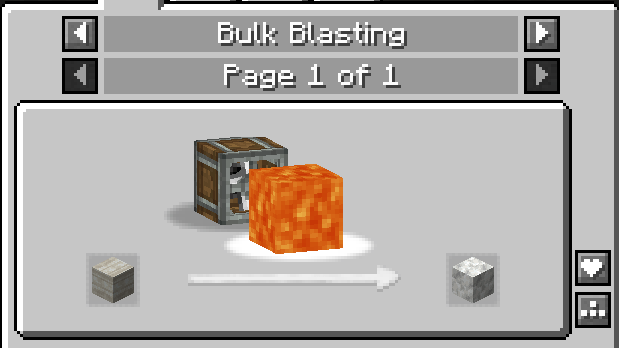
Extract the calcite directly from limestone.
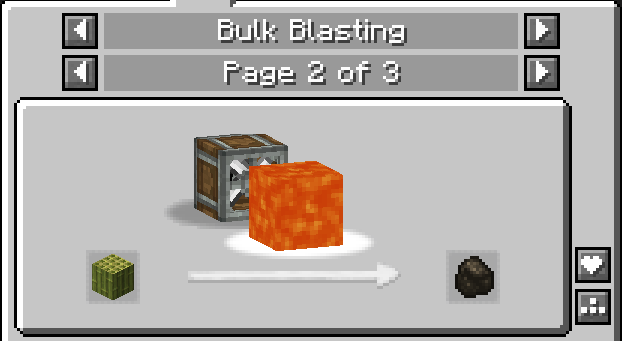
I'm not sure why this isn't already a thing.
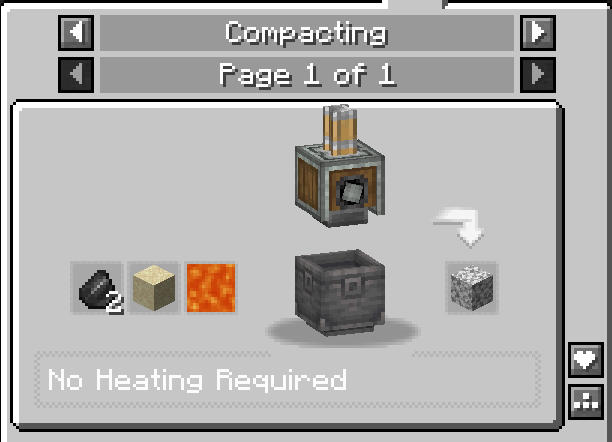
Now uses sand instead of calcite!
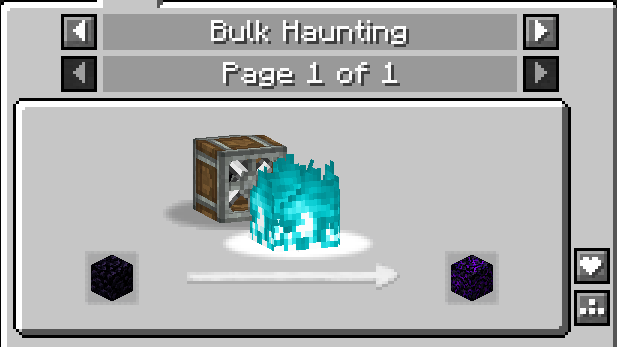
Seems to fit pretty well with the haunting theme. Those poor souls!
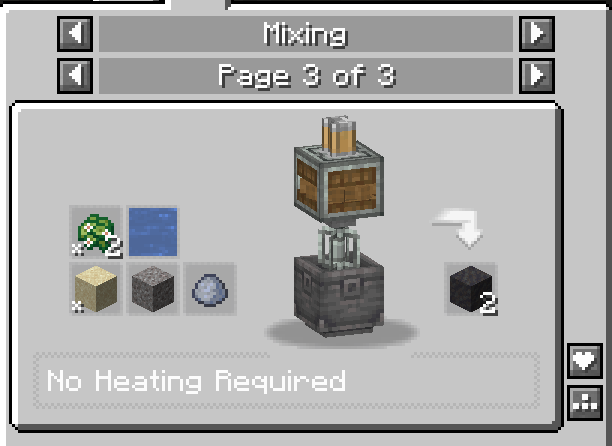
A blend certified to be better at growing things than cobblestone.
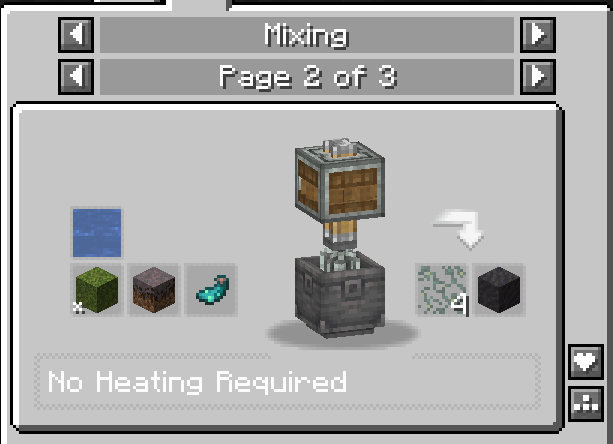
A gentle stir is all it takes to get the moss and fungi to cooperate.
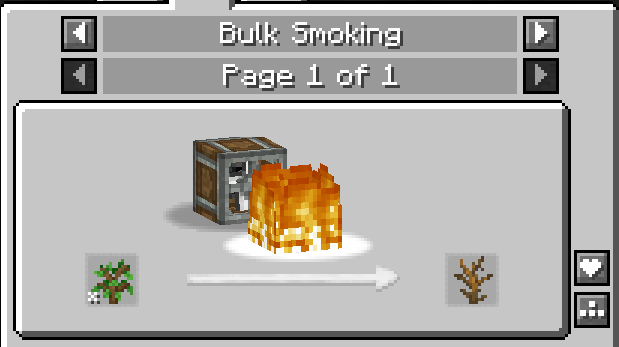
Since you can't get them from red sand anymore.
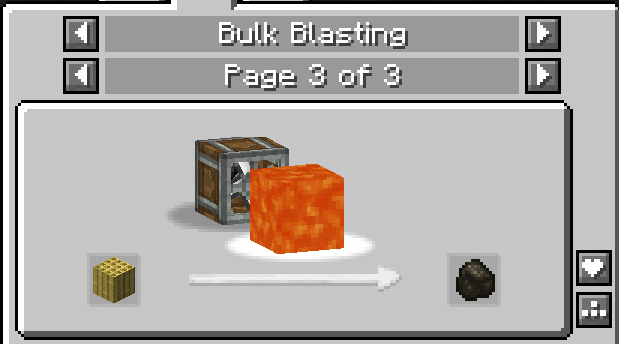
Stripped too!
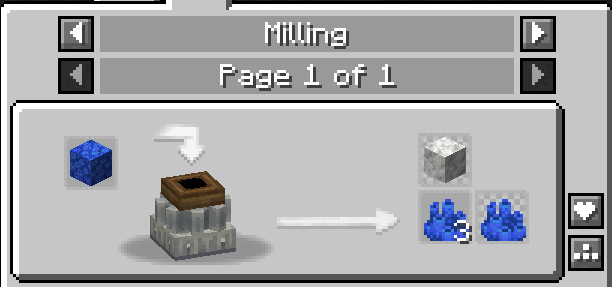
The millstone is just gentle enough to break off living chunks without destroying the whole thing.
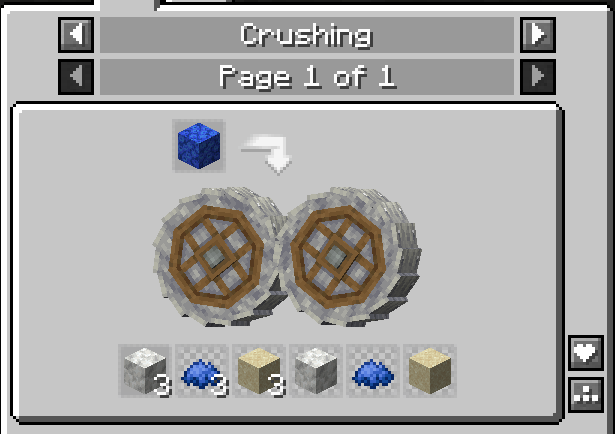
You can skip an extra processing step by just chucking in the whole coral block!
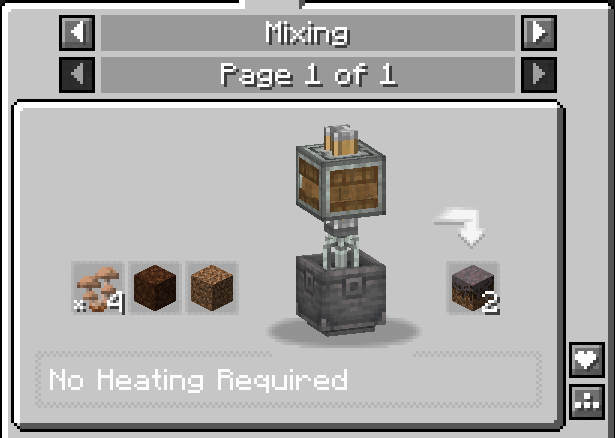
The addition of nutrient rich soil encourages the fungi to fully colonize the dirt.
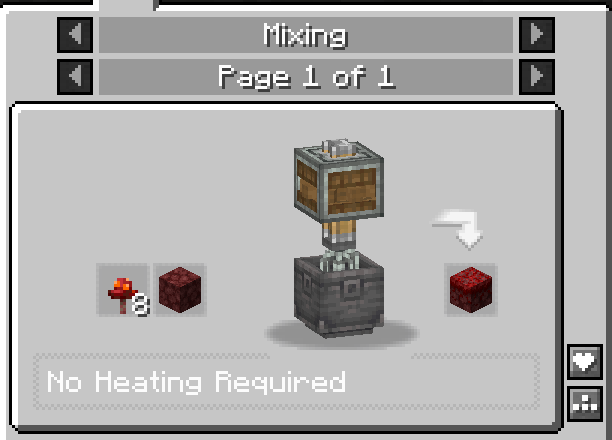
About as fertile as you can make the ground in hell.
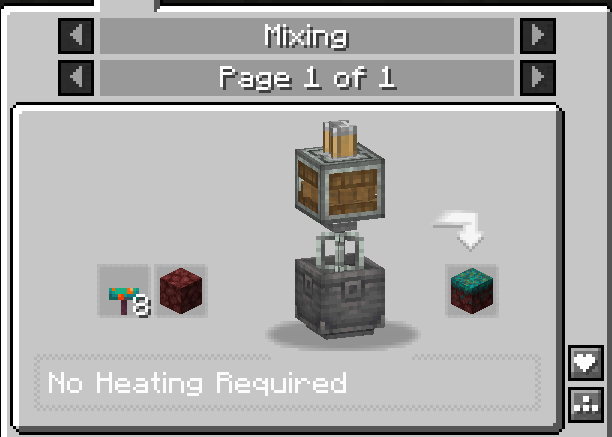
Works just the same with that weirder fungus too.
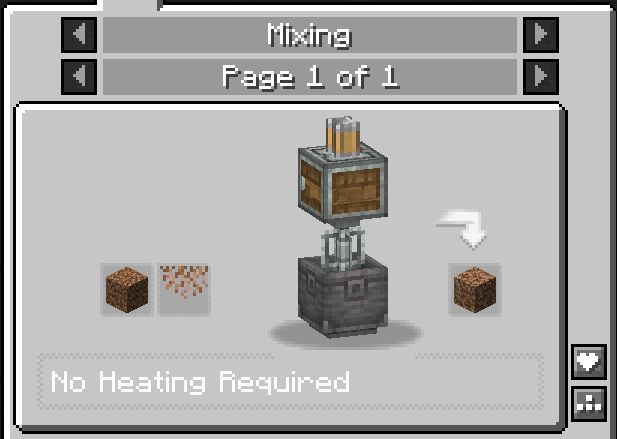
Put those rocks back in there!
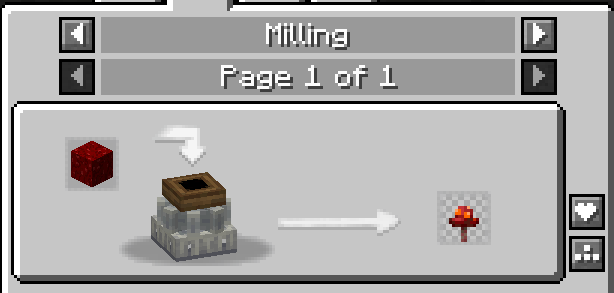
The spores of the giant crimson fungi are much harder to extract than common overworld mushrooms.
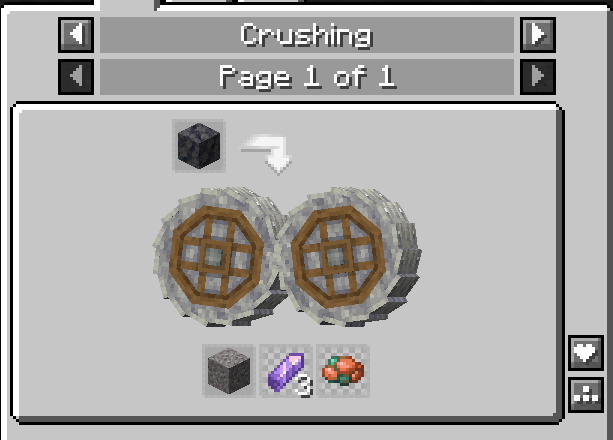
The heat-treatment process sometimes forms small geodes in this stone, but reduces the viable copper yield.
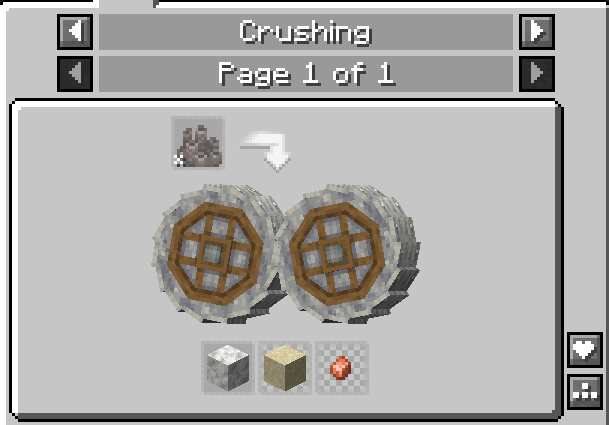
Lost it's color, but leached some trace bits of copper from it's surroundings in it's final moments.
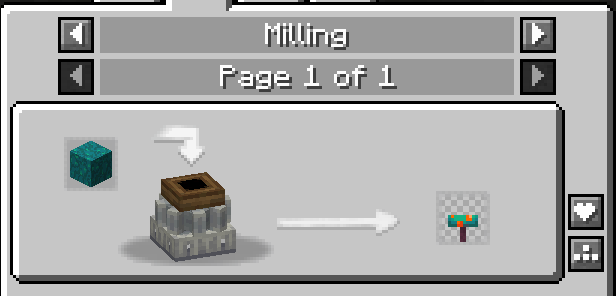
A similar process for the warped fungi. Finally, an easier way to farm these!
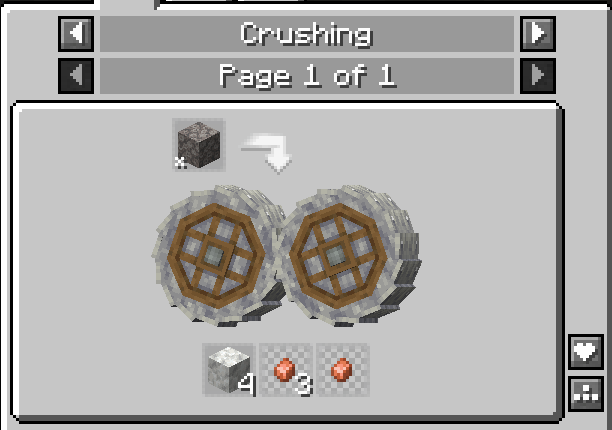
Has a slightly better yield due to the increased concentration!
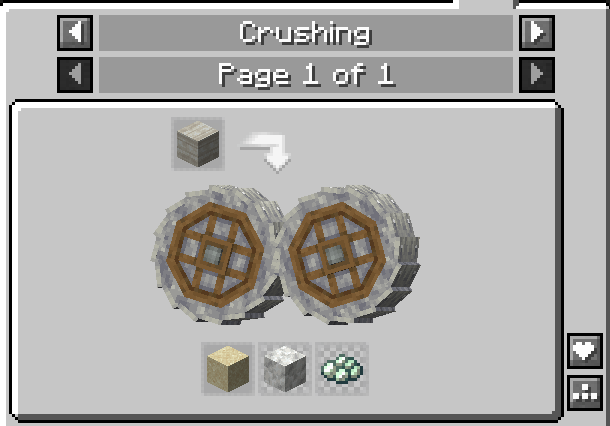
This stone powders easily into sand, and sometimes contains bits of calcite and zinc.
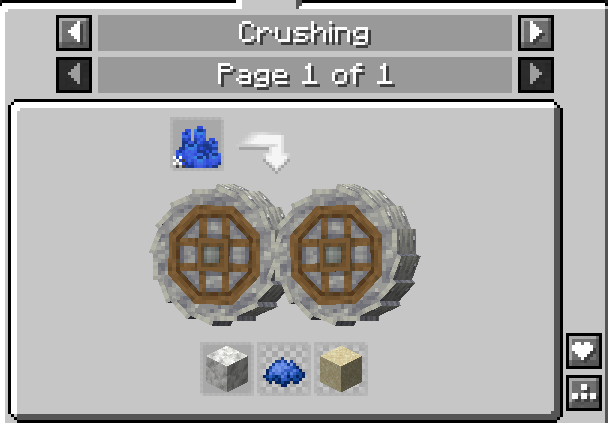
Works for all variants of coral, dye color changes respectively! Alternative way to farm calcite.
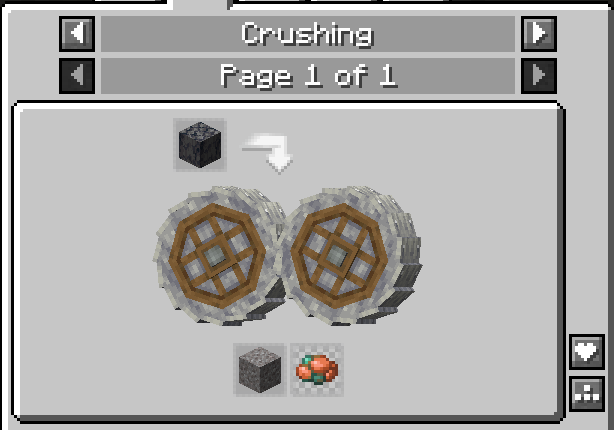
This igneous stone sometimes forms deposits of native copper ripe for the taking!
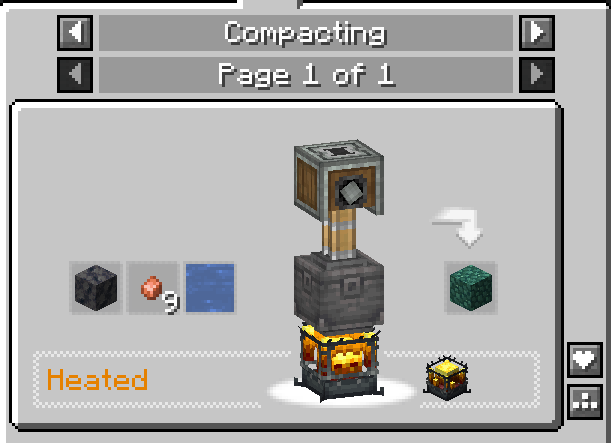
The mineral structure of the vibrant, copper rich, verdant hued veridium can be simulated with pressure, hot water, dissolved copper, and a sample of it's source rock to form on.
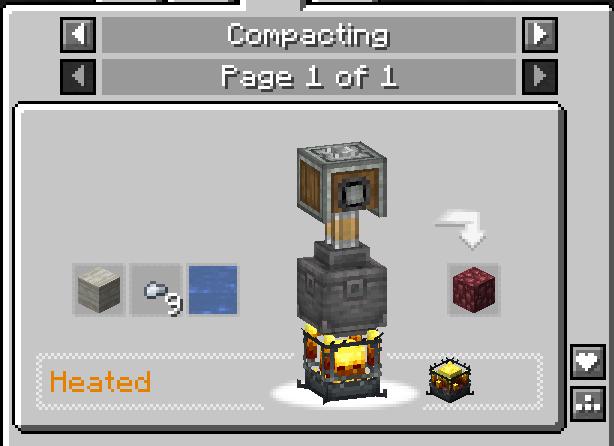
The mineral structure of the imposing, iron rich, crimson hued crimsite can be simulated with pressure, hot water, dissolved iron, and a sample of it's source rock to form on.
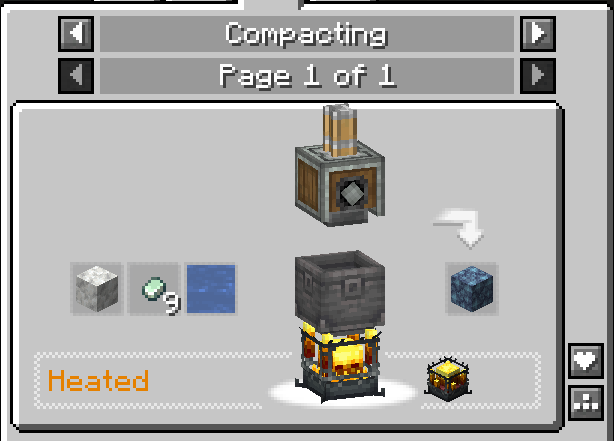
The mineral structure of the beautiful, zinc rich, azure hued asurine can be simulated with pressure, hot water, dissolved zinc, and a sample of it's source rock to form on.
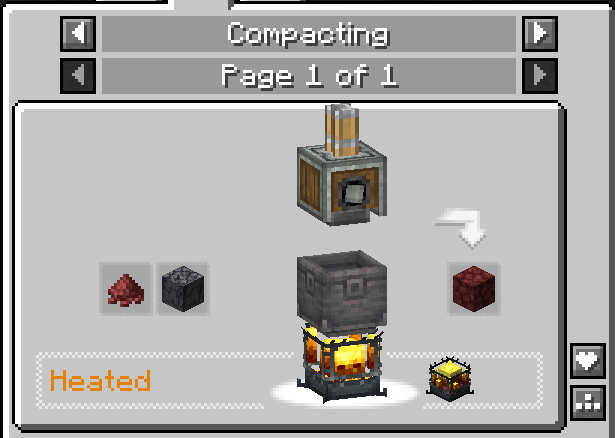
Application of heat fuses cinder flour to the basalt, resulting in the creation of more netherrack. Hint hint: netherrack sometimes outputs two cinder flour when crushed.
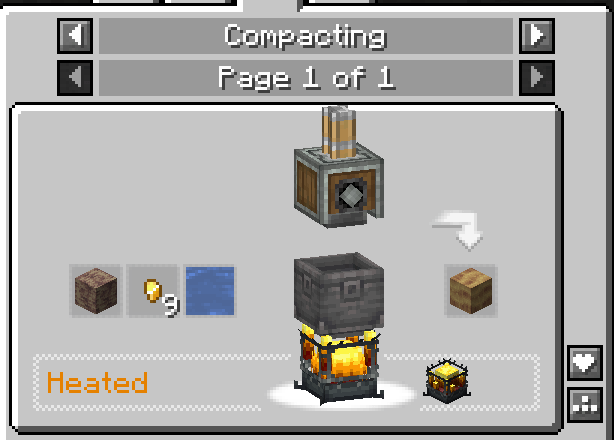
The mineral structure of the elegant, gold rich, ochre hued ochrum can be simulated with pressure, hot water, dissolved gold, and a sample of it's source rock to form on.
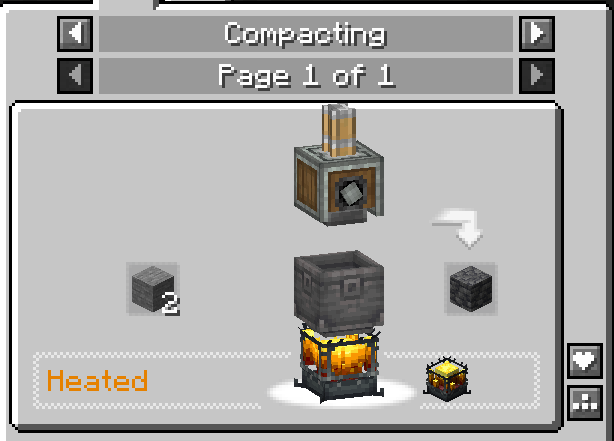
Heat and pressure metamorphoses common stone into the denser, darker deepslate.
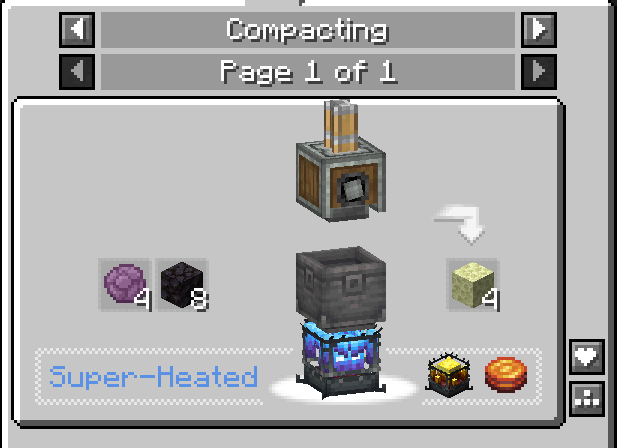
The overwhelming heat of a superheated blaze is just enough to crystalize the odd matter of chorus fruits with the hell-scorched blackstone, forming an approximation of the alien and ultra-dense end stone.
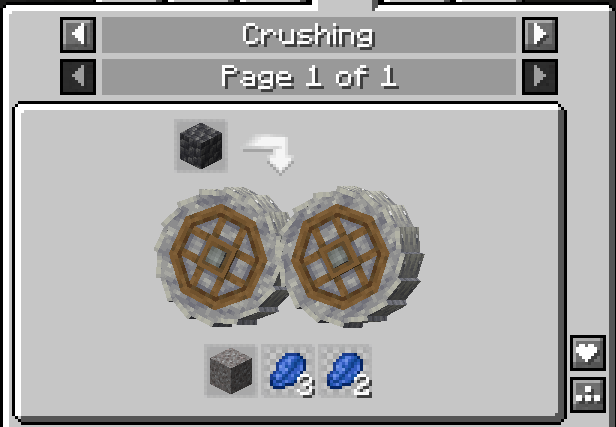
The power of large crushing wheels has a chance to extract semi-rare deposits of lapis lazuli from deepslate that simple mills cannot reach.
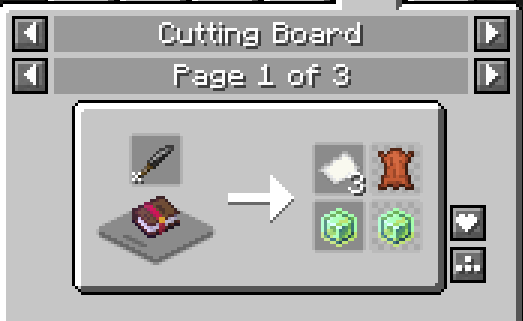
The knife can sometimes manage to scrape crystalized magic right off the pages.
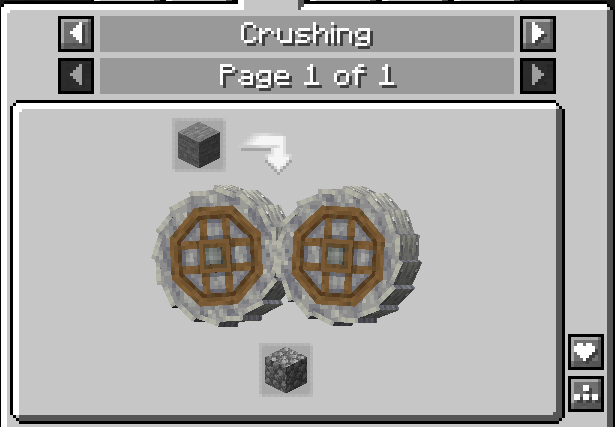
If mills and crushing wheels are powerful enough to pulverize cobble, surely they are powerful enough to crack stone.
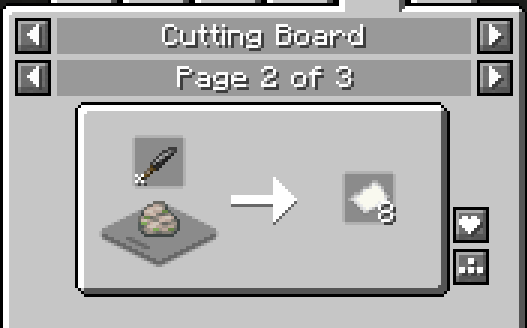
Pulp can be sliced into thin sheets of paper at a much more efficient ratio than cruder ways to make paper.
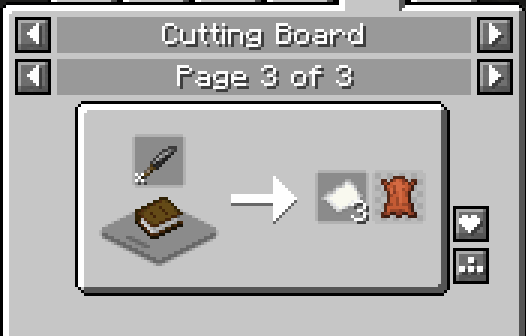
Careful knifework is required to keep the leather binding from being damaged.
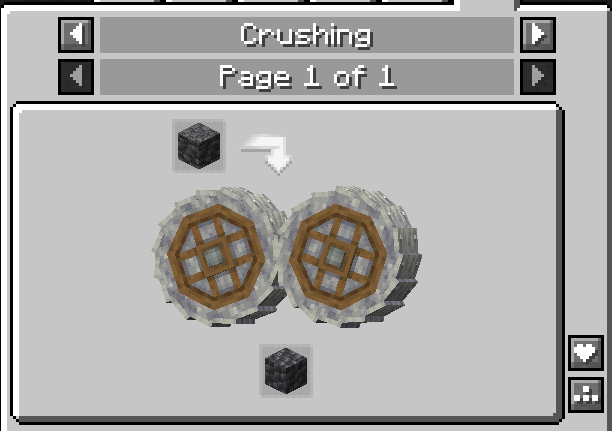
The same logic applies to deepslate.
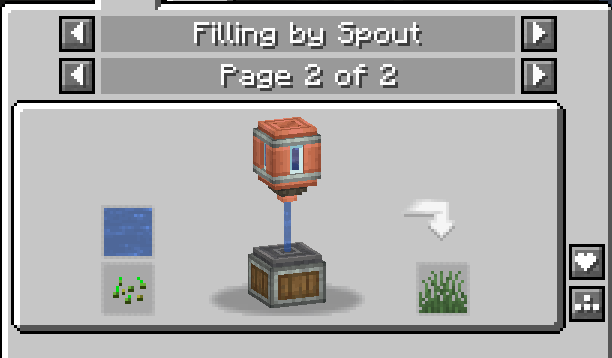
Gently watering seeds lets them germinate into wild grass.
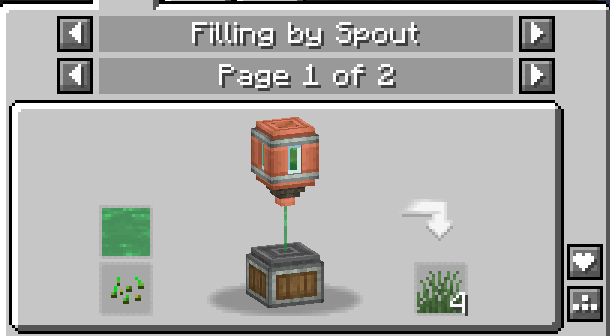
Supplying liquid fertilizer instead of water speeds up the germination process greatly, and allows more seeds to reach maturation.
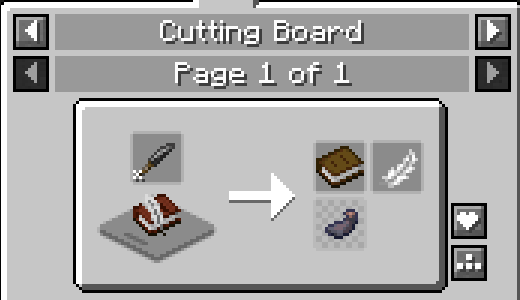
With patience some usable ink may be able to be scraped off the pages.
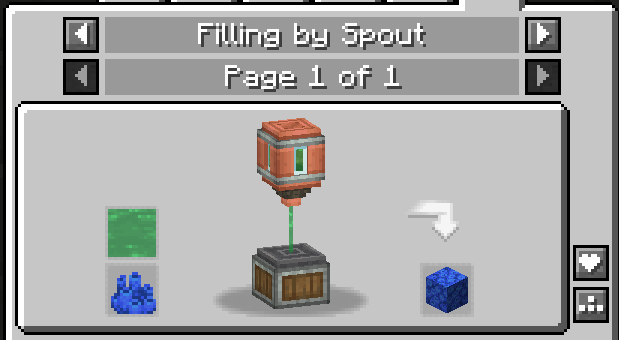
Liquid fertilizer can serve as an efficient growth medium to encourage rapid coral growth.
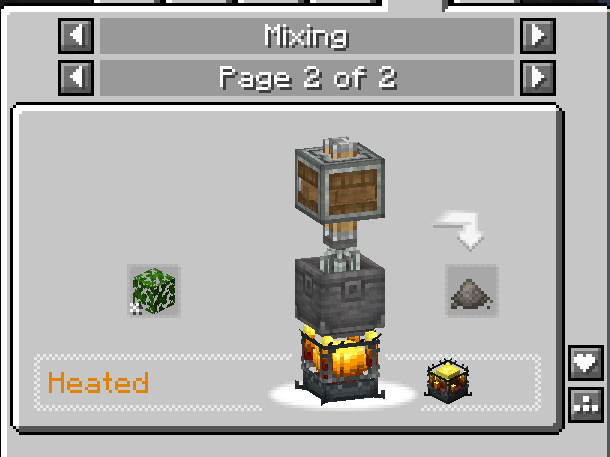
A constant stirring over high heat renders many organic materials down into fine ash.
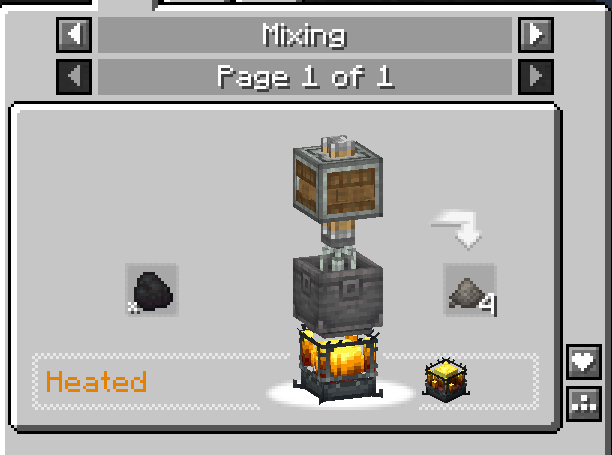
Some larger or higher-carbon materials burn into much more ash.
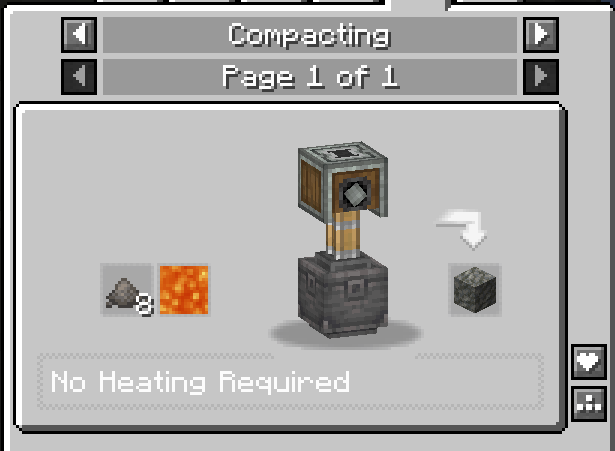
Loose ash can be compressed with a bit of lava to form the mineral-rich tuff.
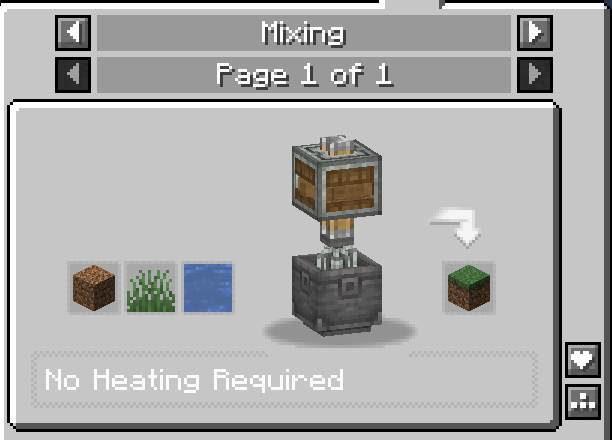
The mixing motion firmly roots the grass into the dirt.