233e30ae340c2eedf7934ba358c529fab571d17e.png
8d54f924fd343df56a6fdc1d8b08704dc9dd55fb.png
25a1abc1a0fa50c8744d52b405827343e5c3611c.png
ab9c75b21c099426069f2615d20337d6c34aa057.png
e9a284c6514999c09d34e96a2af1a8dde5aa7479.png
Description

A display that never fully forgets.
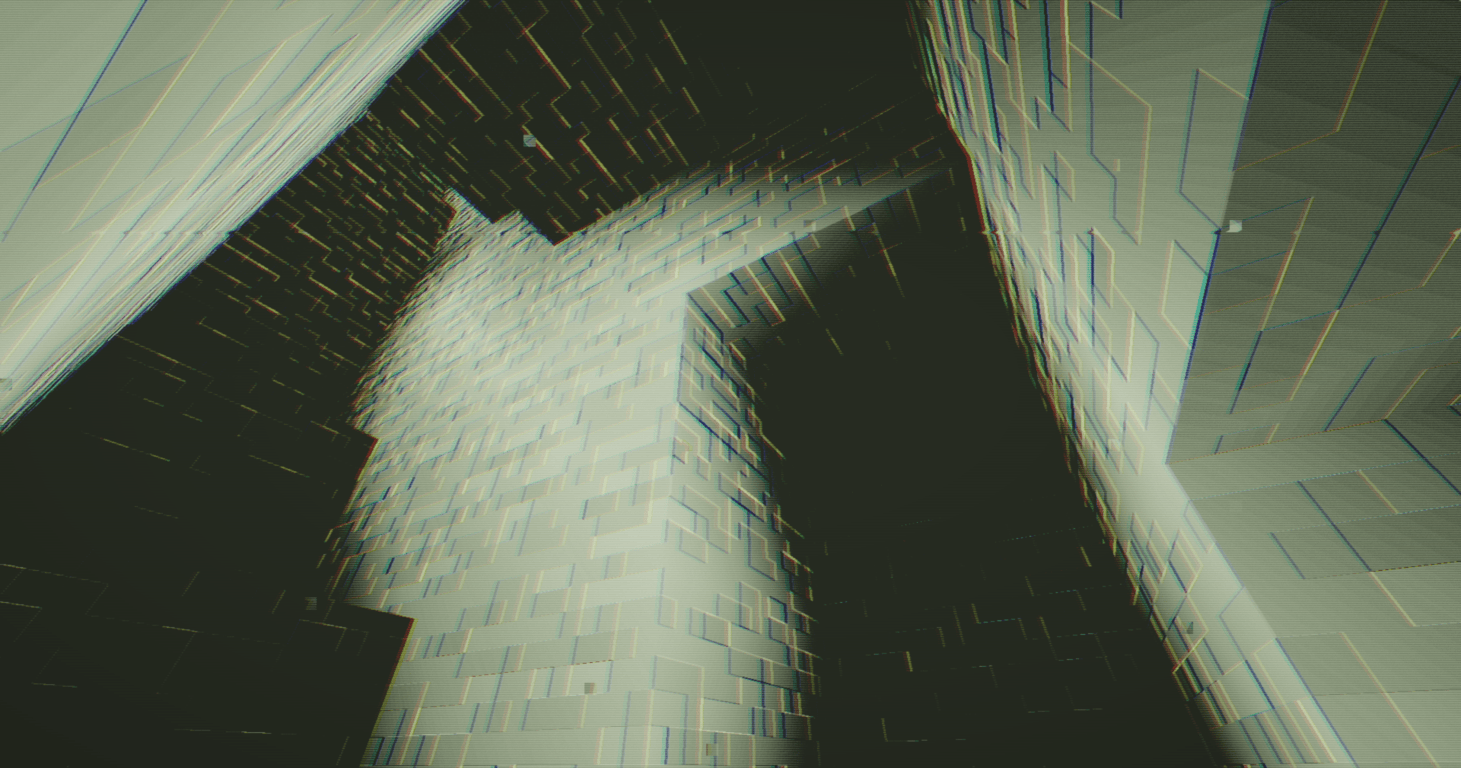
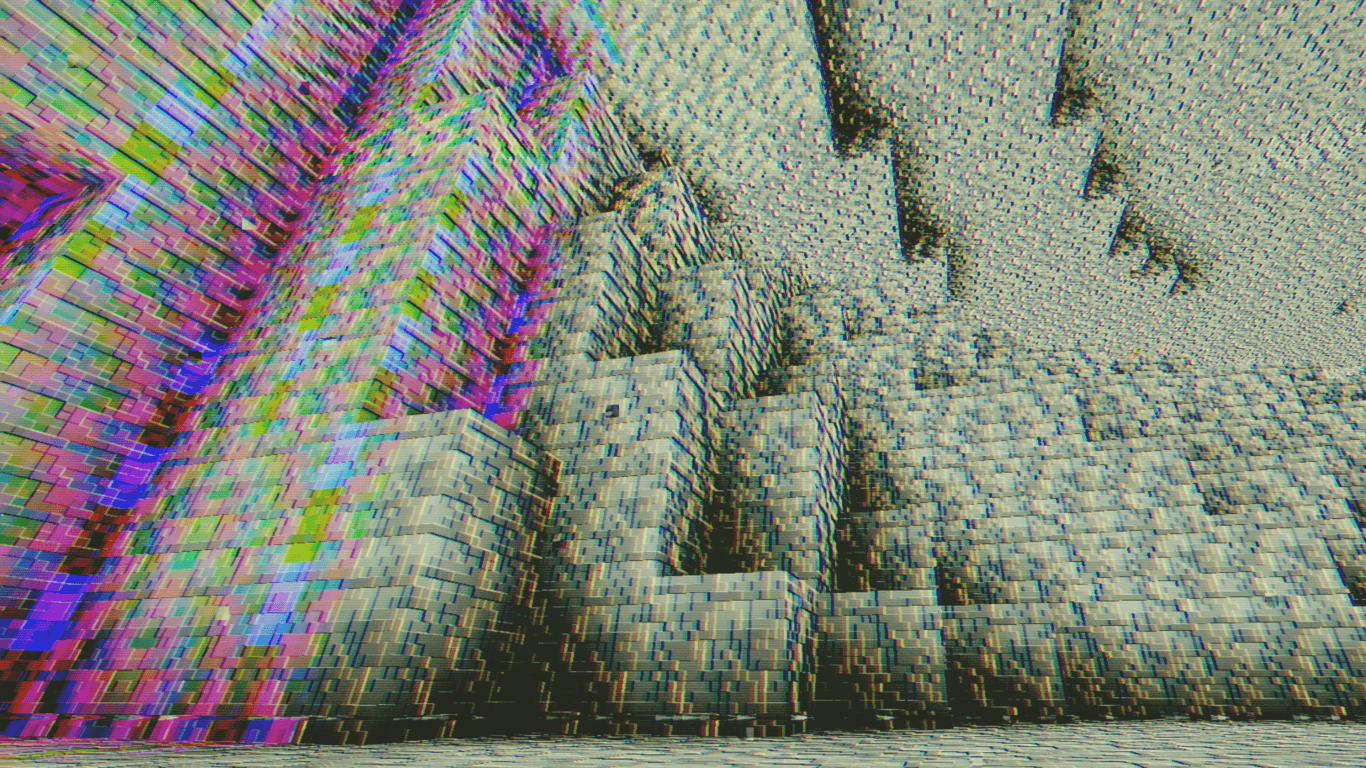
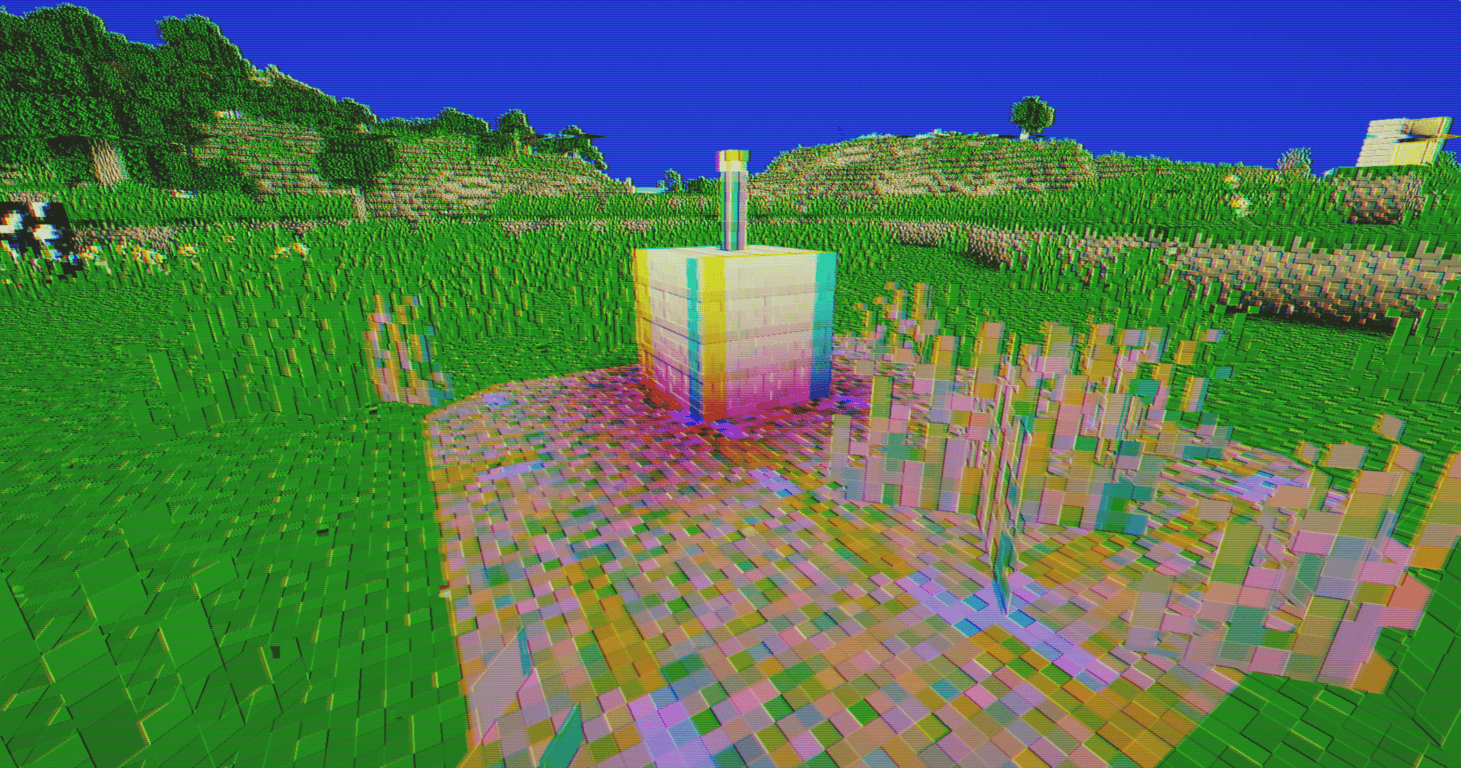
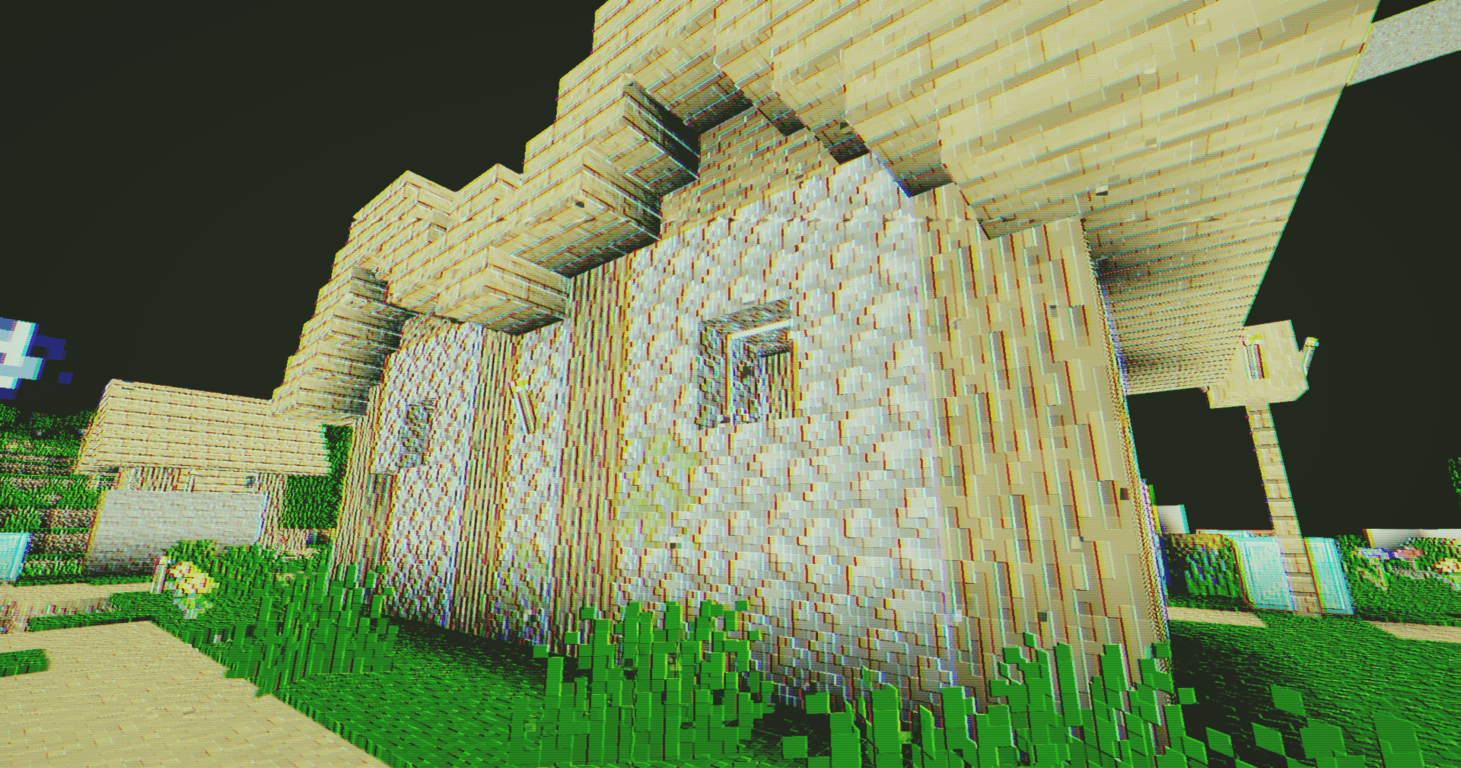
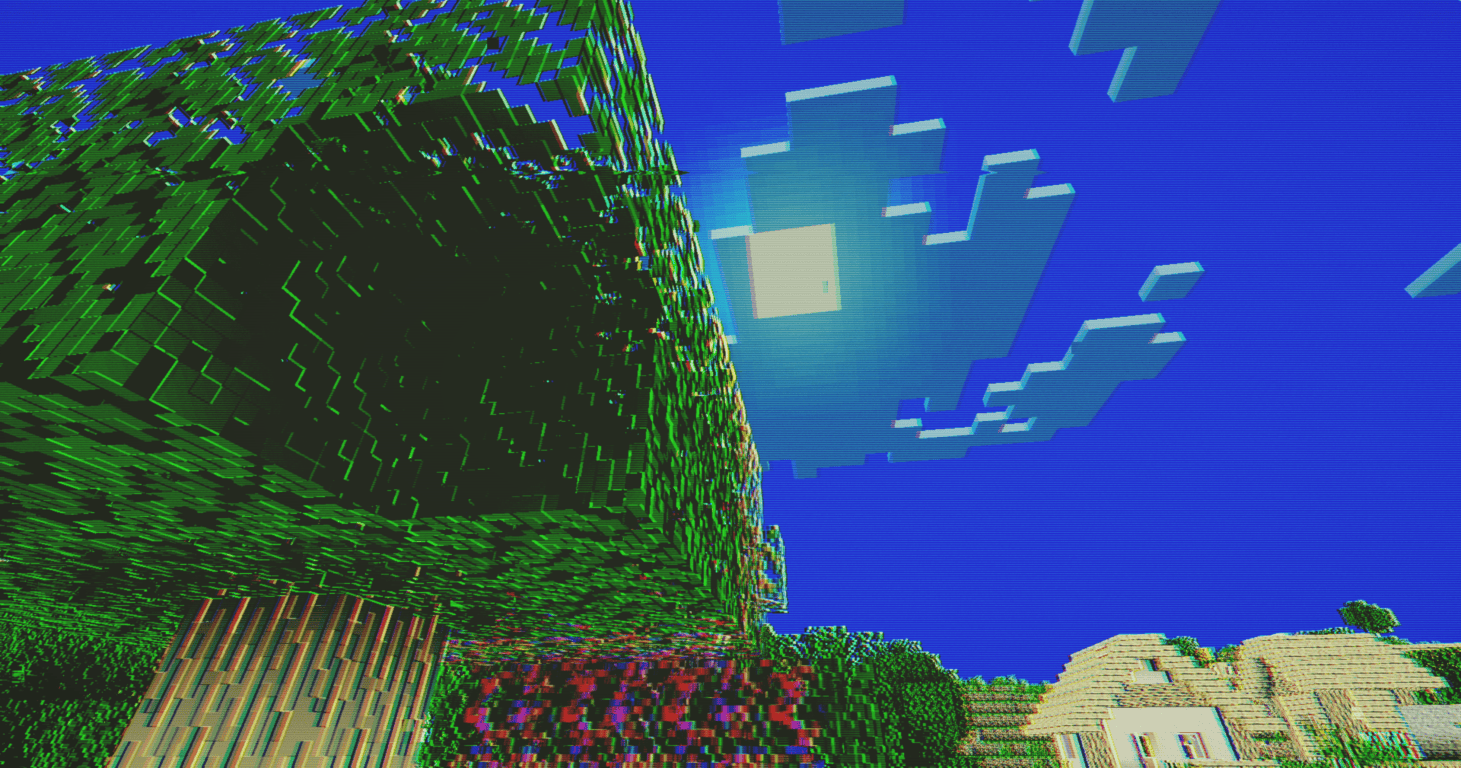
Memory Leaks is an experimental shaderpack focused on image persistence, temporal artifacts, and display-inspired post-processing. Instead of pursuing realism, it explores what happens when frames linger longer than they should, creating subtle echoes, motion trails, and residual impressions across the screen.
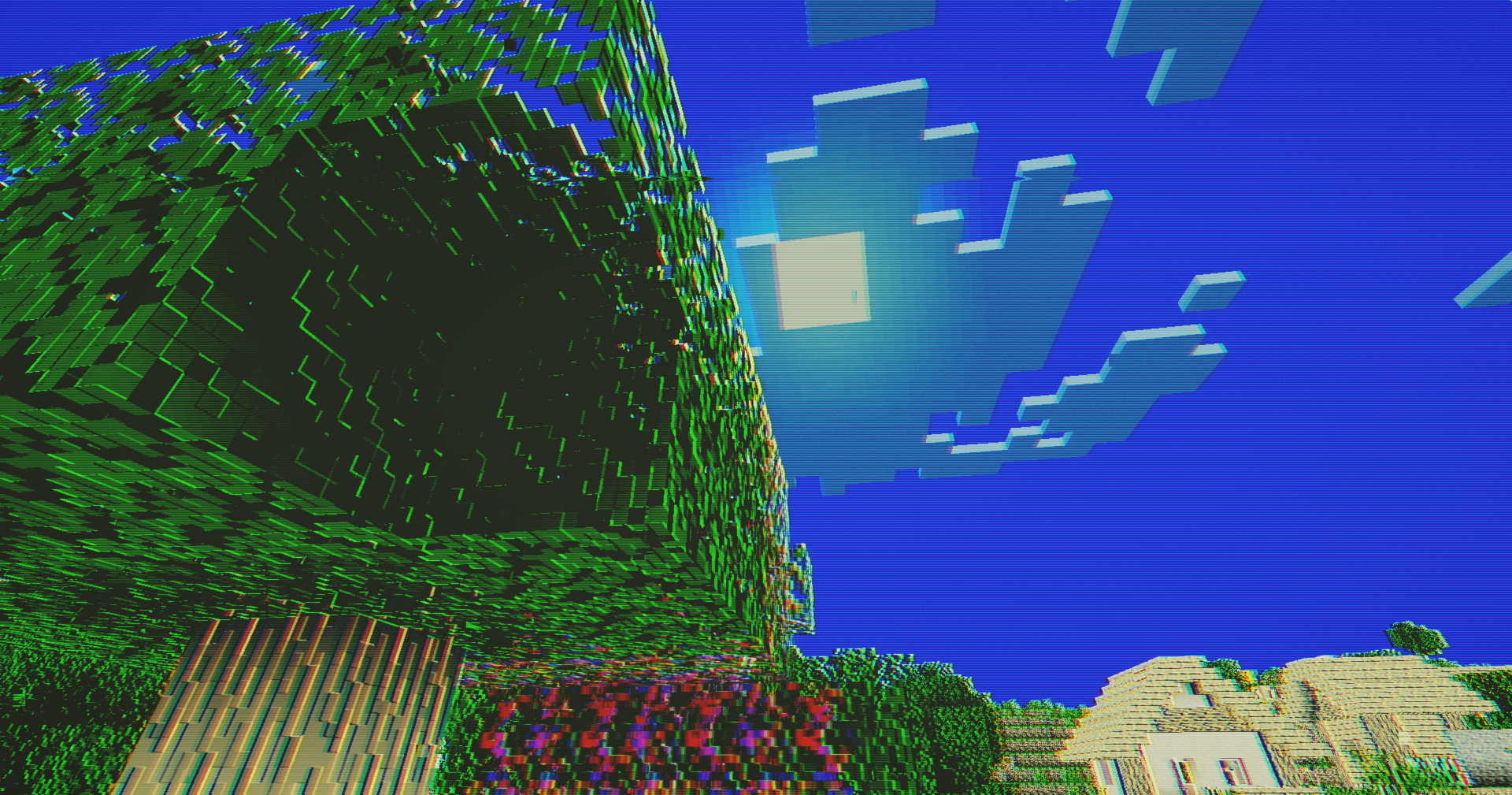
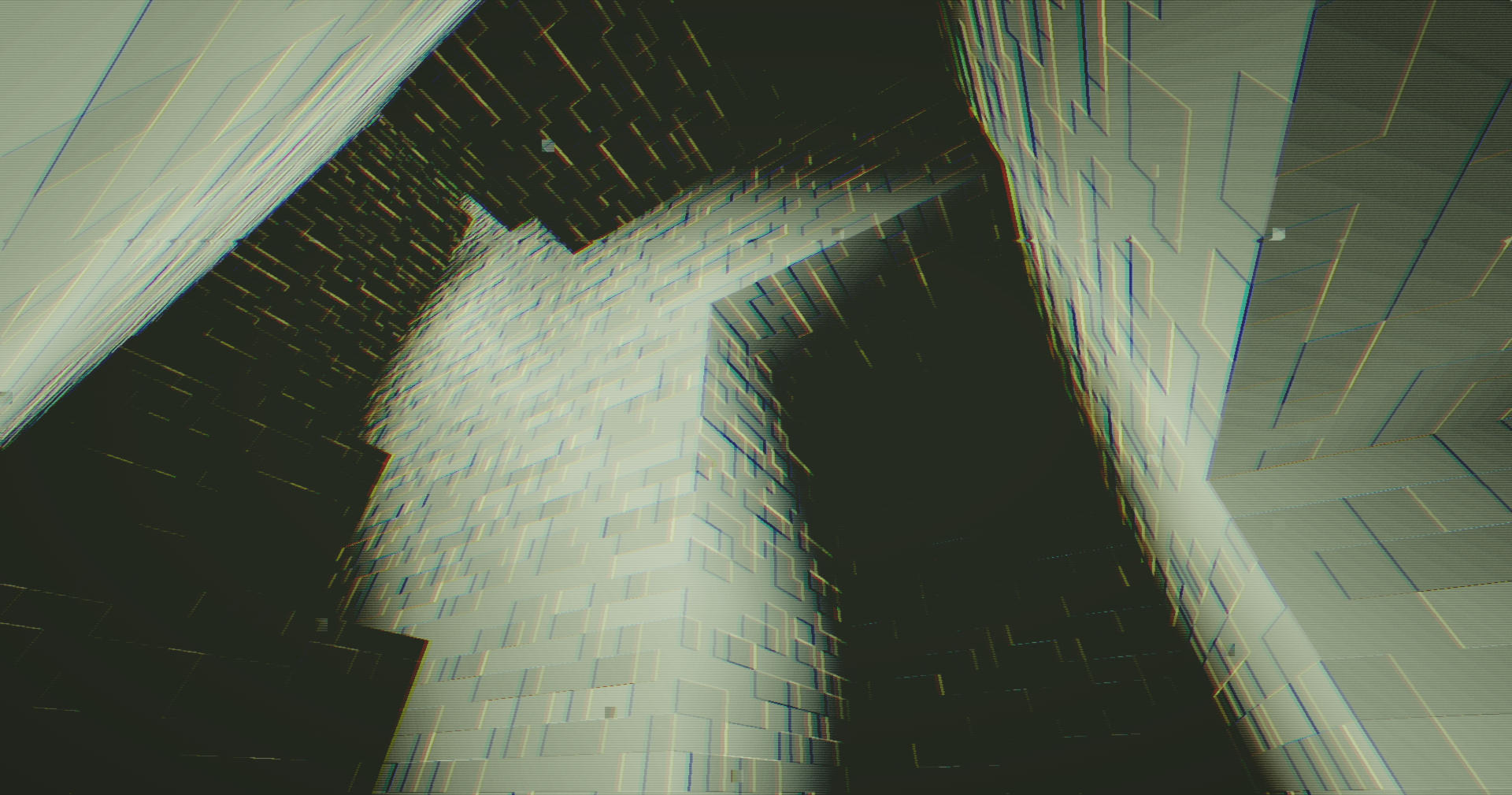
The result is a distinctive visual style where motion leaves traces behind, interface elements persist briefly after use, and the final image passes through a monitor-inspired presentation layer featuring scanlines, glow, and tonal compression.
✨ Highlights
Frame Persistence System. Previous frames are continuously blended into the current image through dedicated accumulation buffers. Movement leaves behind faint visual remnants that gradually fade over time, creating a sense of temporal continuity rather than perfectly clean frame transitions.
Directional Smearing. Fast motion can produce horizontal persistence trails and stretched image fragments. Unlike traditional motion blur, these artifacts appear selectively and maintain visible structure, giving movement a unique visual character.
Residual UI Impressions. Interface elements such as inventory screens and HUD components can leave short-lived traces after disappearing. This effect extends the persistence system beyond the world itself and helps unify the visual presentation.
Temporal Echo Events. Occasionally, older frame data briefly becomes more visible before fading away again. These moments reinforce the shader's central concept of retained image history without significantly impacting gameplay visibility.
CRT-Inspired Presentation. The final composite pass applies scanline modulation, subtle edge darkening, screen glow, and monitor-inspired color grading. The image retains a clean appearance while gaining characteristics associated with older display technologies.
Chromatic Distortion. Selective color channel offsets introduce subtle chromatic separation in affected regions of the image. The effect remains restrained and is primarily used to enhance visual instability during persistence events.
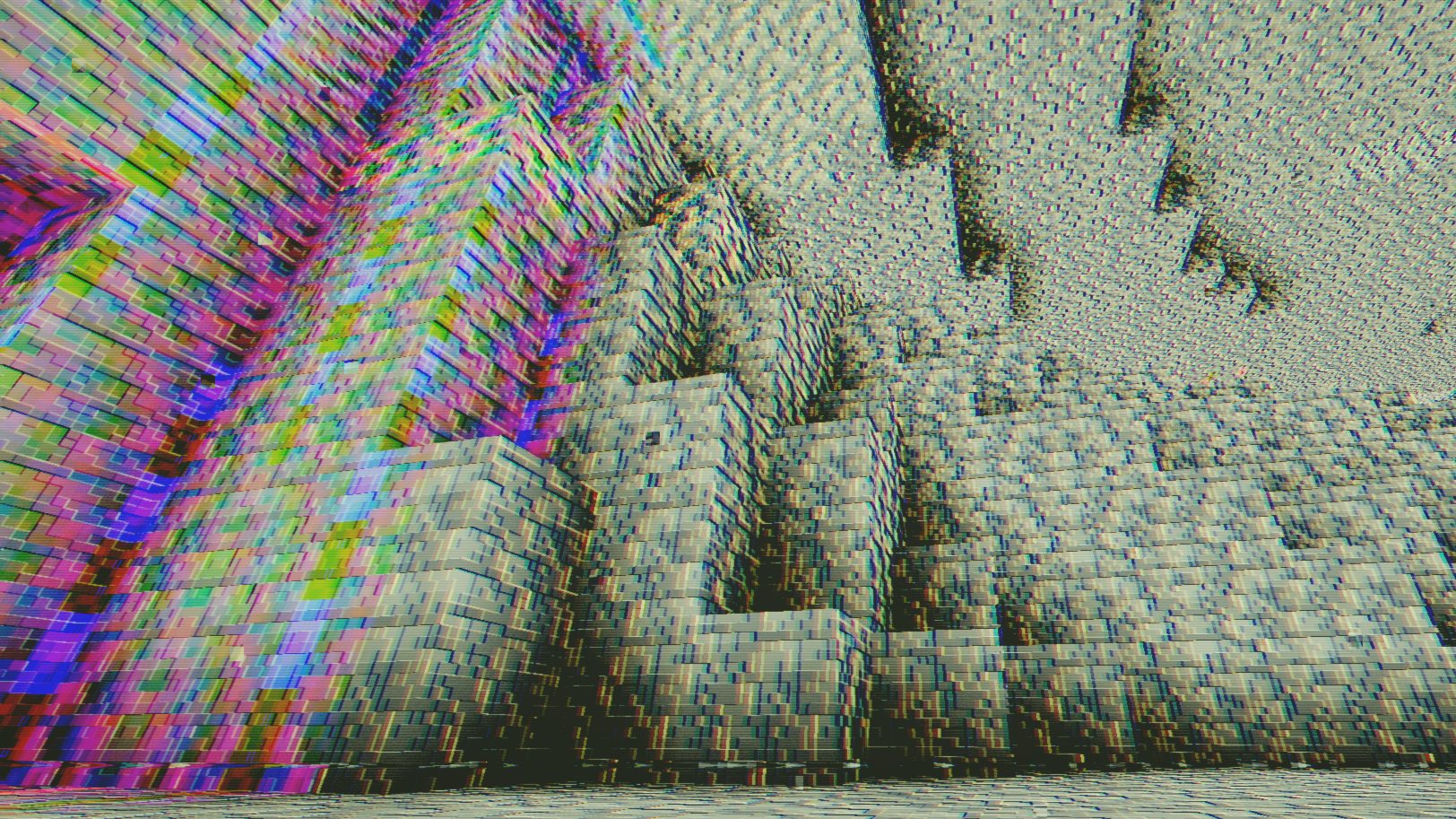
Procedural Visual Artifacts. The shader uses screen-space noise and temporal variation to generate intermittent glitches, static patterns, pixel shifts, and display imperfections. These effects occur dynamically and avoid obvious repetition.
Multi-Pass Rendering Pipeline. Terrain, sky, interface elements, and final post-processing stages contribute to the persistence system through multiple render targets, allowing effects to interact naturally across different parts of the scene.
⚙️ Compatibility
Memory Leaks is designed for OptiFine and Iris-compatible shader environments and uses a traditional multi-pass rendering pipeline with multiple color buffers.
The shader includes dedicated rendering stages for:
- Terrain
- Sky
- Textured geometry
- Hand rendering
- Composite processing
- Final post-processing
Persistent accumulation data is stored across multiple framebuffer targets to support ghosting, smear, and interface persistence effects.
Memory Leaks Team

Owner