2026-08-10_21.13.31.png
3b0b21bb225fb20b47e6fd9f7b8584bd35ea1ac9.png
7825f194448ad76ac1aa80d22844e0c01dd68f14.png
14307324d094e55aabfc7c3ba83589853c078264.png
xsoras | Natyheim: Forgotten Past
Create a server, get 25% off your first month

Description
Minecraft 26.1.1 · 26.1.2 · 26.2 · 1.21.1 · 1.20.1
Fabric · NeoForge · Forge | English and Turkish | MIT
Seven civilisations lived here once. All seven fell, and nobody wrote down why.
Most archaeology mods hand you artefacts. This one wants you to work out what killed the people who buried them, and it will not tell you the answer. You dig, you look at what comes up, and you decide what it means. If you're right, the Codex writes it down in your words.
Do it for all seven and you find out they died of the same thing.
There's no quest marker for that. There's a trench, a bench, a board, and whatever you're willing to conclude from three objects.
Soundtrack
Screenshots
| 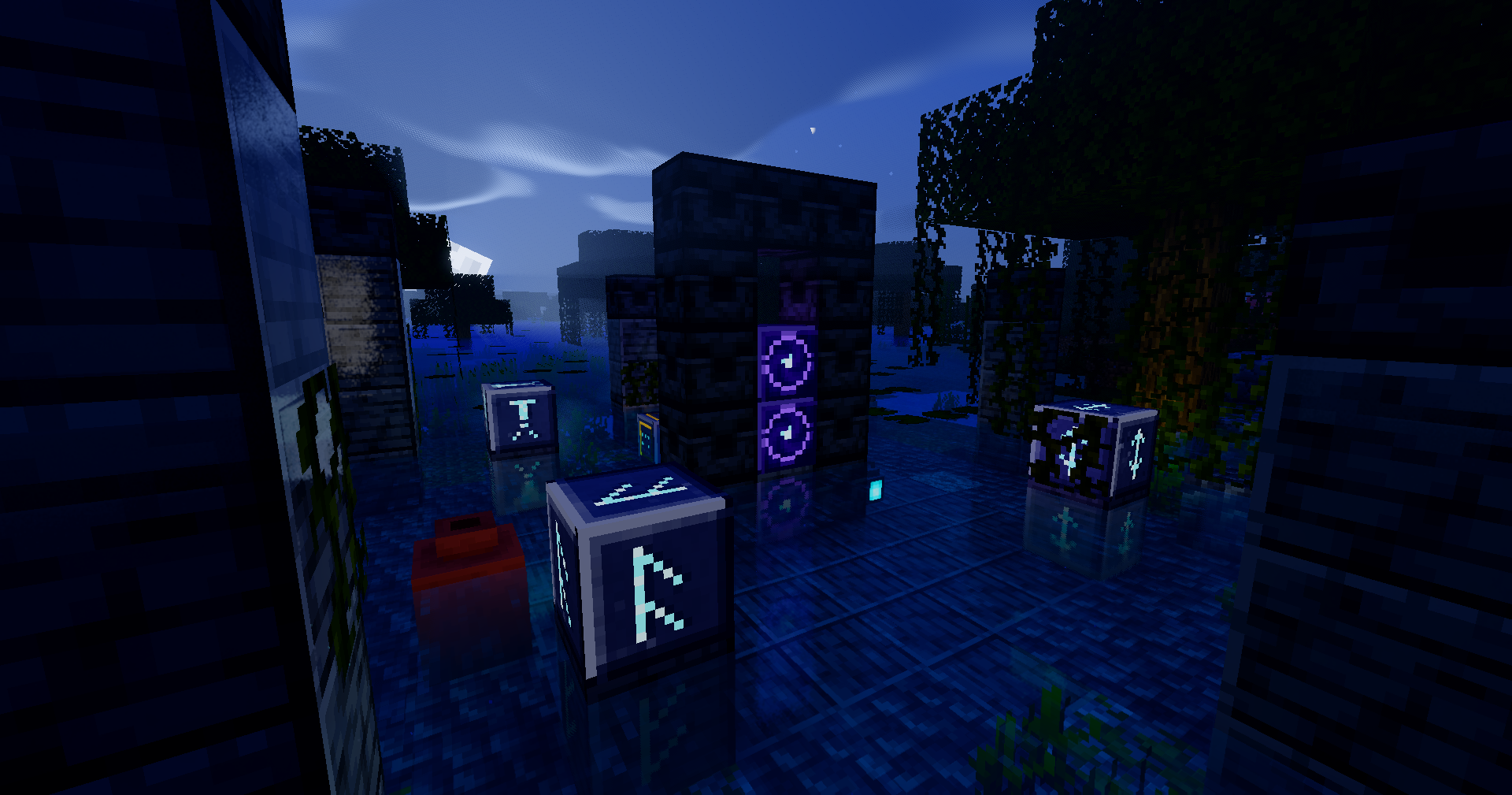
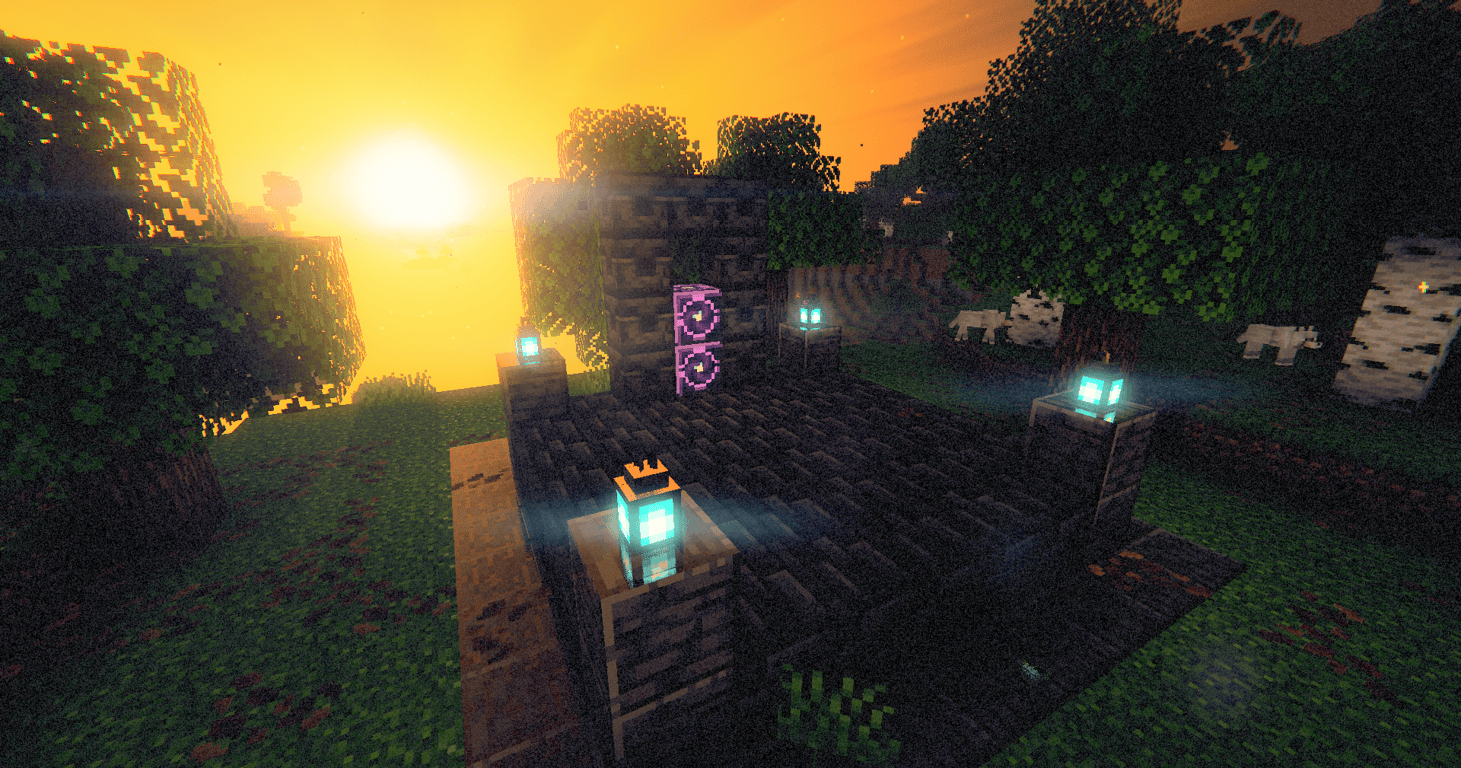
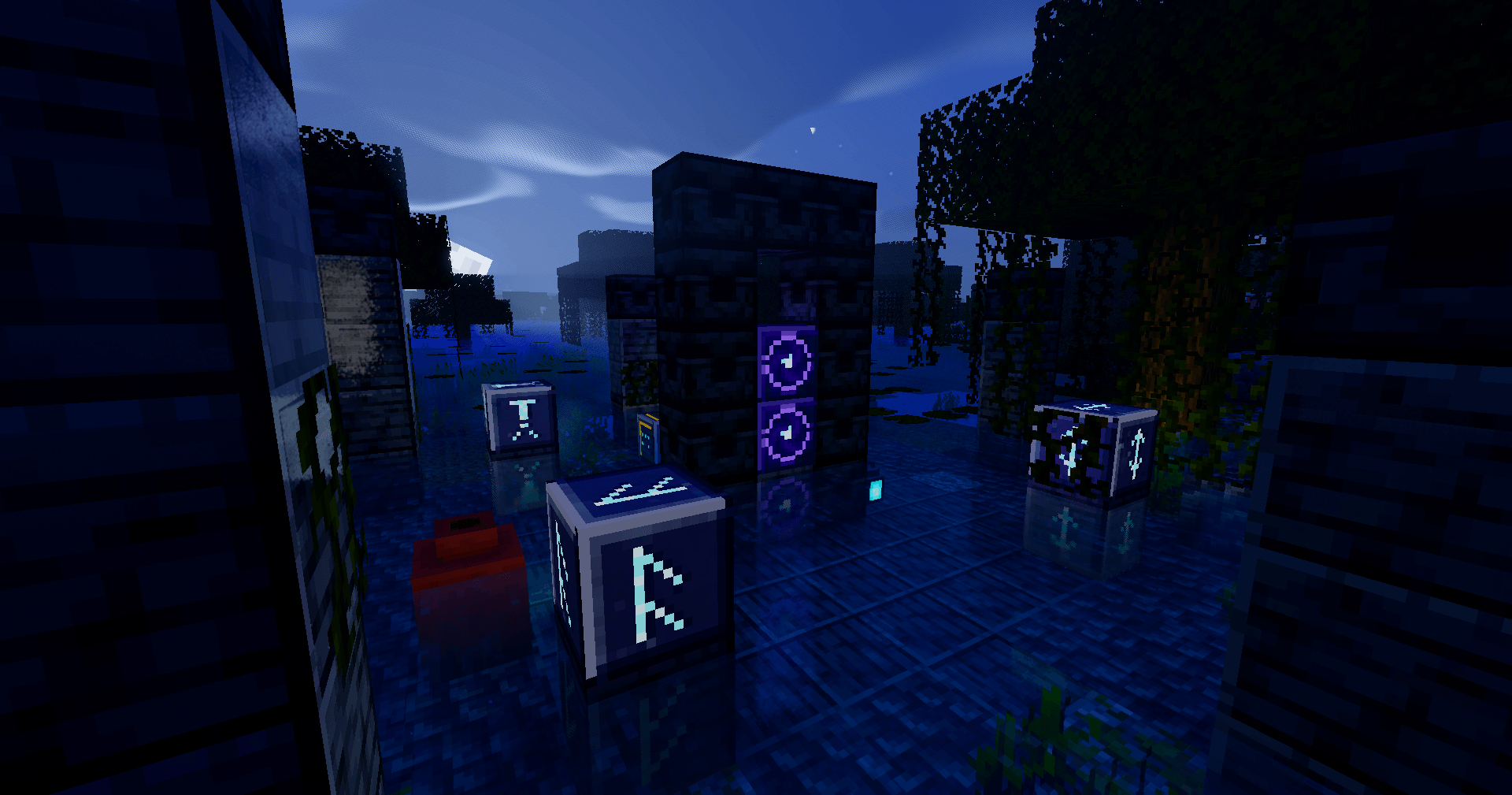
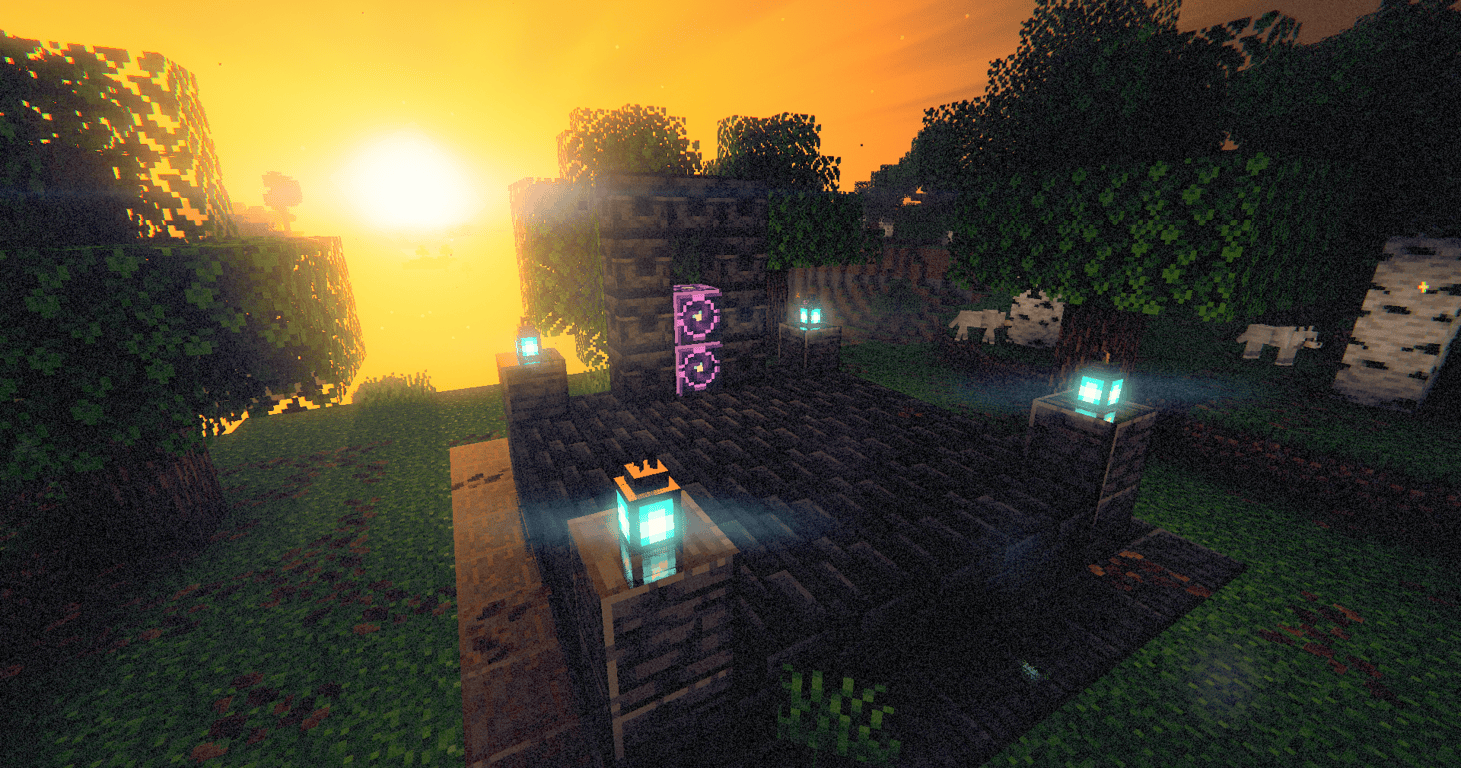
The waygate. A relic, after dark, runes in order. |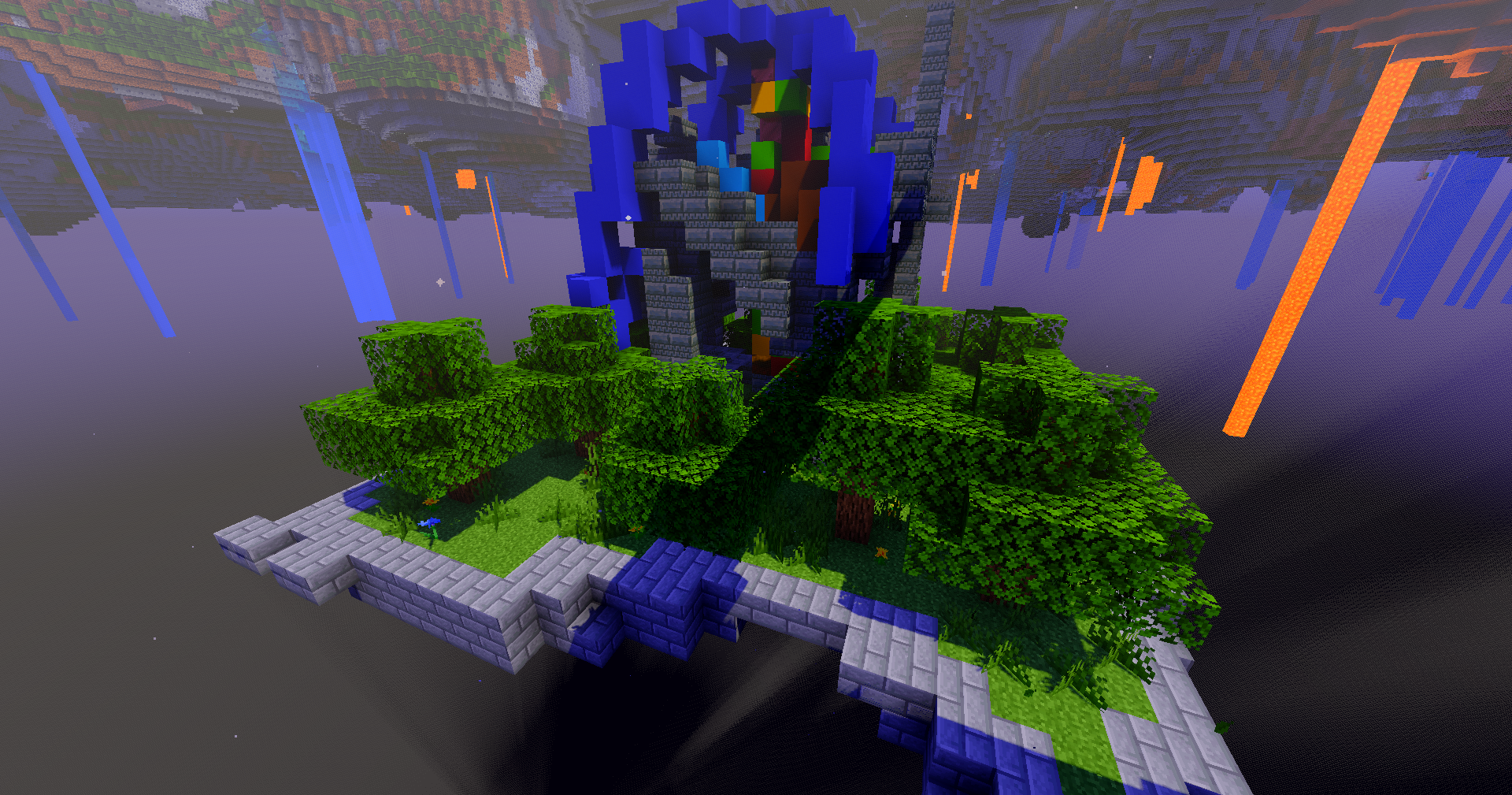
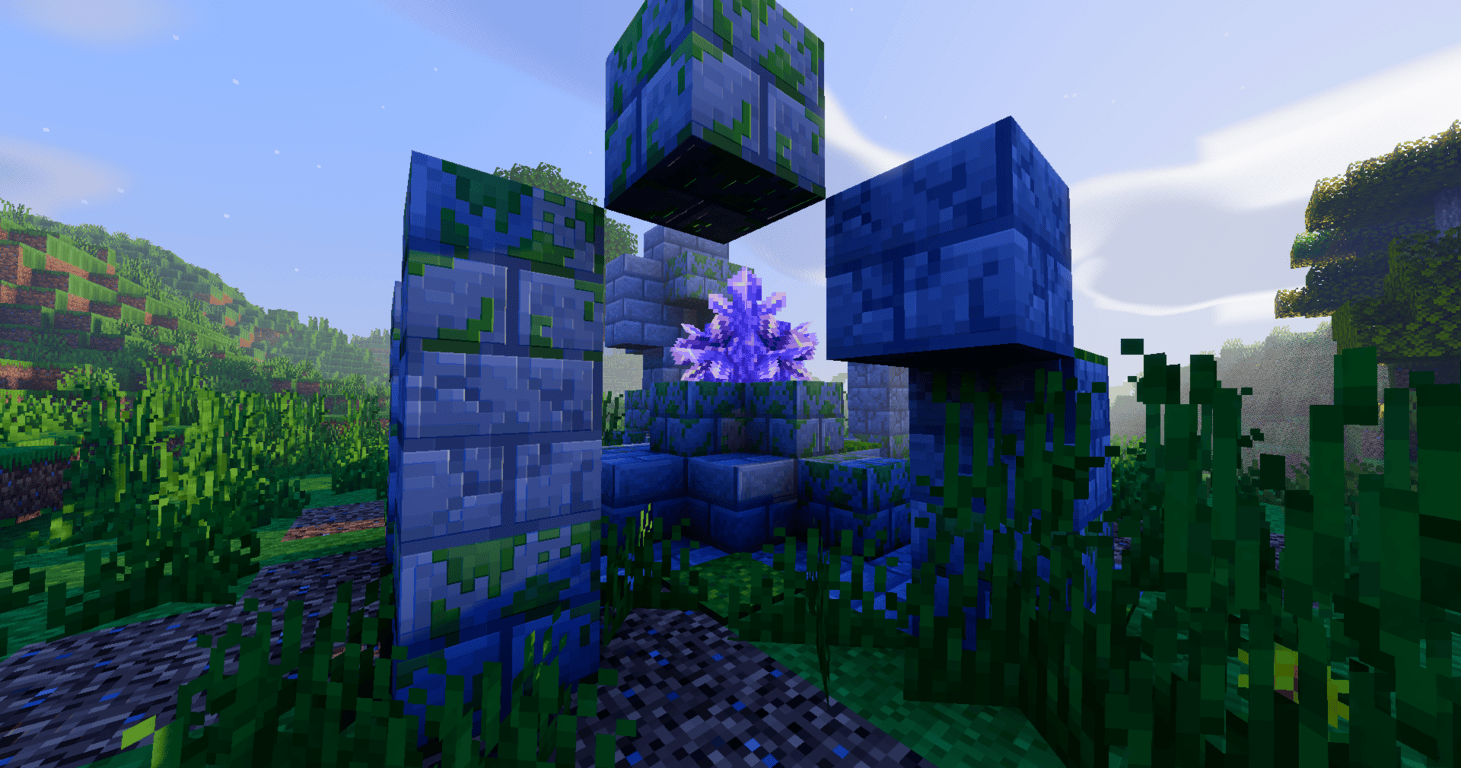
Natyheim. Drifting islands, seven sets of trials. |
| 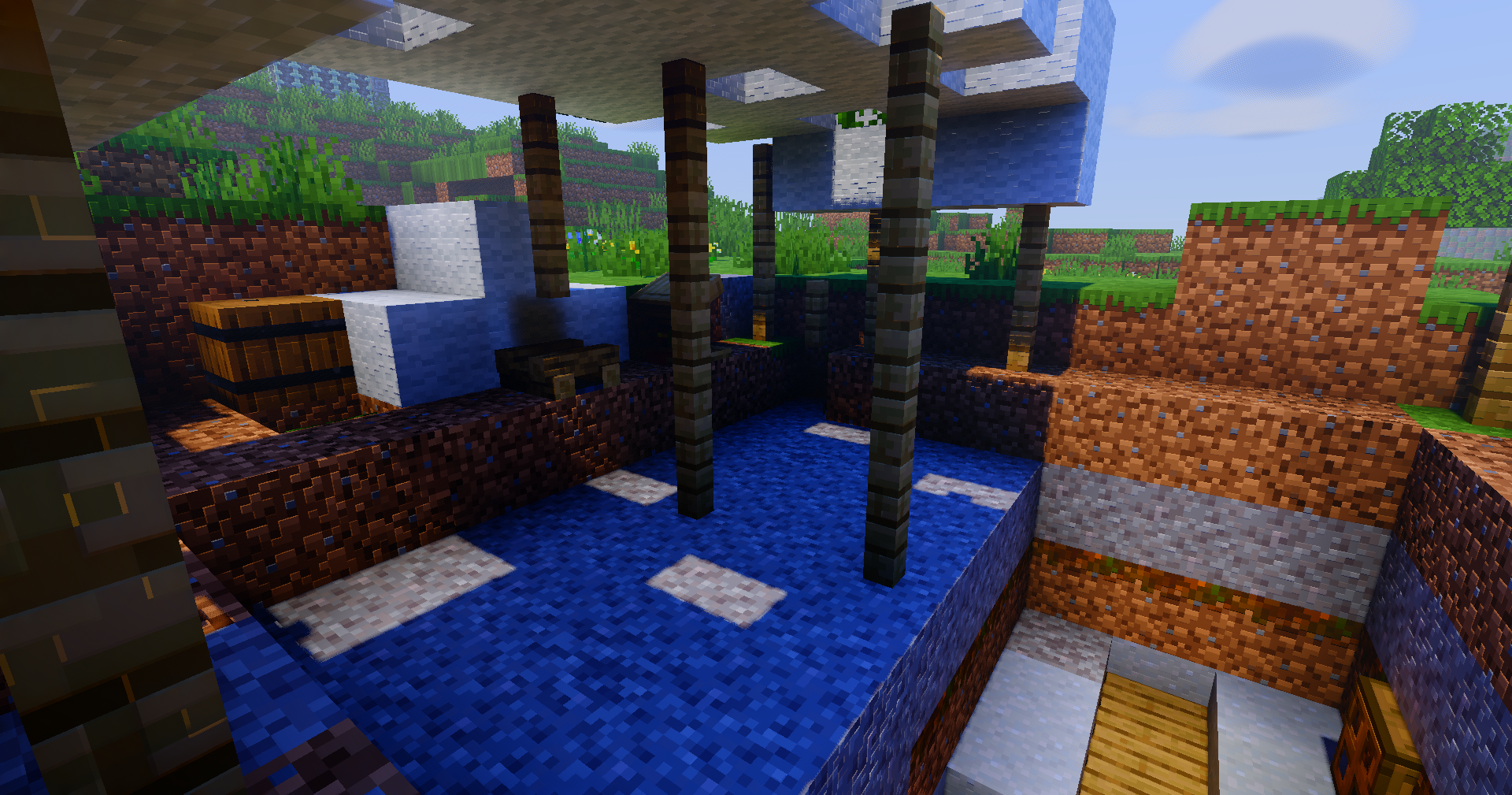
The trench. A field lab over the hole makes the work methodical. |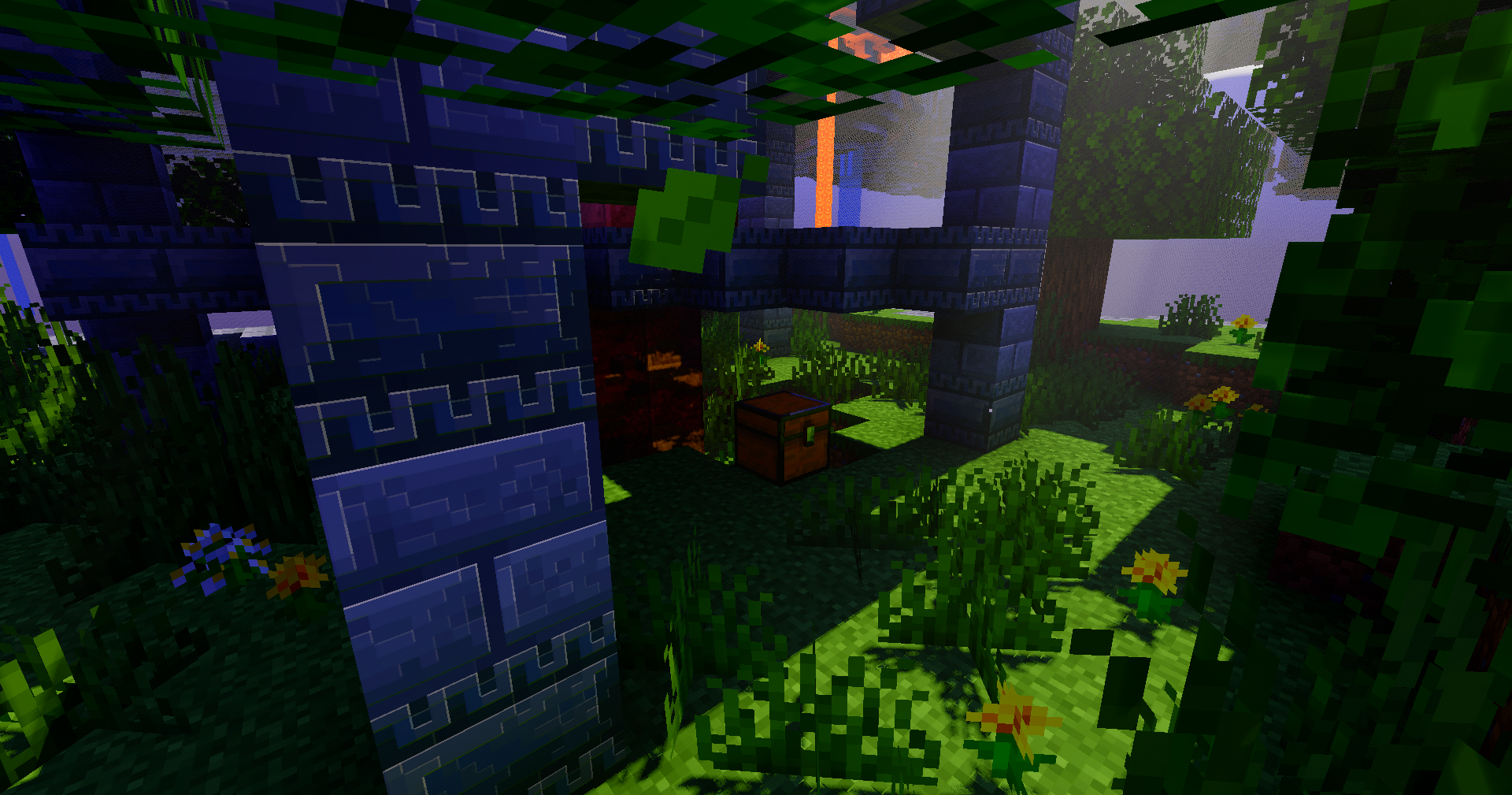
The writing. Unreadable until their bilingual tablet comes out of the ground. |
| 
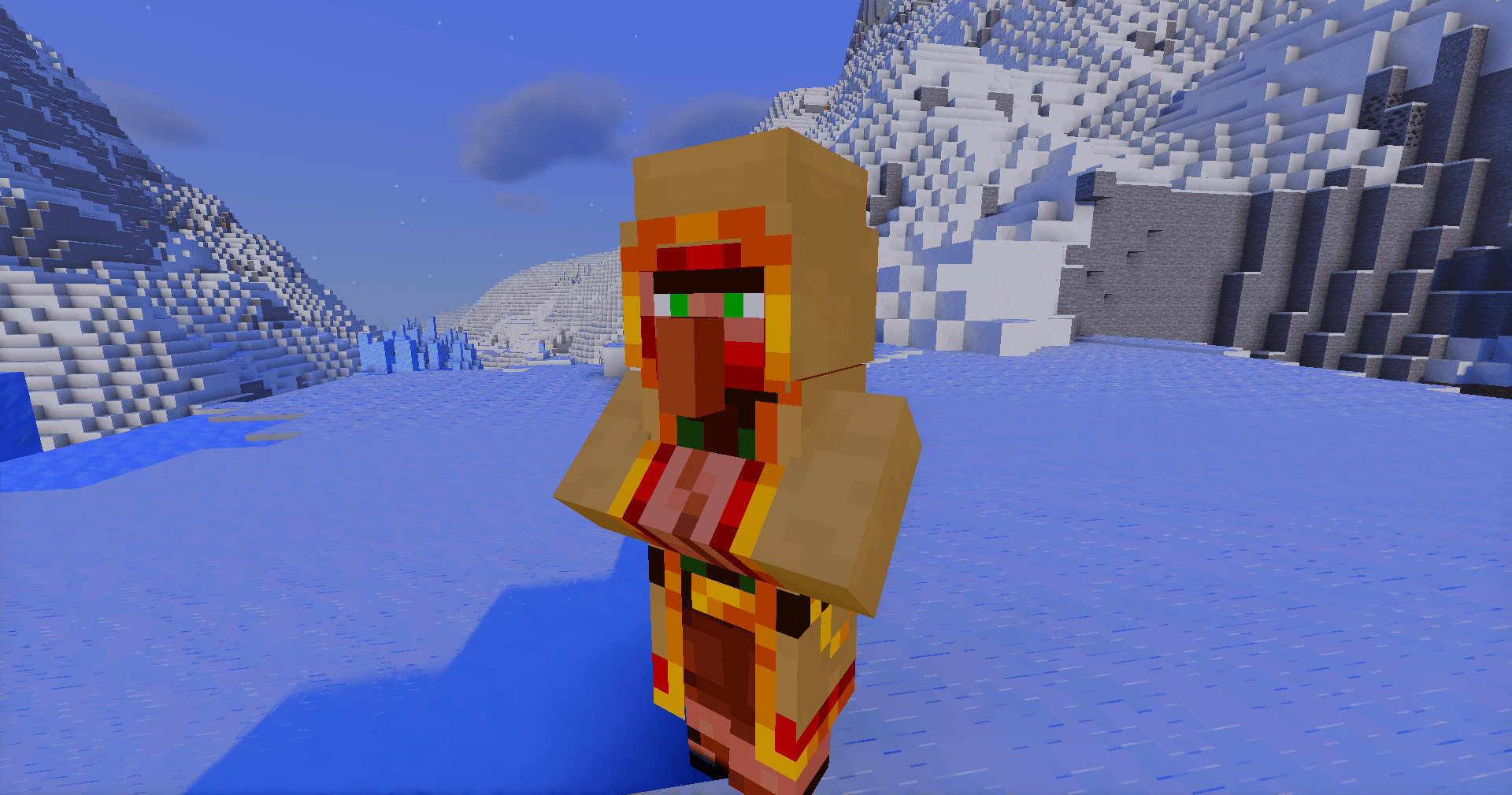
The Archivist. A person is the only thing that can honestly tell you where you are up to. |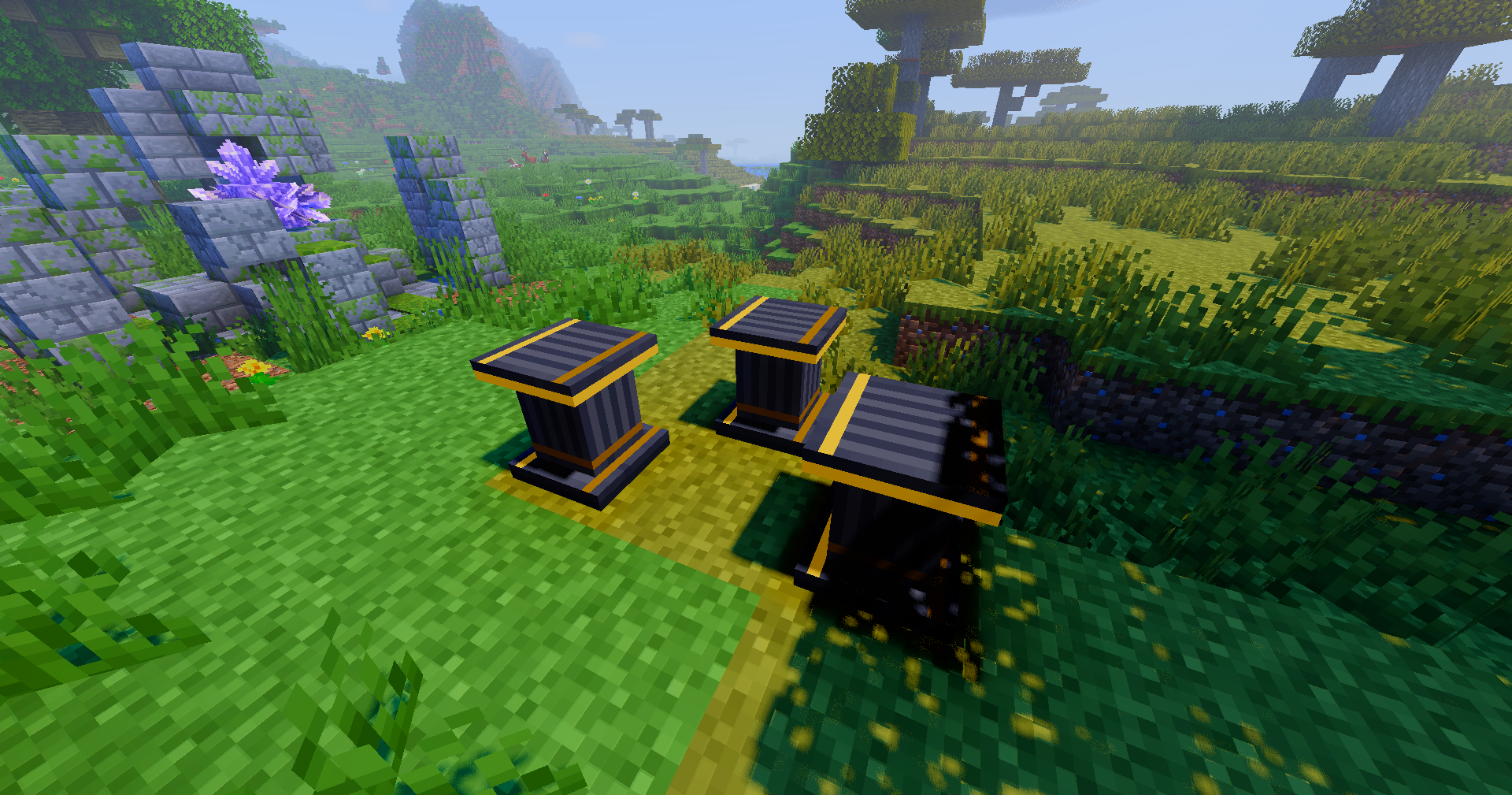
Relic pedestals. Crouch to read the card instead of lifting the piece out. |
What you actually do
Dig. Suspicious sand and gravel, in seven kinds of site. Five are in the overworld, one is in the Nether, one is out past the End islands. Fragile things break if you rush them. The mod shows you where the line is rather than forgiving you for crossing it, which is a distinction I care about more than is probably reasonable.
Keep the context. Every find gets stamped the moment it leaves the ground: which building, which layer, how deep, and whether anybody was working carefully. No coordinates. That's the one line I wouldn't cross — a provenance with an X and a Z in it turns every relic in a chest into a treasure map, and then the whole mod is just a map mod with extra steps. A beautiful object with no record is decoration, and the plaque in your museum will say so.
Learn to read. Every people wrote on their walls and you can't read a word of it. The key is a bilingual tablet, the same sentence in their hand and in one you already know, and it sits in the founding layer of their own ruins. Read it and their writing opens up everywhere, including the walls you already walked past without looking. Twenty-eight inscriptions.
Somewhere in those twenty-eight there's a thing nobody tells you about. No quest asks for it.
Restore. Three sherds and a lump of the right material on a restoration table. The material decides whose pot you get back, which matters more than it sounds.
Examine. A conservator's bench tells you the origin, the layer, and whether the thing is genuine. Nothing else in the mod will.
Deduce. Pin a relic, a sherd and one piece of physical evidence to an evidence board and commit to a reading. The same three slots ask two different questions — what these prove, and what order they happened in — and the board works out which one you're asking from what you pinned. Get a sequence wrong and the wrong claim is published under your name until you go back and correct it. Nothing gets eaten, nothing gets locked. A mistake you can't come back from isn't a punishment, its a dead end.
Open the sky. Take a relic to a waygate ring after dark and light the runes in order. Natyheim is up there: drifting islands, and seven sets of trials.
Finish it. Three tiers of arena per culture, then the Gate, then the Echo Sovereign. Seven phases, one per civilisation, and each fragment you fused into the Ancient Core shuts one of them up. Then it's dead and the ground is still moving. The last page is about that.
Write the book. This is the bit I'm proudest of. Prove all seven sequences and the convergence, bring a book and quill to the board, and it writes itself — a real vanilla written book, your name on it, dated, citing the finds it rests on. Copies at a lectern. Shelves in a chiselled bookshelf. Reads fine for somebody who doesn't have the mod installed. Everything else here lives inside a screen; this is the one thing you can hold.
The seven
| People | Where | What they left |
|---|---|---|
| Norse | taiga, plains, cold coasts | runestones, burial mounds, a sunken longship |
| Egyptian | desert, badlands | a small pyramid, a mummy chamber, a buried temple |
| Samurai | eastern forests, bamboo | an abandoned castle, a spirit shrine, bamboo ruins |
| Napoleonic | temperate Europe | fort ruins, a battlefield bunker, a headquarters |
| Mesopotamian | arid basins | a ziggurat, a tablet archive, a sandstorm gate |
| Ashkar | the Nether | a basalt hall with the forge still warm, a cinder quarry, the Ember Throne |
| Vael | the End | a spire with no stair, a walled chorus garden, the Last Geometry |
The Ashkar and the Vael aren't from this world. The mod doesn't pretend they are. They're what the echo found when it got out.
Nothing here is on a map
Seven ways to find things, and /locate isn't one of them.
Surface finds. Broken pot lying on the ground, thicker the closer you get to something buried. Walk with your eyes down. The sherds are worth almost nothing on their own; the trail is the payment.
Ancient roads. Old paving, most of it gone, some of it still there. Roads go somewhere. That's the whole appeal, honestly.
The alignment. Each people laid a chain of twelve survey stones along one bearing. Find two and you've got a line. Follow it far enough and there's a vault at the end that nothing in the game will ever point you to. The stones get taller as you go the right way. That's the only hint you get and I'm not sorry about it.
Village rumours. Ask a villager. About half of them know roughly where a findspot is and will give you a direction and a rough distance. The other half know a story instead. Which one a given villager knows never changes, so there's no point standing there asking twice.
Cargo manifests. Off wrecks. Each one lists goods and a destination the ship never reached. Read it, get a bearing to that people's nearest survey stone.
Their own walls. Once you've read all four inscriptions of one people, you know their formula well enough to notice that one of those lines is a direction. Their walls start pointing at their own buildings. This is the only lead in the mod you earn by reading instead of being handed by a tool.
The core auger. Different question. Once you're standing on a site it takes a sample without opening the ground and tells you which layer you're on and whether there's anything under this exact spot. The dowsing rod points across a landscape. This one points down.
Roughly
| Structures | 87 |
| Items | 228 |
| Blocks | 97 |
| Mobs | 22, including 7 culture masters and the Archivist |
| Bosses | the Echo Sovereign, plus 8 mini-bosses |
| Codex pages | 79 |
| Quests | 60, in six acts |
| Recipes | 212 |
| Inscriptions | 28, in seven scripts you have to learn |
| Dimensions | Natyheim, the trials, plus content in the Nether and the End |
| Languages | English and Turkish, both complete |
A few things I'd point at
You start with nothing. No kit, no title card, no wall of text in chat. One toast in the corner and then you're on your own. Handing somebody a starting inventory decides for them what they were going to go looking for, and that's the one decision this mod shouldn't make.
Chat stays clean. Anything that repeats goes to the action bar. Advancements pop a toast and that's the lot.
The evidence board is the thing everything else is built around. Being wrong in public costs you standing until you go back and fix it.
Patronage closes a door, which nothing else here does. Crouch empty-handed on the writing of a people you can already read and you take them up. Their walls stay legible to you without a lantern; everyone else's goes dark when the flame does. You hold exactly one. Moving costs standing and nothing else — no page revoked, no site un-closed.
Expertise never finishes. Every other ladder here ends: the callings stop at six rungs, the trials at the third tier, the boss at dead. This one counts genuine pieces you've properly examined, per people, forever. At the top their finds come out of the ground already read and you can date their work in the trench without touching the bench. An archaeologist doesn't finish, they get better.
Repatriation is the only work in here that produces nothing. A claimed relic can be handed back at an altar inside that people's own ruin. Not at your base, not at the wrong shrine, and there's no way to bank it. No item comes back. The whole of it is the walk there carrying something valuable you've decided not to keep.
Forgeries are made of information, not dice rolls. A fake somebody dug up has a field record. A fake somebody made has none. A dealer in that people's own things turns it over, finds nothing there, and word travels.
Charms are choices. Twenty-one of them. The seven master charms have no effect list at all: the Barrow Torc is brilliant in the dark and worthless at noon, the Forge Seal wants you on fire, and the Pale Lodestone does nothing whatsoever unless there's a long drop under your feet.
Six metals, six signatures. Not damage numbers. Bronze can't be slowed while you're working. Silver makes undead flinch. Star-metal never lands hard.
Puzzles are shuffled per structure. Rune orders, chime sequences, echo-tile walks. The same kind of ruin twice asks you two different questions.
Things happen while you're only walking. Rain pulls fresh scatter up over something buried, so a site you swept isn't finished forever. At night, inside a ruin, a line of light walks the ground and goes out and leaves one sherd where it stopped — with no text explaining it, because a sentence explaining that would be the mod narrating its own atmosphere. And a trench occasionally gives: a noise, dust, a bit of gravel. Nothing that can bury you. A world event that buries somebody in their own dig is a world event I switch off.
The Deeps are a warren. The halls are laid out so you can walk everywhere without a single door but can't see across the room. The thing down there hunts by sound, which only matters if there's something to hide behind.
Expeditions work between strangers. A building keeps a tally of trench work, bench work and wall reading, filled by anybody. Two or more people who never spoke can close it between them. No party, no leader, no invite.
Building blocks on day one. Seven masonry sets, stairs, slabs, walls, pillars, lamps, all craftable from vanilla materials from the start. Nobody wants a build mod they have to earn.
Requires
Grab the jar that matches your game version. They're built from the same source and they're the same mod. One file — nothing to install beyond the loader and, on Fabric, Fabric API.
| Game | Java | Fabric | NeoForge |
|---|---|---|---|
| 26.1.1 | 25 | Fabric Loader 0.19.3+, Fabric API 0.155.2 | NeoForge 26.1.1.15-beta |
| 26.1.2 | 25 | Fabric Loader 0.19.3+, Fabric API 0.155.2 | NeoForge 26.1.2.84 |
| 26.2 | 25 | Fabric Loader 0.19.3+, Fabric API 0.155.2 | NeoForge 26.2.0.35-beta |
| 1.21.1 | 21 | Fabric Loader 0.16.9+, Fabric API 0.116.14 | NeoForge 21.1.244 |
| 1.20.1 | 17 | Fabric Loader 0.14.25+, Fabric API 0.92.11 | Forge 47.4.5 |
On 1.20.1 MinecraftForge and NeoForge are still one project, so natyheim-forge-1.20.1 is the file a NeoForge 1.20.1 player wants. There's no seperate download because there'd be nothing different in it.
Known rough edges
I'd rather say these than have you find them.
The older versions lose two presentational things because the game has nowhere to put them: on 1.21.1 the Natyheim dimension borrows the overworld's sky and fog palette (1.21.1 picks those from a fixed list and a datapack can't supply its own), and a few vanilla decorations that came later — pale garden, firefly bushes, wildflowers — just aren't in the biomes that scatter them.
1.20.1 is the newest port and the roughest. Both loaders build a complete jar. The two music discs don't play, four bosses are their model's size rather than scaled, and three sounds are the nearest equivalent instead of the real thing.
Everything on 26.x is what I've actually played.
Licence
MIT. Take what's useful.
Natyheim: The Past Team


Owner