


Thermal Tweaks – Dynamic Temperature Survival
- By

Curse Maven Snippet
What's new
❄️🔥 Thermal Tweaks – Dynamic Temperature & Severe Weather Survival
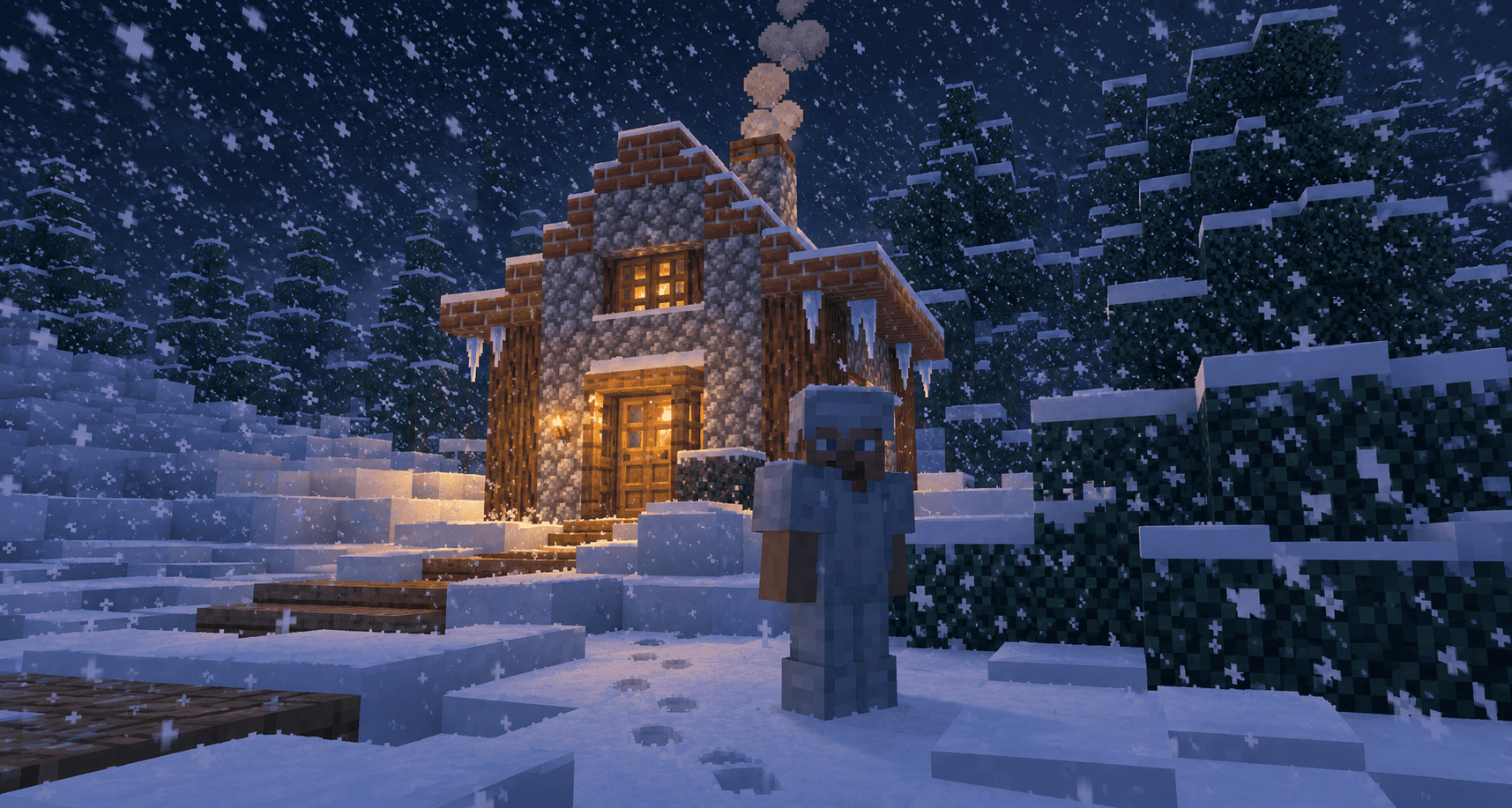
Thermal Tweaks turns temperature, shelter, wind, and biome-specific disasters into connected survival systems for Minecraft Forge 1.20.1.
Read changing conditions through the HUD and weather tools, prepare equipment for the climate, build shelters that react to wind and smoke, and survive a world reshaped by snowstorms, sandstorms, hurricanes, hail, avalanches, and cave-ins. Every major system is configurable and designed around clear warnings, useful counterplay, persistent consequences, and bounded server work.
📦 Requirements
- Minecraft 1.20.1
- Forge 47.1.0 or newer for Minecraft 1.20.1
- Java 17
- Install on both the client and server
🌡️ Dynamic Body Temperature
Body temperature changes gradually and responds to the world instead of switching instantly between safe and dangerous states.
- Biome climate, altitude, dimension, time of day, rain, and severe weather
- Sunlight, shade, wetness, nearby water, and shelter exposure
- Lit heat sources, cold blocks, armor, insulation, clothing, and consumables
- Snowstorm wind chill and sandstorm heat
Cold and Heat Consequences
- Cold causes slowing, mining fatigue, three-stage frostbite, and eventually freezing damage.
- Heat causes weakness, mining fatigue, and eventually heat damage.
- Remaining at or above 40°C for three continuous minutes builds heat stress and causes dizziness until the player cools down.
- Configurable grace periods prevent lethal effects from starting the moment a threshold is crossed.
The HUD reports body temperature, local air temperature, wind, shelter, storm phase, forecasts, frostbite, and dust exposure. The Thermometer and /temperature provide detailed readings.
🏠 Shelter, Heat, and Air Quality
- Campfires, active furnaces, fire, lava, and tagged strong heat sources create heated safe areas.
- Torches, lanterns, and other tagged heat sources add distance-weighted warmth.
- Ice, snow, powder snow, and water cool their surroundings.
- Blocks with a vanilla-style
litproperty provide heat only while lit. - Roofs and enclosed rooms protect against weather, while windward walls and terrain block directional wind.
- Hurricane shelter checks trace feet, torso, and head-height paths; a complete wall between the wind and player blocks direct hurricane push.
Campfire Smoke
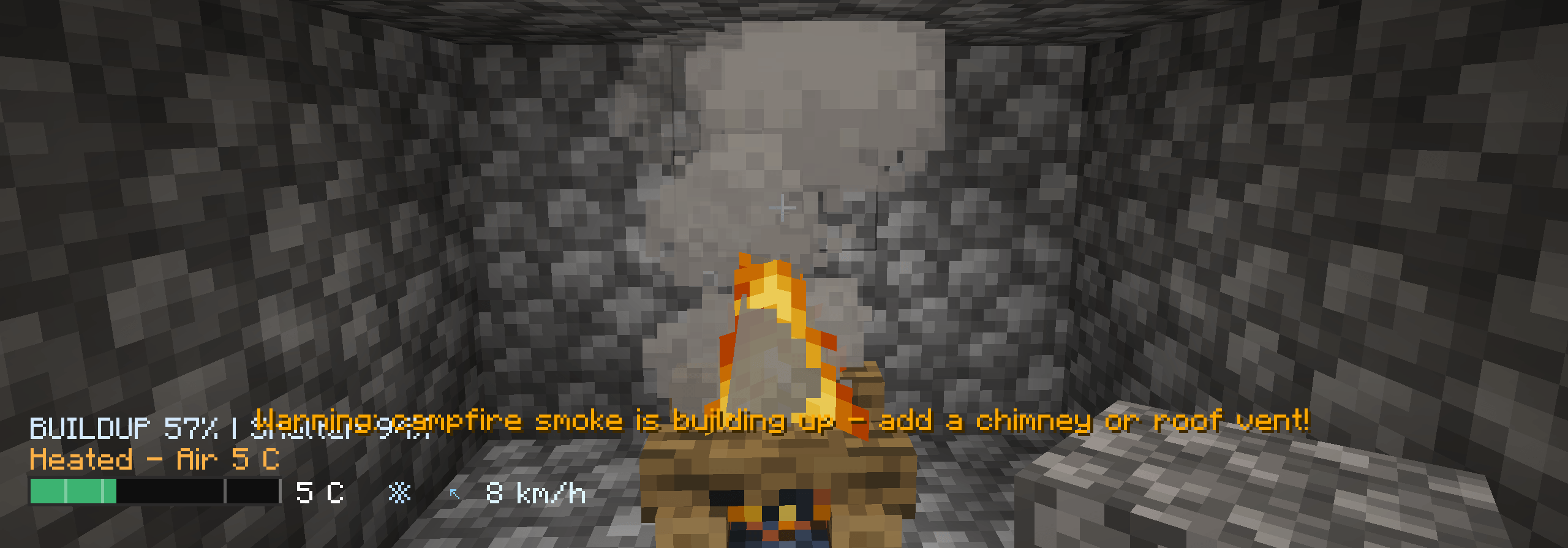
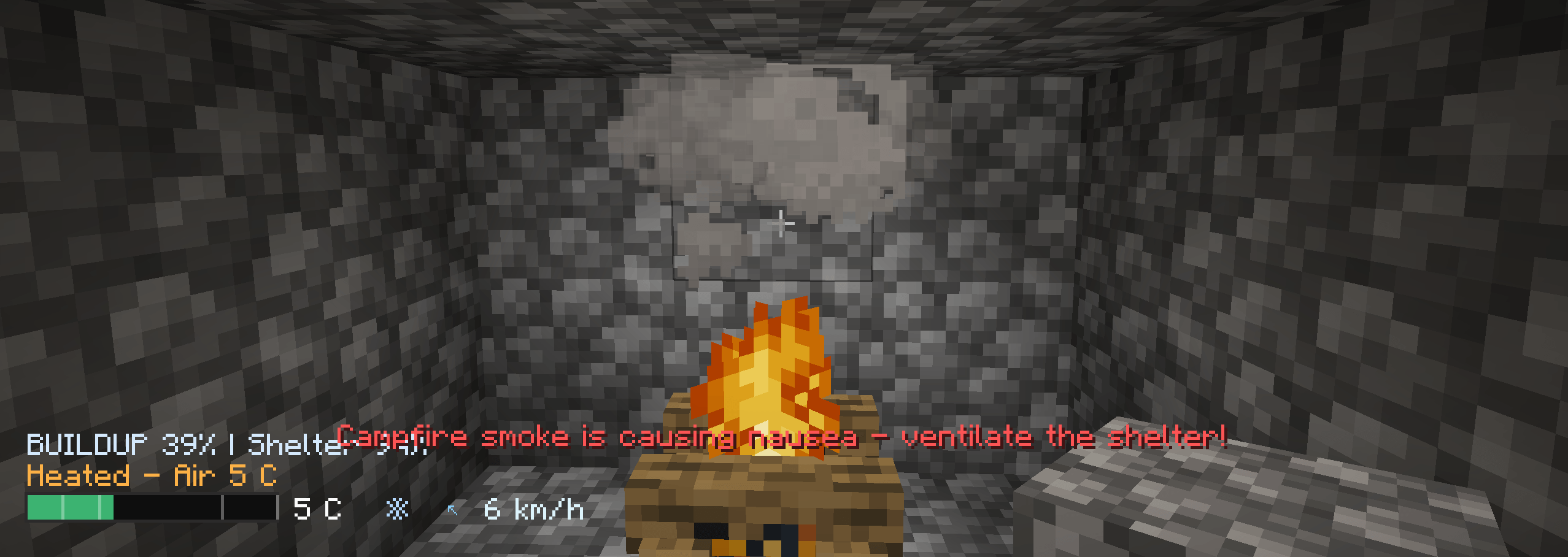
A lit campfire in a sealed shelter produces trapped smoke during all weather. Warning messages explain the cause before nausea and blindness become serious. Add a vertical chimney or roof vent, extinguish the campfire, or move into fresh air.
🌦️ Severe Weather Across the World
Weather is no longer limited to one biome type. Different regions have distinct dangers, survival responses, physical effects, and aftermath:
- Cold and snowy regions: evolving snowstorms, frostbite, thin ice, icicles, deep snow, and extreme wind.
- Deserts and badlands: multi-phase sandstorms, dust exposure, dunes, jammed mechanisms, dust devils, and Sandbound enemies.
- Warm coastal regions: hurricanes with physical wind, rough-water drift, heavy rain, and lightning.
- Temperate and cold regions: damaging hailstorms with roof and helmet protection.
- Cold mountain slopes: physical avalanches made from simultaneous moving snow blocks.
- Deep caverns: genuine ceiling collapses with falling rubble and persistent debris.
🌨️ Snowstorm 2.0

Snowstorms progress through four synchronized phases:
- Approaching: pressure falls and the Storm Barometer provides advance warning.
- Buildup: cold, wind, visibility loss, and snow accumulation intensify.
- Whiteout: wind chill, frostbite, deep snow, thin ice, hazards, and extreme gusts peak.
- Clearing: conditions weaken and the persistent winter aftermath begins recovering.
Winter Terrain and Hazards
- Dense accumulation runs within five chunks while a rotating scheduler covers loaded terrain out to ten chunks.
- Wind creates uneven drifts, tracks, deep-snow slowdown, and hidden powder-snow traps.
- Storm-frozen water creates thin ice that can crack; crouching and Snowshoes improve safety.
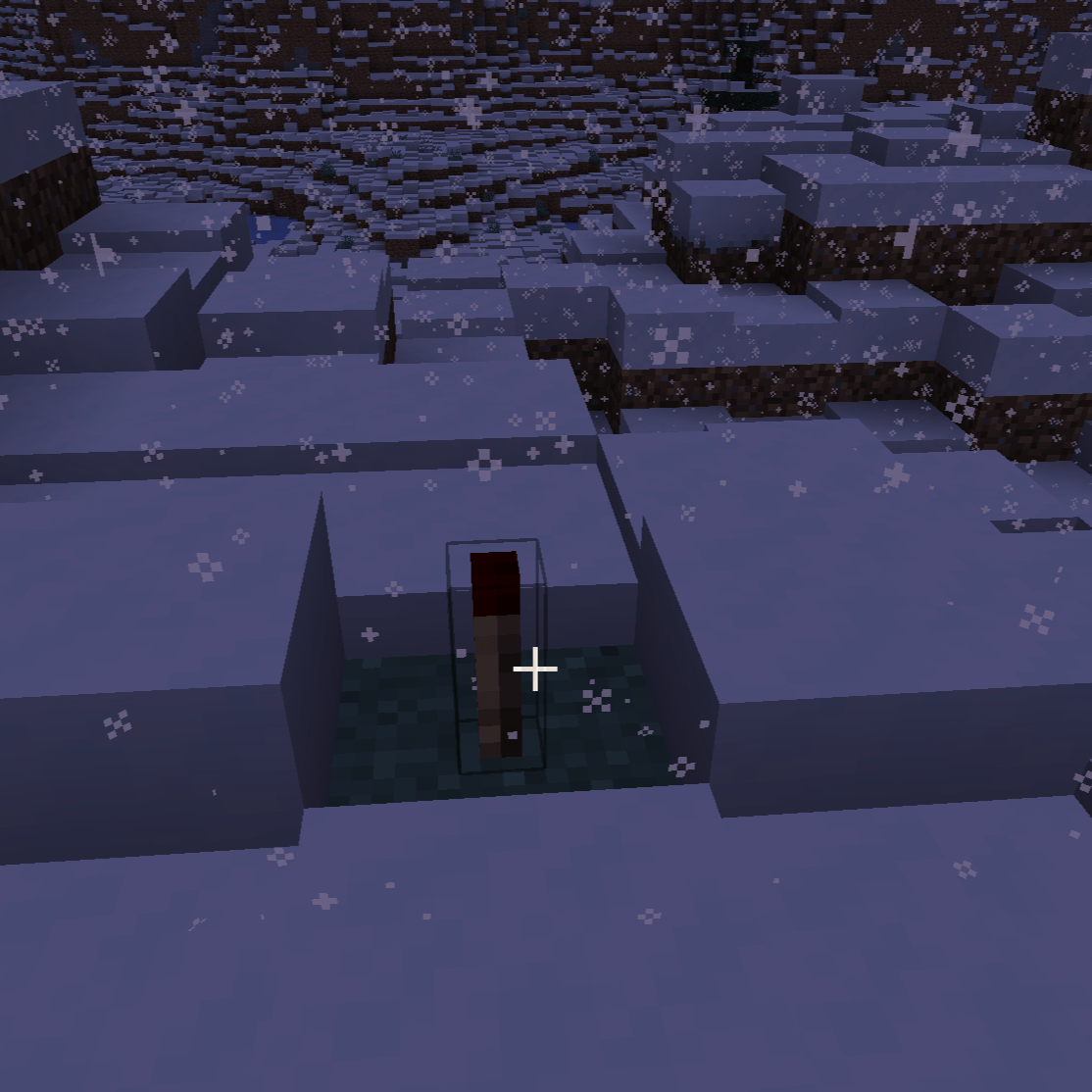
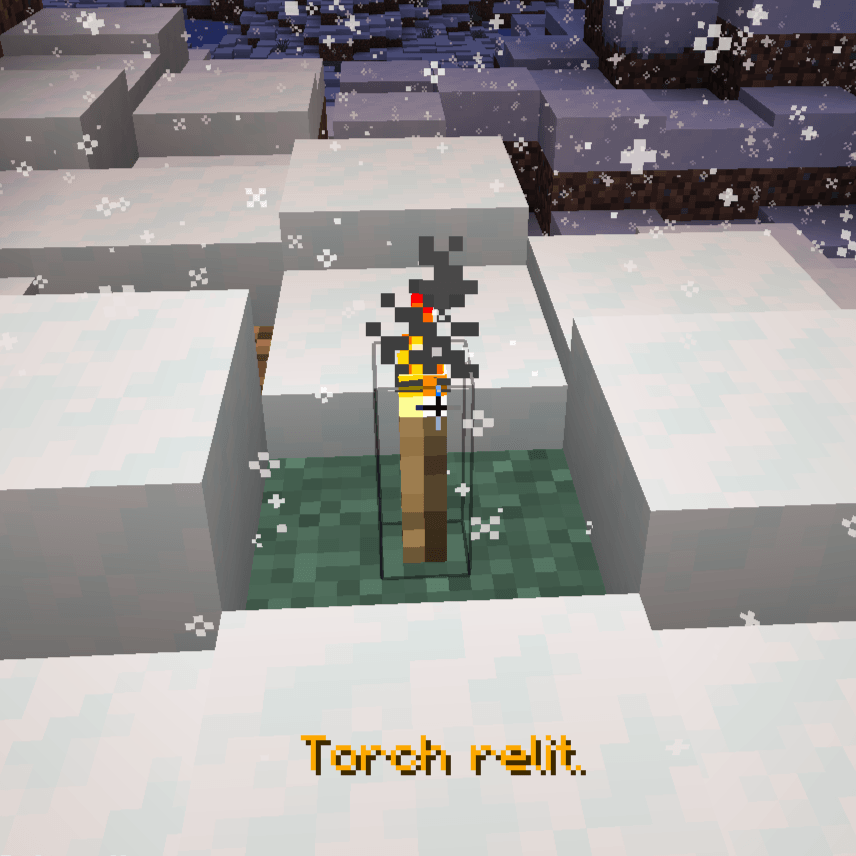
- Exposed torches become visible extinguished torches and can be relit with Flint and Steel or Fire Charges.
- Doors, trapdoors, gates, containers, switches, farmland, paths, rails, and glass can frost over.
- Open chimneys can clog, fragile roofs can fail under snow, and frozen farmland pauses crop growth.
Frostbite and Winter Creatures
- Three frostbite stages add progressively stronger movement, mining, and weakness penalties.
- Heat and shelter allow gradual recovery.
- Villagers seek beds, animals huddle, wolves and foxes seek heat, and skeletons can become strays.
- Rare Frostbound Zombies appear during severe whiteouts.
🧊 Dynamic Icicles
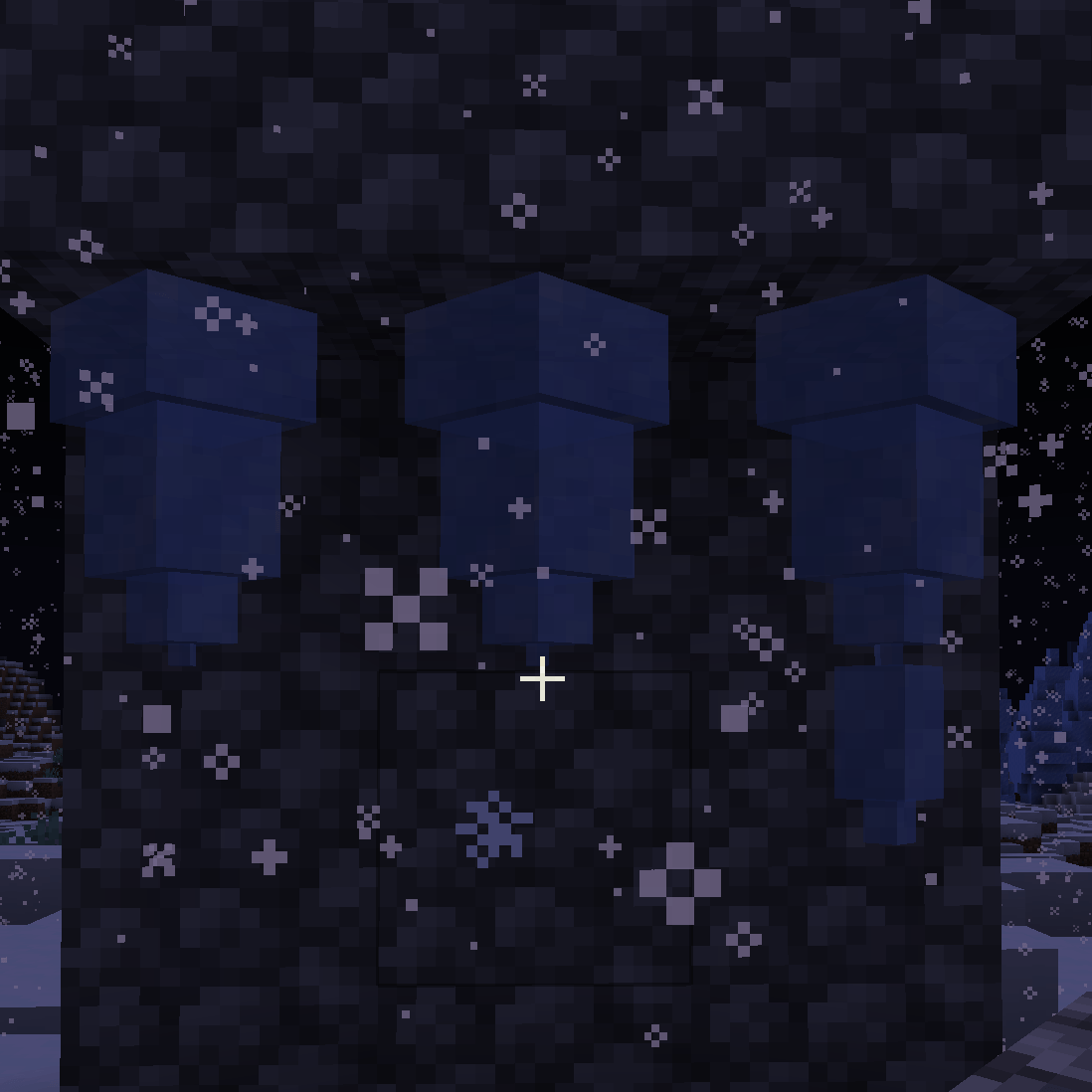
- Four visible stages use tapered, translucent models.
- Mature icicles form hanging chains, drip, sparkle, and fall for damage.
- Natural formation avoids shelters, leaf cover, and active campfires.
- Collected icicles can be used as decoration.
🌱 Persistent Winter Aftermath
Only snow and ice placed by the storm are recorded. Natural terrain is not selected for automated thawing.
- Ownership records survive saving and reloading.
- Snow melts one layer at a time over approximately five Minecraft days by default.
- Location-based staggering prevents the entire landscape from clearing simultaneously.
- Sunlight, heat, and runtime thaw-speed commands affect existing records.
- Melting can create temporary wet, slippery ground.
🏜️ Sandstorm 2.0
Sandstorms are complete desert survival events with four readable stages:
- Dry Wind: the Storm Barometer and HUD warn that a dust front is approaching.
- Dust Front: wind, heat, particles, and dust exposure rapidly increase.
- Blackout: visibility reaches its minimum while dunes, dust devils, jams, and enemies peak.
- Settling: wind and dust weaken while storm-created terrain begins clearing.
Dust Exposure and Protection
- Persistent dust exposure builds only while the player is exposed to blowing sand.
- Increasing exposure causes mining, movement, vision, and weakness penalties.
- Shelter and clear weather gradually remove exposure.
- Dust Veils, Snow Goggles, Desert Hoods, desert clothing, and Sandstorm Charms provide different protection levels.
Desert Terrain, Hazards, and Progression
- Bounded thin sand layers form wind-shaped dunes behind obstacles without loading distant chunks.
- Only storm-created sand is recorded, survives reloads, and gradually settles away.
- Doors, trapdoors, gates, buttons, levers, chests, and barrels can jam; a shovel clears them.
- Rare moving dust devils spiral through blackouts, push entities, and briefly blind targets.
- Some zombies become husks, while rare Sandbound Husks gain stronger attributes and dust-burst attacks.
- Sandbound Husks drop Desiccated Cores used to craft protective Sandstorm Charms.
🌪️ Hurricanes
- Occur naturally around eligible warm coastal terrain or can be forced for testing.
- Heavy rain, synchronized physical wind, cloud and splash effects, wind audio, and rare lightning.
- Players, mobs, dropped items, boats, and other exposed entities can be carried by the wind.
- Water increases drift strength, making exposed coastlines and open water more dangerous.
- Multi-height windward ray checks recognize walls, panes, fences, terrain, and intervening blocks as cover.
🌨️ Hailstorms
- Visible hail particles and impact sounds make the hazard immediately recognizable.
- Exposed players take configurable impact damage.
- A solid roof provides complete protection.
- Wearing any helmet reduces hail damage by 75%.
🏔️ Physical Avalanches
- Natural events require a cold mountain and a sufficiently steep uphill slope.
- Forced testing also works on flat terrain.
- Each event releases one simultaneous irregular curved fan of 7–20 real snow-block entities.
- The wave varies its width, distance, height, speed, and outward drift instead of forming a line or square.
- Moving blocks travel downhill, damage entities, collapse loose snow beneath players, and pull exposed players down the slope.
- Blocks never drop Powder Snow Buckets; landed avalanche snow is converted into tracked layers and gradually thaws.
⛏️ Genuine Cave-Ins
- Occur only in deep underground areas beneath natural Overworld base stone.
- Warning rumbles and ceiling dust signal instability.
- Clustered natural ceiling blocks genuinely break loose and open holes overhead.
- Falling cobblestone, cobbled deepslate, tuff, and gravel damage entities and remain as rubble.
- Cluster size, interval, block changes, and the strict per-event collapse limit are configurable.
💨 Shared Wind and Extreme Gusts
- Player drift scales continuously with speed, exposure, shelter, crouching, water, and equipment.
- Airborne players are easier to carry.
- Exposed mobs, items, boats, and minecarts can be pushed.
- Rare extreme gusts redistribute storm-owned snow and can topple valid natural trees downwind.
- Tall spruce trunks and wide spruce canopies are supported.
- Player-placed logs and leaves are remembered and protected.
- Obstructed fallen-tree sections drop safely instead of overwriting builds.
Fast streaks, spindrift, wind howls, camera buffeting, action-bar advice, and HUD warnings make dangerous wind easy to recognize.
🎒 Survival Equipment and Consumables
Weather and Temperature Tools
- Thermometer: reports ambient temperature, body temperature, and heated-shelter status.
- Storm Barometer: forecasts snowstorms and sandstorms and reports active phases.

Cold-Weather Equipment
- Fur Armor: a four-piece insulating set crafted from Feathers.
- Snow Goggles: reduce whiteout fog, tint, and particles.
- Snowshoes: reduce deep-snow drag, wind drift, track depth, and thin-ice danger.
- Reusable Hand Warmer: provides portable warmth.
- Insulated Bedroll: grants warmth when used beneath a roof or behind a windbreak.
- Fur Lining Kit: permanently adds insulation to an equipped chestplate.
Hot-Climate Equipment
- Desert Clothing: reduces dangerous heat buildup.
- Dust Veil: strongly reduces sandstorm dust exposure.
- Sandstorm Charm: reduces sandstorm heat and dust buildup when carried.
Drinks
- Warm Tea: smelt prepared Tea for portable warmth.
- Hot Potion: combine Warm Tea and Blaze Powder for a stronger warming effect.
- Iced Tea: combine Tea and a Snowball for cooling in hot environments.


🗺️ World Features
- Datapack-driven hot springs provide natural warm locations.
- Datapack-driven icebergs expand cold-region exploration.
- Heat, cold, strong heat, and sandstorm biome tags can be extended by modpacks.
🆕 Latest Release: 2.4.0 – Regional Hazards
- Added save-safe cave-ins, hurricanes, hailstorms, and avalanches with natural conditions and testing commands.
- Added sustained heat stress and dizziness after three continuous minutes at 40°C by default.
- Improved hurricane shelter detection so complete windward walls block direct pushing.
- Rebuilt avalanches as one simultaneous irregular wave of up to 20 non-dropping snow blocks.
- Rebuilt cave-ins as genuine clustered ceiling collapses with damaging persistent rubble.
- All regional hazards share the adaptive operation budget and watchdog protection.
⌨️ Commands
/temperature
/snowstorm start|stop|status
/sandstorm start [seconds]
/sandstorm forecast [seconds]
/sandstorm stop|status

/hazard start cavein [seconds]
/hazard start hurricane [seconds]
/hazard start hailstorm [seconds]
/hazard start avalanche [seconds]
/hazard stop cavein|hurricane|hailstorm|avalanche|all
/hazard status

/cavein start|stop|status
/hurricane start|stop|status
/hailstorm start|stop|status
/avalanche start|stop|status

/wind set <kmh>
/wind extreme
/wind status
/wind treechance <0-100>
/wind treechance status|reset

/thawing status
/thawing increase|decrease|reset
/thawing speed <0.1-10.0>
Snowstorm, sandstorm, and wind controls are also available beneath /ttemp.
⚙️ Performance and Configuration
Forge creates config/thermaltweaks-common.toml. Temperature thresholds, heat-stress duration, storm frequency, forecasts, wind, terrain changes, damage, equipment, visuals, mob behavior, aftermath timing, and performance limits are configurable.
- Per-level operation budgets shared by snowstorms, sandstorms, and regional hazards
- Adaptive load scaling and automatic cooldown protection during slow ticks
- Rotating player and chunk schedulers instead of full-area work every tick
- Fixed entity, terrain, avalanche, and cave-in limits
- Cached temperature, heat-source, shelter, and windward obstruction checks
- No forced chunk loading for distant accumulation or hazards
- A watchdog that identifies the active weather stage if a server tick stalls
Datapacks can extend:
#thermaltweaks:heat_sources#thermaltweaks:strong_heat_sources#thermaltweaks:cold_sources#thermaltweaks:sandstorm_biomes
Thermal Tweaks is built for players who want readable climate survival, useful shelters, dangerous regional weather, meaningful preparation, and a world that visibly changes—and eventually recovers—after severe events.
Author: Funnybuble
Thanks to the Forge community and everyone who tested the temperature and weather systems.
All Relations
- All Relations
- Embedded Library
- Optional Dependency
- Required Dependency
- Tool
- Incompatible
- Include
This mod has no related projects