Dress Code
- By
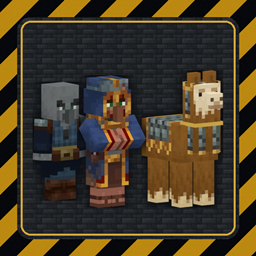
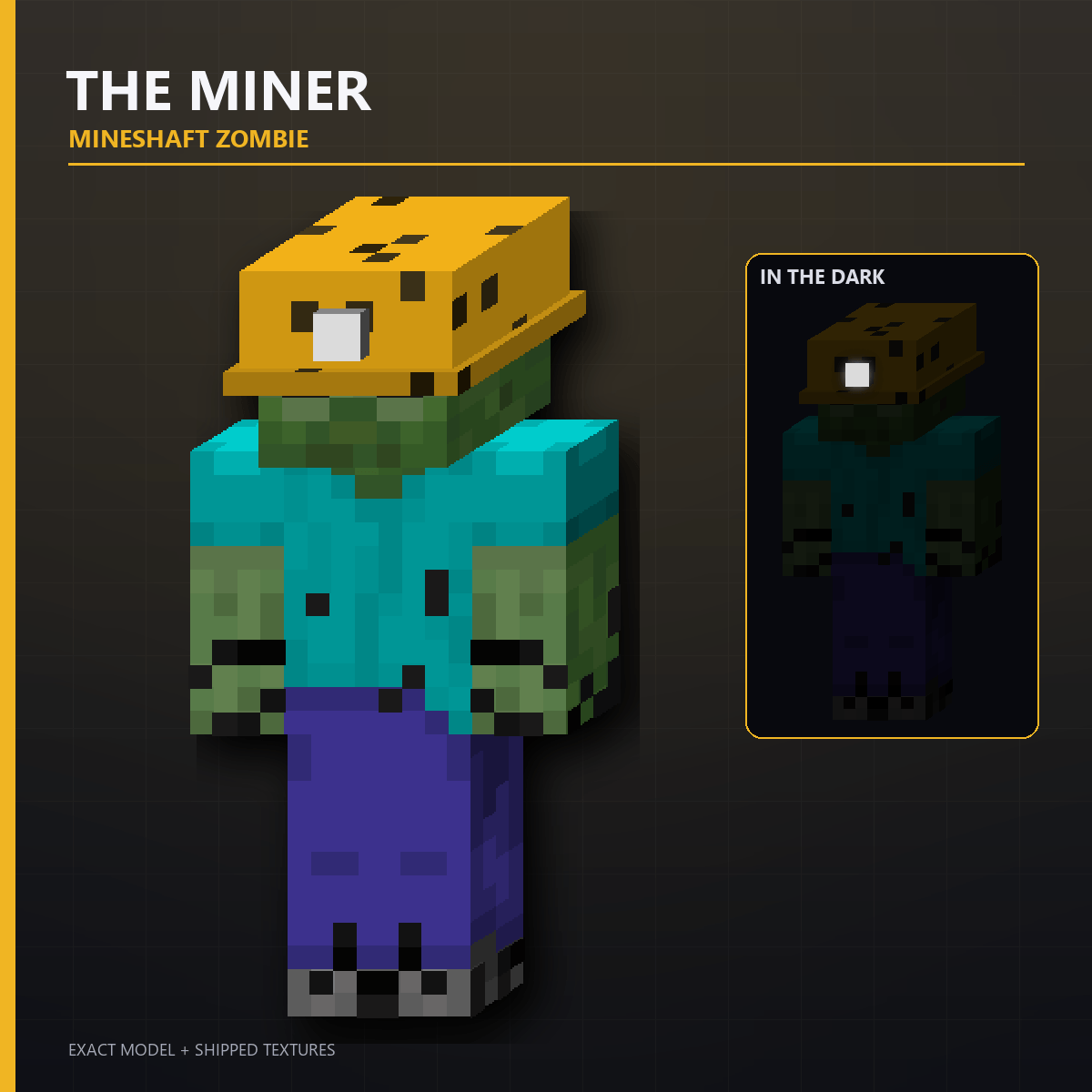
Mobs dress for where they spawned. A zombie from a mineshaft wears a hard hat and glowing lamp. Purely cosmetic.
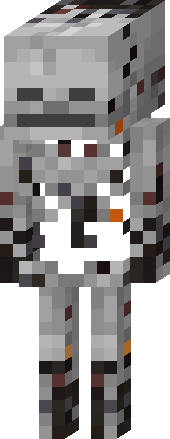
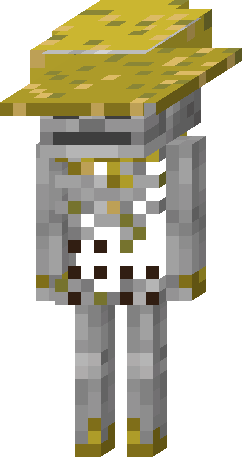
village.png


frozen.png
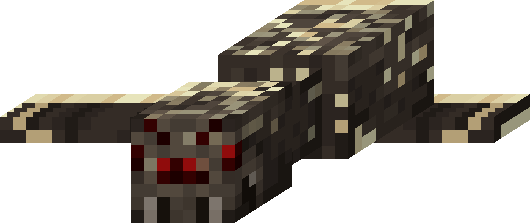
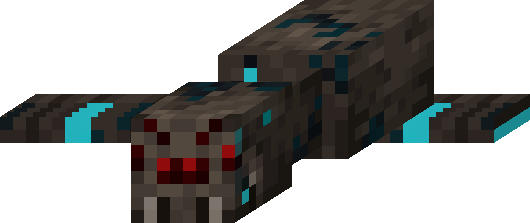
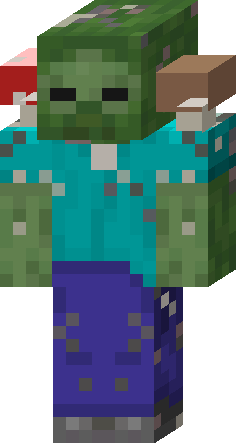
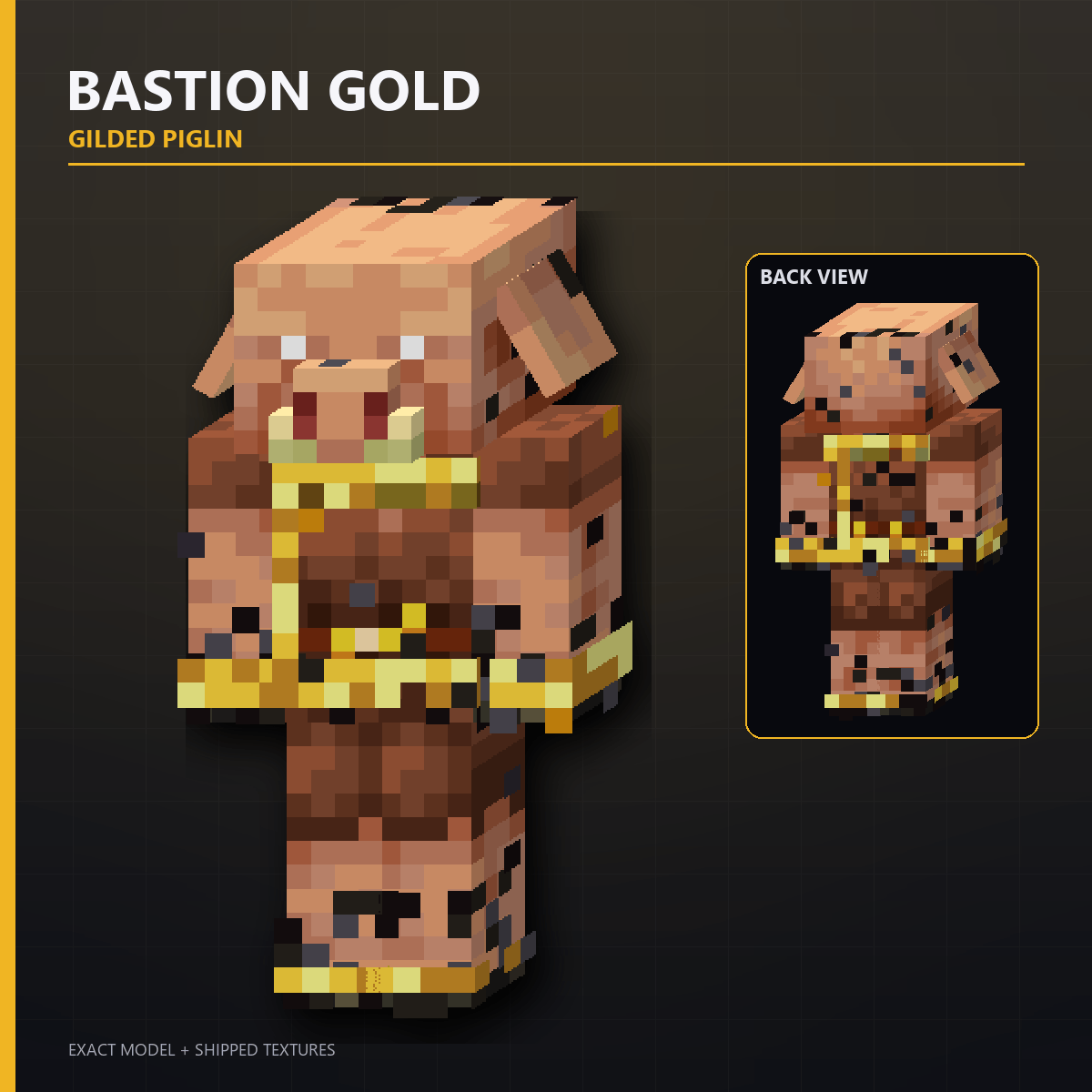
Description
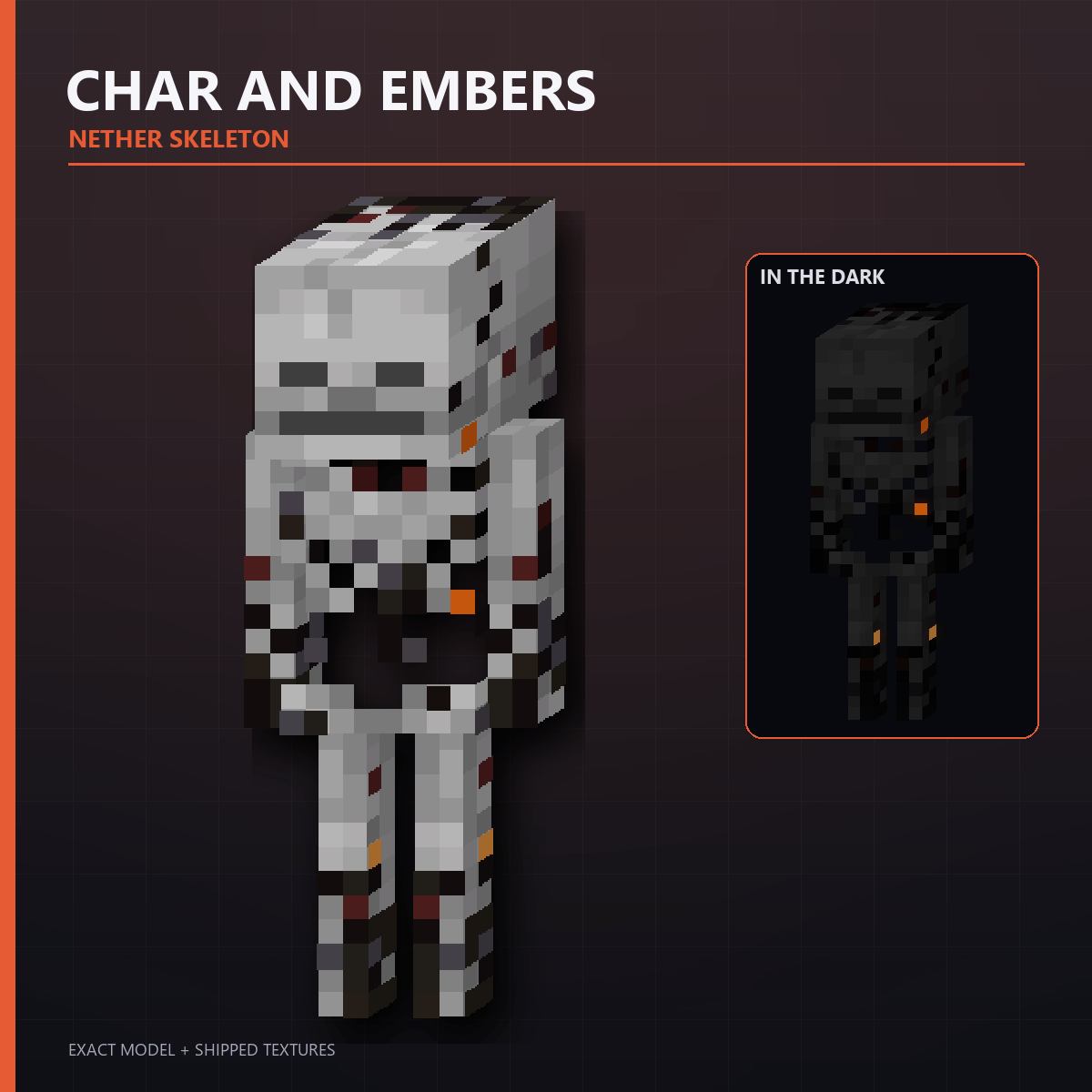
Vanilla already does this in a few places: deserts have husks, snowy biomes have strays, and swamps have bogged. Dress Code carries that idea through the rest of the world.
What you will see
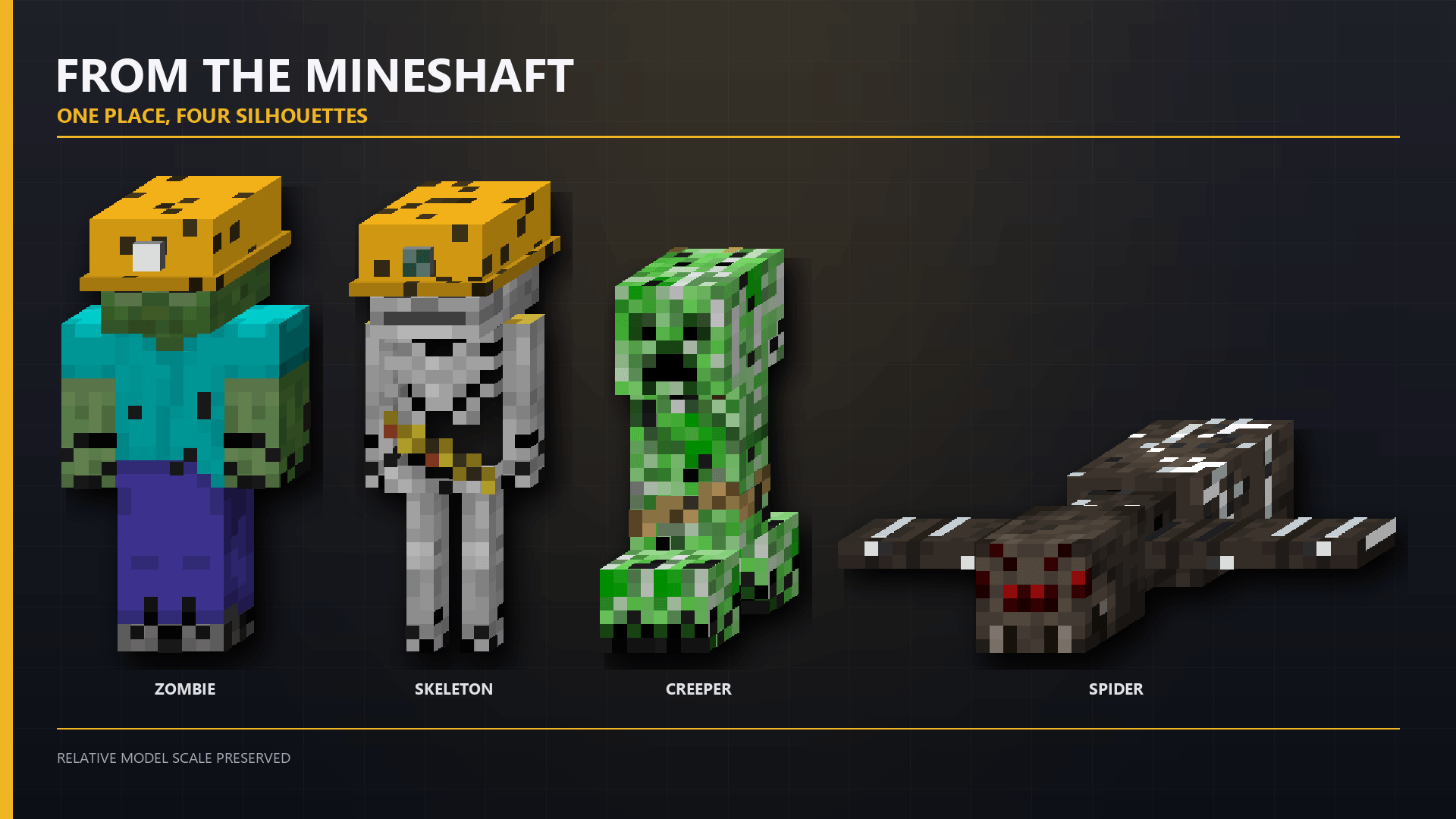
- A real 3D miner helmet with a glowing lamp. The zombie's lamp shines in the dark; the skeleton beside it wears a dead, cracked lens.
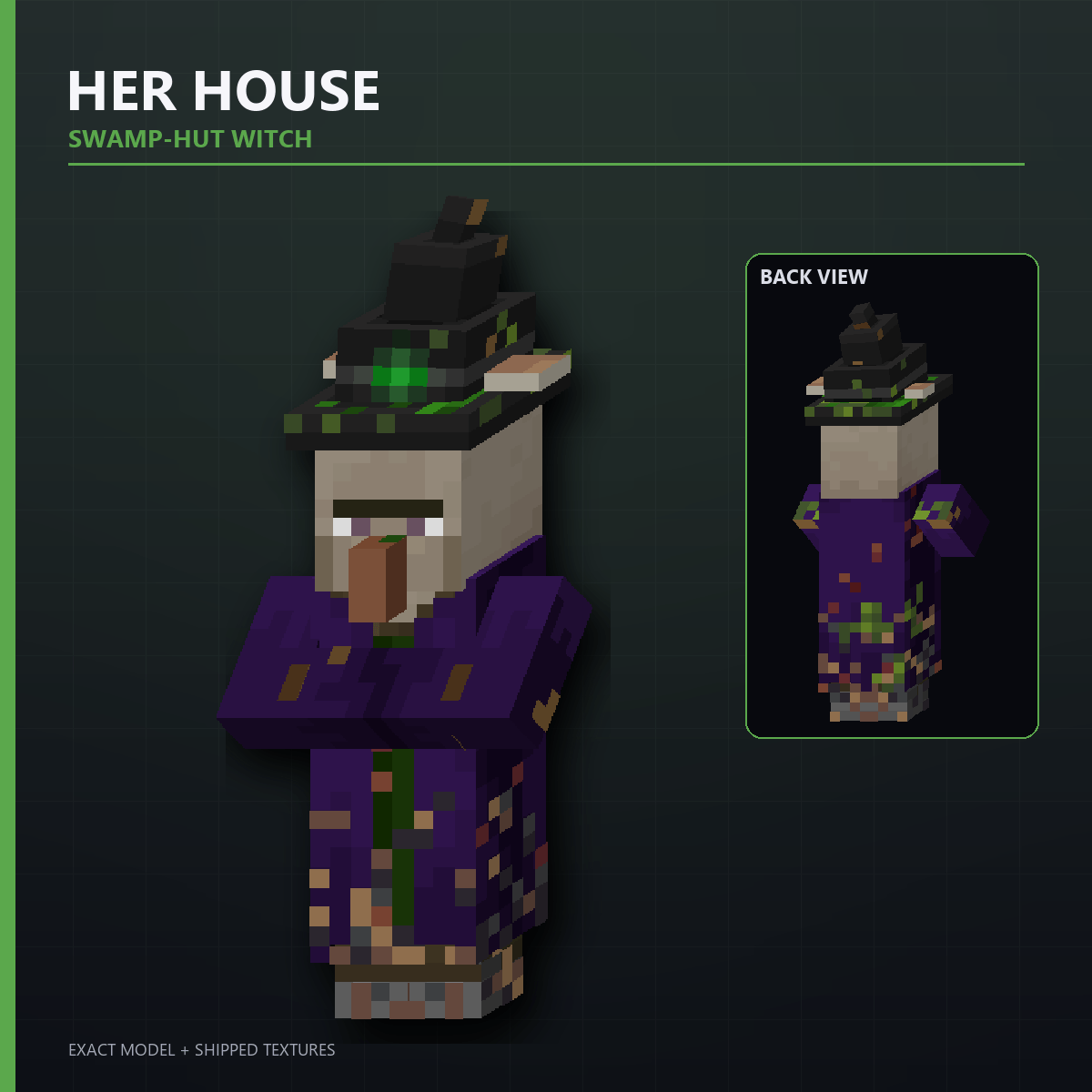
- Seventeen places: mineshafts, villages, strongholds, trial chambers, ocean ruins, the Nether, the deep dark, lush caves, deserts, frozen biomes, jungles, mushroom fields, deepslate depths, swamp huts, pillager outposts, bastions, and woodland mansions.
- Fourteen mobs: zombies, skeletons, creepers, spiders, cave spiders, zombie villagers, endermen, slimes, witches, pillagers, piglins, vindicators, evokers, and ravagers.
- Endermen stay endermen. Their overlays are deliberately restrained so their black silhouette and purple eyes still read clearly across a cave.
Each side is optional
- Installed on the server and client: the server records where mobs spawned and the client draws their outfits.
- Server only: vanilla clients can join normally; they simply see ordinary mobs.
- Client only: vanilla servers work normally; without server-side spawn records, the client has nothing to draw.
Data packs, configuration, and commands
The context table is data-driven. Data packs can add places, replace shipped rules, or remove them, and /reload applies the new table without restarting the game.
Client and server configuration can disable all stamping, all overlays, emissive details, or individual contexts.
/dresscode inspect— explains what a mob is wearing./dresscode contexts— lists the loaded context rules./dresscode dress— manually applies an outfit for testing or displays.
Compatibility and requirements
- Minecraft: 1.21.1
- Mod loaders: NeoForge, Forge, and Fabric
- Fabric: Fabric API is required
- NeoForge and Forge: no additional library dependency
- Java: Java 21
Dress Code: mobs dress for where they spawned.
Dress Code Team

Owner