Create: Sulfuric Resonance
- By
Build an entire thermochemical industry with Create — generate and transmit heat, harness sulfur chemistry and sulfuric acid, process advanced resonant materials, and automate increasingly complex industrial systems.
Description
Create: Sulfuric Resonance
Known Incompatibilities
Create: Bits 'n' Bobs
Create: Bits 'n' Bobs is currently incompatible with CSR's Thermochemical Cogwheels. Its cogwheel asset replacement causes CSR's cogwheels to render incorrectly.
Bits 'n' Bobs reports the following during startup:
Bits 'n' bobs is replacing assets inside Create: Design n' Decor with ones using the default cogwheel model instead of the modified cogwheel model, this may cause some visual inconsitency!
Until compatibility is added, disable Create: Bits 'n' Bobs when using CSR.
0.5.0 — Afterburn
Create: Sulfuric Resonance, or CSR, is a NeoForge addon for Create built around thermochemical heat, sulfur chemistry, advanced materials, resonance processing, and factory automation.
Create has heat, but outside of heating recipes there is not much you can actually do with it. CSR turns it into something you can build a factory around: generate it, move it through dedicated infrastructure, combine it with rotation and chemistry, monitor it, interrupt it, and feed it into more advanced machinery.
I try to keep CSR feeling like part of Create rather than a separate tech mod sitting next to it. Shafts, Funnels, Mechanical Arms, pipes, redstone, Wrenches, Engineer's Goggles, Ponder, and physical factory layouts are used wherever they make sense.
Not every recipe or interaction is listed here on purpose.
Ponder, advancements, JEI/EMI, and experimenting with the machines are part of learning the mod.
Current Update — Afterburn
0.5.0 — Afterburn is focused less on adding a huge number of new systems and more on pushing CSR's thermochemical identity further while polishing what was left rough around the edges in 0.4.1.
The update answers two questions:
"How do I store my heat for later use?" along with "Can the Molten Rotor Furnace be pushed further?"
The Molten Rotor Furnace can now enter Afterburn, extending operation beyond the normal Radiant ceiling of 1599 °C and reaching a maximum of 2000 °C.
Afterburn is not a new heat tier. Radiant remains the highest normal tier. Afterburn is a higher-temperature operating state of the Rotor Furnace with stronger thermal persistence and slower cooling
0.5.0 also adds the Thermal Battery, a persistent thermochemical heat reservoir capable of storing roughly 5× the thermal capacity of a fully heated Molten Rotor Furnace. Stored heat can later be discharged as Heated or Superheated heat. Radiant and Combustion-level output are intentionally outside the Battery's function.
Two new Molten Rotor fuels have also been added. One is designed specifically for reaching Afterburn. The other is intentionally left undisclosed here for progression and discovery.
Highlights include:
- Molten Rotor Furnace Afterburn operation from 1600 °C up to 2000 °C
- Thermal Battery heat storage with persistent Heated and Superheated reserves
- Thermal Battery capacity of roughly 5× a fully heated Molten Rotor Furnace
- Redstone-controlled Thermal Battery output with Engineer's Goggles information and a dedicated GUI
- Two new Molten Rotor Furnace fuels
- Data-driven Molten Rotor Furnace fuels through the
sulfuricresonance:molten_rotor_fuelrecipe type - Datapack and KubeJS support for custom Rotor fuels
- New Molten Rotor Furnace combustion visuals and deeper Afterburn audio
- Dedicated Thermal Battery and Afterburn Ponder documentation
- A full polish pass across CSR's existing Ponder scenes
- Updated project description and a new Afterburn-era project logo
- Fixed stray mis-coloured pixels on Thermochemical Boiler Interface arrays
0.5.0 is not the end of CSR, nor anywhere near it. More systems, integrations, polish, and progression are still planned.
Requirements
Required
- Minecraft 1.21.1
- NeoForge 21.1.238+
- Create 6.0.7+
- Java 21
Optional
- JEI 19.42.0.387+
- EMI 1.1.24+
JEI and EMI can be installed separately or together.
Reactive Tools
Cinder Flare
Light the Cinder Flare with Flint and Steel in the off hand, then throw it. Lit flares burn where they land.
Sulfuric Acid Flask
The Sulfuric Acid Flask is filled with 250 mB of Sulfuric Acid. It applies Acid Burn on impact and can remove one oxidation stage from nearby copper blocks.
Pyroclast Bomb
The Pyroclast Bomb has a short wind-up and arcing throw. It deals controlled damage, has restrained knockback, can ignite terrain, and breaks up to five eligible blocks. Water extinguishes it for recovery, and it works in Create's Potato Cannon.
Thermochemical Heat
Heat in CSR is part of the factory, not just a recipe condition.
The Molten Rotor Furnace can turn fuel into both rotation and thermochemical heat. From there, dedicated CSR machinery can carry that heat across a factory.
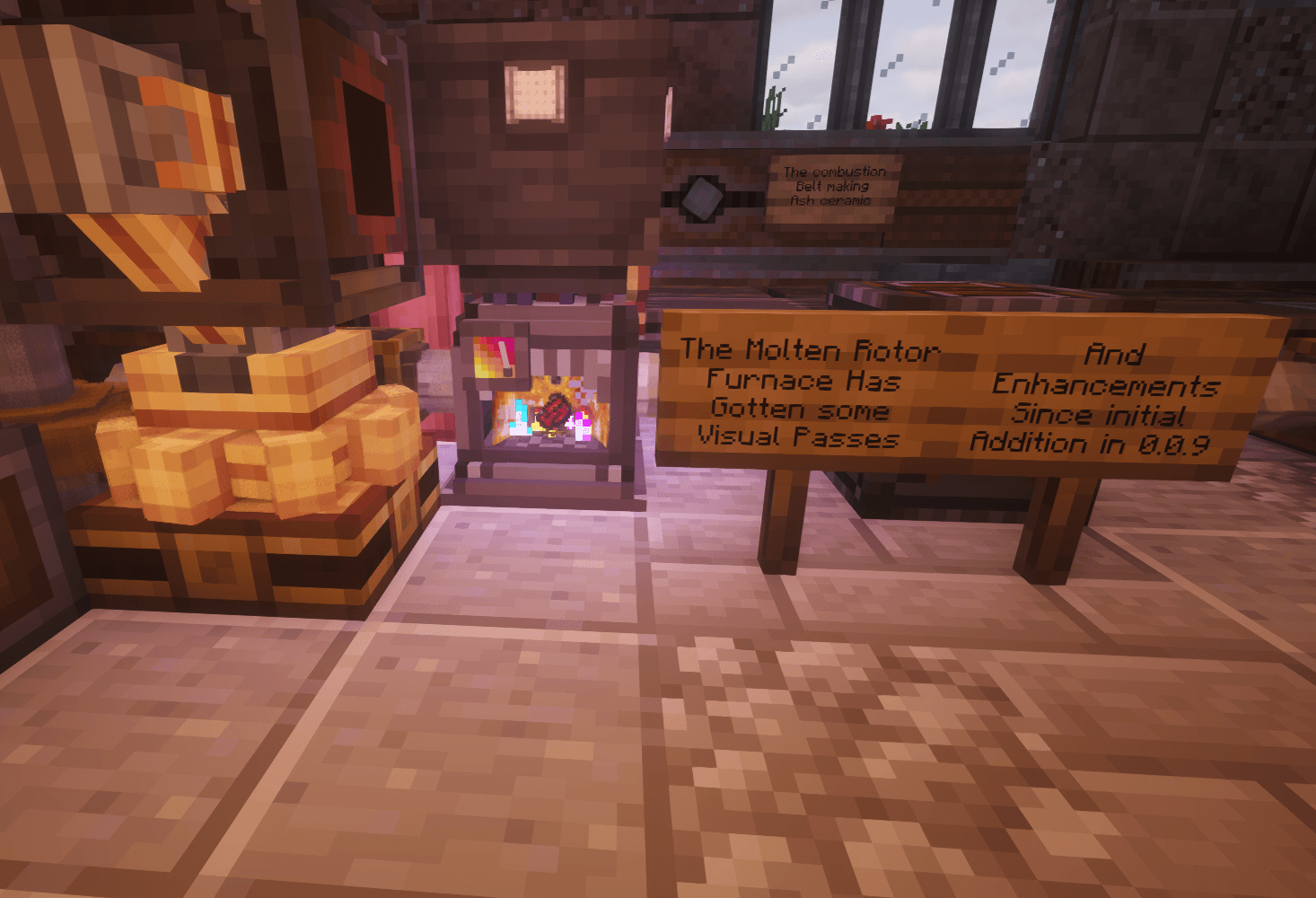
The network uses Thermochemical Shafts, Conduits, Gearboxes, Cogwheels, and the Thermochemical Clutch to carry, extend, split, route, and interrupt heat.
Regular Create cogwheels do not transmit CSR heat.
This was intentional. Heat shouldn't accidentally spread through every cogwheel in an existing factory just because two kinetic networks happen to touch.
Combustion Belt
Processes compatible items while they travel through a heated production line.
Molten Rotor Furnace
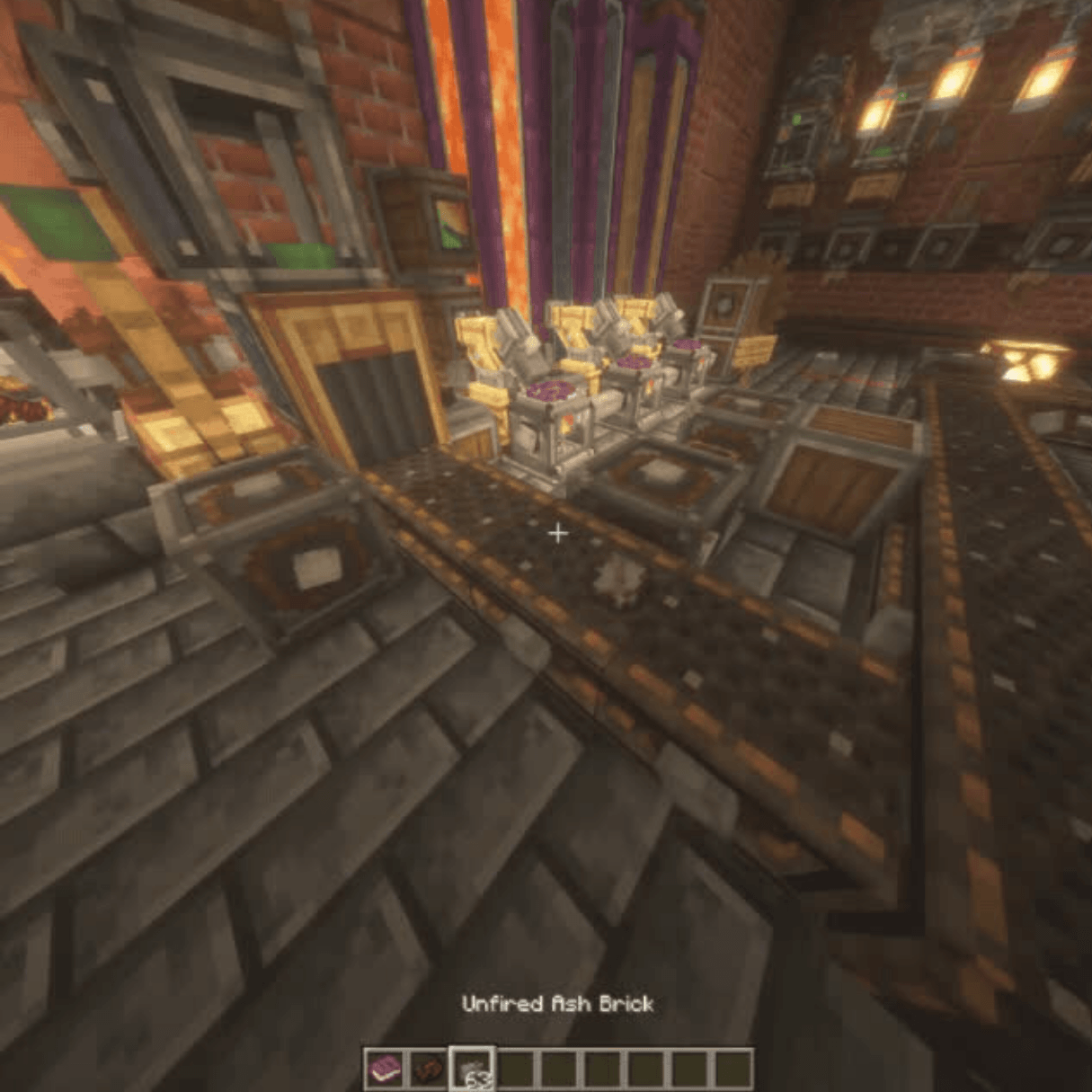
The Molten Rotor Furnace is CSR's main high-output heat and kinetic generator. Its RPM and stress output change with temperature, fuel, weather, and operating state. It supports automation, fuel queues, Engineer's Goggles information, visible fuel, particles, sounds, Ponder documentation, and data-driven fuel definitions.
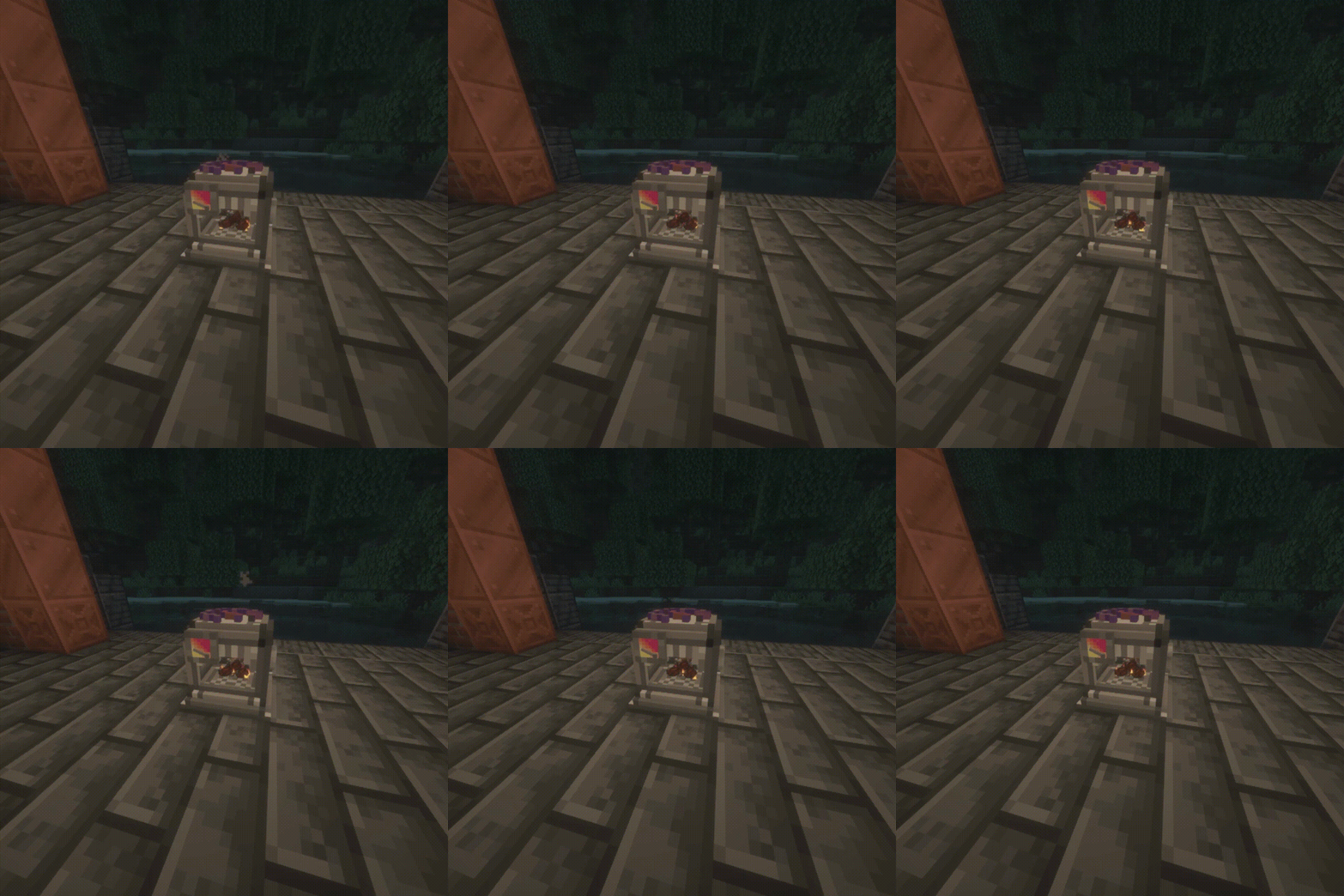
Different fuels can push the Rotor into very different operating ranges.
Afterburn
Normal Radiant operation ends at 1599 °C.
With the appropriate fuel, the Rotor can enter Afterburn and continue heating up to 2000 °C.
Afterburn is an operating state, not a new heat tier. It does not increase processing speed or RPM. Instead, it allows the Furnace to remain at much higher temperatures, increases its stress capacity while active and slows cooling above the Radiant ceiling.
Custom Rotor Fuels
Molten Rotor fuels are now data-driven through the sulfuricresonance:molten_rotor_fuel recipe type.
Datapacks and KubeJS can define custom Rotor fuels with their own ingredient, burn time, heating rate, maximum temperature, maximum units, behavior, enabled state, and priority.
This support does not require KubeJS; normal datapacks can define the same fuel recipes directly.
Thermal Battery
The Thermal Battery is a persistent thermochemical heat reservoir designed to store useful factory heat for later use.
A Battery can hold roughly 5× the thermal capacity of a fully heated Molten Rotor Furnace.
It stores Heated and Superheated reserves independently and can later discharge either state back into a thermochemical network. It intentionally does not output Radiant or Combustion-level heat, so it complements the Molten Rotor Furnace rather than replacing it.
The Battery uses a single directional thermochemical shaft interface and can provide both thermochemical heat and kinetic output while enabled by redstone.
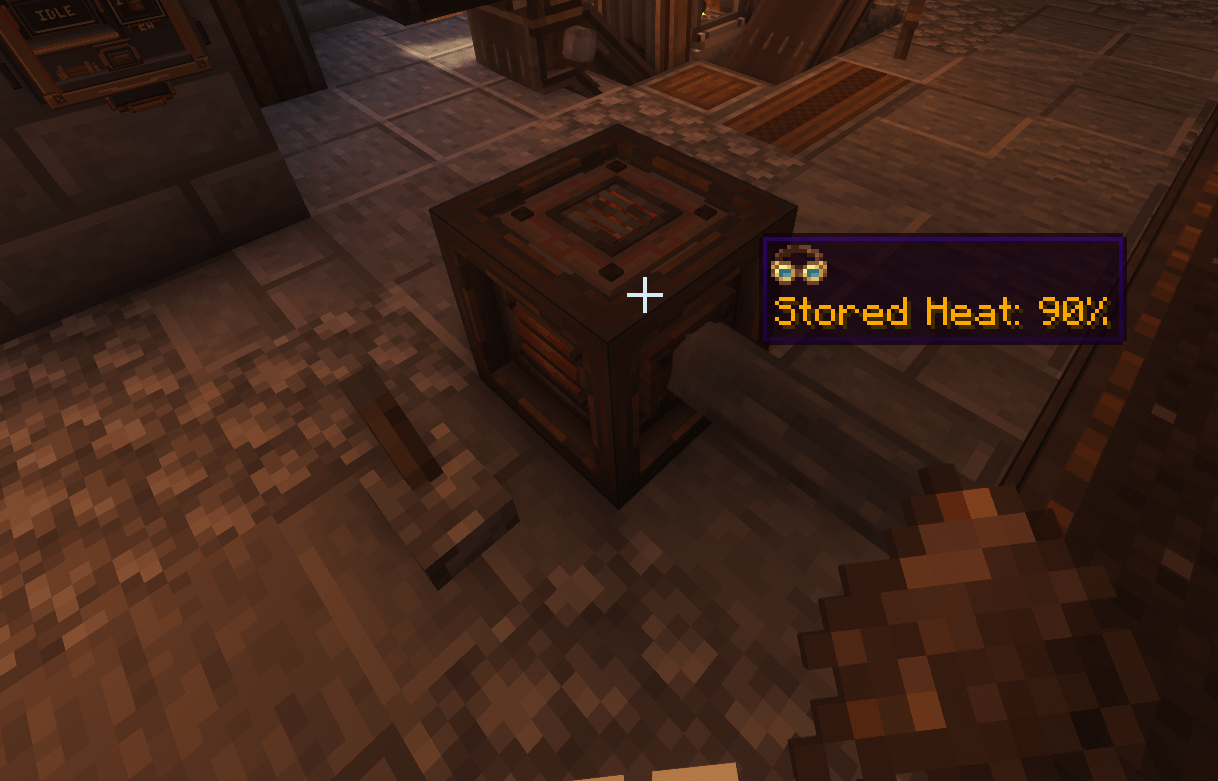
Its GUI shows stored heat, input temperature, output mode, runtime, and machine status. Stored heat persists when the Battery is broken and placed again, and Engineer's Goggles provide a quick current-charge readout.
Sulfur Burner
The Sulfur Burner is a smaller sulfur-powered heat source focused on heat rather than rotation. Its warmup, ignition, unstable burn, stabilization, shutdown, and afterglow are all shown through sound, particles, and lighting.
Create Steam Boilers
The Thermochemical Boiler Interface adds CSR heat support for Create steam boilers.
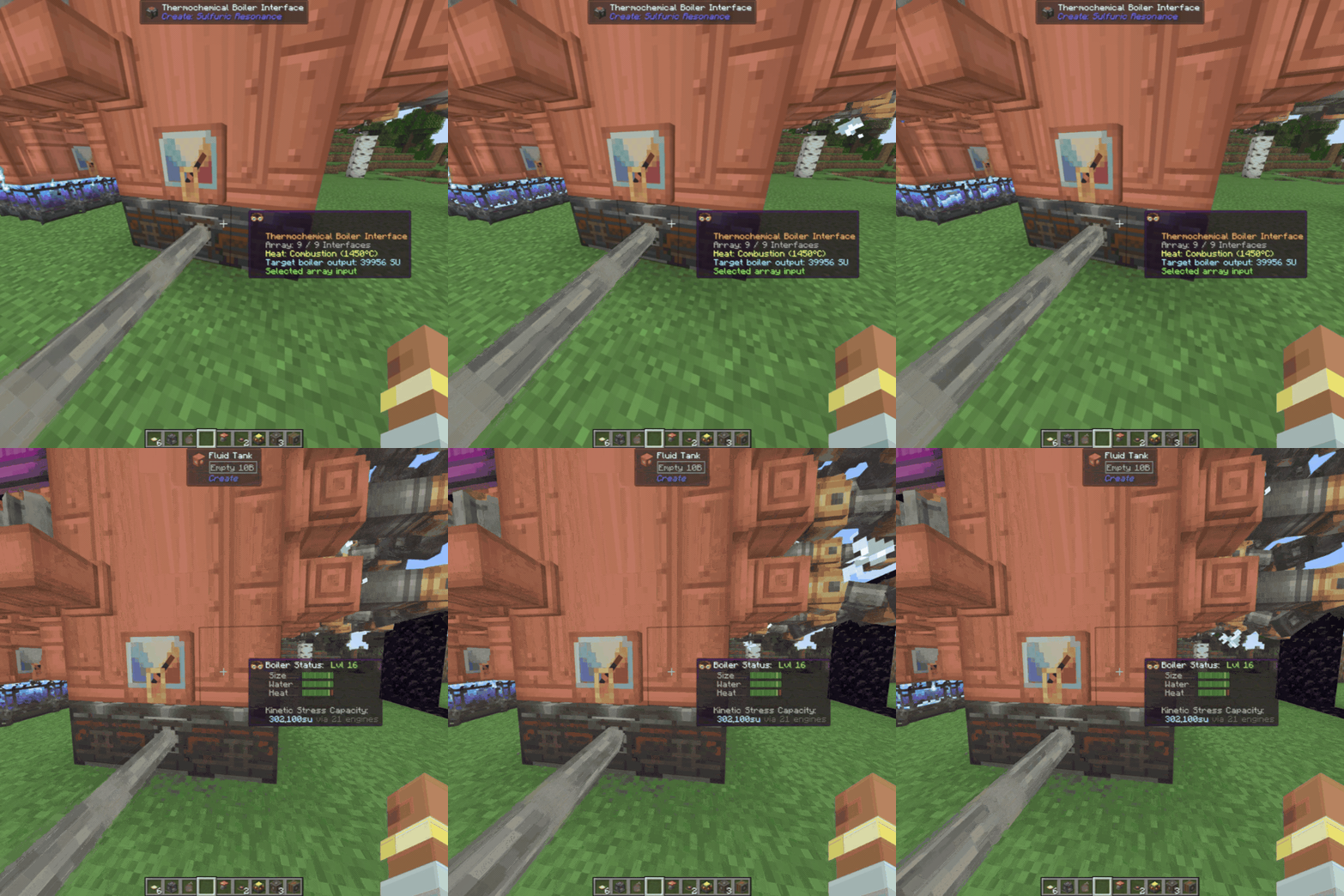
This gives CSR heat networks a direct connection to Create steam power. Interfaces placed under a boiler form arrays up to 3×3; one thermochemical shaft can supply the whole array. Larger arrays give more heating with diminishing returns, while normal boiler, water, and Steam Engine limits still apply.
The Interface does not consume or transmit kinetic Stress Units: thermochemical heat → boiler → Steam Engine → rotation.
Sulfur Industry
Sulfur runs through a large part of CSR's progression.
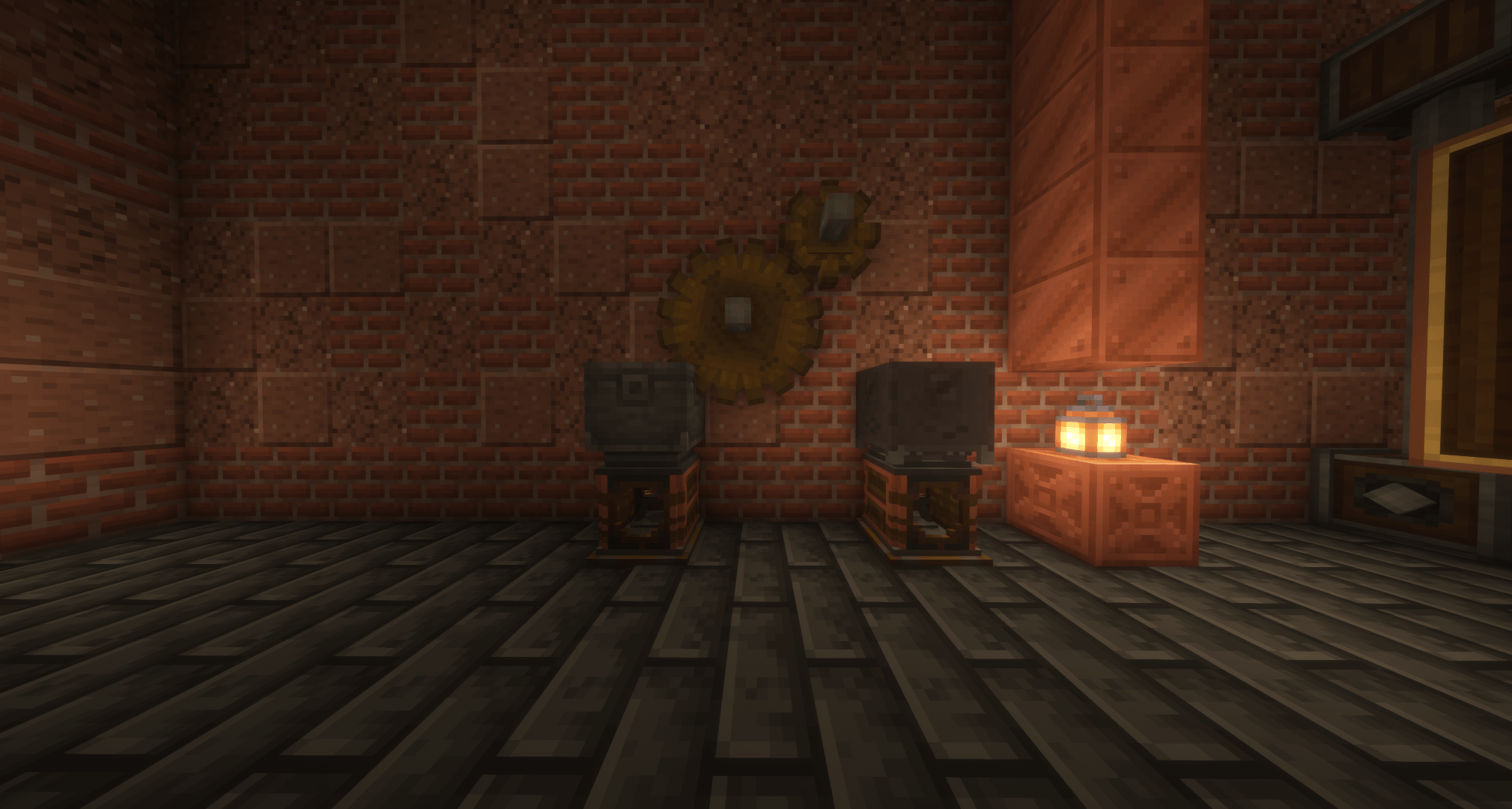
It is used for Sulfuric Acid, specialized fuels, thermochemical machinery, high-temperature processing, chemical treatment, advanced materials, and factory components. CSR uses common sulfur tags where practical.
Sulfur Chemistry
Sulfuric Acid is a hazardous fluid used throughout CSR's industrial chemistry, fuel production, material treatment, machine components, precision processing, and copper treatment.
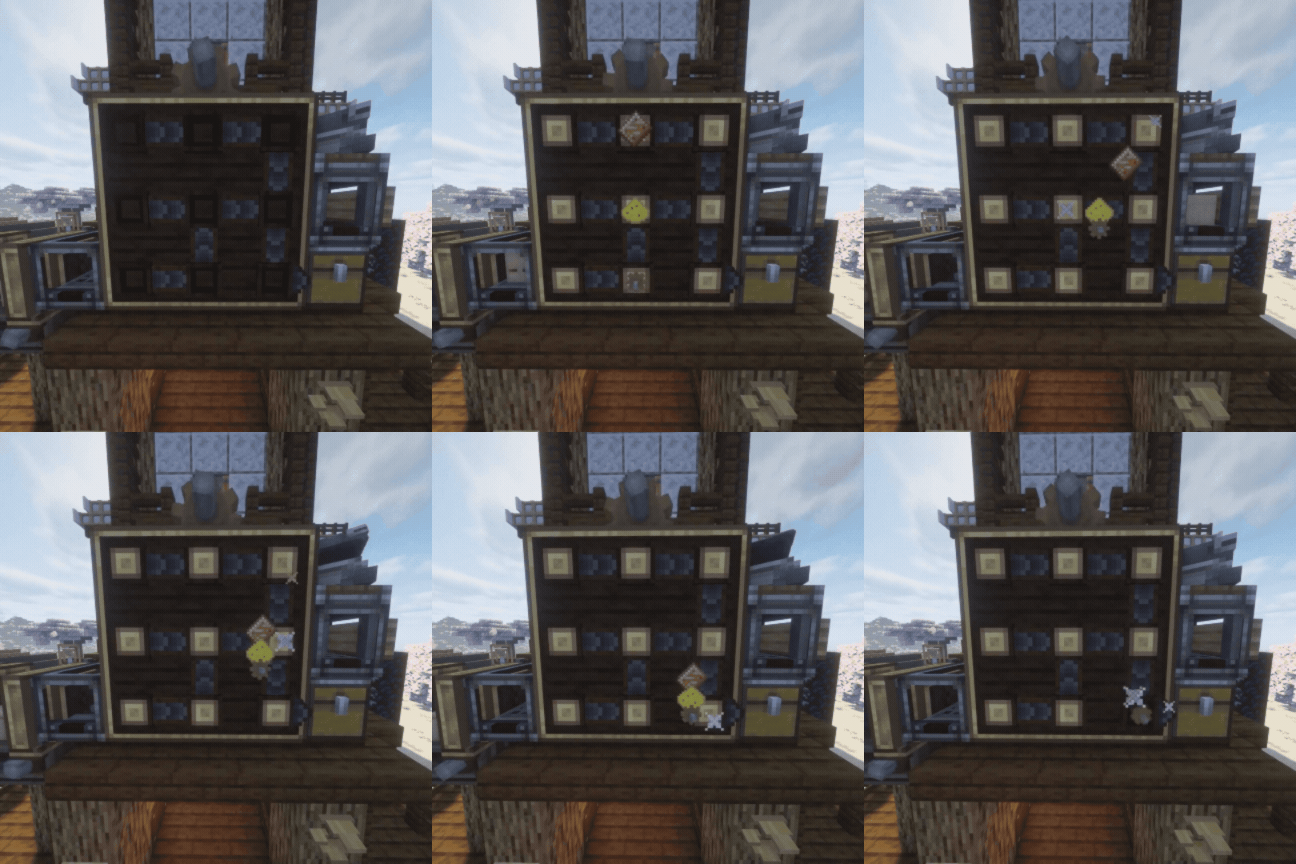
Combustion Processing
CSR adds Combustion Belts, Combustion Mixing, Precision Processing, and Resonance Processing on top of normal Create manufacturing. The Precision Spritzer adds item and entity filtering to industrial spraying.
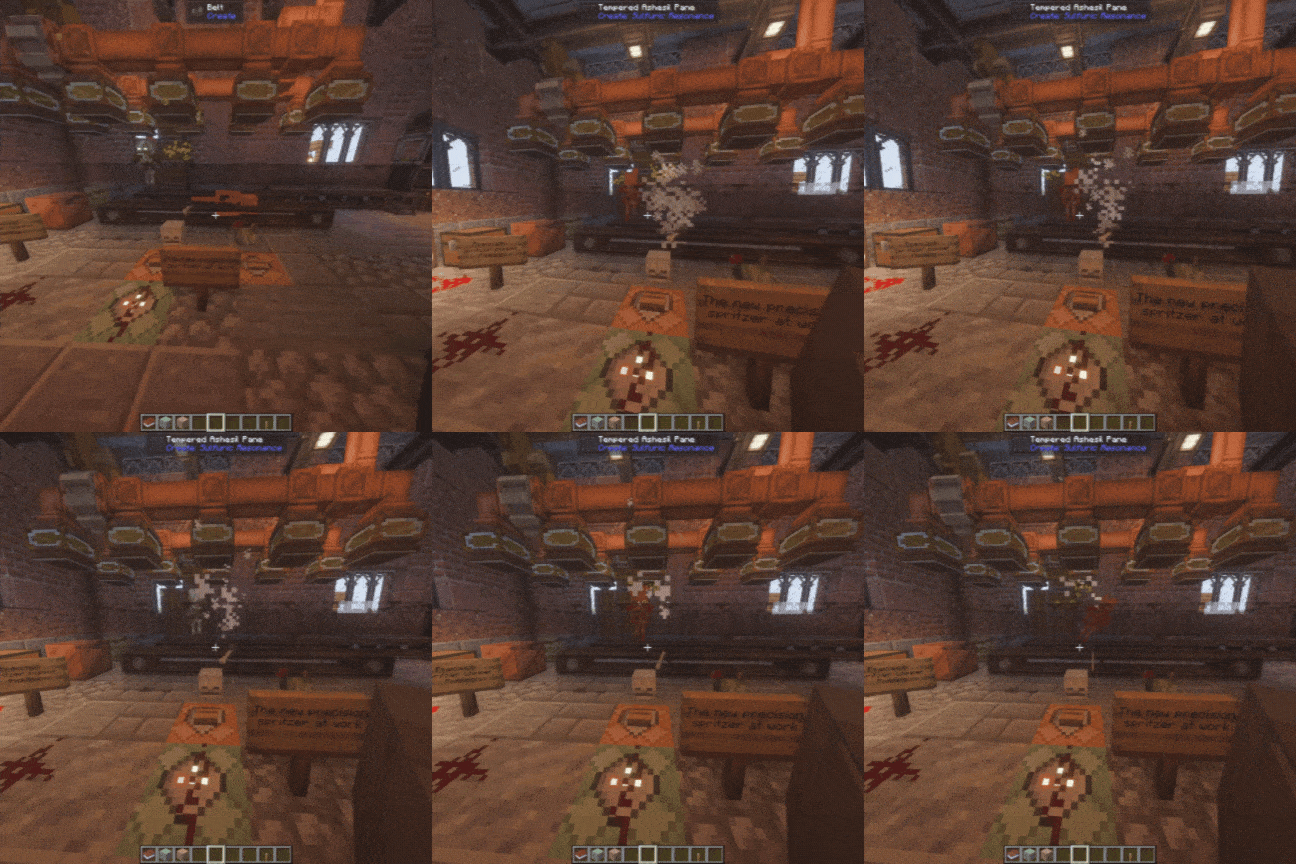
Later recipes can require heat, rotation, Sulfuric Acid, specialized reagents, and longer processing conditions at the same time. Exact requirements are left to JEI/EMI and in-game discovery.
Resonance
Resonance is one of the later stages of CSR's progression.
It brings together heat, rotation, sulfur chemistry, specialized materials, and more demanding processing.
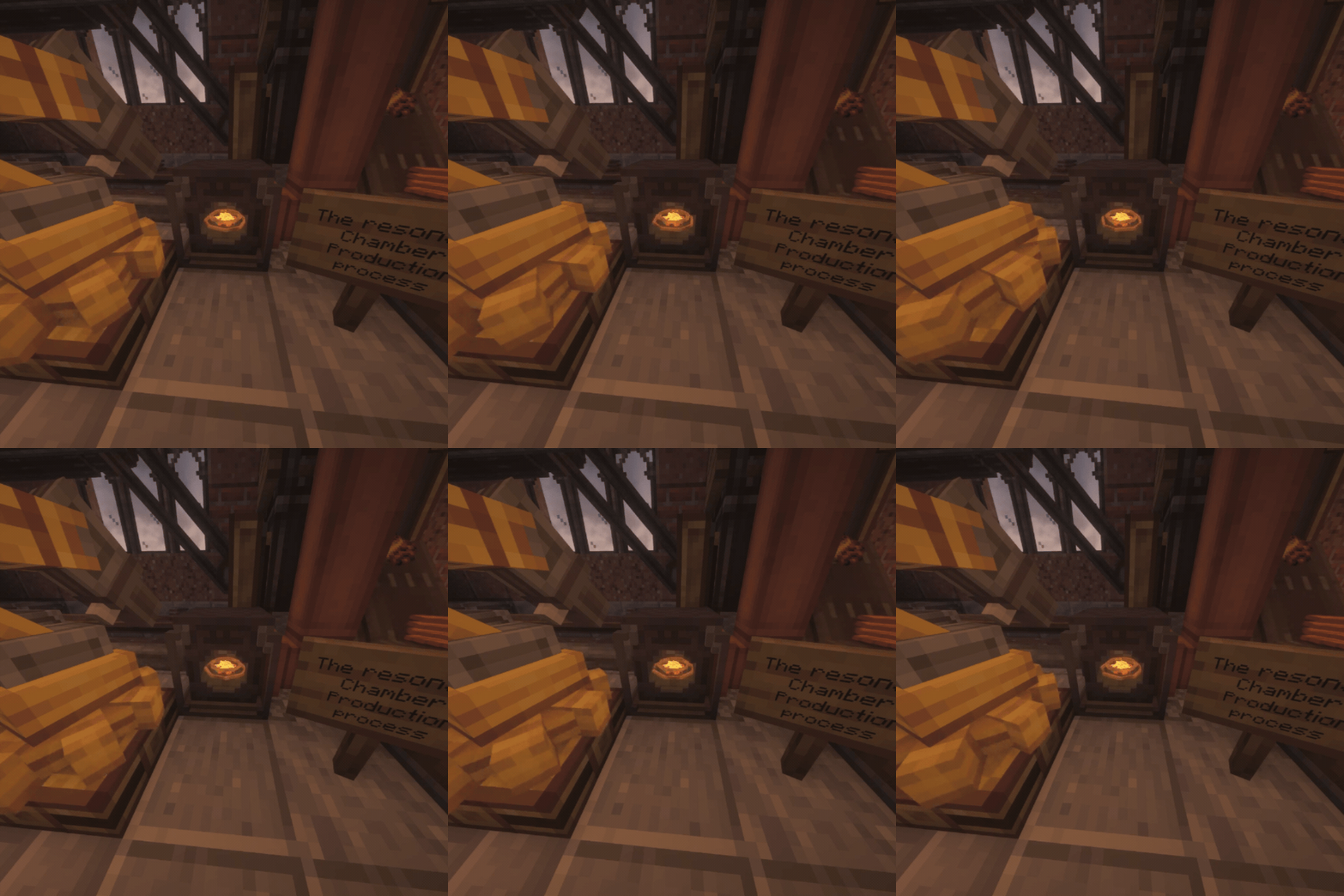
The Sulfuric Resonance Chamber is the main machine behind it.
The Chamber can process recipes with different combinations of:
- Materials
- Catalysts
- Auxiliary ingredients
- Sulfuric Acid
- Heat requirements
- RPM requirements
- Processing time
Its reaction platform and rings respond to machine state, so insufficient heat, insufficient speed, READY, processing, completion, and blocked output no longer all look the same.
Catalyst Bed
The Catalyst Bed is placed directly beneath the Chamber. It gives live recipes a 1.5× speed boost without changing their requirements, and more than one Bed cannot stack the effect.
Intelligent Industry
0.3.0 introduced machine-state automation through Intelligent Industry.
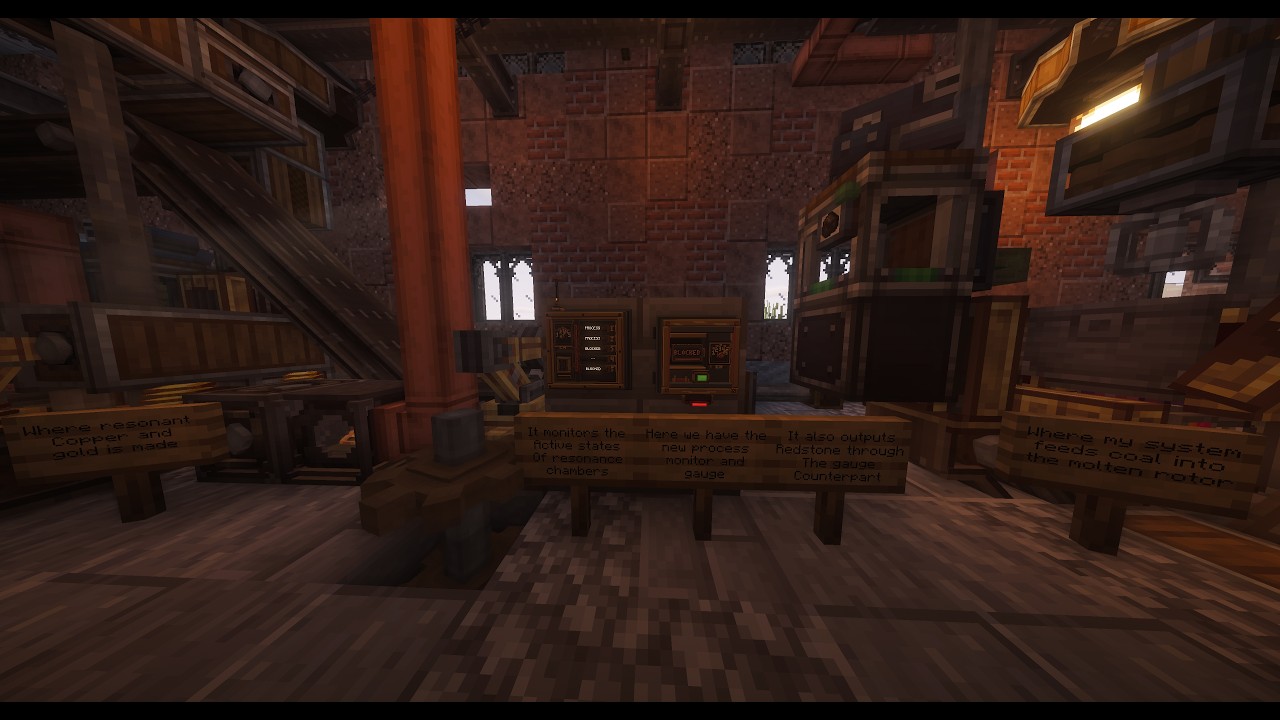
CSR machines can report IDLE, READY, PROCESSING, and BLOCKED. Process Monitors, Process Gauges, redstone output, warnings, thermochemical control, and precision processing can react to those states.
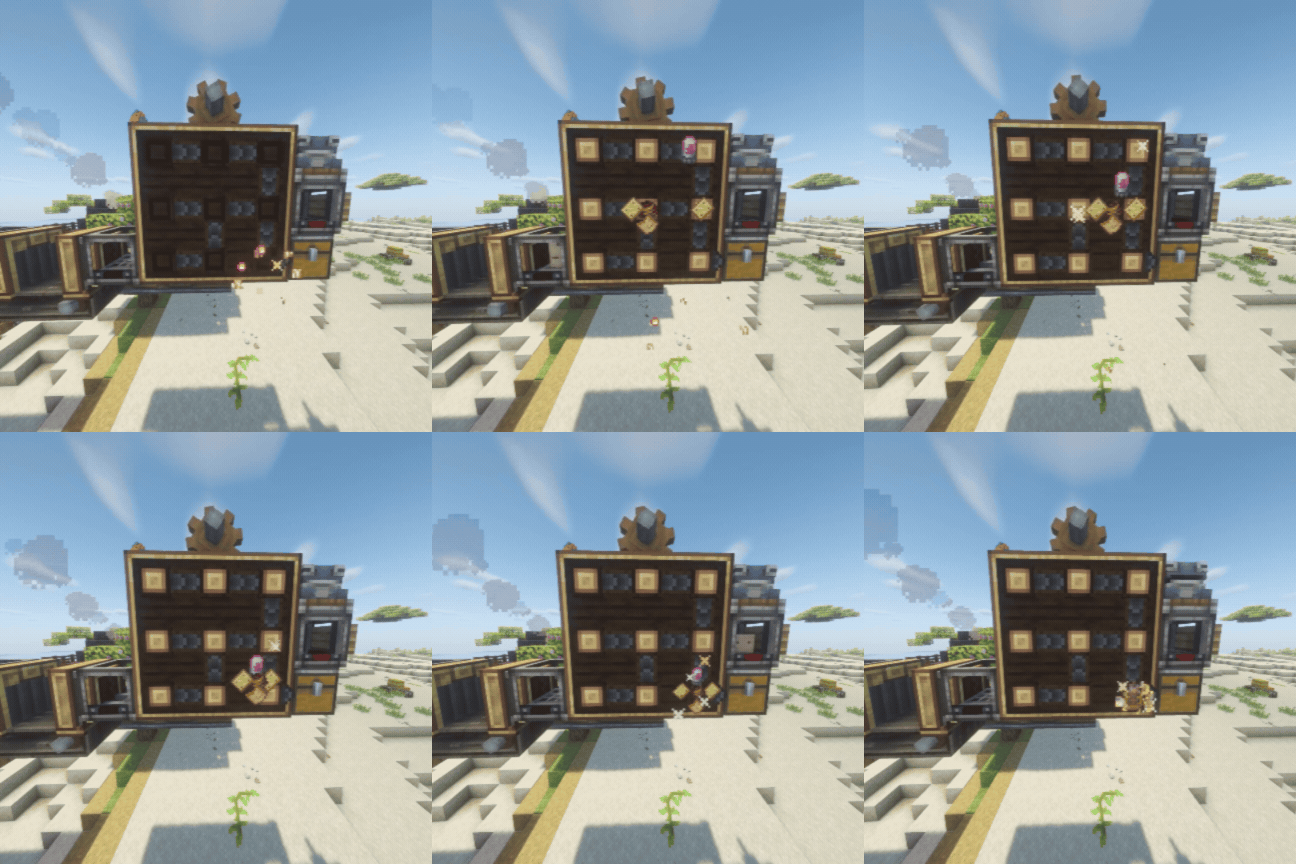
The point is not to turn CSR into a computer mod. It gives normal Create-style automation more information to react to.
Industrial Materials
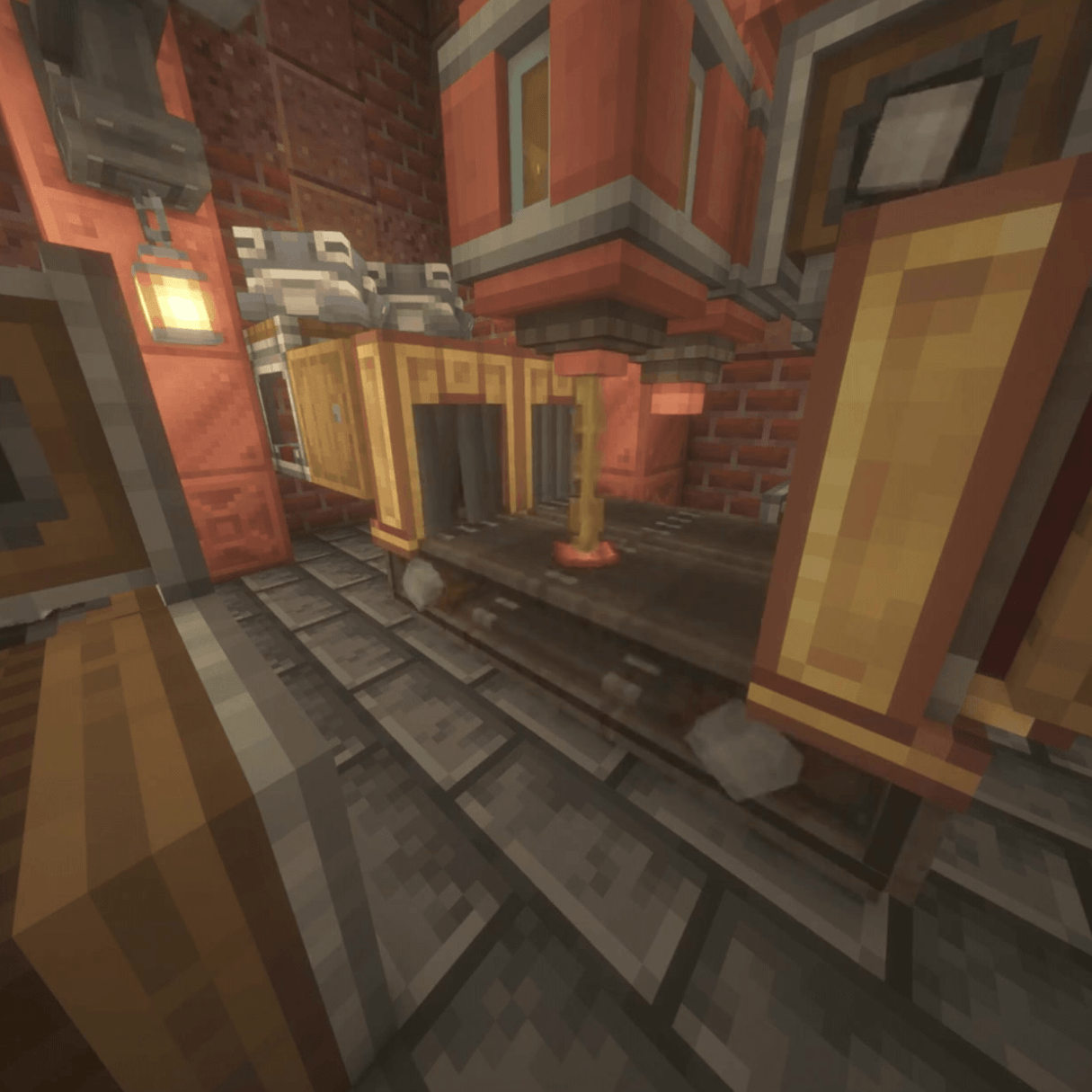
CSR has material chains for machinery, heat infrastructure, chemistry, and factory construction: Ash Ceramic, Ash Bricks, Ashesil, Tempered Ashesil, Acid-Resistant Ceramic, Obsidian Fiber and Cloth, Cinder materials, industrial filaments, Acid-Etched Copper, Rubber, and resonant materials.
Not every intermediate item is listed here.
Tempered Ashesil
Tempered Ashesil and its Pane variant are explosion-resistant transparent building materials for hazardous processing areas and protected machinery.
Rubber Engineering
CSR also has a rubber-processing chain for machinery and factory components. Rubber Padding negates fall damage, bounces entities and dropped items, settles items after repeated impacts, and works with Mechanical Arms.
Spritzers
The Perforated Spritzer stores and disperses fluids downward, including interactions with water, fire, lava, Sulfuric Acid, entities, and factory processing. The Precision Spritzer adds configurable item and entity filtering.
Factory Automation
Most CSR machinery works with Funnels, Belts, Chutes, Mechanical Arms, fluid pipes and tanks, redstone, Wrenches, Engineer's Goggles, and linked monitoring equipment. Machines are meant to become parts of production lines, not isolated GUI boxes.
Ponder
Most major CSR machinery has in-game Ponder documentation for heat generation and transmission, Afterburn operation, Thermal Battery storage, sulfur processing, combustion processing, fluid handling, resonance, factory automation, monitoring, precision processing, steam boiler integration, the Catalyst Bed, Cinder Flare ignition, and Reactive Tool launching.
JEI / EMI
CSR has dedicated JEI and EMI support for Molten Rotor fuels, Combustion Mixing, Combustion Belt processing, Resonance processing, and Precision Processing. Both are optional and can be used separately or together.
Advancements
CSR has its own advancement tree for major machines, materials, progression, and a few stranger interactions. Some advancements are intentionally hidden until you discover what triggers them.
Languages
CSR includes English (US), English (UK), Spanish, French, German, Portuguese (Brazil), Russian, and Simplified Chinese. Localization covers major machinery, tooltips, GUIs, advancements, Ponder scenes, subtitles, and recipe-viewer text.
Installation
- Install NeoForge 21.1.238 or newer for Minecraft 1.21.1.
- Install Create 6.0.7 or newer.
- Put the Create: Sulfuric Resonance
.jarin yourmodsfolder. - Optionally install JEI and/or EMI.
- Launch Minecraft.
Create is required and must be installed separately.
Release Status
0.5.0 — Afterburn is the current public release.
CSR is still under active development.
New systems, integrations, fixes, compatibility work, and general cleanup will continue in later versions.
As with any modded Minecraft update, backing up important worlds before changing large parts of a modpack is a good idea.
Bug Reports and Feedback
If something breaks, reproducible reports are much more useful than "it crashed."
Please include the CSR, Minecraft, NeoForge, and Create versions; relevant JEI or EMI versions; logs or crash reports; what happened; and steps to reproduce it.
Dedicated issue forms are available for bugs, crashes, and feature requests.
Generative AI Disclosure
Generative AI is used as a development assistant for portions of code, debugging, refactoring, and documentation/publishing text.
Game design, testing, integration, release decisions, and manually created project assets remain developer-directed and are reviewed before release.
License
Copyright © 2026 Hxney, Ł. All Rights Reserved.
Create: Sulfuric Resonance is proprietary software.
Official compiled releases may be used for personal, non-commercial gameplay.
Unauthorized redistribution, re-uploading, modified releases, forks, ports, source-code reuse, asset reuse, impersonation, or false claims of ownership are prohibited except where explicitly permitted by the included license.
Create: Sulfuric Resonance is an unofficial Create addon and is not affiliated with or endorsed by Mojang Studios, Microsoft, NeoForged, or the Create Team.
The Create: Sulfuric Resonance Team