Peaks&Roots
- By
A Minecraft worldgen and terrain overhaul with vast continents, towering mountains, custom biomes, winding rivers, lakes, waterfalls and geothermal wonders. Built for exploration.
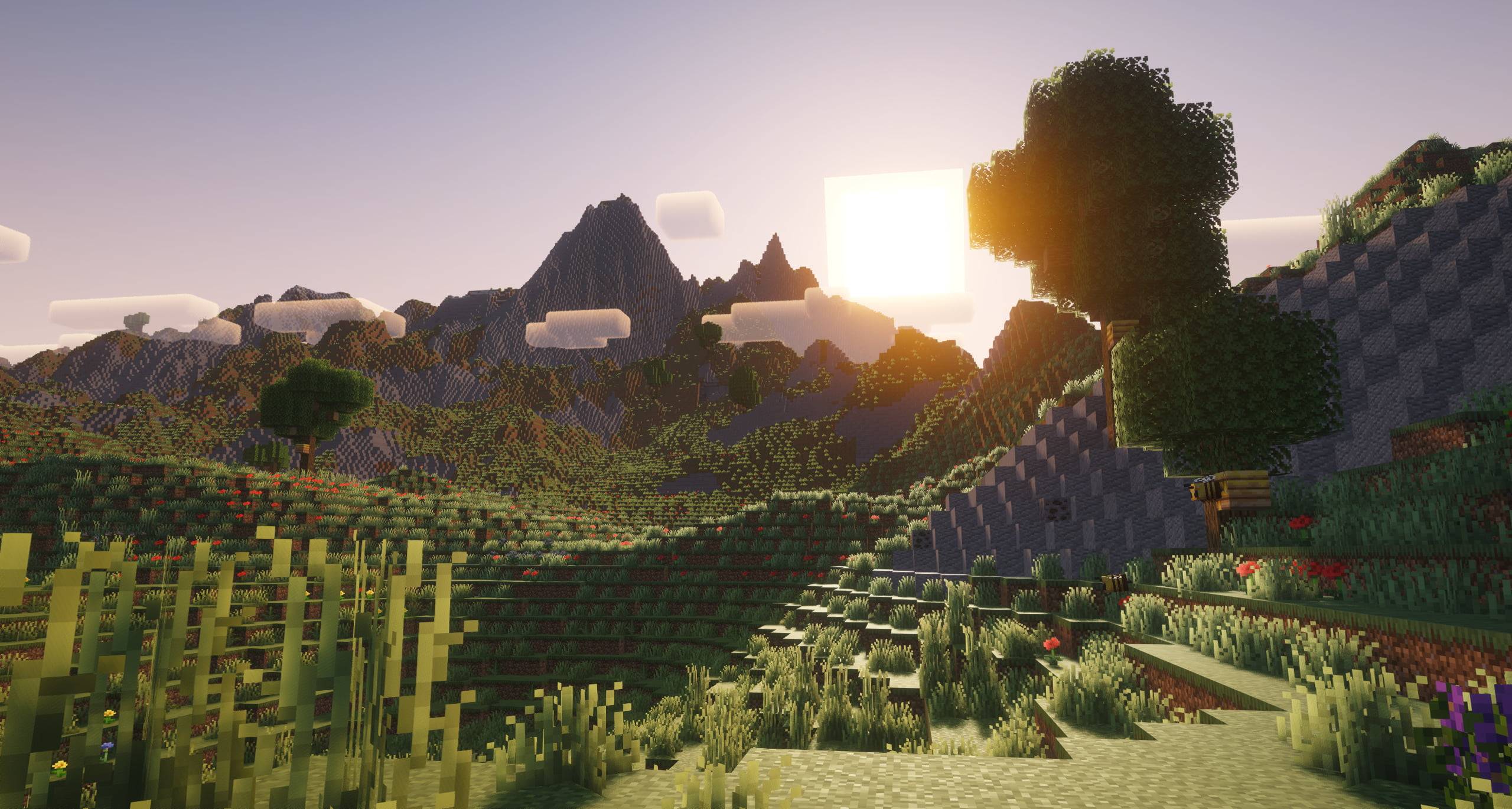
2026-11-10_10.02.38.jpg
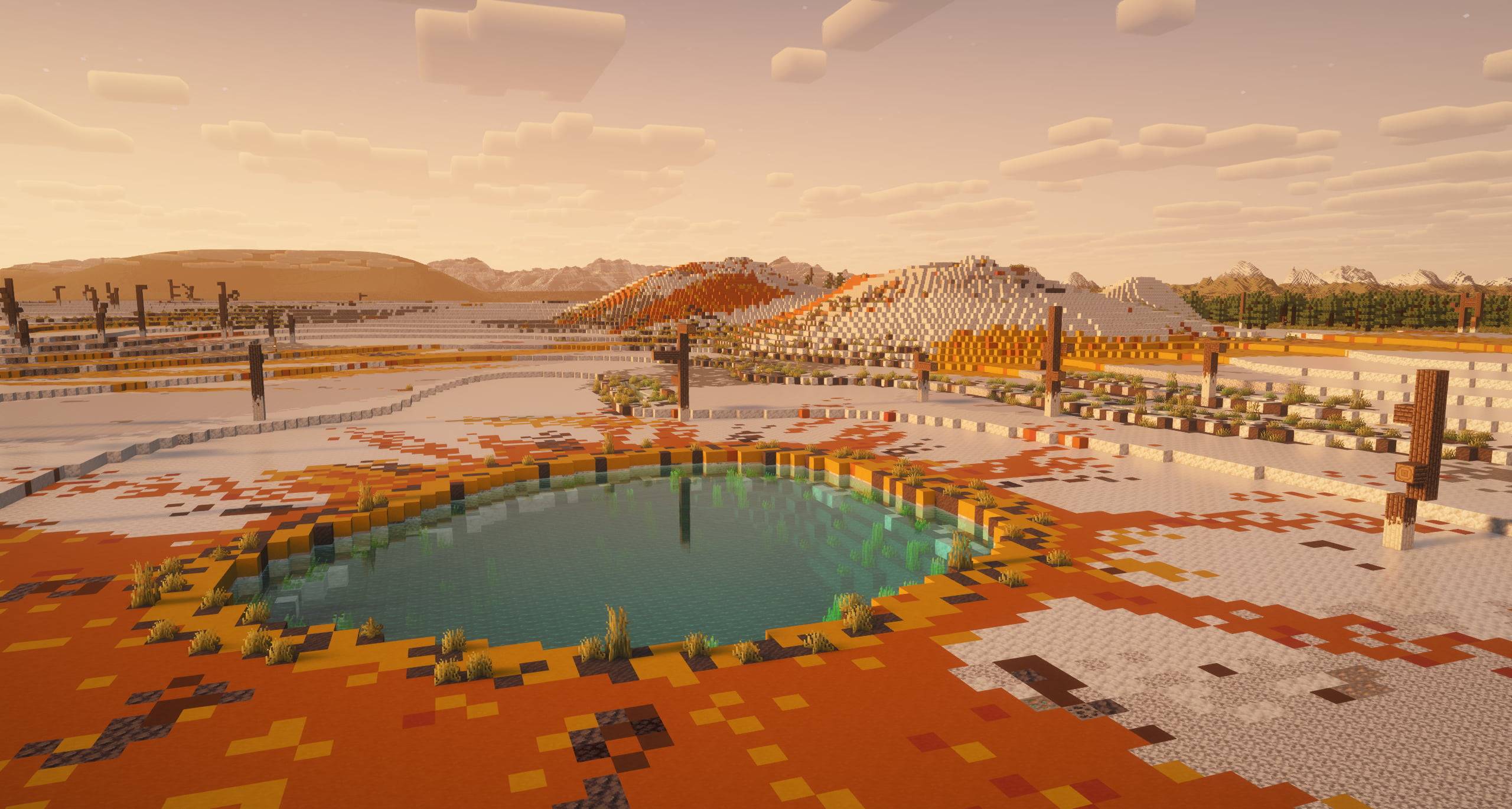
2026-11-10_10.05.39.jpg
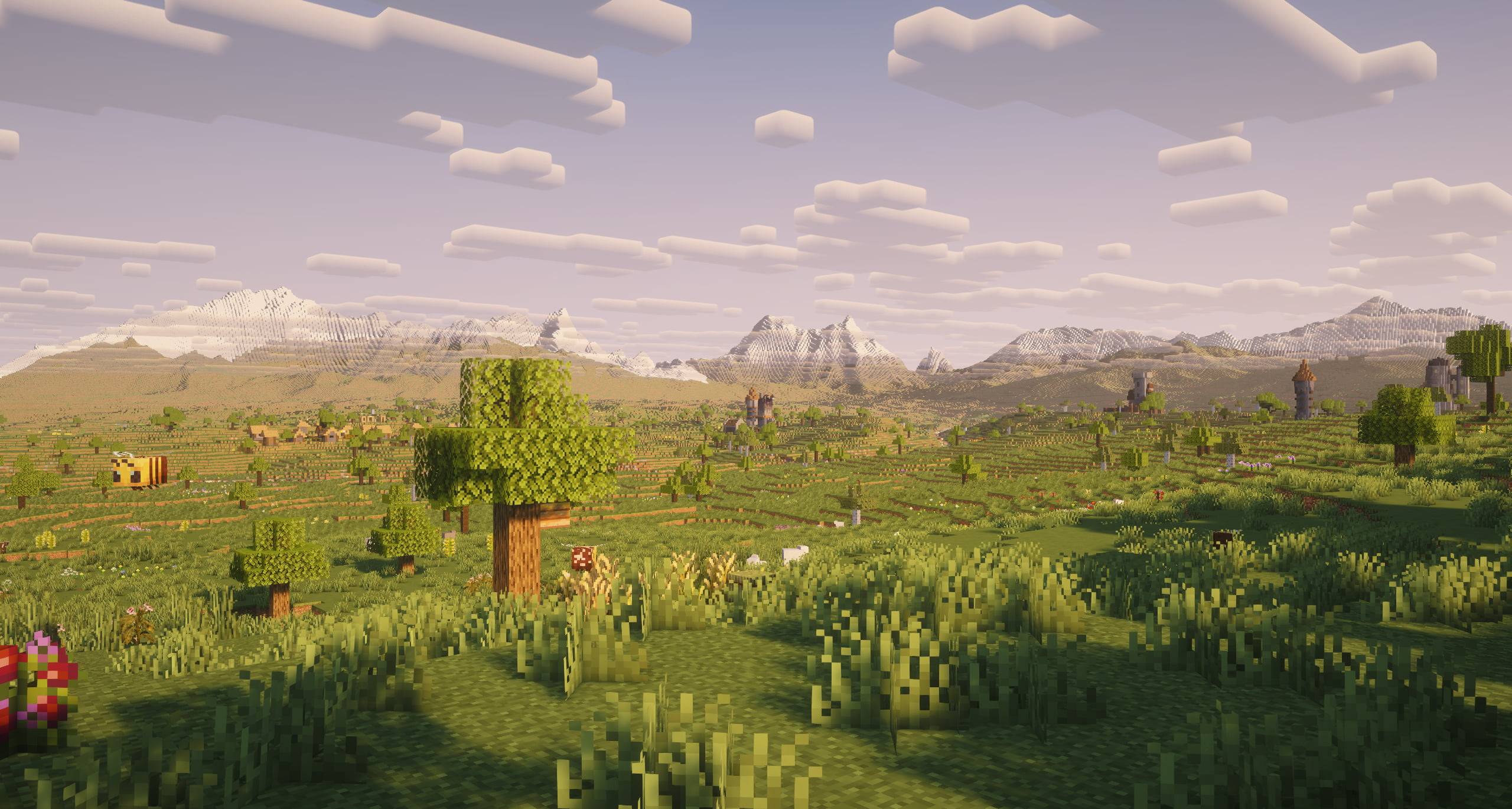
2026-11-10_10.08.25.jpg
2026-11-10_10.10.03.jpg
2026-11-10_10.21.58.jpg
Description

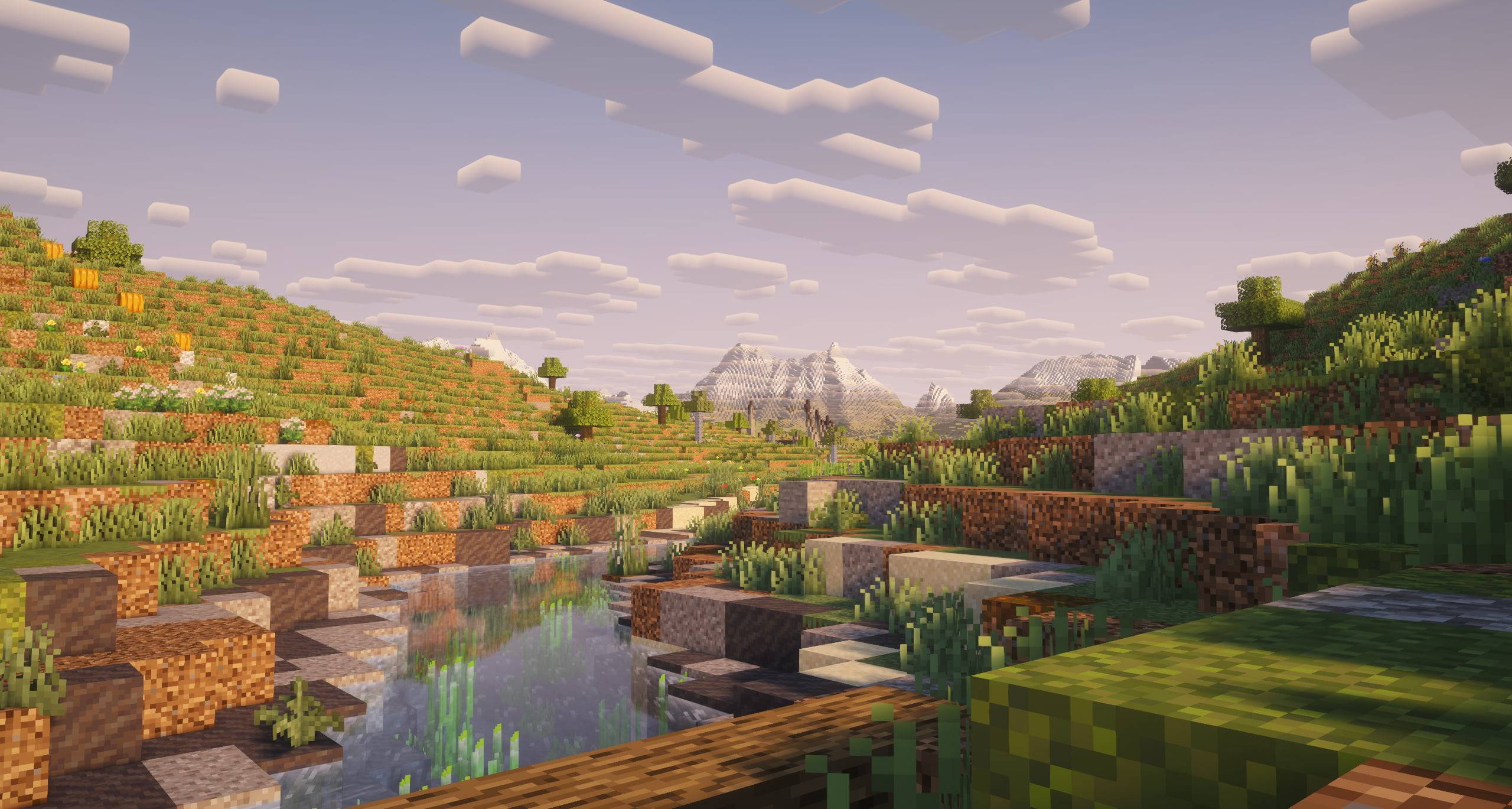
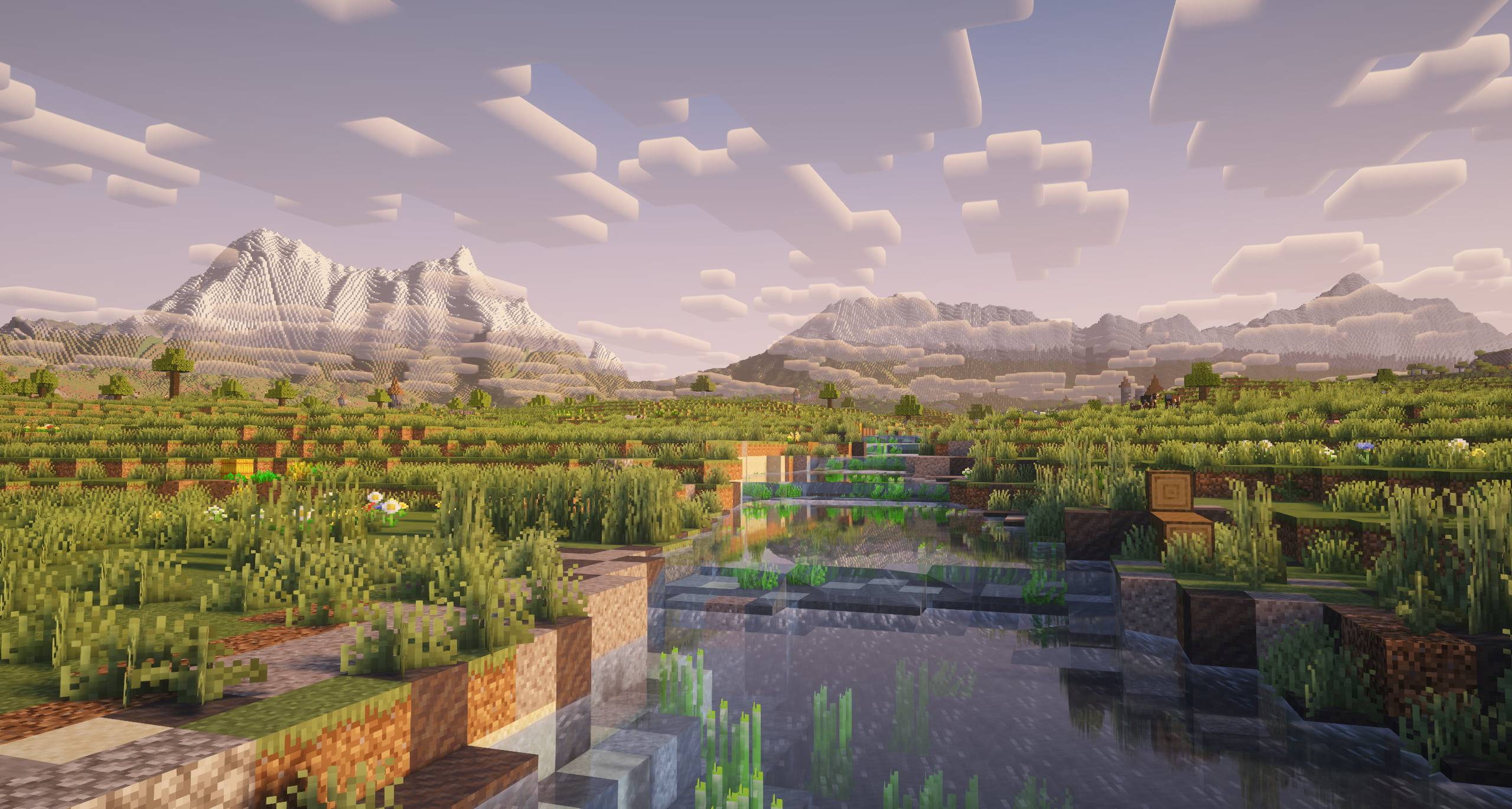
Peaks&Roots reshapes the Overworld into a landscape made for long journeys: sprawling continents, open plains, branching mountain ranges and rivers that lead you into the next view. Familiar Minecraft biomes remain at the heart of the world, with occasional sheltered craters, pale groves and steaming mineral basins adding a little wonder along the way.
Continents with room to travel. Large landmasses are separated by broad oceans, with irregular coasts, peninsulas, bays, offshore islands and island chains. The main continent begins around the world origin, with a search for suitable dry starting ground nearby. Biomes form regional landscapes, giving forests, drylands and snowy districts space to establish their own character.
Mountains that belong to a range. Inland ranges spread into branching ridges, secondary summits and wide foothills. Colder coasts can rise into mountain massifs above the sea. Some regions have smooth slopes; others carry sharper, pyramid-like peaks and deeply cut faces. There are long plains and gently rolling districts between them, leaving room for walking, building and seeing the mountains from below.
The Overworld has a 640-block terrain-generation span, from Y−64 to Y575, with building room up to Y655. Snow follows climate and elevation: cold ranges turn white lower down, while warmer slopes can remain rocky much higher. High valleys can carry packed and blue ice, and steep faces show exposed rock rather than a blanket of grass.
Biomes with their own terrain. Dry regions include dunes, terraced plateaus, banded badlands, mesas and river-cut canyons. Forests, birch woods, taigas, jungles, savannas and cherry groves retain recognizable Minecraft vegetation in a larger setting. Tree placement varies with terrain, with native tree shapes given modest height variation. Rocky slopes use patches of familiar stone, scree and soil to carry the transition from green foothills to exposed mountains.

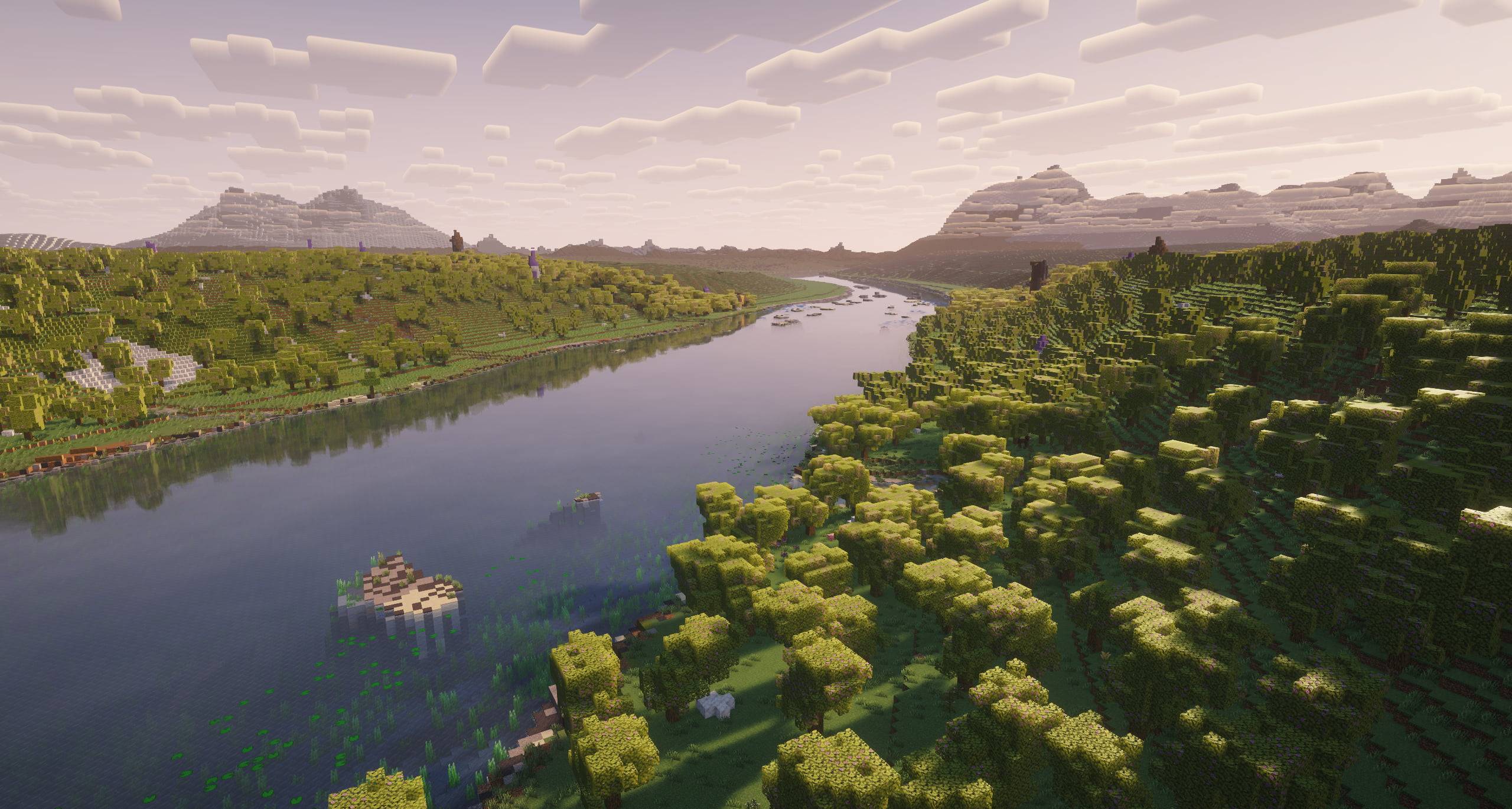
Follow the water. Streams feed tributaries and larger rivers, with drainage routes that respond to the land. Water can sit high above sea level in the interior and descend through lower valleys toward the coast. Bends, unequal banks, gravel, sand and planted margins give different stretches their own shape. A river crossing a high arid plateau can become a canyon instead of an identical trench everywhere.
Rivers can drop over steps and waterfalls. Some cliff springs emerge from a lake above the fall and spill toward a pool below, creating small destinations worth finding on foot. Lakes remain quieter water features with their own shorelines. Peaks&Roots river channels are designed to stay open in snowy regions, while surrounding lakes can still freeze.
Six distinctive regions to discover:
- Highland Valley: an open upland landscape framed by surrounding slopes.
- Crater Oasis: a sheltered green world within a broad crater, contrasting with the outer mountain.
- Limestone Hills: pale rock and green hills with a quieter, lighter palette.
- Moonstone Grove: a pale-toned grove that brings a restrained fantasy atmosphere to the landscape.
- Ash Garden: volcanic and ashen terrain around the darker side of the crater system.
- Geyser Basin: white mineral terraces, a large hot pool, yellow and orange mineral rings, smaller pools, steam and mineral-crusted dead trees.
Geysers are part of the landscape rather than just scenery. Vents erupt periodically in a column of steam and spray, and can launch entities standing over them. Thermal Rock, dead spruce wood and several mineral-crusted log variants give the geothermal regions their own small building palette.
A world to settle in. Vanilla villages and ocean monuments remain part of exploration. Village placement is adapted to the terrain and water, while monuments follow the local seabed. Other mods' structures follow their own placement rules and may need separate compatibility testing.

Peaks&Roots is for Minecraft Java 1.21.1, NeoForge and Java 21. Install it on the client and server. Creating a new Normal world activates the terrain automatically; no special world preset needs to be selected. The Nether and End retain their vanilla generators.
Start a new world when moving from older terrain generations to the current continent and river system. Existing chunks keep the terrain that was already saved, and different generation versions can meet at visible borders.
Optional integrations: Distant Horizons can provide distant terrain, and Streams Reflowing can add directional currents to the rivers. These are optional mods, not bundled requirements. Integration results depend on their versions and settings; other biome or terrain overhauls need pack-specific testing. The current Streams ice fix is still awaiting full in-game confirmation.
For the accompanying photography guide, create a fresh 2.4.2 Normal world. Its locations cover the mod's biome catalogue and selected mountain, crater, lake, spring, island and geothermal views.

A taller world, with less repeated work. Peaks&Roots expands the Overworld's vertical range while using terrain caches and limits on unnecessary work above the surface.
| Vertical range | Vanilla 1.21.1 | Peaks&Roots 2.4.2 | Increase |
|---|---|---|---|
| Buildable vertical span | 384 blocks | 720 blocks | +87.5% |
| Terrain-generation vertical span | 384 blocks | 640 blocks | +66.7% |
These are vertical spans, not a percentage increase in the total world area. The horizontal world border is unchanged, and the generation ceiling is not the height of every mountain.
Internal tests for the 2.4.0 optimization reduced generation time by 27–42% across three selected areas compared with Peaks&Roots 2.3.0:
| Selected area | 2.3.0 | Optimized candidate | Less time |
|---|---|---|---|
| Plains | 16.28 s | 10.58 s | 35.0% |
| Mountains | 26.20 s | 15.19 s | 42.0% |
| Geyser basin | 16.20 s | 11.83 s | 27.0% |
Each result is the mean of two runs per build and area: 400 new native FULL chunk requests in a 20 × 20 area, 12 worker threads, an 8 GiB Java heap. Drainage data was computed before the timed batch. These figures do not measure FPS, first-world startup or Distant Horizons LOD generation.
The timed optimization candidate's eight checked terrain-generation classes are byte-identical in 2.4.2, but the complete 2.4.2 release has not been retimed. A matched current comparison against vanilla or other terrain overhauls is not yet available; these results compare Peaks&Roots builds.
You can ask questions on discord:https://discord.gg/ZBt9yHgcPm
License: All Rights Reserved.
Peaks&Roots Team