Historical Telgraph
- By
A simple telegraph-based communication mod using cables and voice integration. Requires Simple Voice Chat.
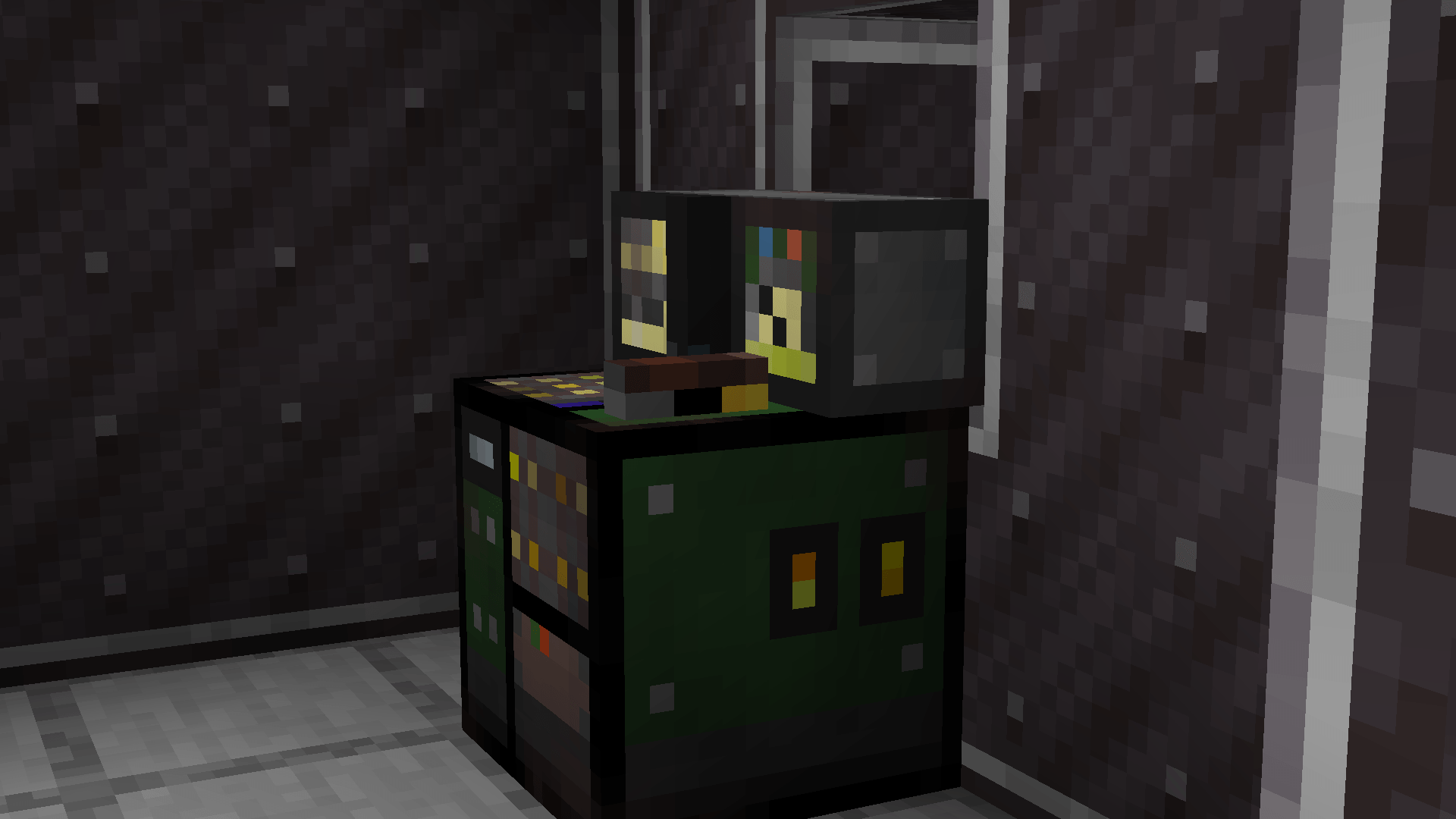
2026-04-26_18.34.39.png
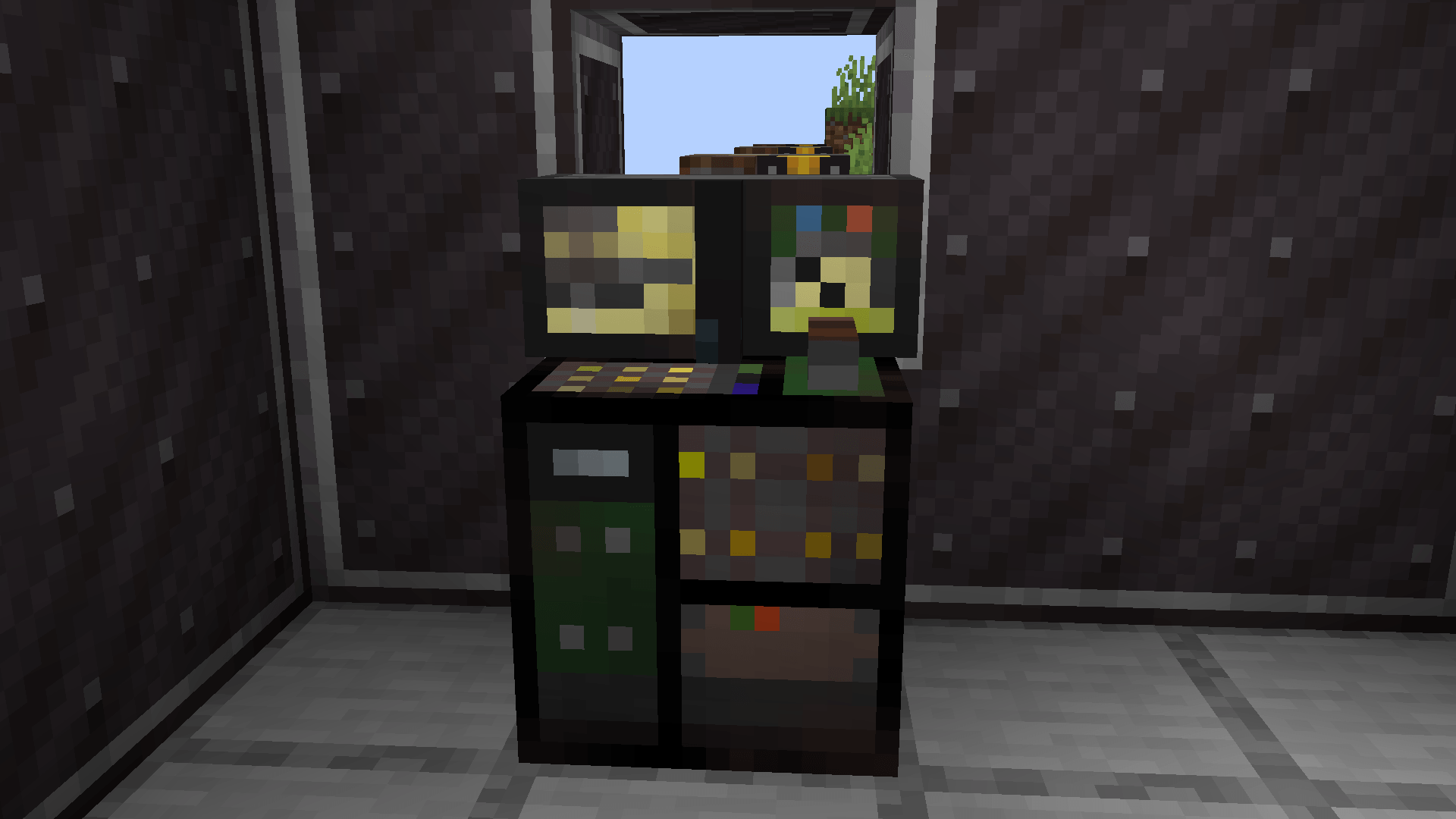
2026-04-26_18.34.43.png
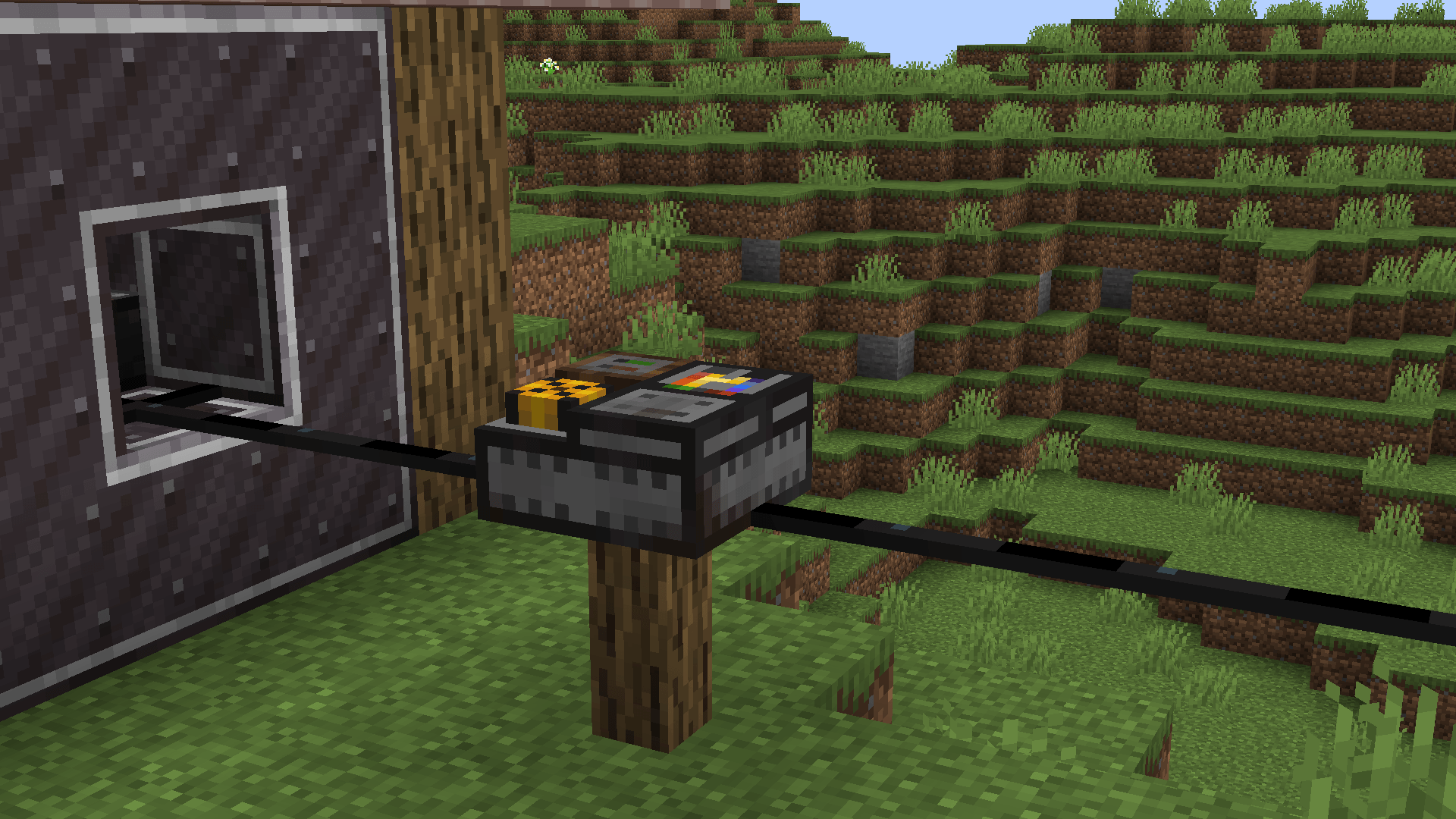
2026-04-26_18.34.50.png
Description
Historical Telegraph — Forge 1.20.1
Historical Telegraph is a lightweight, survival-friendly communication mod that brings early wired communication technology into Minecraft.
The goal of this mod is not to create an overcomplicated technology system, but to offer a simple, believable and historically inspired telegraph network that fits naturally into survival gameplay.
Build telegraph lines, connect machines with cables, improve your network with poles, insulators and relay stations, and send messages across long distances through a physical cable-based system.
Main Features
- Telegraph machines for long-distance message communication
- Physical cable-based network system
- Telegraph cables that must be placed and connected between machines
- Relay stations to improve long-distance communication
- Telegraph poles and insulators for a more historical and realistic line structure
- Station naming and channel-based communication
- Signal quality system based on distance and network structure
- Delayed message delivery depending on cable distance
- Audio feedback when messages are sent or received
- GUI-based message sending and receiving
- Lightweight and vanilla-friendly design
Cable Cutter
The Cable Cutter is a practical tool designed for quickly removing telegraph cables.
Instead of breaking every cable manually with a pickaxe, players can use the Cable Cutter to instantly remove a cable block and recover it as an item.
This makes repairing, rerouting and dismantling telegraph lines much faster while still keeping the system grounded and believable.
Dynamite and Sabotage
Historical communication lines were often vulnerable to sabotage, especially during wartime or periods of conflict.
To reflect this, the mod adds a simple Dynamite item.
Dynamite can be thrown forward like a small explosive device and detonates on impact. Its explosion is intentionally low-powered: it can damage nearby blocks, but it is mainly designed to disrupt telegraph infrastructure, especially cables.
This adds a new layer of gameplay for survival servers, historical roleplay, wars, factions and strategic sabotage scenarios.
Signal and Network Logic
Historical Telegraph uses a physical network system.
Messages do not simply teleport from one machine to another. Telegraph machines must be connected through a valid line of cables and network blocks.
Signal quality is affected by:
- Cable distance
- Relay stations
- Telegraph poles
- Insulators
- Network structure
Longer or poorly supported lines may deliver messages more slowly or fail depending on configuration.
Server owners can adjust signal-related settings to fit their gameplay style.
Historical Design Philosophy
This mod is built around three principles:
Historical inspiration
The mod is inspired by early telegraph systems and wired communication networks.
Simplicity
The mechanics are designed to be easy to understand, easy to use and suitable for normal survival gameplay.
Vanilla-friendly gameplay
Historical Telegraph tries to feel like something that could naturally exist inside Minecraft without overwhelming the player with unnecessary complexity.
Developer Note
Historical Telegraph is developed by Zeorez.
As a developer, my mission is to create Minecraft mods inspired by specific periods and technologies from history. I want to bring more historically themed content into the Minecraft Forge modding scene and help increase the number of mods that focus on historical eras, real-world technology and believable survival gameplay.
Historical Telegraph is part of that larger goal: a simple but meaningful historical technology mod that adds communication, infrastructure and sabotage mechanics to Minecraft.
Compatibility
- Minecraft Forge 1.20.1
- Designed for survival and multiplayer gameplay
- Lightweight and server-friendly
- Suitable for historical roleplay, faction servers, war servers and survival worlds
Current Focus
The current focus of the mod is:
- Stability
- Simple and readable gameplay
- Historical atmosphere
- Useful communication mechanics
- Vanilla-friendly visuals and behavior
More historical systems and improvements may be added over time.
The Historical Telgraph Team