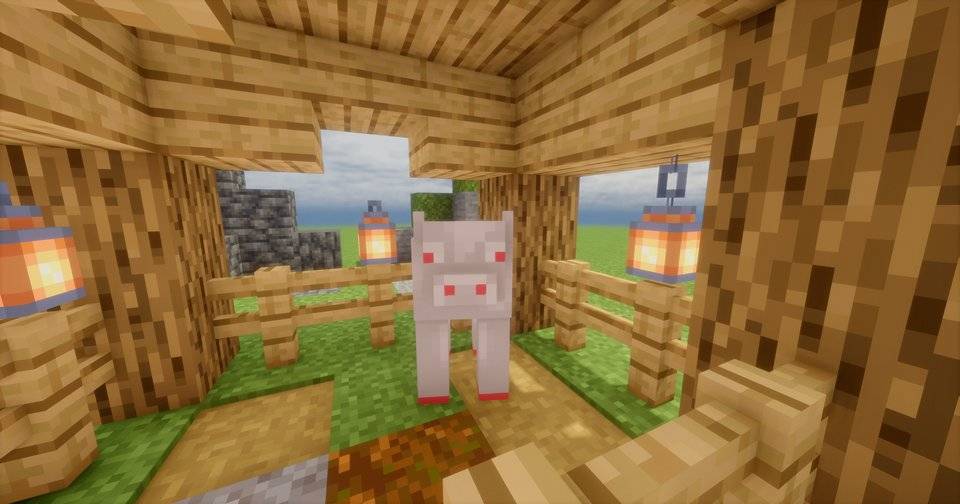
albinism.jpg
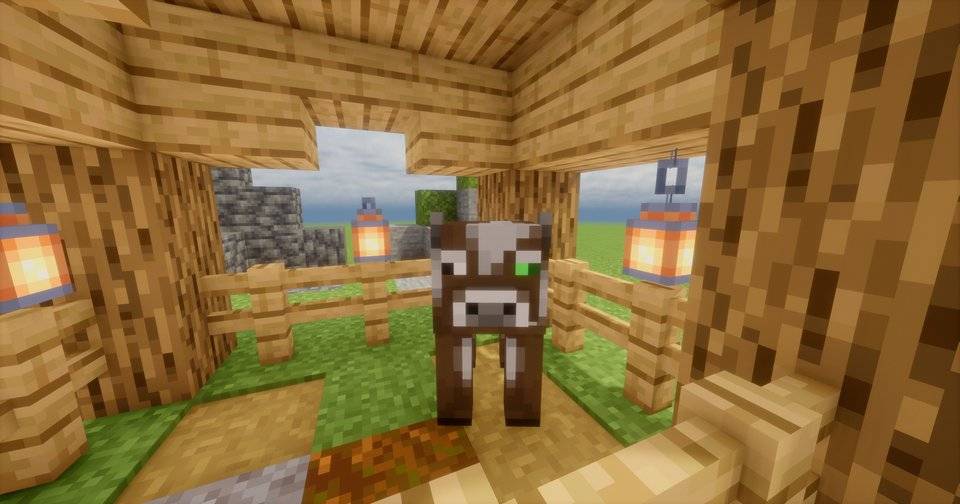
heterochromia.jpg
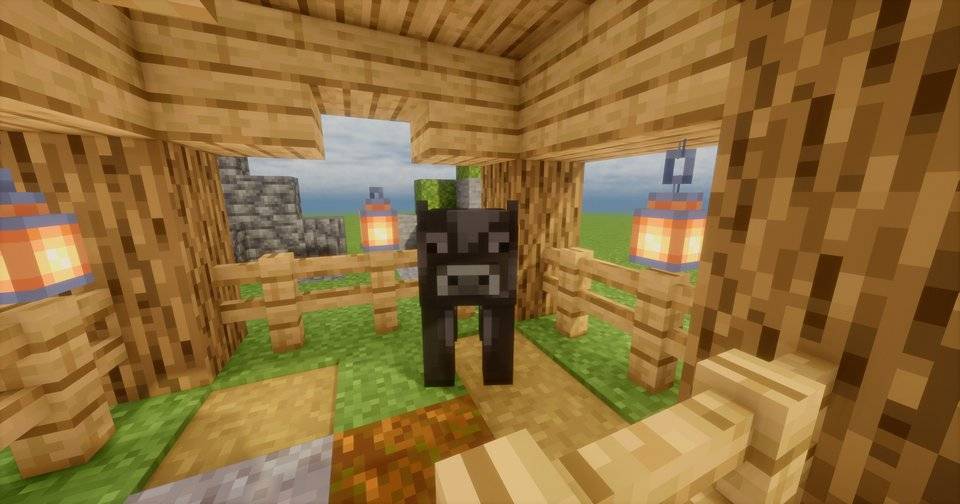
melanism.jpg
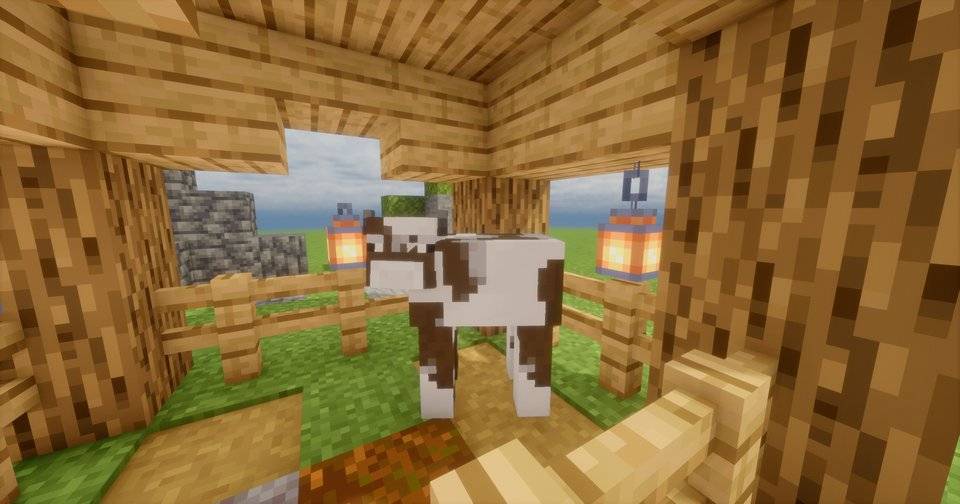
spotting.jpg
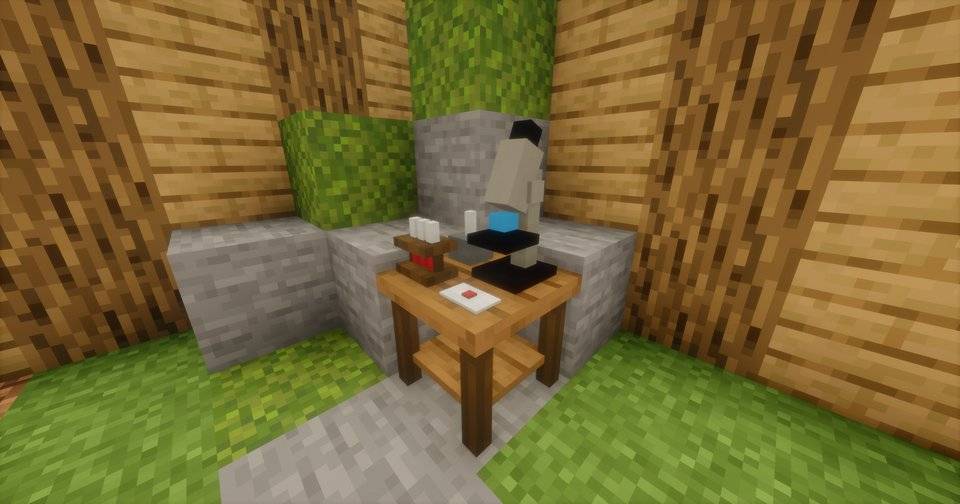
table.jpg
Description
 I wanted breeding in Minecraft to be about more than throwing wheat at two cows. Bloodlines gives farm animals real genes: dominant, recessive, hidden for generations, and occasionally something weird. It adds no new mobs, just a lot more going on in your pens.
Contents: Looks · Genes · Breeding & inbreeding · Regional breeds · Aging & wool · Lab equipment · Commands & config · Install
Looks
Every cow, pig, sheep, chicken, rabbit, goat, horse, donkey, mule, llama, camel, wolf and cat now has a genome, and some of it shows on the outside. Wild and exotic animals (frogs, axolotls, nautiluses…) are left alone.


Size varies too. Every animal has an inherited stature, much like human height, on top of the dwarf and giant genes, so no two cows in a herd are quite the same.
Genes
Each gene is a pair of alleles, one from each parent, inherited by plain Mendelian rules.
| Gene | Effect |
|---|---|
| Size | dwarfs (recessive) and giants (one copy already makes an animal bigger) |
| Pigment / Melanism / Spotting | the coat colours above. Albinism hides the other two. |
| Eyes | heterochromia (recessive) |
| Voice | high, low, or wobbly when an animal carries one copy of each |
| Fertility | breeds twice as often, or half as often |
| Vigor | frailty, a hidden recessive that inbreeding drags out |
| Agility | 15% faster or slower |
| Yield | extra wool when shorn, eggs more often |
| Twins | dominant and rare |
| Youth | the young never grow up (a golden dandelion fixes it) |
| Longevity | lives up to 1.8× longer |
Animals carrying a lot of different alleles also get a small health bonus from hybrid vigor.
Breeding & inbreeding
Every animal remembers its family four generations back, and the mod calculates inbreeding the same way real breeders do. It matters:
- Hidden genes surface. That's how you lock in a rare trait like albinism, and also how frailty shows up.
- Inbred animals are smaller and regrow wool more slowly.
- Congenital defects appear from cousin level upwards: a weak heart, a limp, sterility, or a visibly wrong body (oversized or tiny head, bloated torso, crooked neck).
- Mutations are more common. Any birth can occasionally bring a brand-new mutation that neither parent had. You'll see sparks when it happens.
Sibling × sibling gives roughly a 40% chance of a defect. Bring in fresh blood.
Regional breeds
Wild animals carry different genes depending on where they were born. Mountain herds are agile and long-lived, snowland animals are bigger and more often albino, swamp and dark-forest animals lean melanistic, savanna animals run large, and the mushroom fields… see for yourself. There are twelve breeds in all, and crossing two of them gives a mixed breed.
Aging & wool
Animals age. Old ones go grey and breed less, and past their lifespan they retire from breeding completely. Nobody dies of old age. The longevity gene stretches all of it out.
Shorn sheep regrow their fleece gradually, a quarter per grass block eaten, and you can watch the wool fill out on the model.
Lab equipment
Genes stay hidden until you take a look.
Syringe

Right-click an animal to draw a blood sample. Hold right-click with the sample to analyse it, which prints the full report. Tap another animal with an analysed sample to see how closely the two are related before you pair them.
Analysis Table

A lab bench with a microscope. Drop two samples in and it analyses them. Its monitor has three tabs: each sample's report, and Offspring, which predicts what those two animals' young would look like (chance of every trait, size range, defect risk). This is what you'll actually plan around.
Genetic Ear Tag

Clip it to an animal's ear while carrying its analysed sample. After that, right-click the animal with an empty hand to read its genes. To take it off, sneak and use shears on its head.
Pedigree Book

Use it on a tagged animal to open its family tree: parents, grandparents and great-grandparents, with defects marked in red. Hover a box for details. The book is never used up.
Commands & config
/bloodlines acts on the animal you're looking at: info, gene <gene> <alleles>, defect add|remove|clear, stature, age, origin, inbreeding, wool, randomize. It's mostly for testing and fun.
config/bloodlines.json controls which species have genes, mutation and defect rates, lifespan, wool regrowth, twin chance and more.
There's also an advancement tab, from First Blood to Pure Bloodline.
Install
Minecraft 26.3 · Fabric Loader 0.19.5+ · Fabric API · Java 25
Bloodlines - genetics Team