


Before The Fall
- By

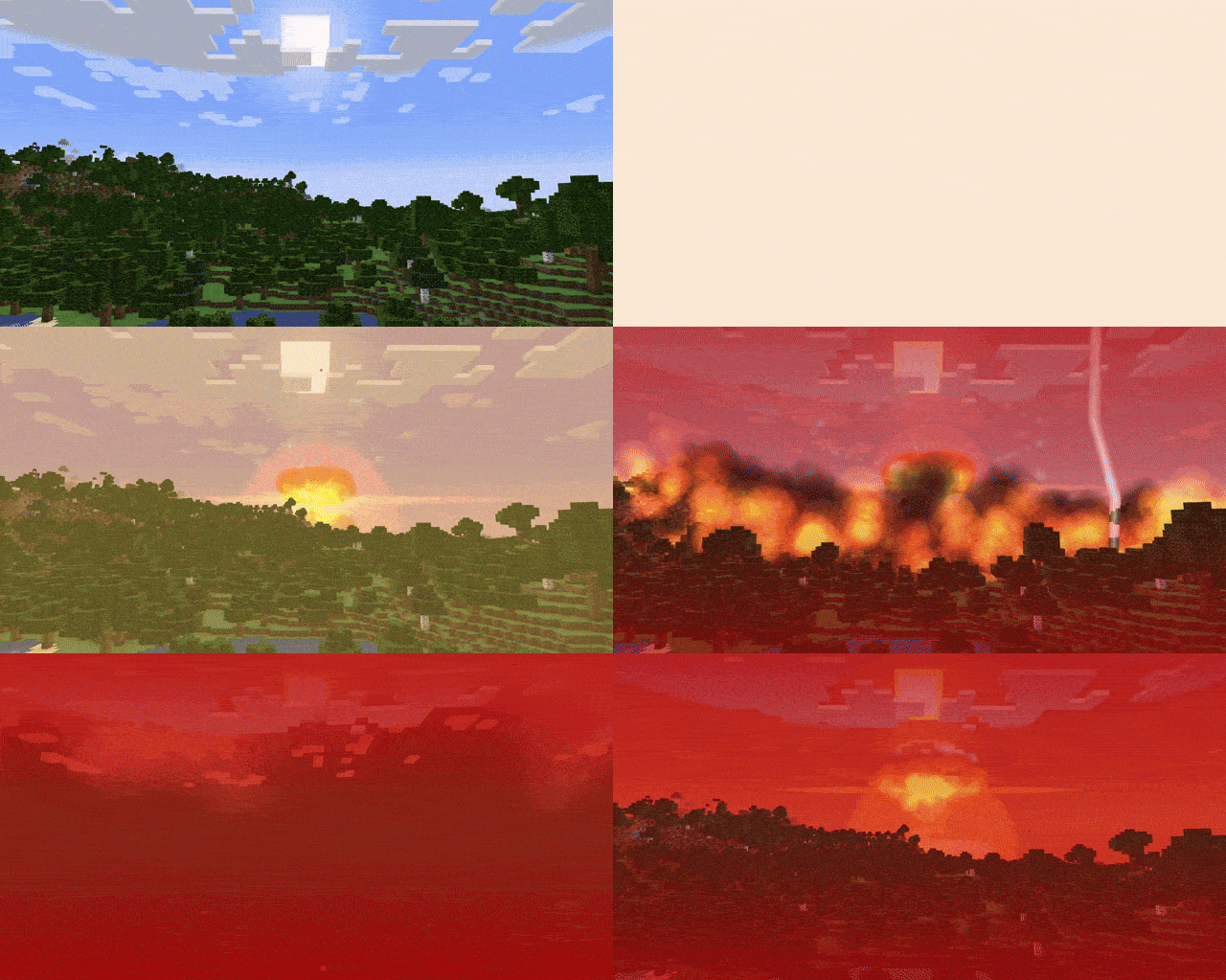
The final siren sounds. A blinding flash and a devastating shockwave mark the beginning of a new world. What happens afterward depends on how well you prepared.
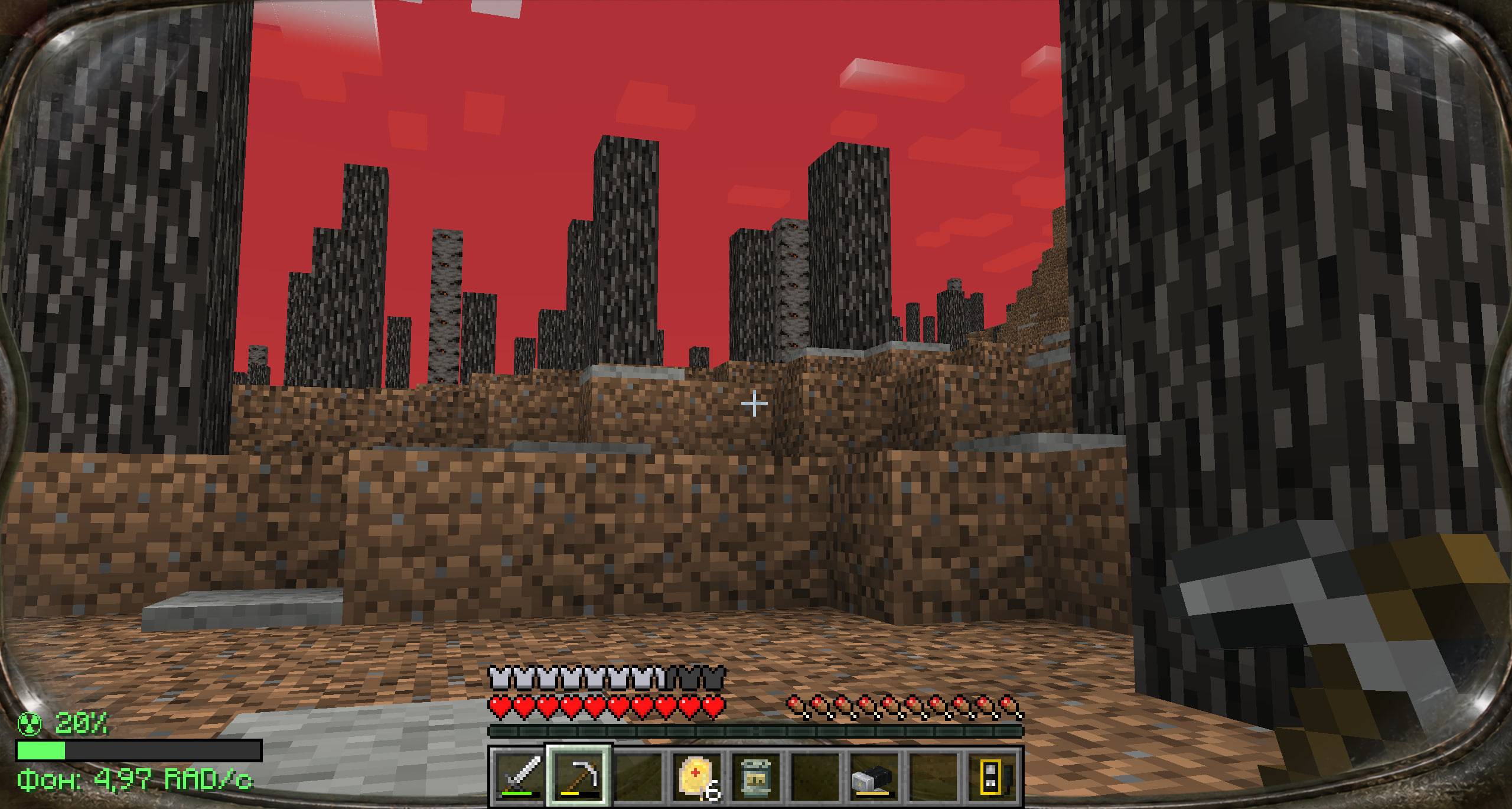
Walk through the remains of a forest devastated by the nuclear catastrophe. Charred trees and dead vegetation are reminders of how much the world has changed.
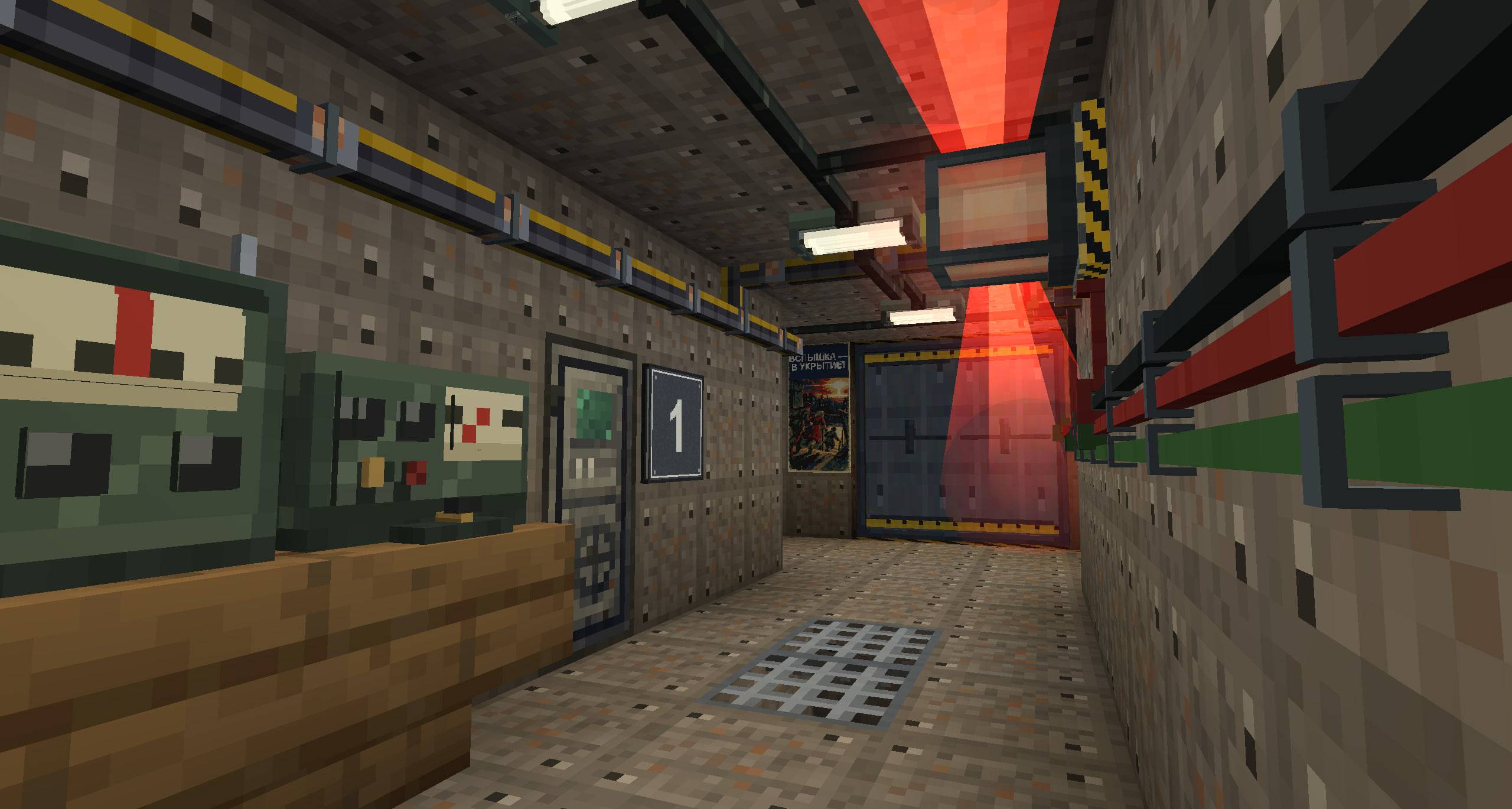
Build and equip your underground shelter with reinforced doors, electrical systems, monitoring equipment, and everything needed for long-term survival.
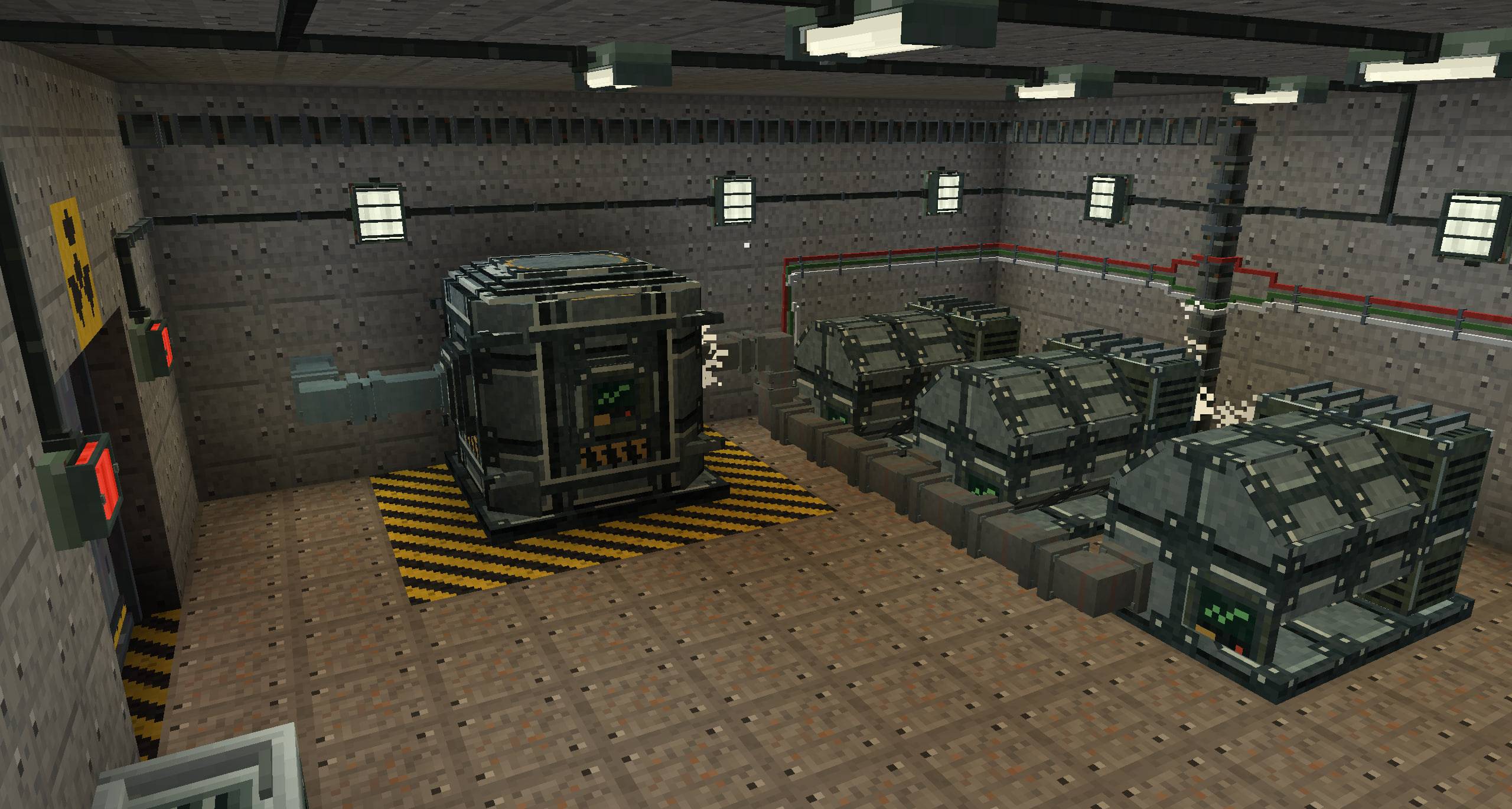
Build a fully functional nuclear power plant with cooling pumps, steam pipelines, and turbines. Generate electricity for your shelter, but keep the reactor properly cooled and maintained.
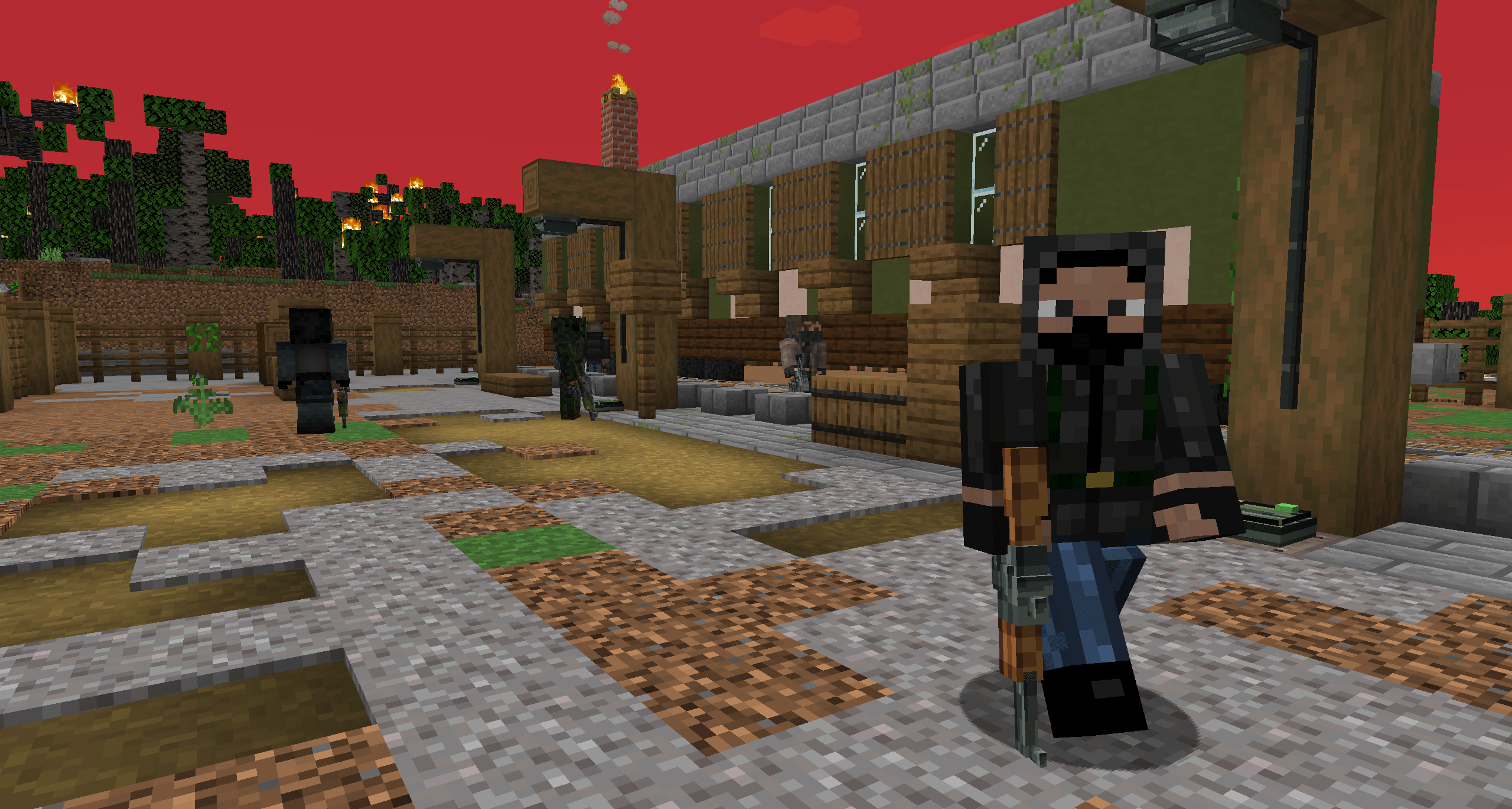
Discover settlements established by other survivors. Establish contact, trade resources, complete assignments, and build relationships with factions trying to survive the aftermath.
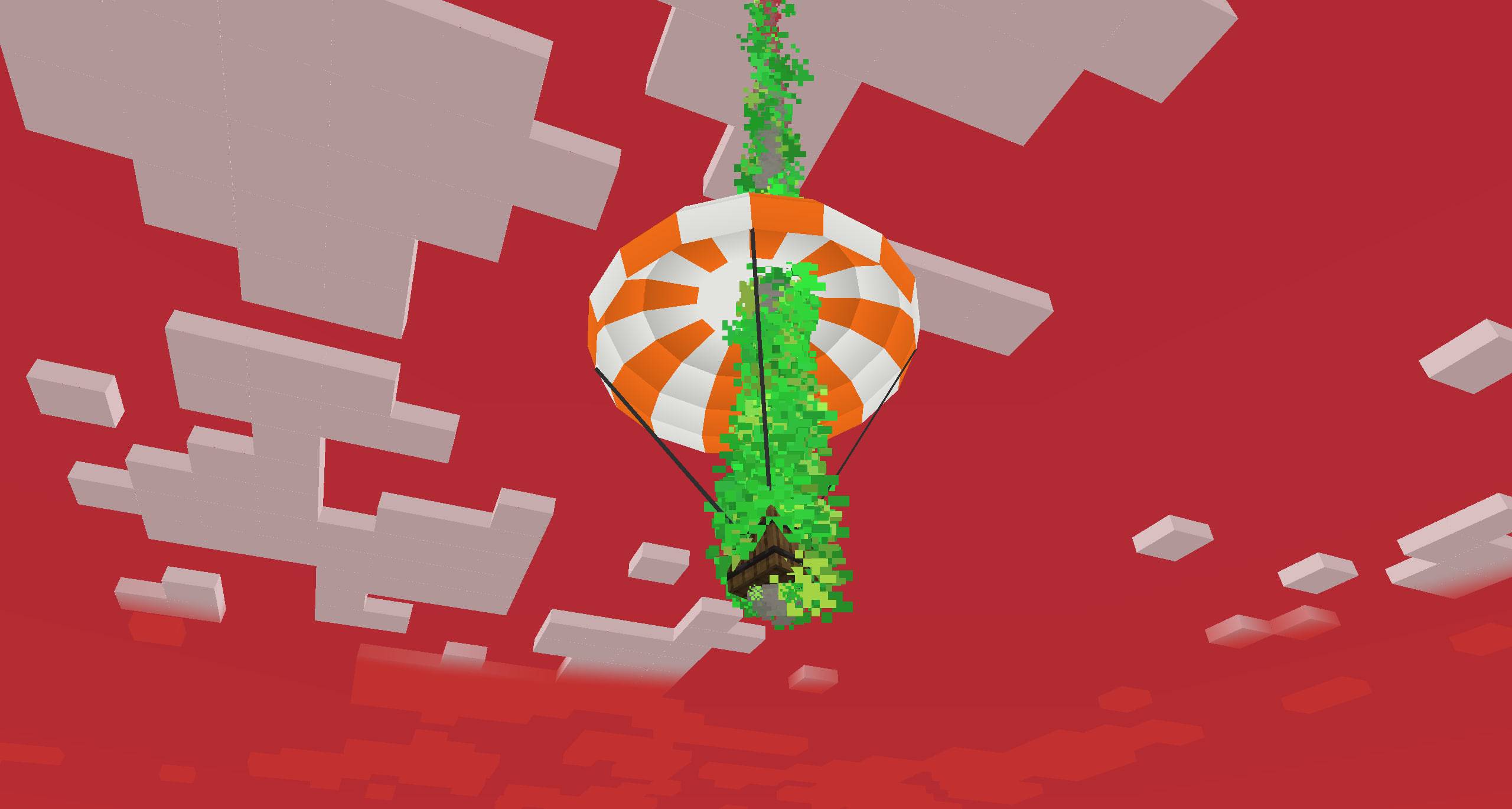
Even after the catastrophe, Civil Defense continues its efforts to help survivors. Follow radio transmissions to locate humanitarian supply drops and recover valuable resources.
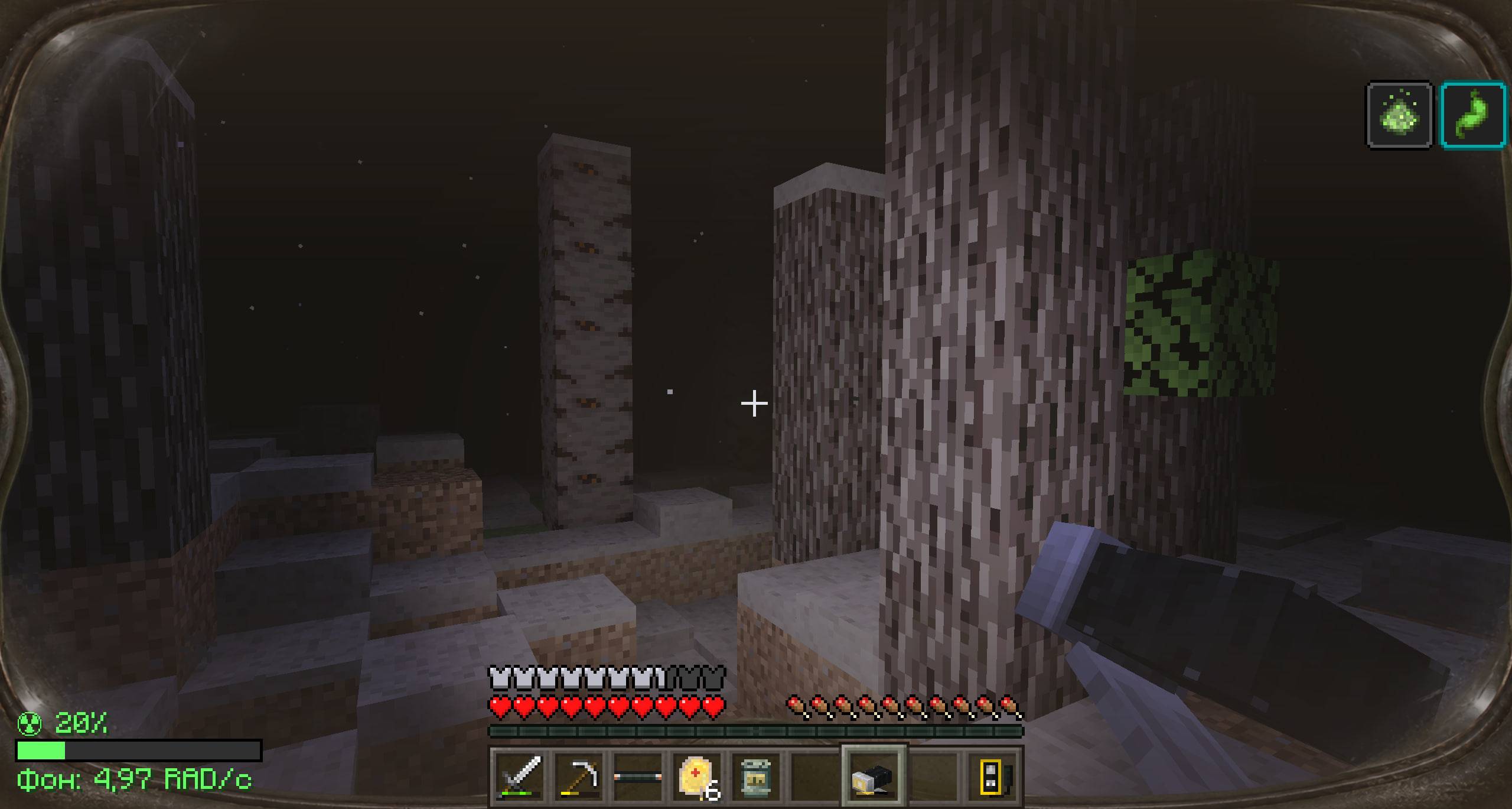
Venture outside with protective equipment and search for valuable resources. Radiation and dangerous environmental conditions make every expedition a risk.
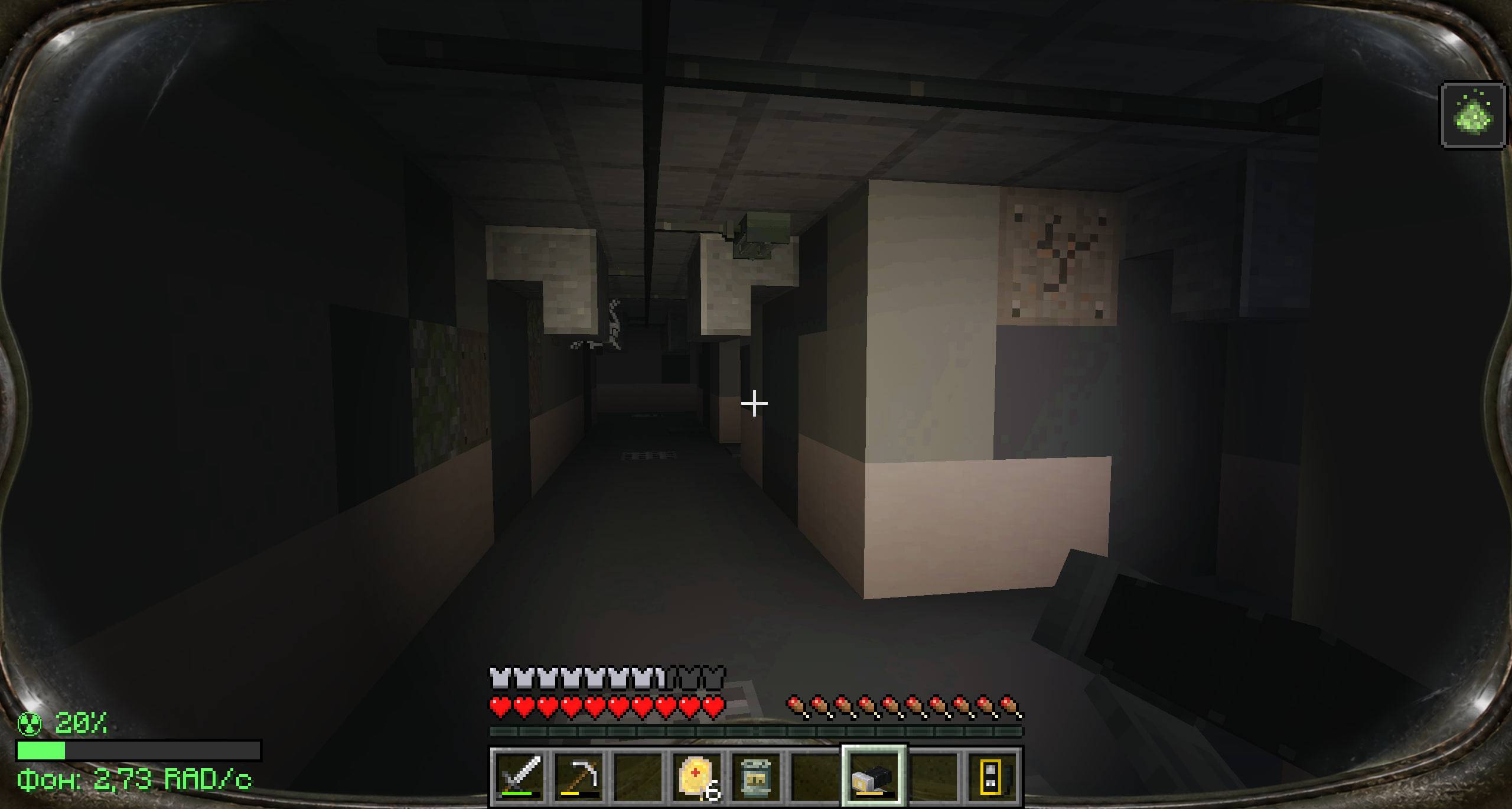
Explore forgotten underground structures and abandoned shelters. Search for supplies, equipment, and traces of the people who once lived there.
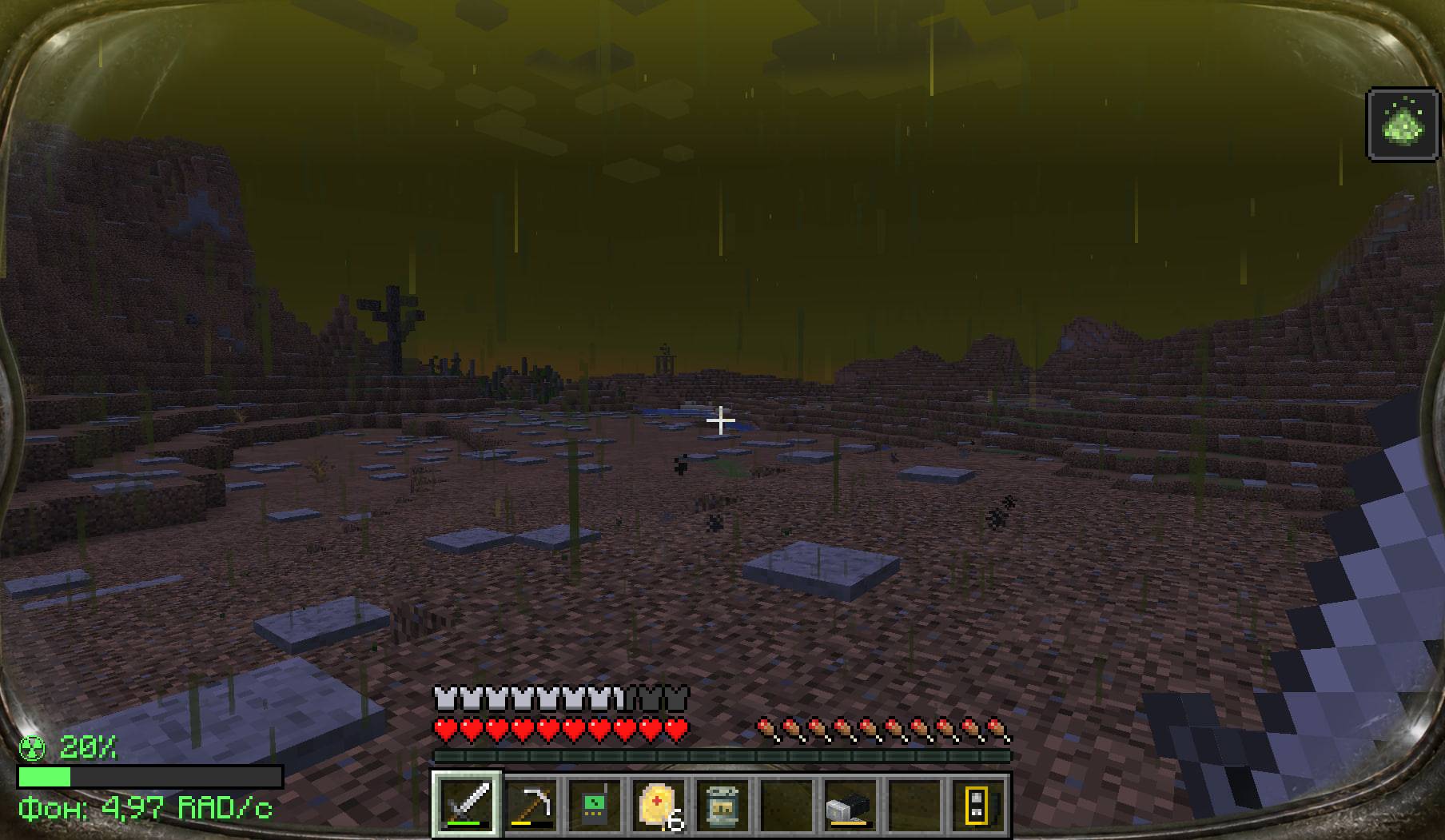
Corrosive rainfall damages exposed equipment, protective gear, and vegetation. Keep your shelter sealed and maintain anything left outside.
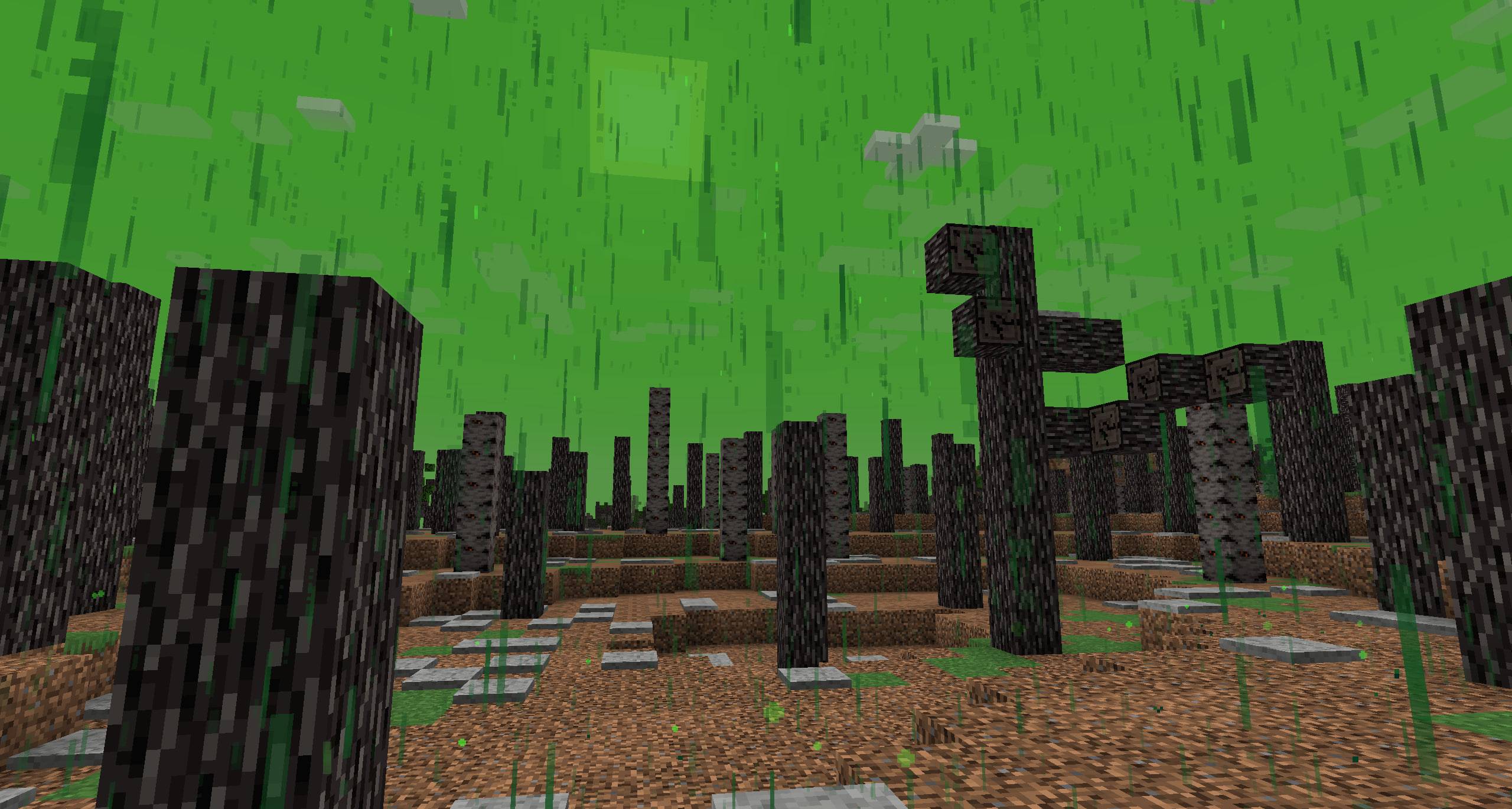
Radioactive rainfall contaminates the surface, increasing radiation levels and making outdoor exploration even more dangerous. Every drop brings another threat to those caught outside without proper protection.
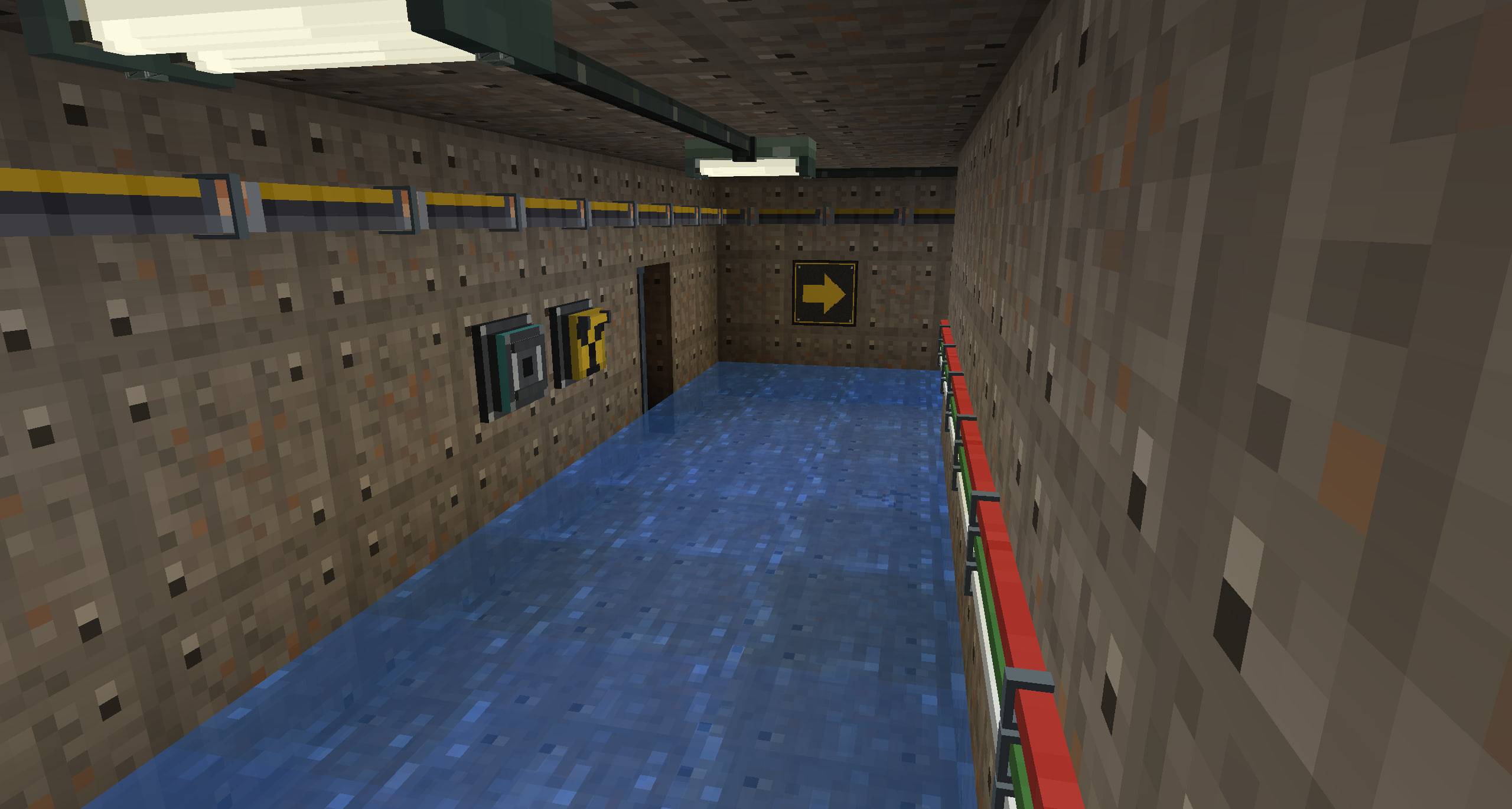
Water can flood underground rooms and damage your shelter. Detect leaks, repair damaged structures, and drain flooded areas before the situation gets worse.
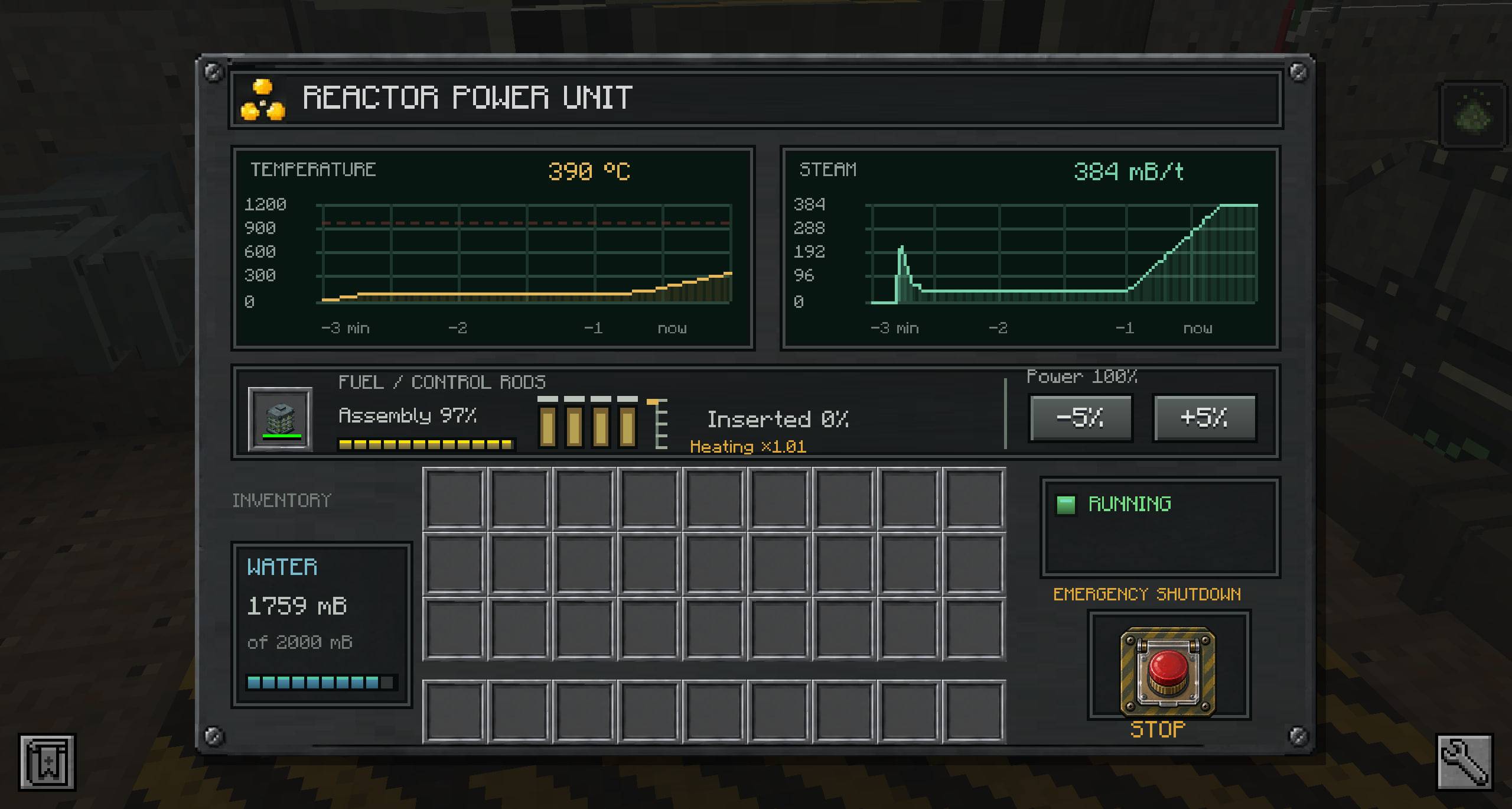
Monitor reactor temperature, power output, fuel levels, and cooling systems. Adjust control rods, manage reactor power, and respond to emergencies before they become catastrophic.
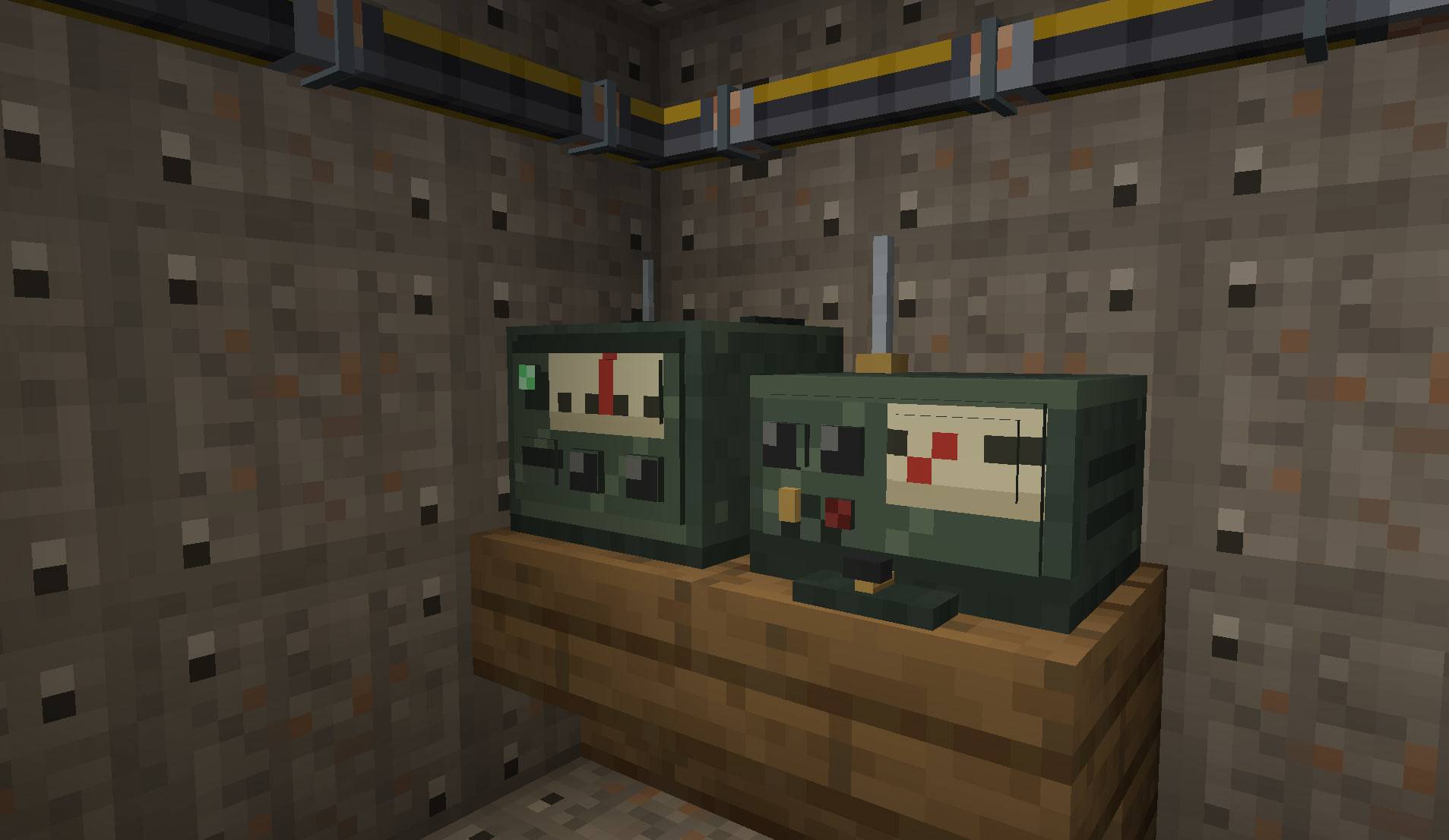
Build your own radio communication system. Receive transmissions from distant stations, contact other survivors, and stay connected to the world outside your shelter.
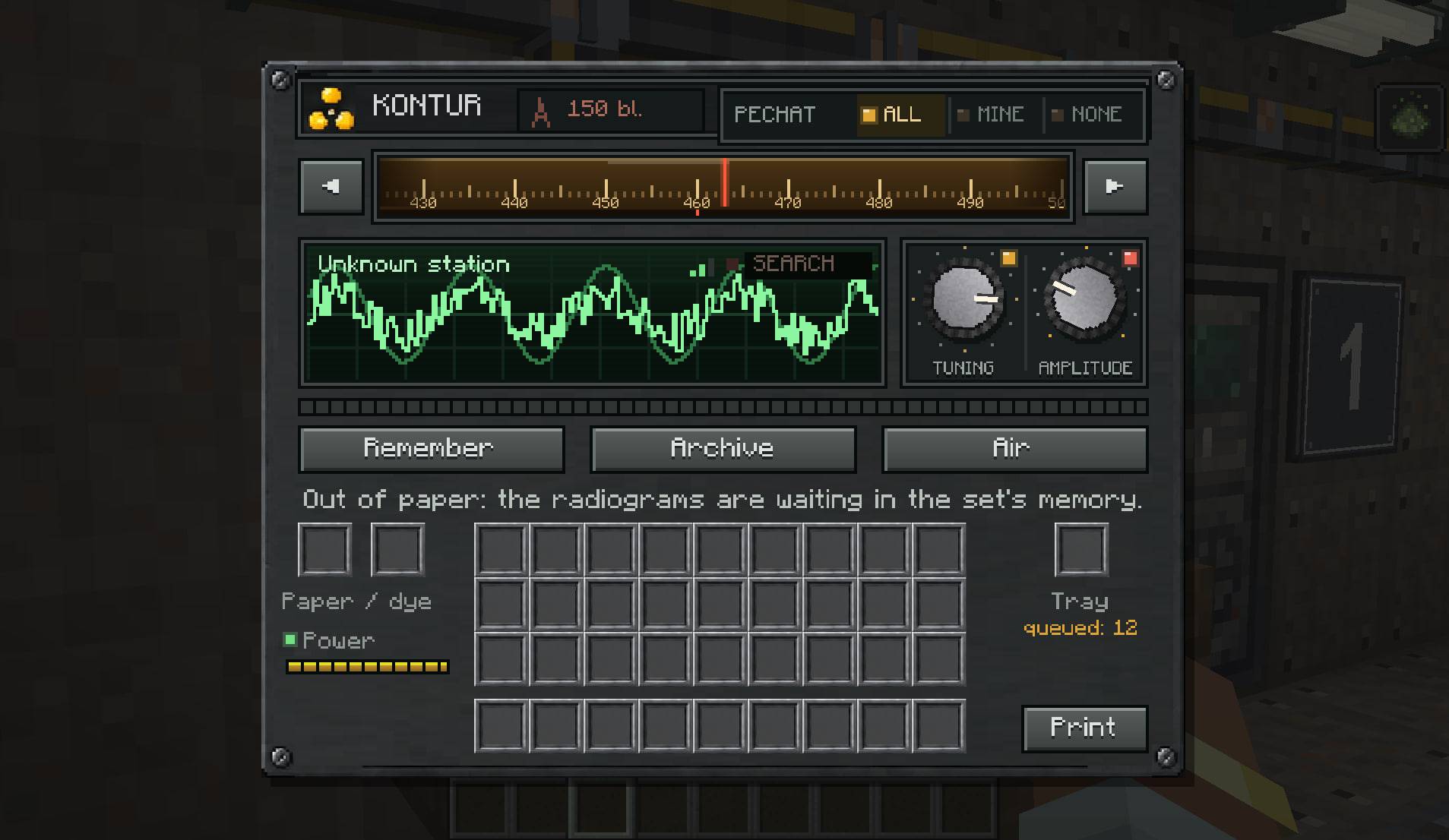
Search for signals by adjusting frequencies and tuning your receiver. Weak transmissions and interference can make finding a clear signal difficult.
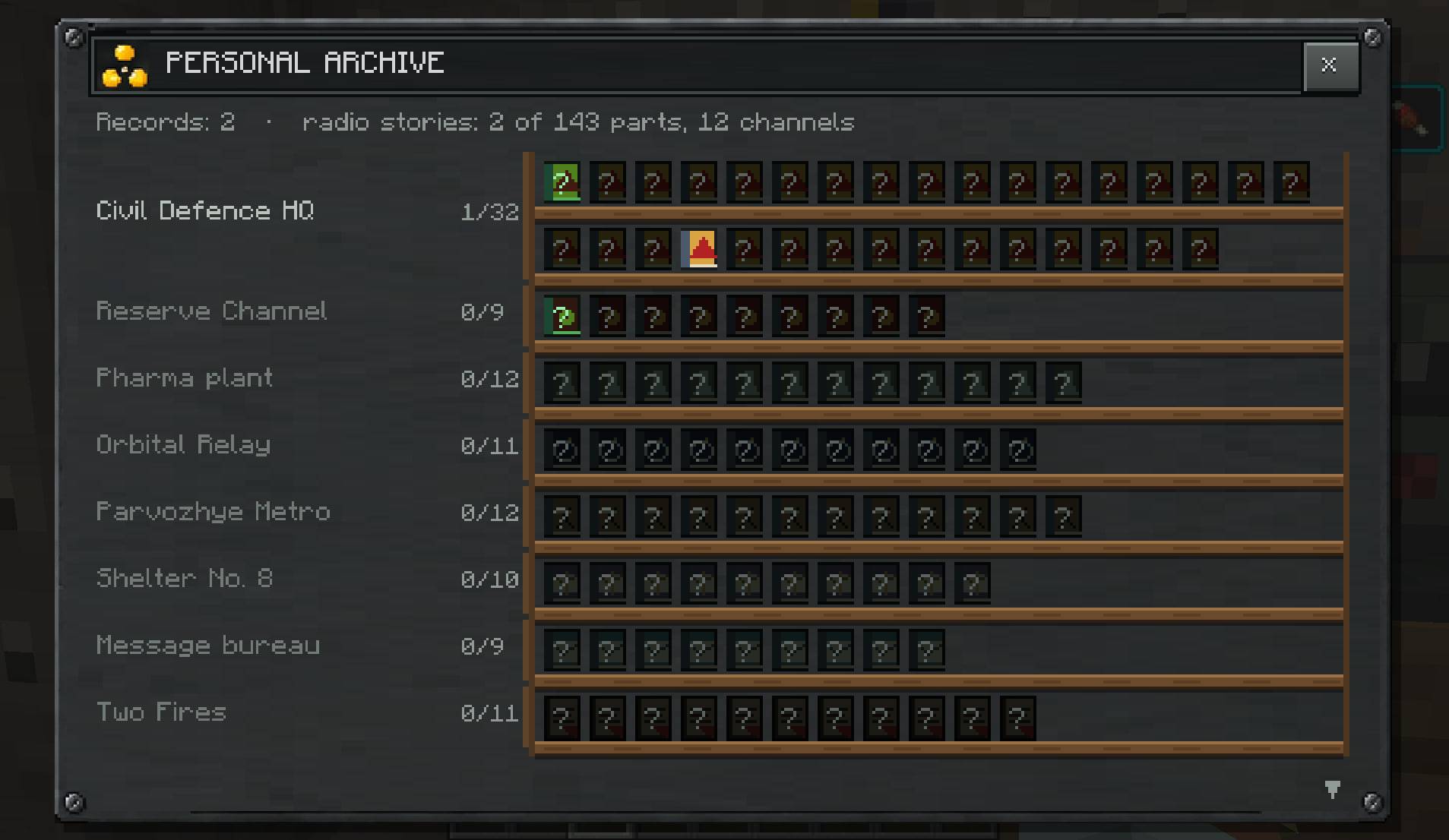
Discover and collect stories transmitted across the wasteland. Your radio archive keeps track of received broadcasts, allowing you to revisit the lives and experiences of other survivors.
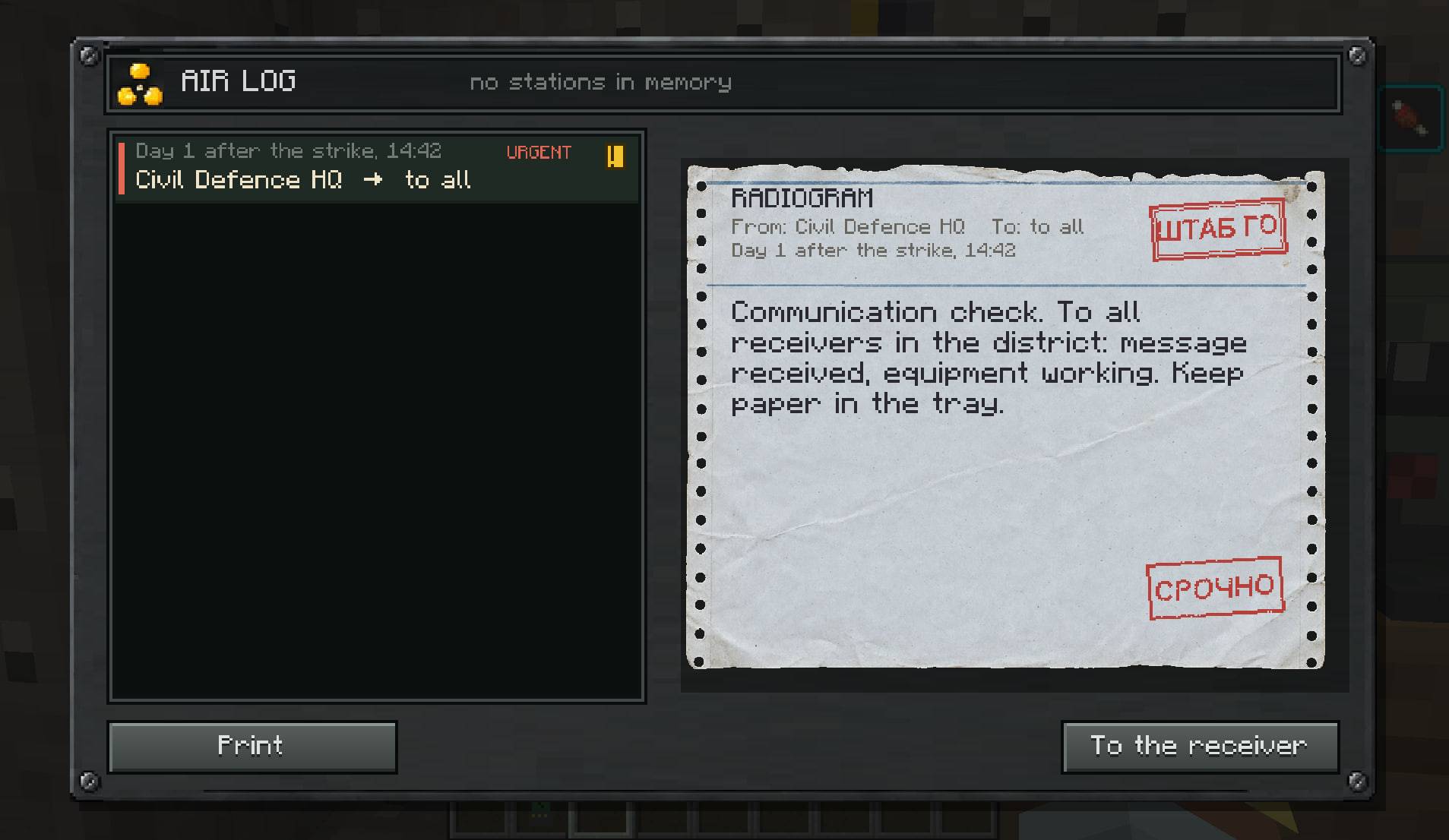
Receive and archive radio messages from people who survived the catastrophe. Discover personal stories, emergency reports, and fragments of a world that no longer exists.