Spring Slumber
- By
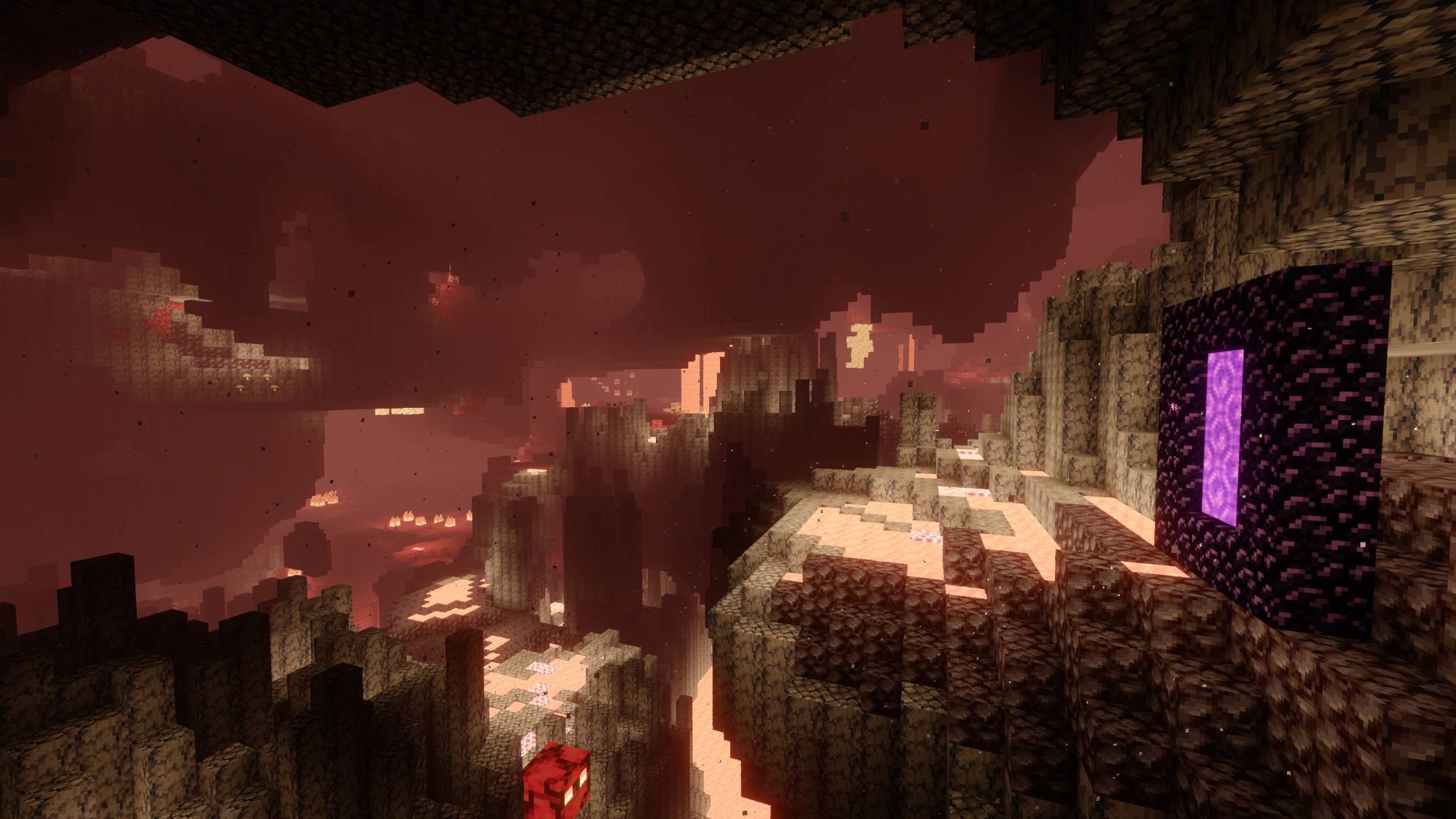
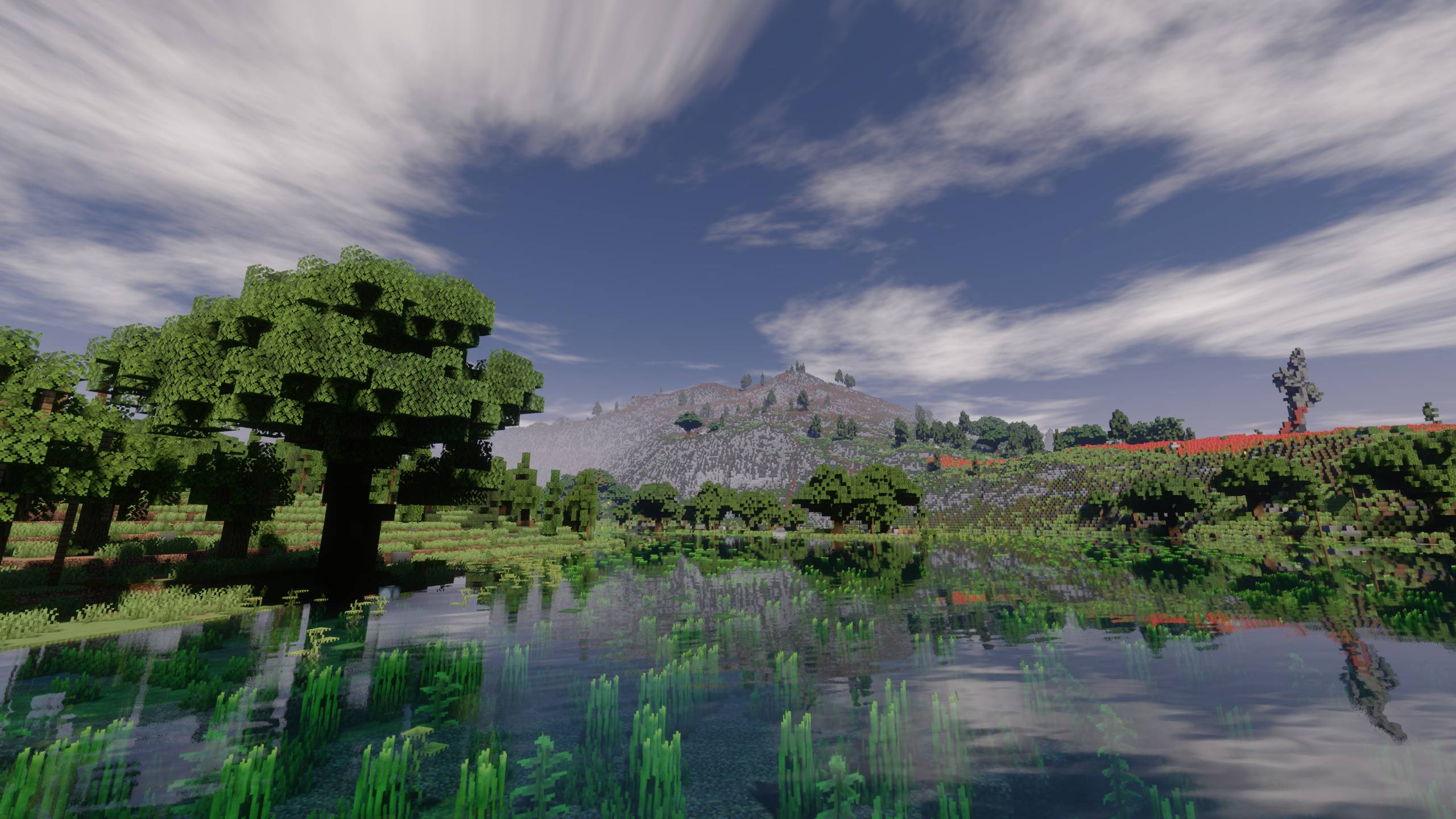
A lightweight shader pack with soft visuals, smooth performance, and broad compatibility from Minecraft 1.8.9 onward.
Description
Spring Slumber
About
Spring Slumber is a Minecraft shader pack focused on lightweight rendering, smooth performance, and broad version compatibility. It is an experimental project developed in spare moments, with extensive AI involvement.
Compatibility
- Minecraft 1.8.9 and later.
- Supports OptiFine and Iris. Oculus has not yet been tested.
- Tested with NVIDIA and Intel GPUs. AMD GPUs have not yet been tested.
Features
Lighting and Shadows
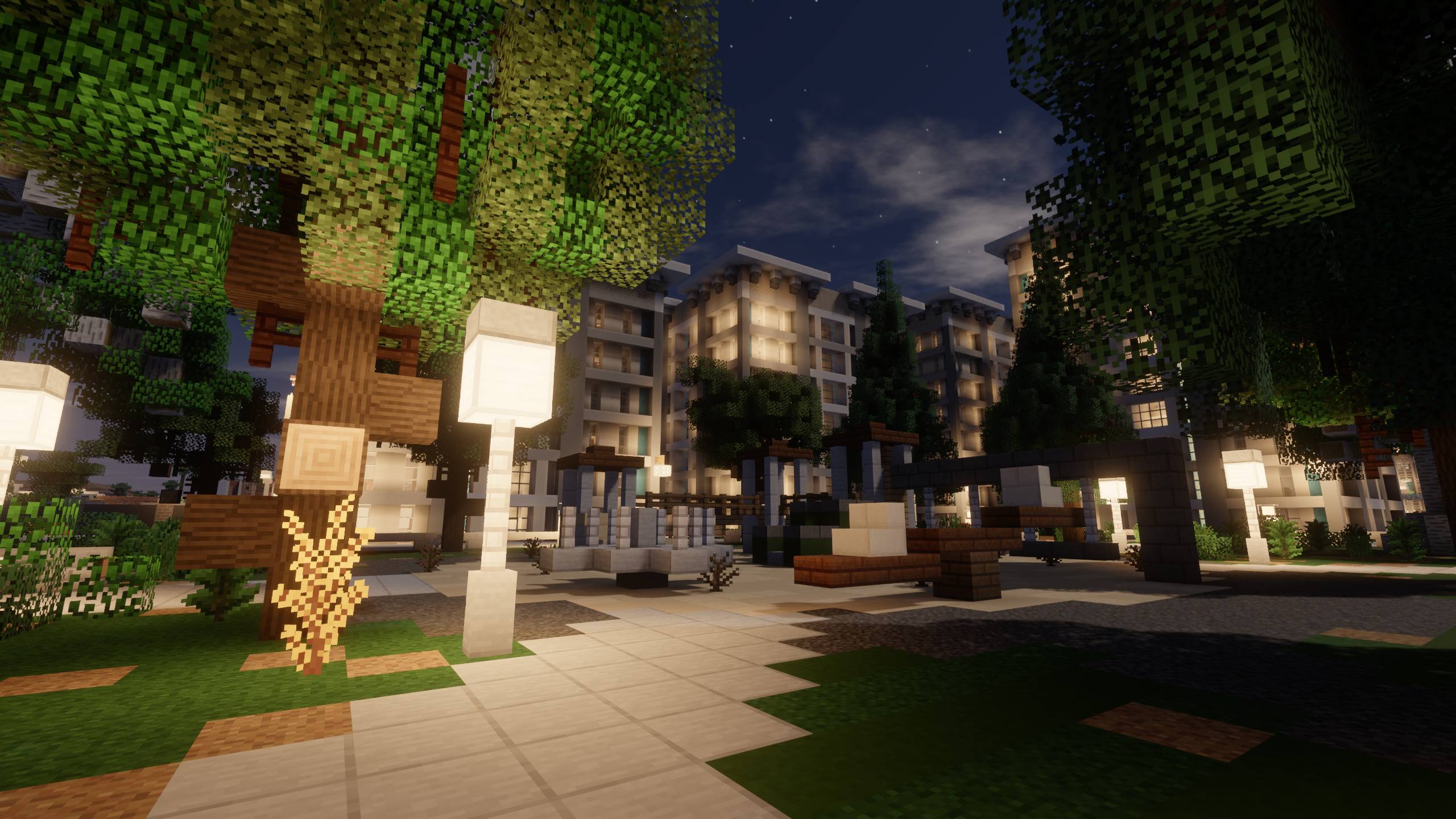
- Deferred lighting.
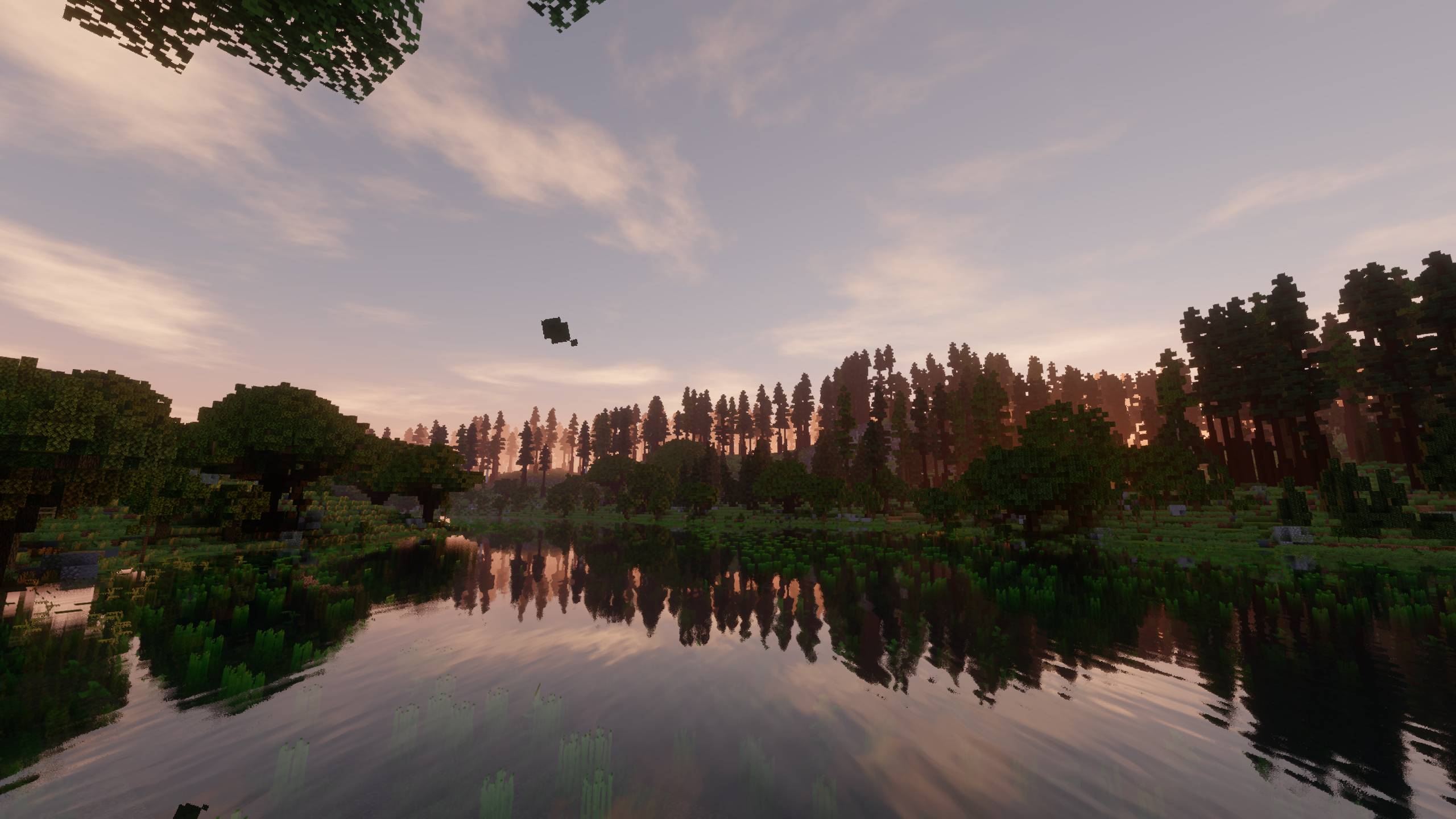
- PCF soft shadows and screen-space shadow tracing.
- Dynamic underwater caustics.
- PBR-based specular highlights.
- Subsurface scattering (SSS) for vegetation.
Sky and Atmosphere
- Physically based atmospheric scattering.
- Procedural volumetric clouds.
- Sun, moon, and stars.
- Aerial perspective fog.
Water
- Real-time waves and normals.
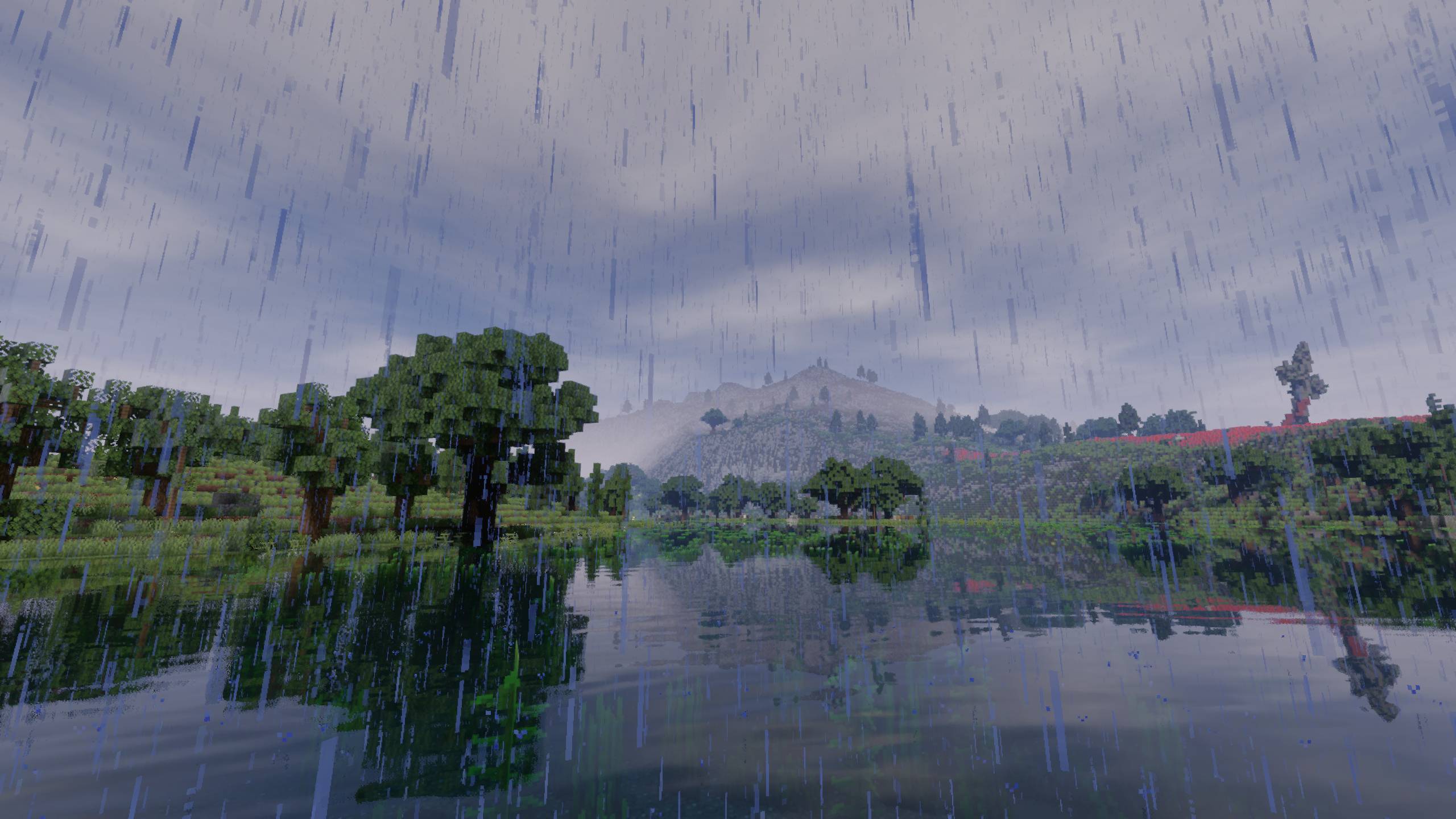
- Screen-space reflections (SSR).
- Refraction distortion.
- Water fog and underwater effects.
Rain and Wind
- Wet surfaces and puddles.
- Specular reflections on wet surfaces.
- Wind-driven vegetation animation.
Post-processing
- Temporal anti-aliasing and upscaling (TAAU).
- Adaptive sharpening.
- Automatic exposure, basic color filters, and tone mapping.
- Bloom.
Mod Compatibility
- Super Resolution.
- Voxy.
Development Background
As my earlier shader pack, Spring v2, continued to evolve, its hardware requirements increased and its support for older versions narrowed. It now supports Minecraft 1.18 and later. Meanwhile, Spring v1, an early learning project, has an architecture that is too dated to meet my current everyday needs.
I have long wanted to create a shader pack that combines good performance with broad compatibility, while also testing a new architecture for an unreleased project. However, the workload of my other shader projects left me with little time. Recent improvements in open-source AI models prompted a bold experiment: using spare moments to delegate part of this shader pack's development to AI.
So, to put it bluntly, this is AI slop: the code quality is uneven and it lacks careful polish. It may be more useful as an example of what not to do in shader development.
During development and code generation, the AI drew on implementations by many other talented shader authors. I have tried to document these references as fully as possible in the source comments. If the unpredictability of AI-generated code or an oversight on my part has resulted in missing attribution or infringement, please contact me so I can correct it promptly.
The AI tools contributed as follows:
- GLM generated most of the shader code.
- DeepSeek assisted with research and code review.
- ChatGPT helped resolve complex errors and remaining technical problems.
- Gemini helped write the original Chinese description.
Spring Slumber Team

Owner