Golden Spring
- By
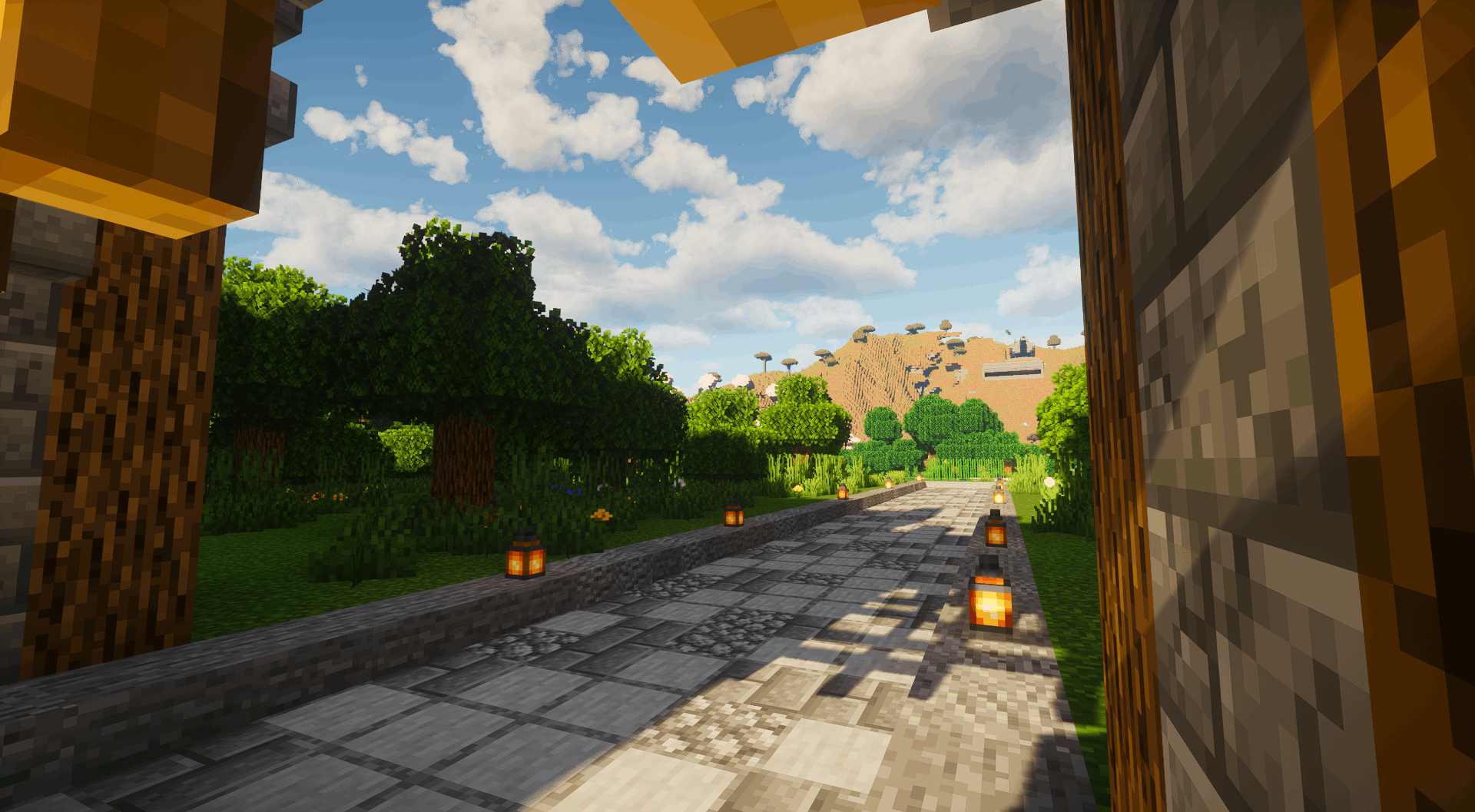
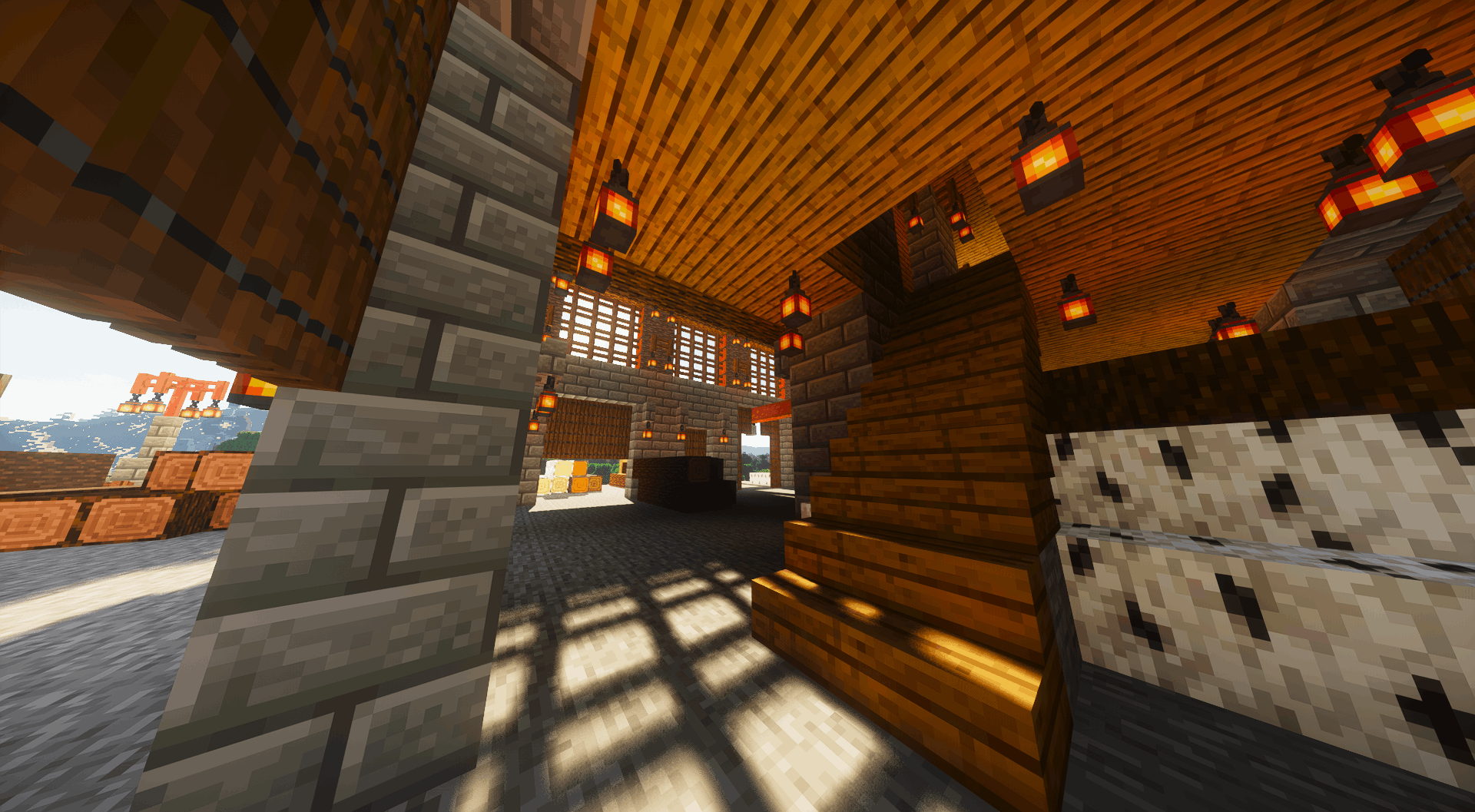
Golden Spring transforms Minecraft Java into a warm, cinematic world drenched in golden-hour light that you never knew Minecraft could have
1.png
3.png
4.png
5.png
6.png
7.png
10.png
Description
Golden Spring Shader V1
Warm. Cinematic. Alive.
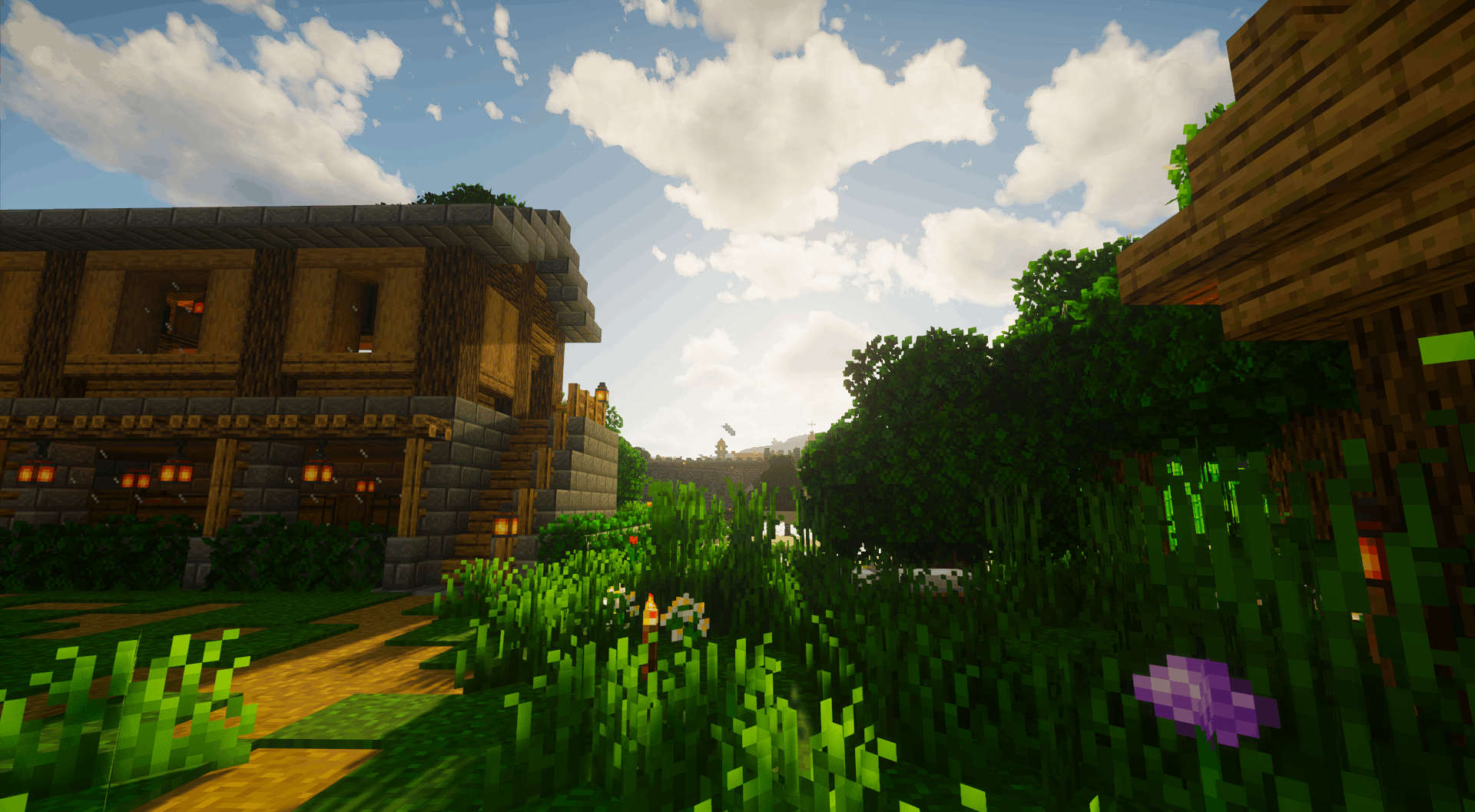
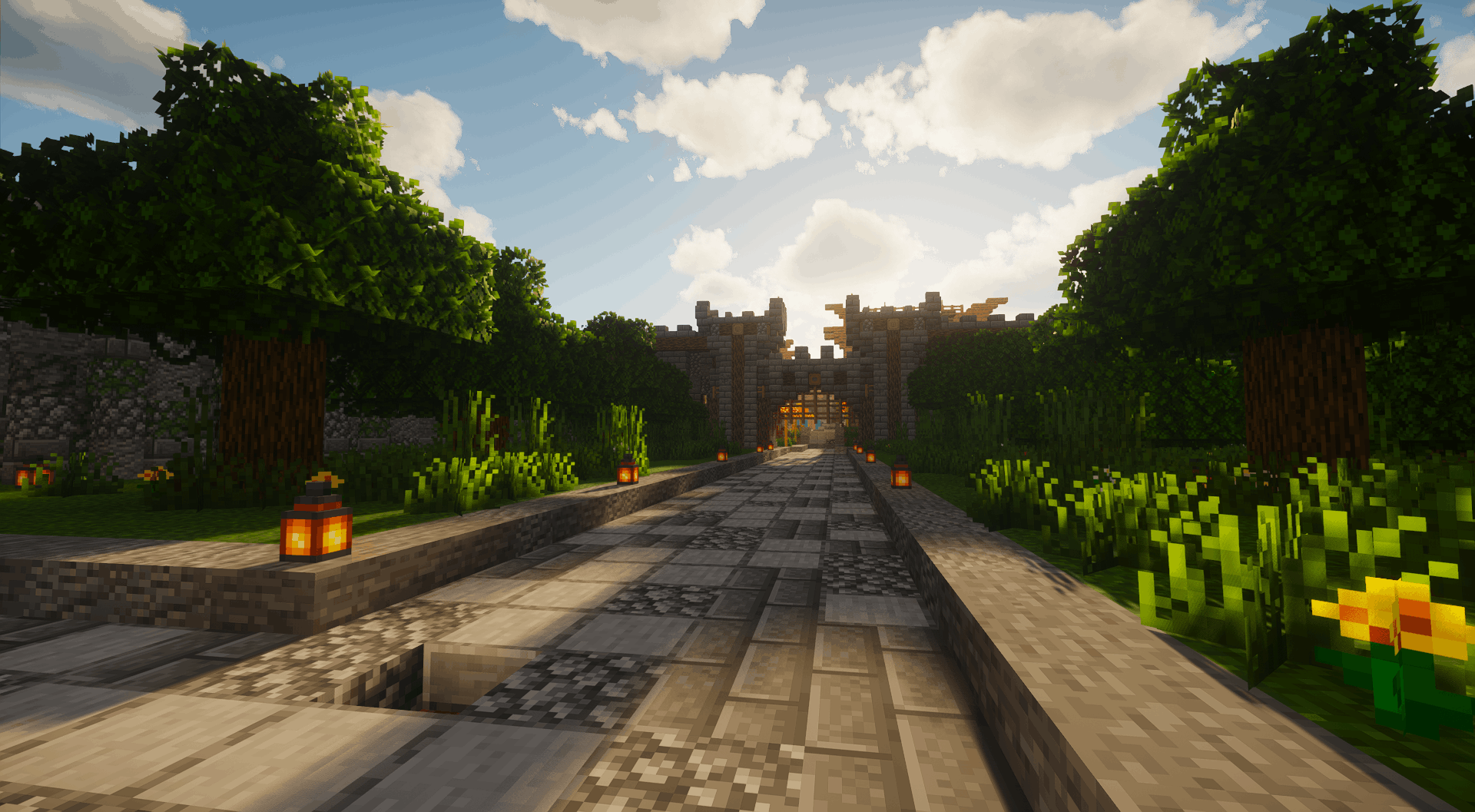
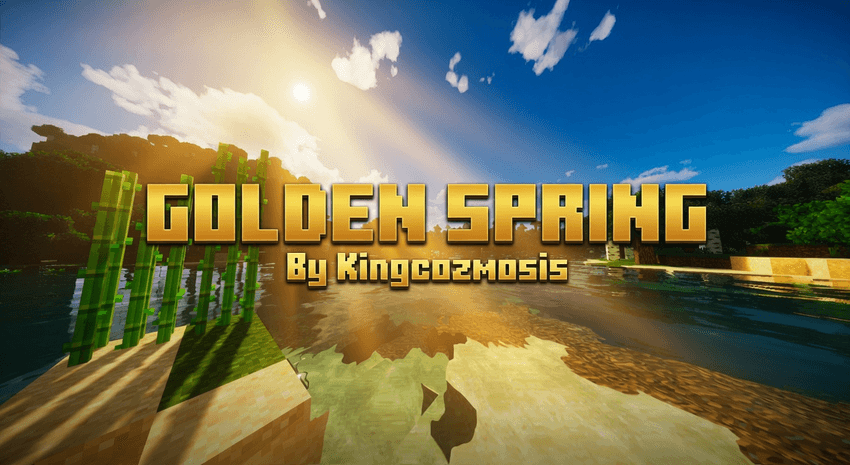
Golden Spring transforms Minecraft Java into a warm, cinematic world drenched in golden-hour light. Amber sunlight casts long soft shadows across lush landscapes while cool blue-purple tones settle deep into the shade that unmistakable late-afternoon glow you never knew Minecraft could have.
Built on a fully physics-based rendering pipeline with atmospheric scattering, reflective shadow mapping, and PCSS shadows then tuned with our signature warm colour grade to make every screenshot look like concept art.
Features
Lighting
- Physical atmospheric scattering — Rayleigh + Mie model. Sky colour shifts naturally with sun elevation throughout the day, producing a realistic gradient from deep blue zenith to warm amber horizon at sunrise and sunset
- PCSS soft shadows — Penumbra-Correct Soft Shadows create wide, blurry edges far from casters and sharp, defined edges close up — exactly how real sunlight behaves
- Coloured shadow support — Light passes through stained glass and leaves with accurate colour tinting
- RSM Global Illumination — Reflective Shadow Mapping bounces coloured light into shadowed areas, brightening corners and crevices with indirect illumination
- GTAO ambient occlusion — Ground Truth Ambient Occlusion adds realistic contact shadows where surfaces meet
Sky & atmosphere
- Physics-based sky — Full Rayleigh + Mie single-scattering model for accurate sky and fog colours
- Volumetric clouds — Full 3D raymarched clouds with self-shadowing, multiple scattering approximation, and dynamic weather coverage
- Volumetric fog & god rays — Screen-space godrays pierce through cloud gaps and treelines
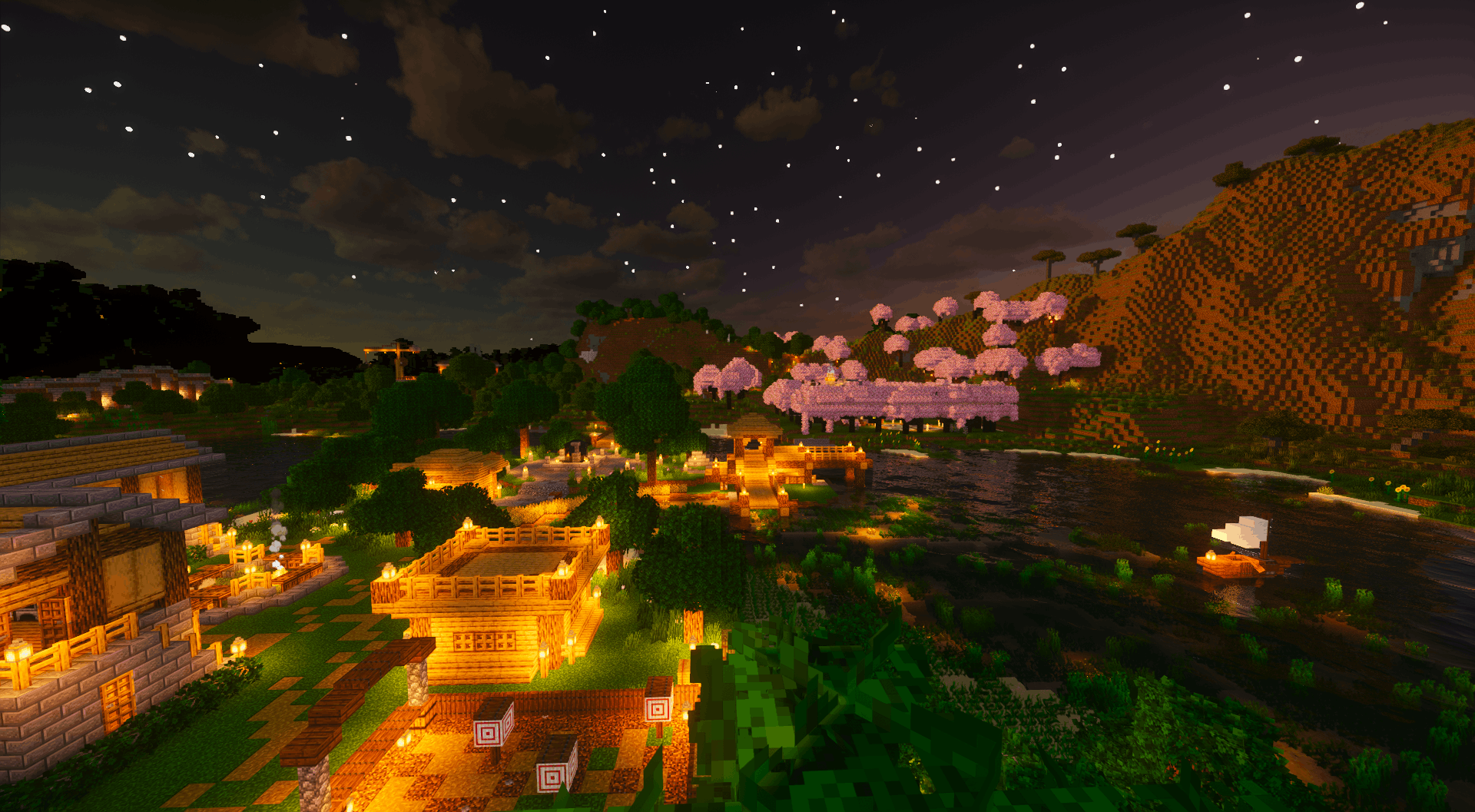
- Celestial bodies — Physically-scaled sun, moon, and stars
Water
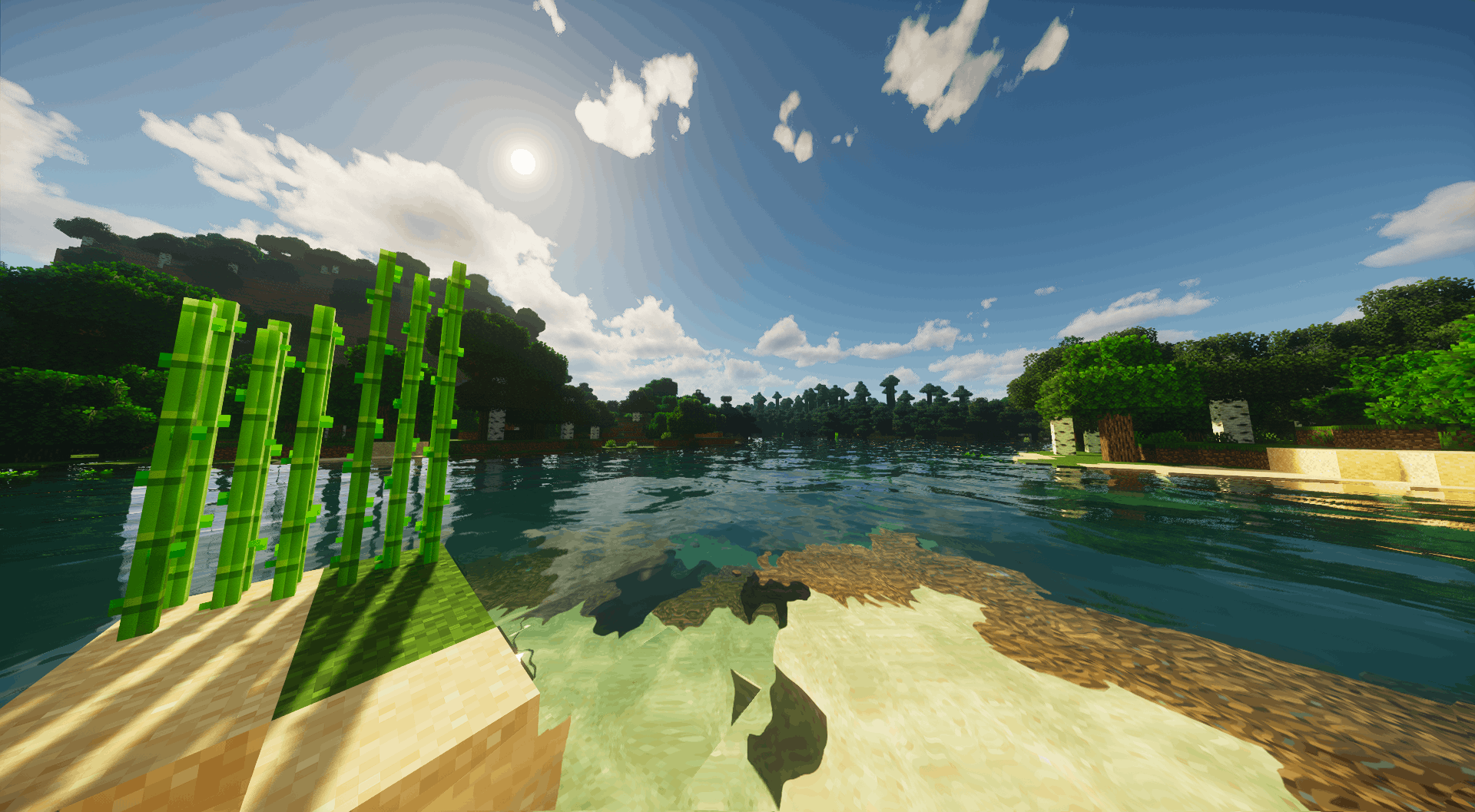
- Screen-space reflections (SSR) — Real-time reflections of the world on water surfaces
- Wave parallax — Deep, parallaxed wave normals for convincing water depth
- Caustics — Underwater light caustics shimmer on the seabed
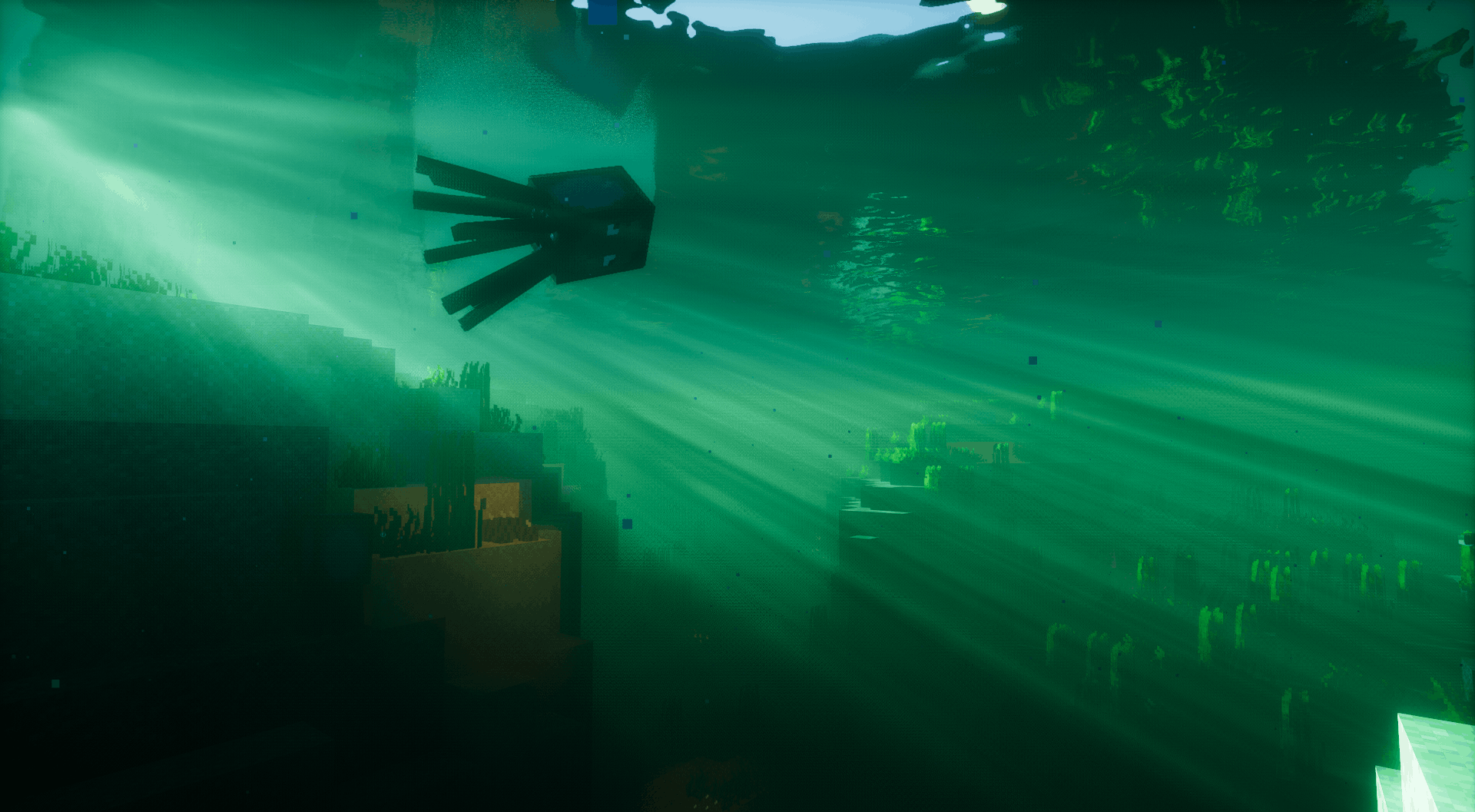
- Underwater volumetric lighting — Shafts of light penetrate below the surface
- Water mist — Atmospheric mist rises from water at dawn
Post-processing
- Golden hour colour grade — Our signature look: warm amber highlights, cool blue-lavender shadows, boosted saturation on greens and golds
- ACES filmic tonemapping — Cinematic tone curve that preserves highlight and shadow detail
- Auto exposure — Scene adapts naturally between day and night
- Temporal Anti-Aliasing (TAA) — Smooth, stable edges without jaggies
- FSR RCAS sharpening — AMD FidelityFX sharpening keeps fine detail crisp
- Depth of field — Cinematic bokeh blur on out-of-focus geometry
- Motion blur — Smooth camera motion on fast movement
- Bloom — High-quality dual-filter bloom on bright light sources
- Lens vignette — Subtle cinematic darkening at screen edges
- Film grain — Tasteful noise adds photographic textures
Performance profiles
| Profile | Recommended GPU | Shadow res | Clouds | RSM |
|---|---|---|---|---|
| Low | GTX 1080 / RX 580 | 1024 | Basic | Off |
| Medium | RTX 2070 / RX 5700 XT | 2048 | Standard | On |
| High | RTX 3070 / RX 6700 XT | 2048 | Enhanced | On |
| Ultra | RTX 3080 / RX 6800 XT+ | 4096 | Full 3D | On |
Requirements
- Iris Shaders 1.6.0+ (OptiFine is NOT supported)
- Minecraft Java Edition 1.16 – 1.21
- GPU with OpenGL 4.5 support
- 4 GB VRAM minimum (8 GB recommended for Ultra profile)
- PBR resource pack optional but recommended for enhanced normal maps
Frequently Asked Questions
Does it work with OptiFine? - No. GoldenSpring uses GLSL 4.50 features that require Iris. OptiFine only supports GLSL 1.20.
Which profile should I use? - Start with Medium. If you get below 30fps, drop to Low. If you're above 60fps consistently, try High.
Can I use it with a PBR resource pack? - Yes! Golden Spring fully supports labPBR resource packs for enhanced normal mapping, specular highlights, and emissive blocks.
Why does rain look different? - Make sure you're on at least the Medium profile as rain rendering is disabled on Low.
Credits
Golden Spring Shader is a original work.
Please check out the repository on github Golden Spring Github
Open source algorithms referenced (all publicly available academic/community techniques):
- ACES filmic tone mapping (Academy Color Encoding System)
- PCSS (Randima Fernando, 2005)
- Henyey-Greenstein phase function (Henyey & Greenstein, 1941)
- TAA (Temporal Anti-Aliasing, industry standard)
- AMD FidelityFX Super Resolution RCAS sharpening pass
Golden Spring V1 - © 2026. All rights reserved.
The Golden Spring Team