BoralancesShaders
- By
Advanced physics-based shaderpack for modern Minecraft versions.
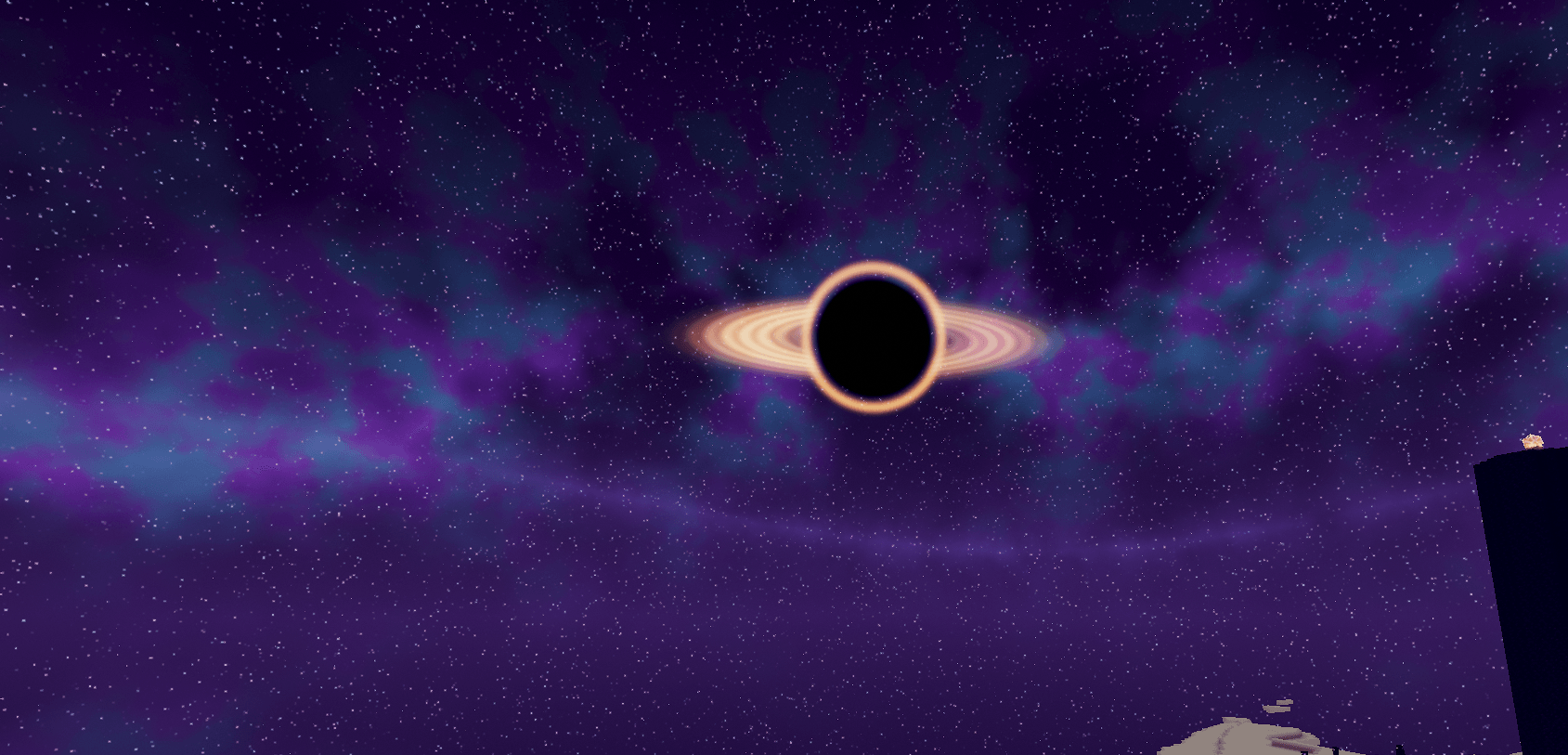
The blackhole and the end atmophere
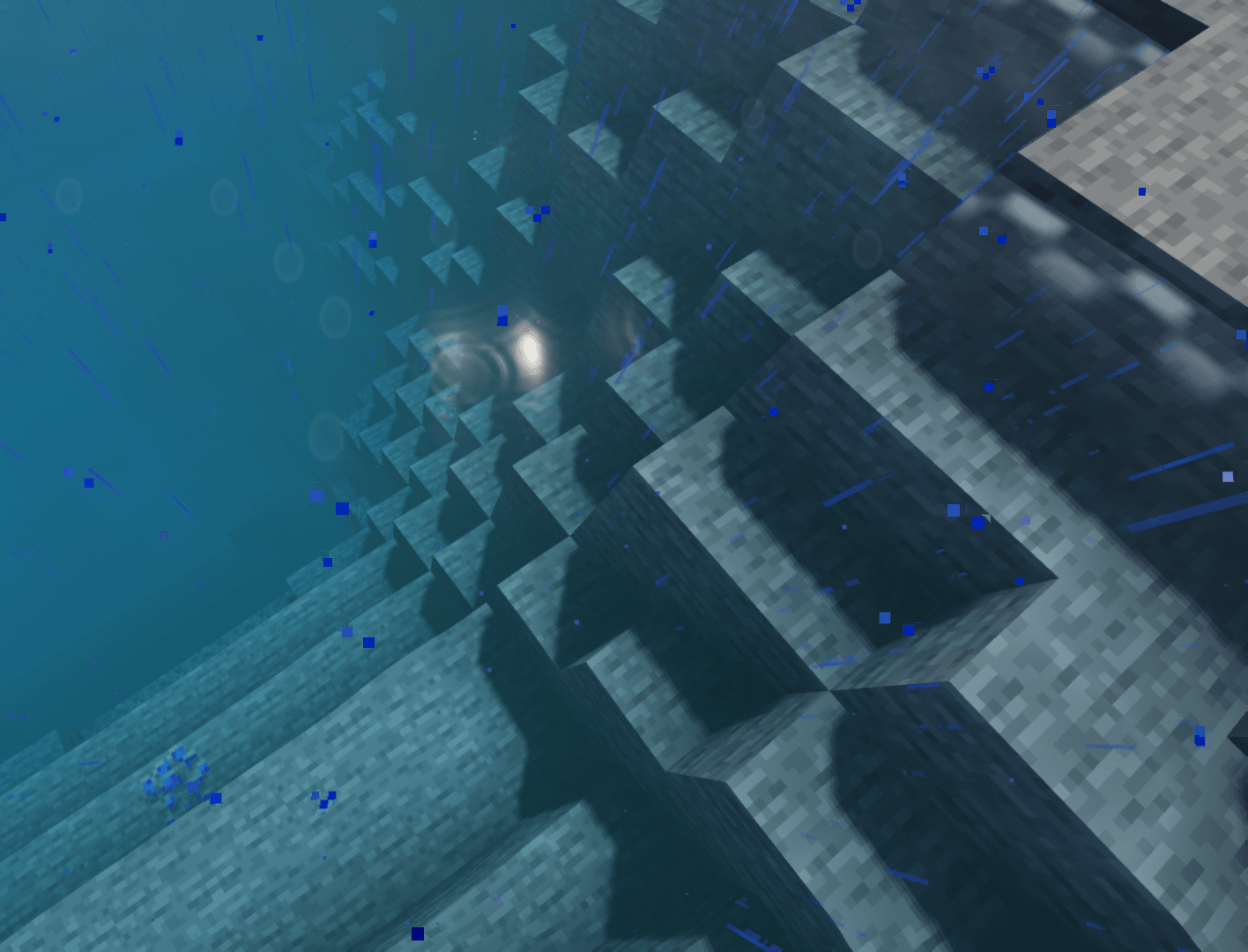
The water and the splashes of the rain on the water
Description
Project Overview: BoralancesShaders
BoralancesShaders is a premium, open-source graphics modification and engine extension designed for Minecraft. Targeting versions 1.20.1 through 1.26.1+, the project bridges modern rendering standards with high-fidelity physical simulation. Its core goal is to overhaul Minecraft's rasterized pipeline into an advanced, performance-optimized deferred rendering engine.
Rather than relying on superficial color overlays, the project emphasizes mathematically precise real-world physics, dynamic fluid mechanics, and material realism while remaining exceptionally optimized for gameplay.
Key Project Pillars
1. High-Fidelity Fluid Dynamics & Optics
The project completely rewrites fluid behavior in the game space. It implements multi-layered Trochoidal (Gerstner) Waves to generate realistic water surfaces with authentic crests and troughs. Light penetration is calculated using the Beer-Lambert Law, causing water to naturally absorb and scatter light as depth increases, creating a believable dark-blue gradient in deep oceans. This is coupled with real-time Screen-Space Reflections (SSR) and moving underwater caustics.
2. Kinetic Wind Resistance & Vegetation Physics
To bring the environment to life, the project introduces a responsive vector wind field. Using a non-linear velocity gradient, the physics engine anchors plant roots firmly to the terrain grid while allowing upper leaves, grass, and vines to flex dynamically in response to wind speed and intensity, preventing standard polygon tearing.
3. Material Realism (Physically Based Rendering)
Every texture in the game is integrated into a microfacet distribution framework using the Cook-Torrance BRDF and GGX Normal Distribution. This allows light to interact uniquely with different blocks based on their surface roughness and metallic properties. Instead of generic white glare, blocks like wet stone or polished metals yield accurate, blurred specular highlights depending on the angle of the sun or moon.
4. Volumetric Atmospherics & Scattering
The horizon and sky gradients are completely unlinked from vanilla skyboxes. They are calculated dynamically using analytical Rayleigh and Mie scattering models to simulate real-world particle behavior—yielding deep blues at noon and vivid orange scattering at sunset. A ray-marched volumetric fog system seamlessly blends the terrain chunks into the atmospheric horizon.
5. Architectural Version Adaptability
A primary technical objective of the project is future-proofing. Developed using #version 150 compatibility structures, the project seamlessly adapts across major rendering transformations (from Minecraft 1.20.1 to 1.26.1+). It abstracts legacy fixed-function pipeline matrices into modern uniform structures, ensuring cross-compatibility between older Iris frameworks and newer Core Profile rendering specifications.
By BoralancesStudios
The BoralancesShaders Team