


Villager Life s00d
- By

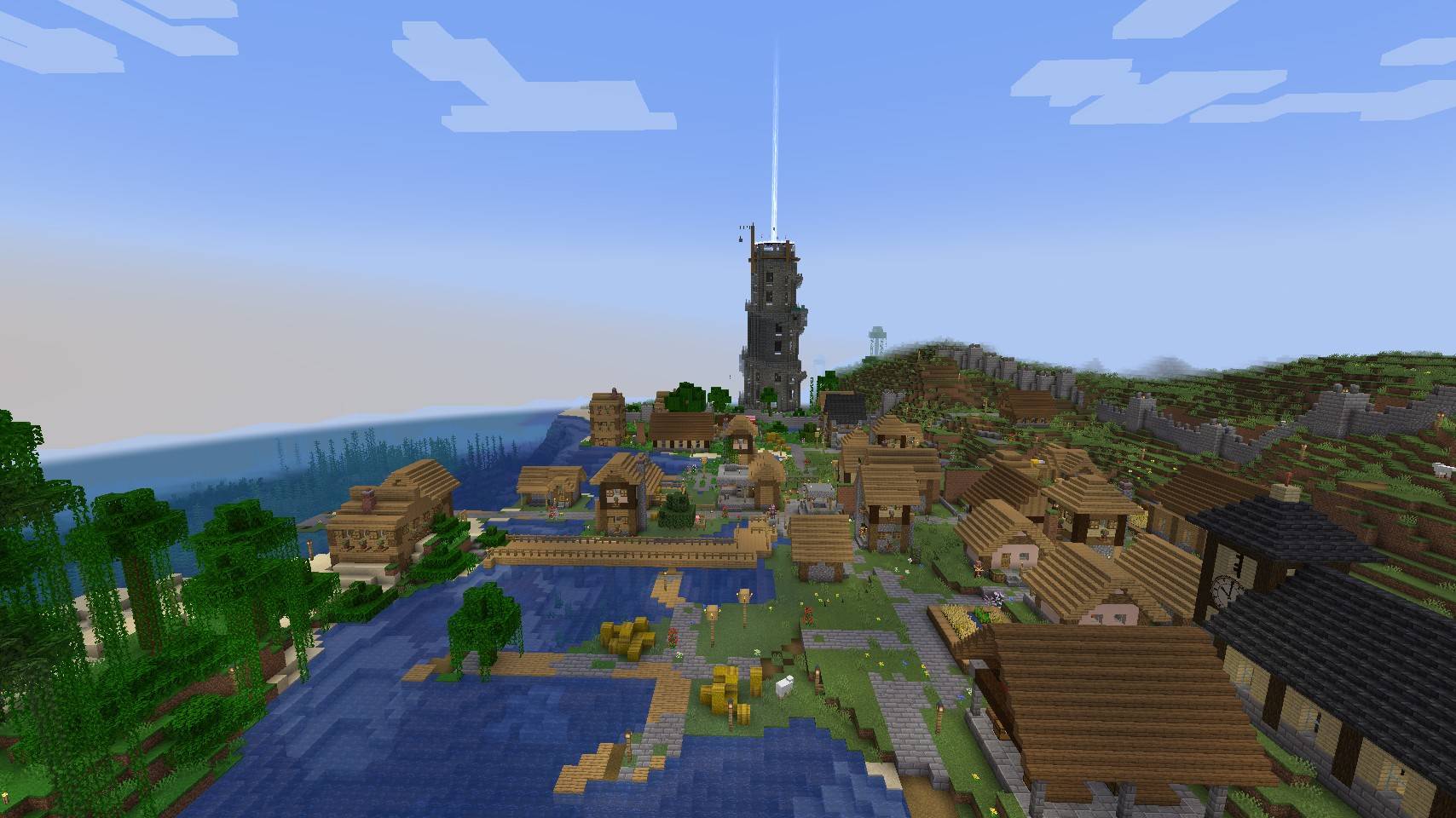
A village grown into a town: houses built by its villagers, paved streets, a harbour, a stone wall — and beyond it the Spire of the Architects, its rift shining over the roofs.
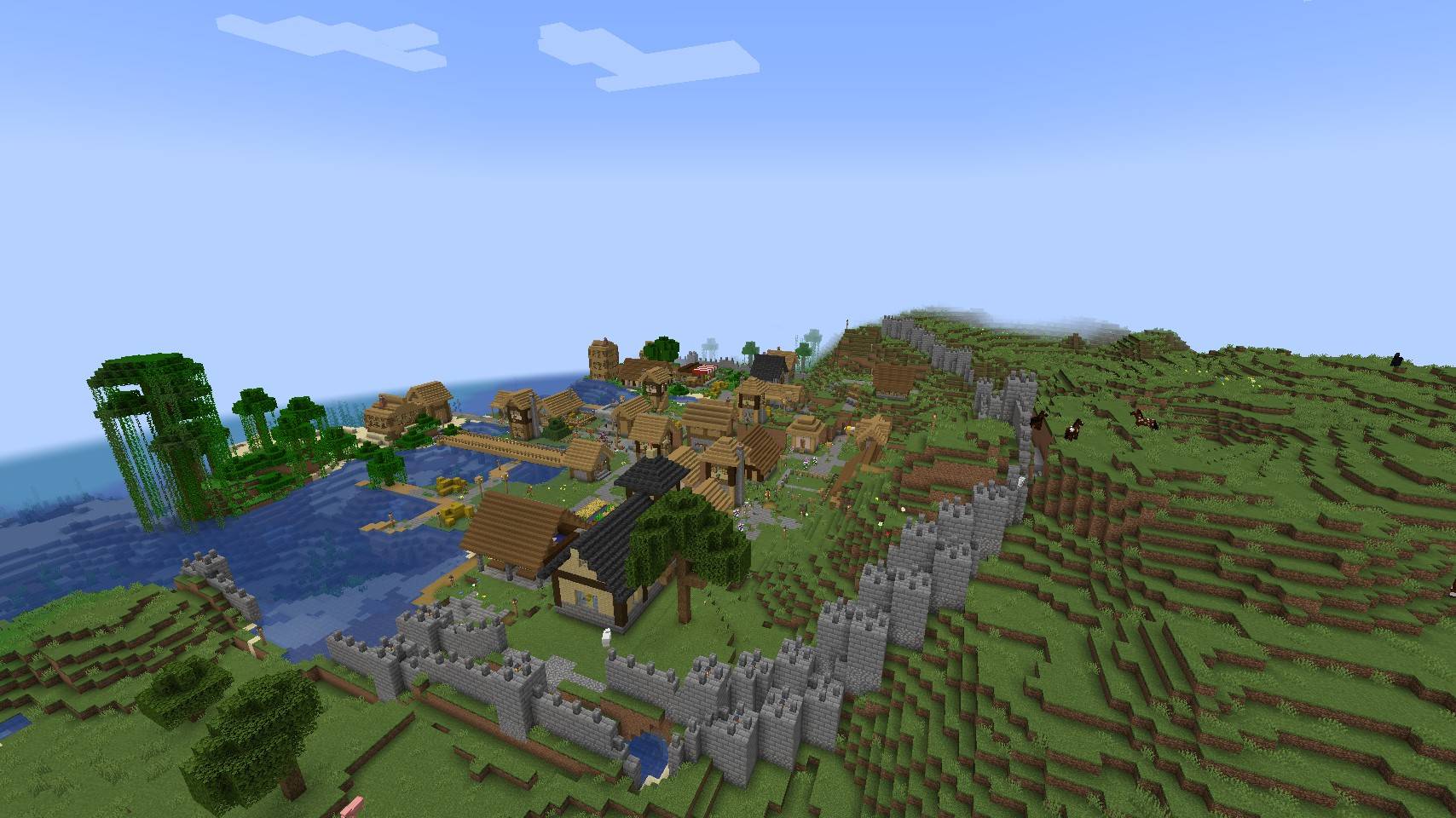
When a town is full and every house is finished, its villagers raise a stone wall by hand: towers, battlements, gates on the roads and a dry ditch outside.
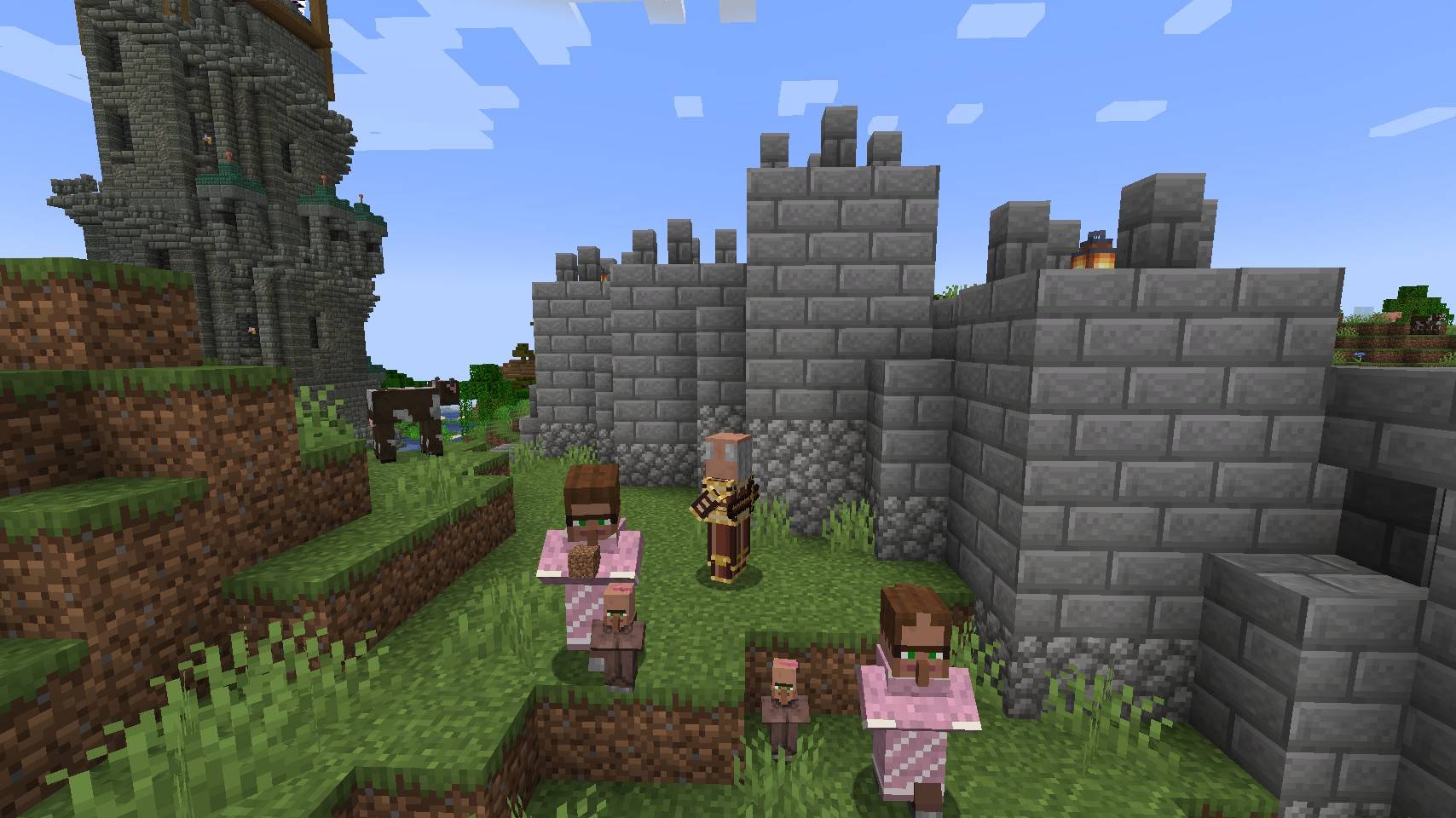
The elected mayor in his sash and chain, women with their own looks and voices, children who grow up in a couple of days — and the Spire behind the wall.
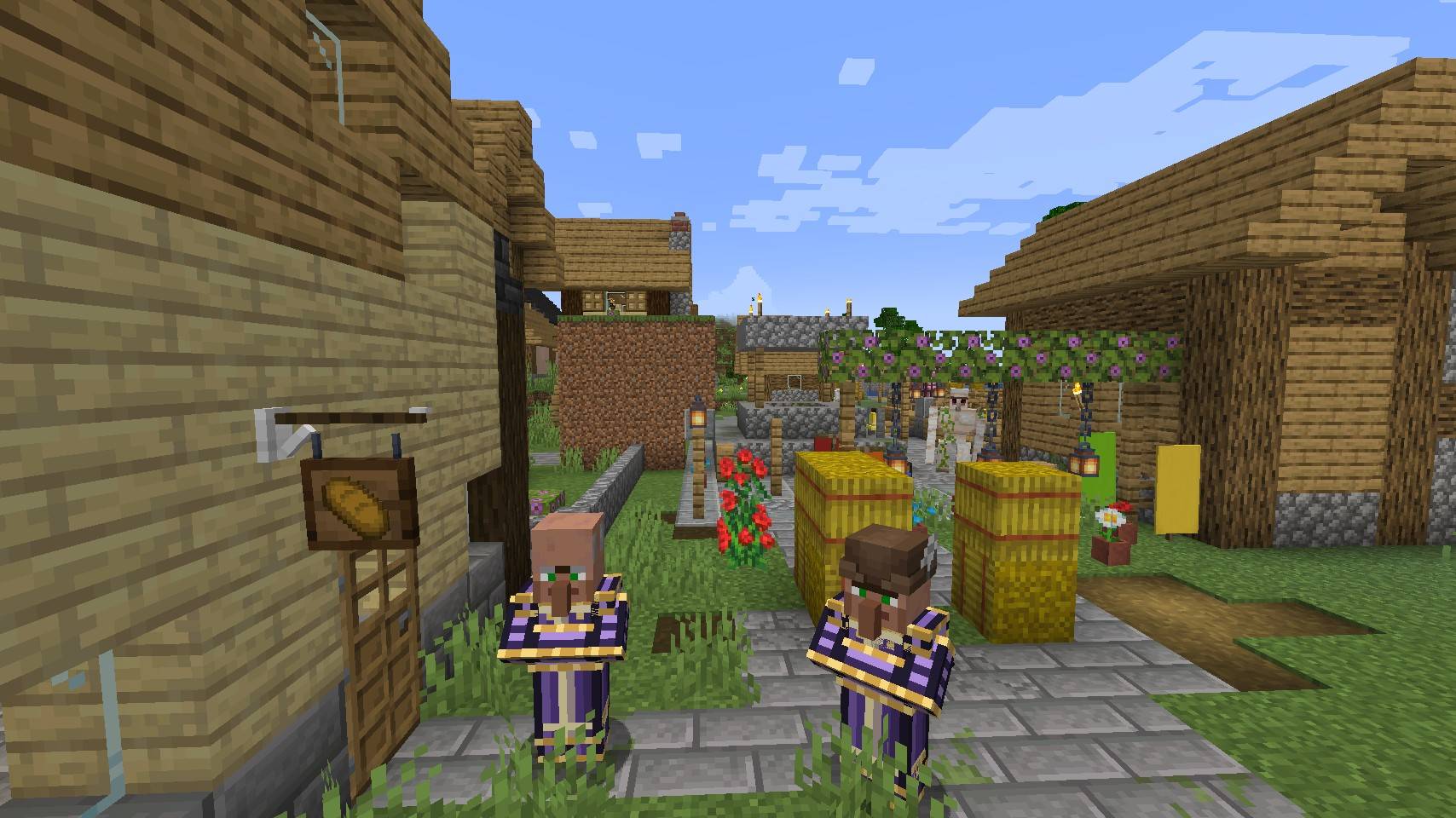
Villagers who climbed high on an expedition buy the gear of their chapter and guard the town in it. The bakehouse sign shows what is sold inside.
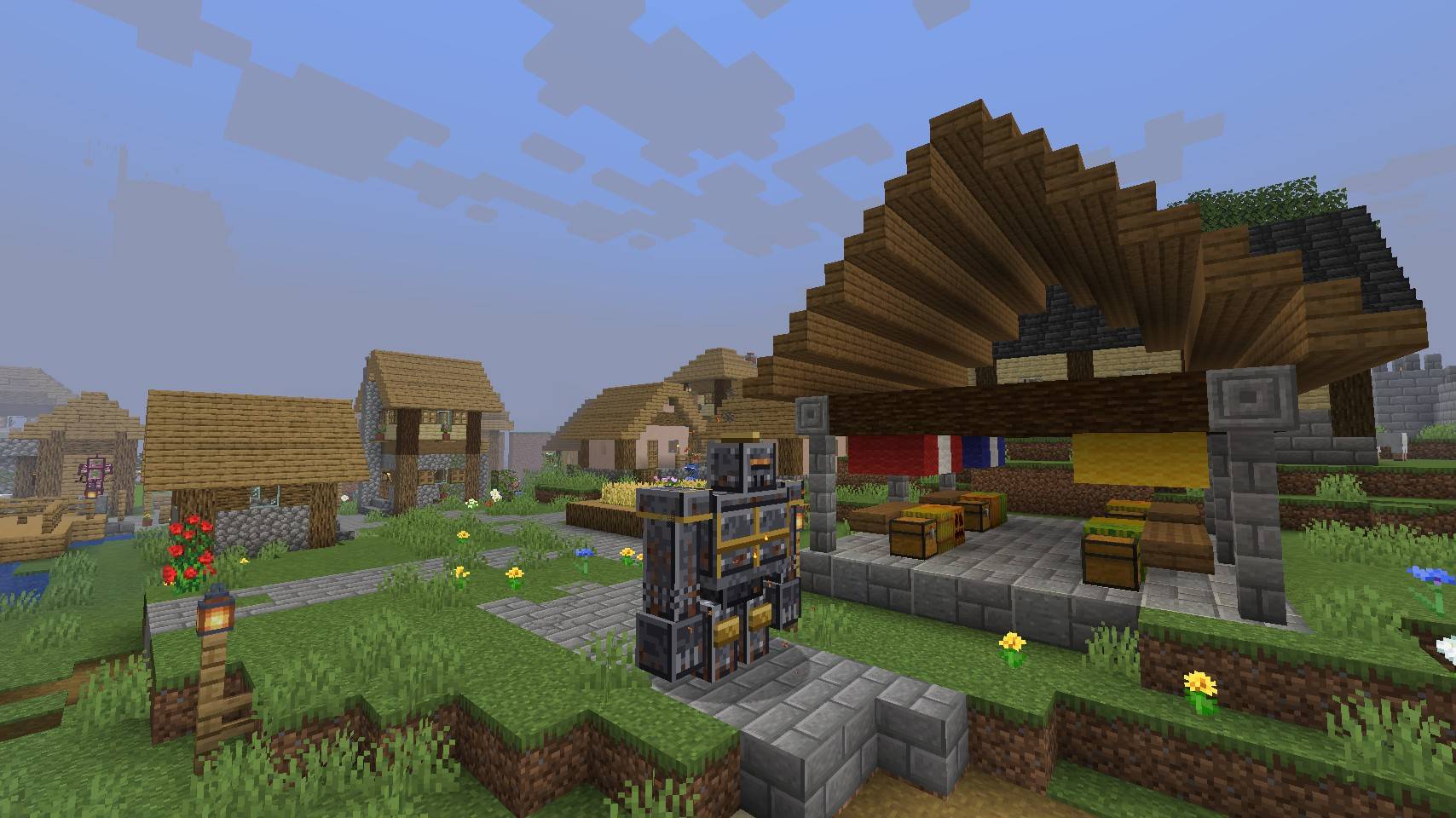
When a village's opinion of you falls to its lowest, it rings its bell — and the Tocsin Golem wakes.
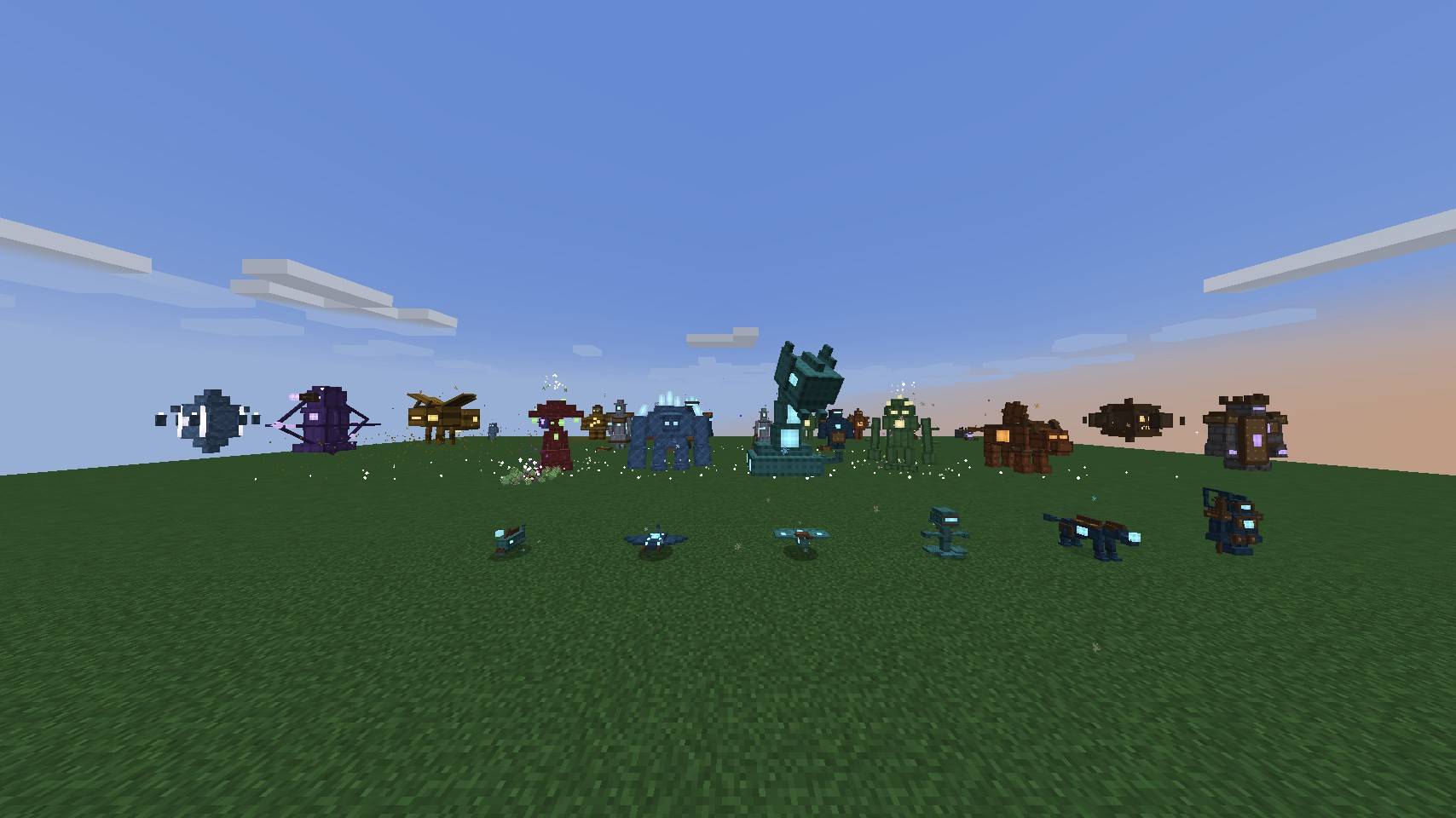
Every tenth floor has a keeper of its own, from the Gatekeeper of the roots to the Mind at the summit, each with its own attacks, arts and three phases. In front: some of the floor guards.
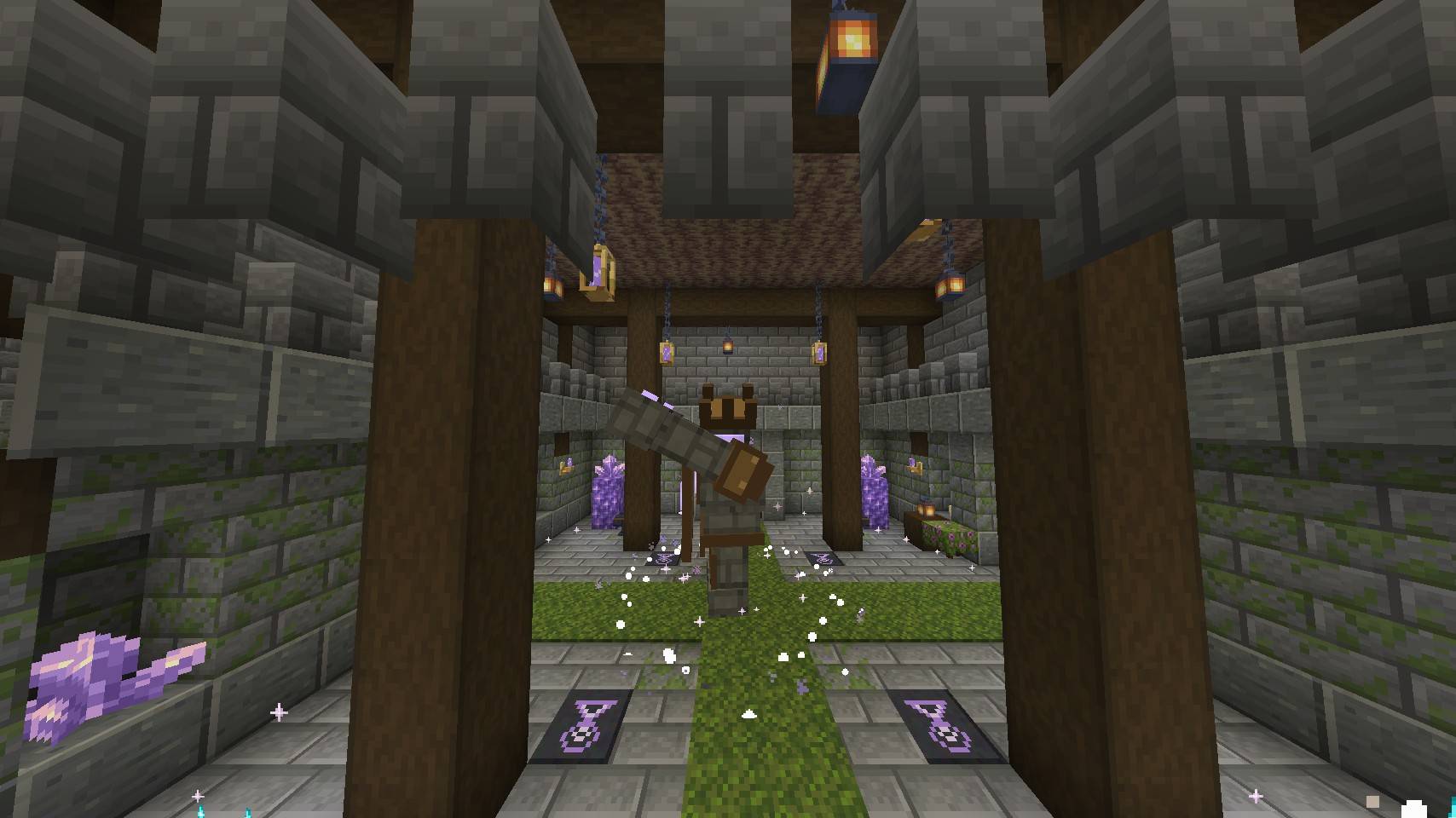
The first keeper waits in a hall of the roots. It comes up through the floor when you step in and crumbles back to rubble when it falls.
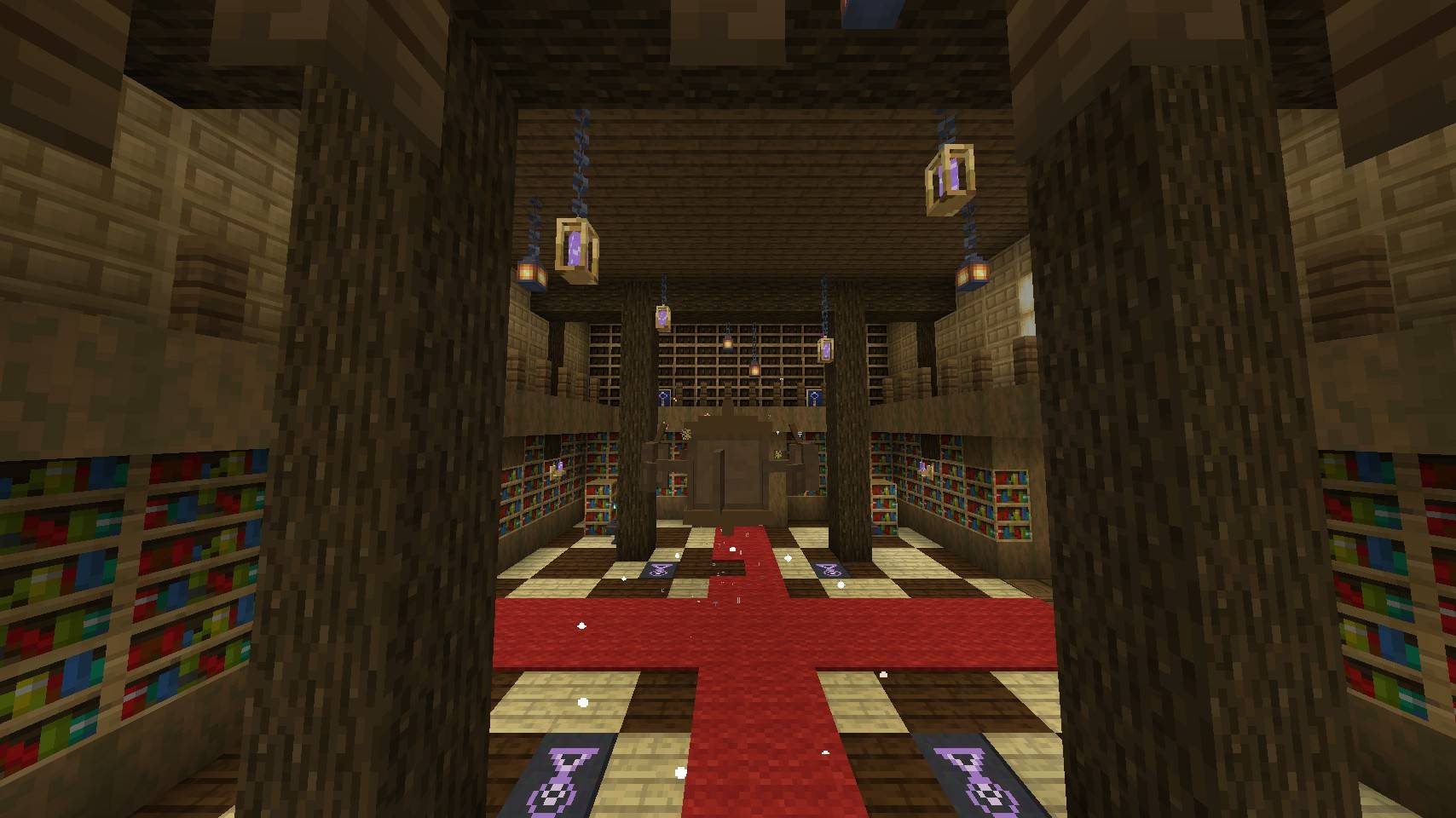
The Spire's floors are drawn anew from their seed: ten chapters, each with its stone, its light, its curiosities and its guards. This is the Archive, chapter two.
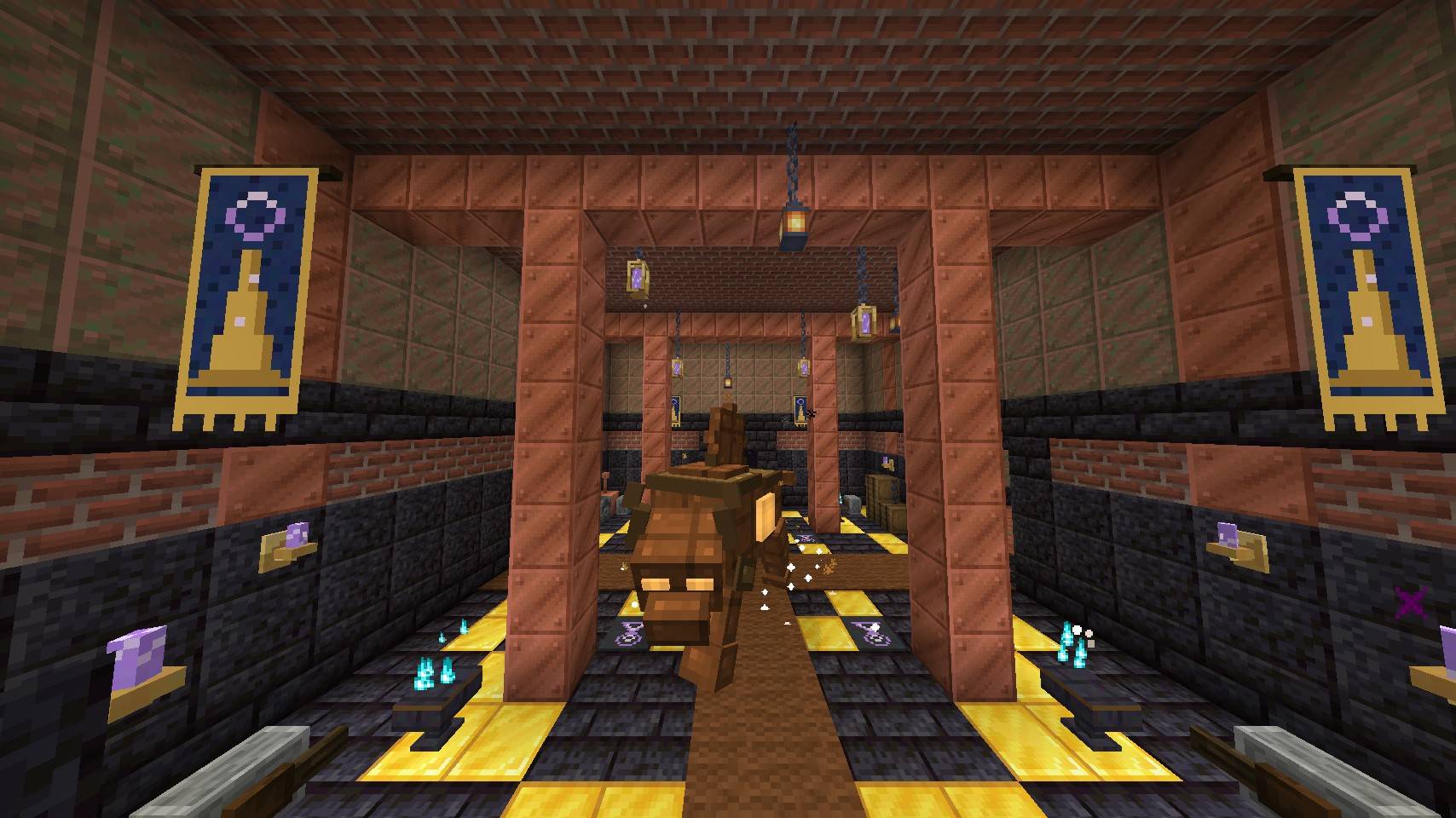
The keeper of the Workshop gathers itself out of sparks among copper and gears — and shakes itself to pieces when it falls.
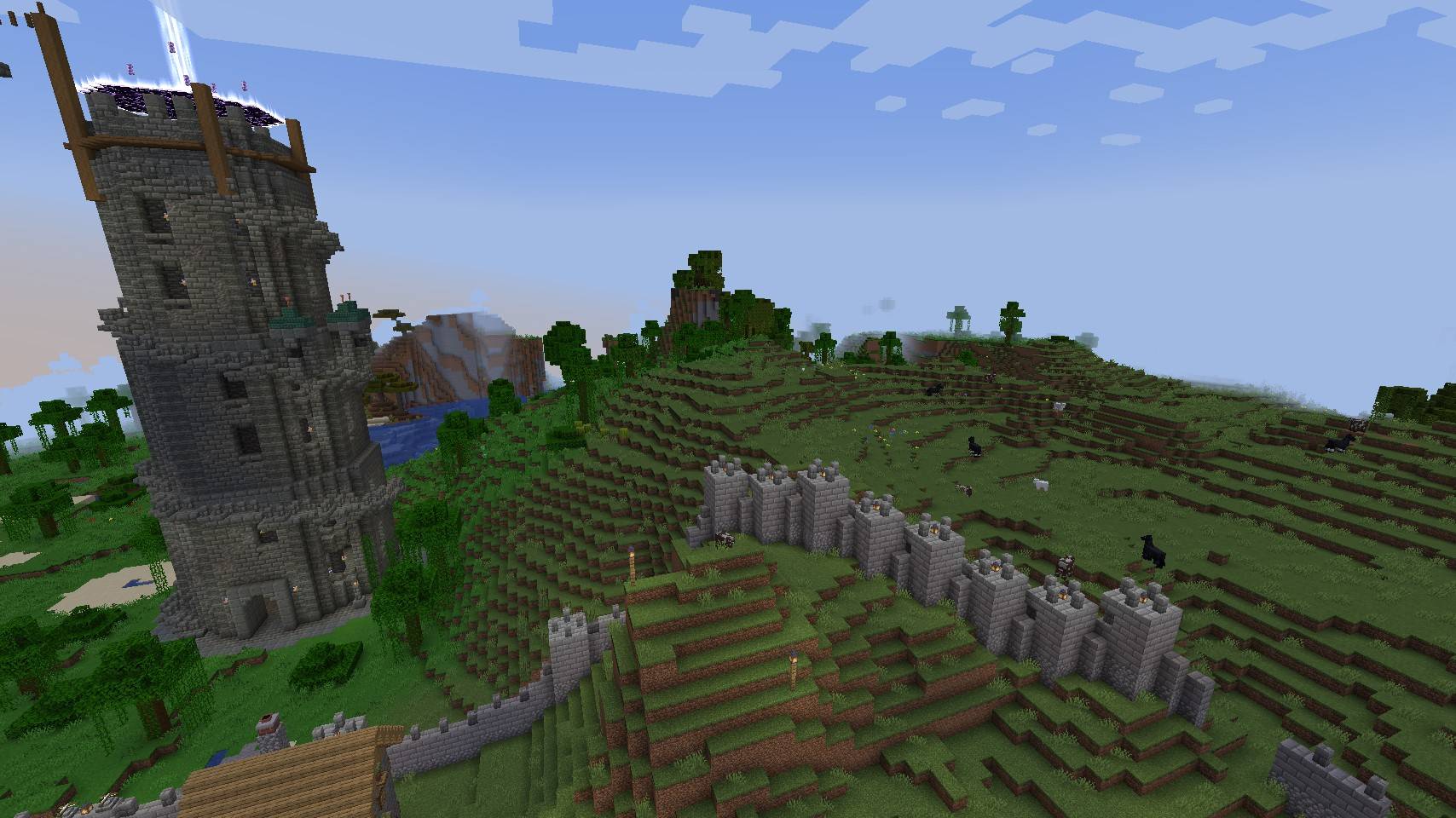
The Spire grows a little taller as its floors are climbed: octagonal tiers, an outer ramp, scaffolding and a crane at the top, where the rift opens.
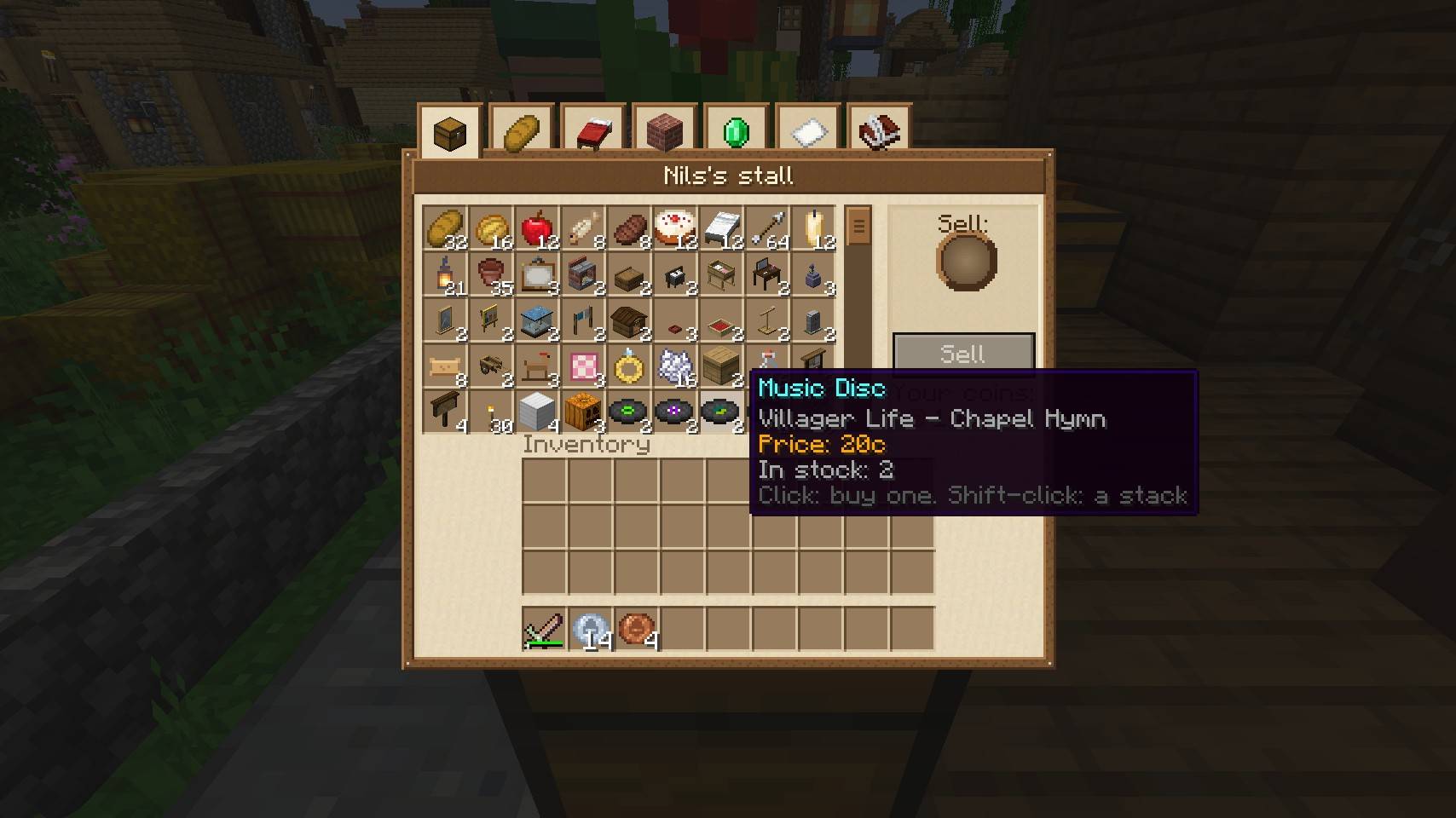
Everything the villagers build or use is bought here with copper, silver and gold coins — and you can buy and sell too. Prices follow the village's opinion of you.
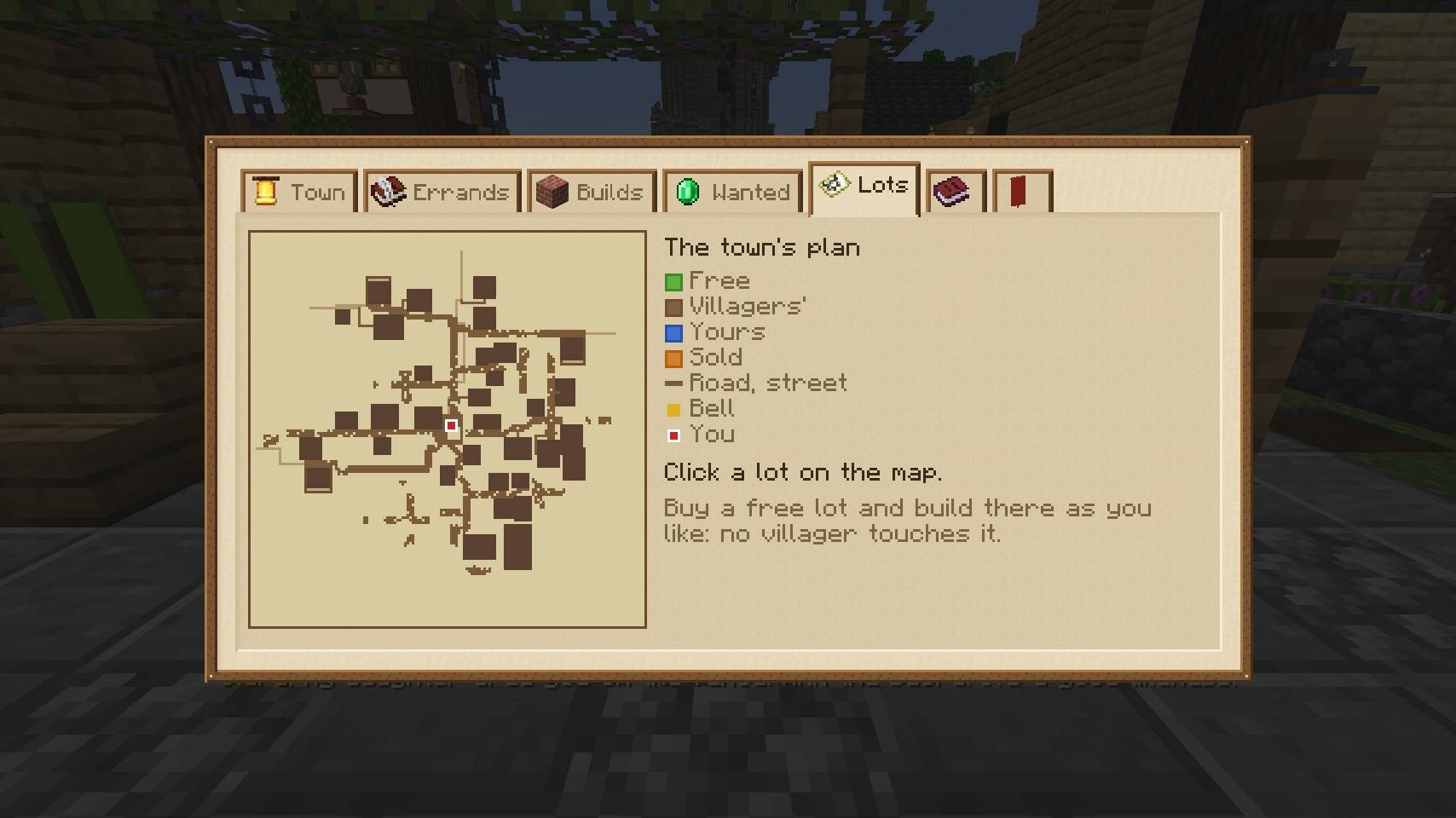
The town's plan, its errands, builds, needs and chronicle. Buy a free lot here and build on it as you like — no villager will touch it.
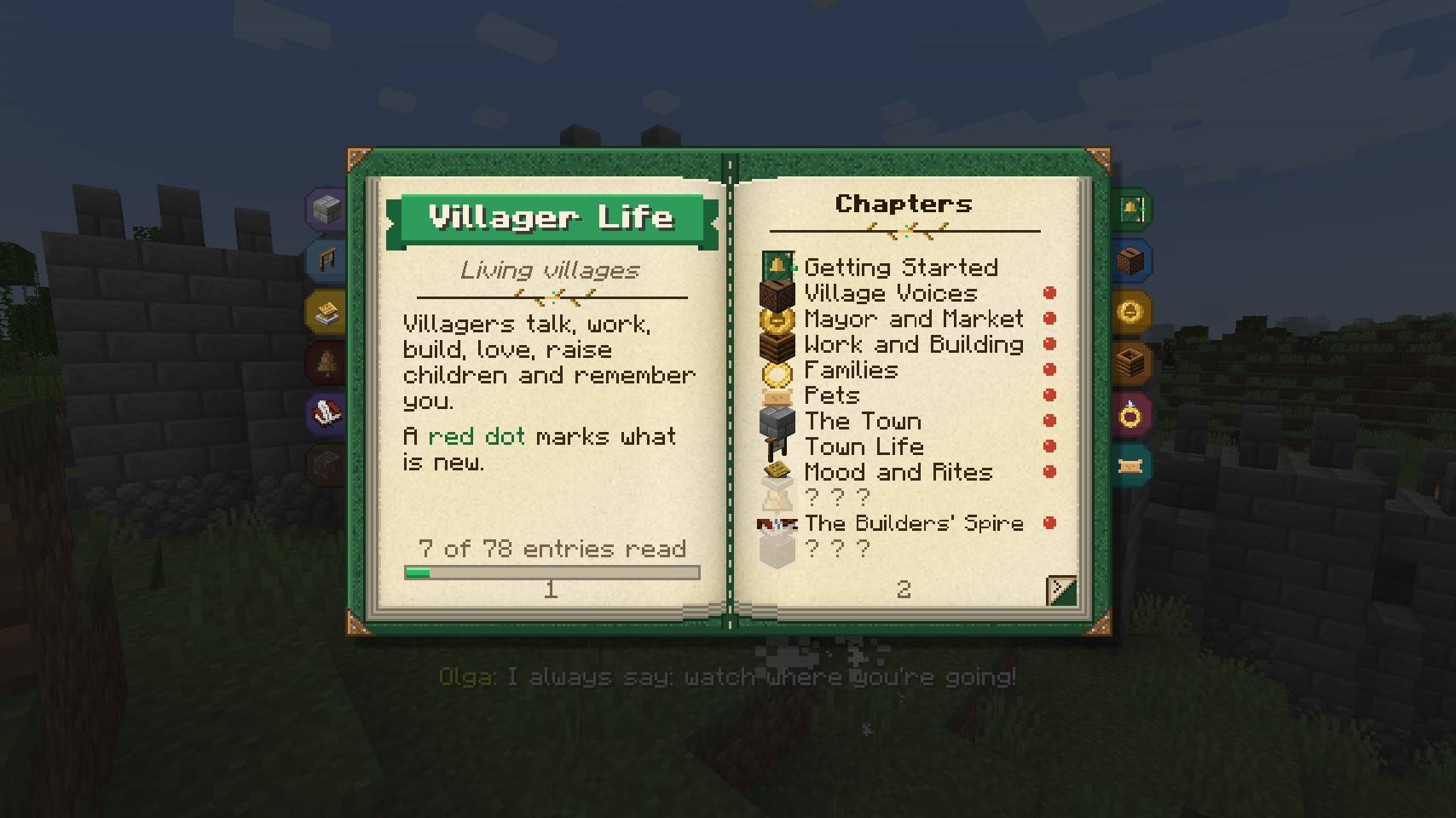
A book given on first join explains every mechanic in game, in English and Russian. Some chapters stay hidden until you find them.