Primitive Ages
- By
Adds prehistoric survival progression from the stone age to the iron age. Knap stone, twist cordage, light fires by friction and climb through copper and bronze to iron, where the game eventually turns vanilla again.
Description
Primitive Ages
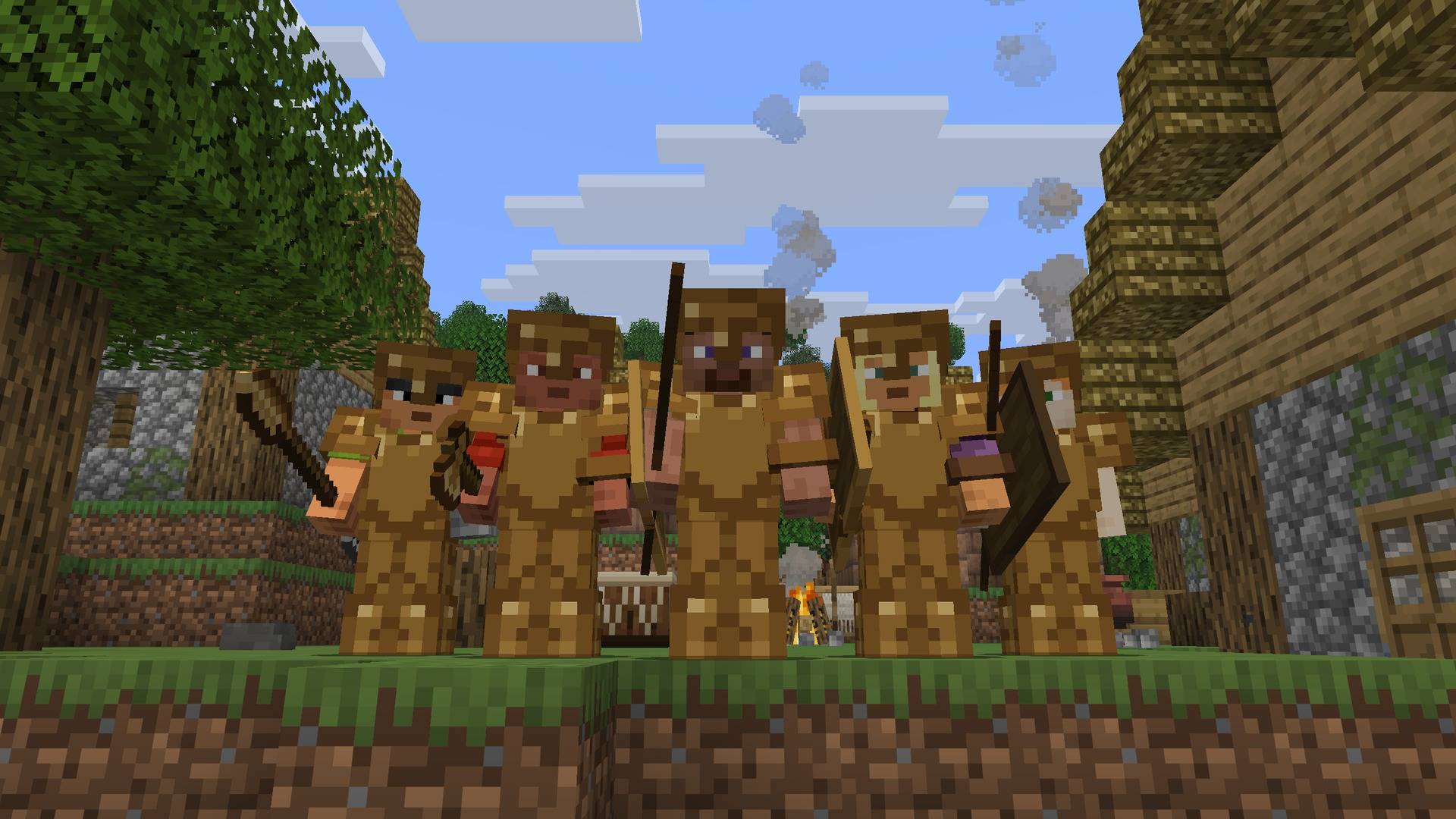
Primitive Ages is a prehistoric survival mod for NeoForge. You start with bare hands and no way to punch a tree. You knap stone into blades, twist plant fiber into cordage, haft your own tools and light fires by hand. Then you fire copper in a pit kiln, melt and cast metal in a seared brick crucible, and work up through bronze to iron. Once you have iron, progression is vanilla again. Biomes, mobs, the Nether and the End aren't changed.
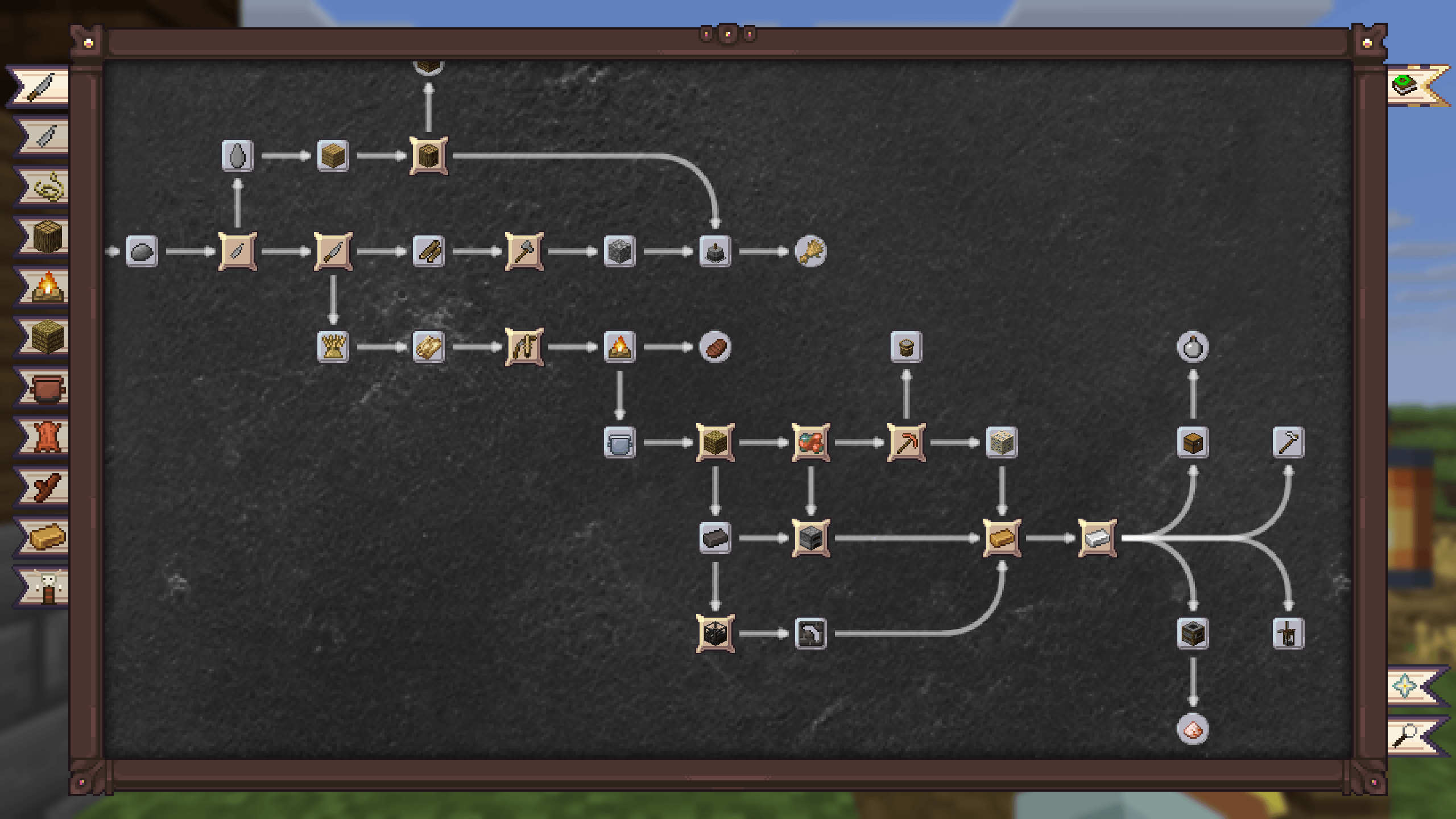
You get the Primitive Survival Guide on first join. It's an in-game book that walks through every step, with live recipes.
Progression
| Age | What you do | What it unlocks |
|---|---|---|
| Stone | Pick up rocks and twigs, knap blades, cut fiber with a knife, haft tools, start a fire by friction, craft on a primitive table | Mining copper ore |
| Copper | Fire raw copper in a pit kiln, build a furnace and a crucible from seared bricks | Copper tools (which mine coal and tin), the crafting table, the potter's wheel |
| Bronze | Dig tin from riverbeds, melt it with copper in the crucible | Bronze tools, which mine iron |
| Iron | Vanilla from here | Chests, barrels, buckets, the smoker, a hoe that lasts, wind power |
Playing at a normal pace, the stone and copper ages take two to three in-game days. Reaching each age puts a title card on screen with a horn call.
Features
Stone tools
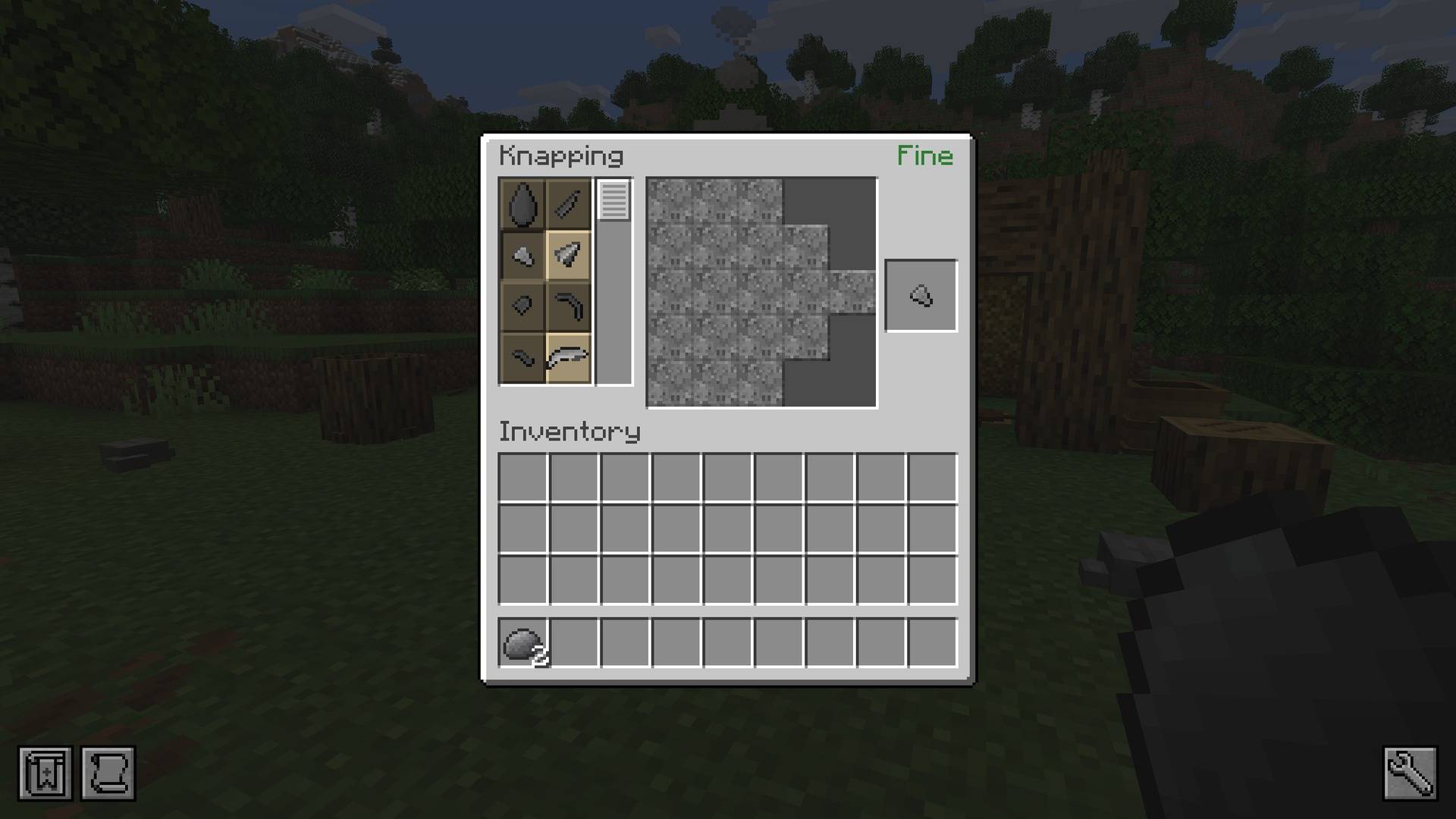
- Knapping: hold two rocks or flint and strike cells off a 5x5 core to match a pattern. Clean work makes a Fine head (+15% durability). Too many fractures make it Rough.
- Polishing: lay a knapped head or tool on a wet polishing stone and grind it. A Polished tool lasts 75% longer and works a quarter faster, whatever its grade.
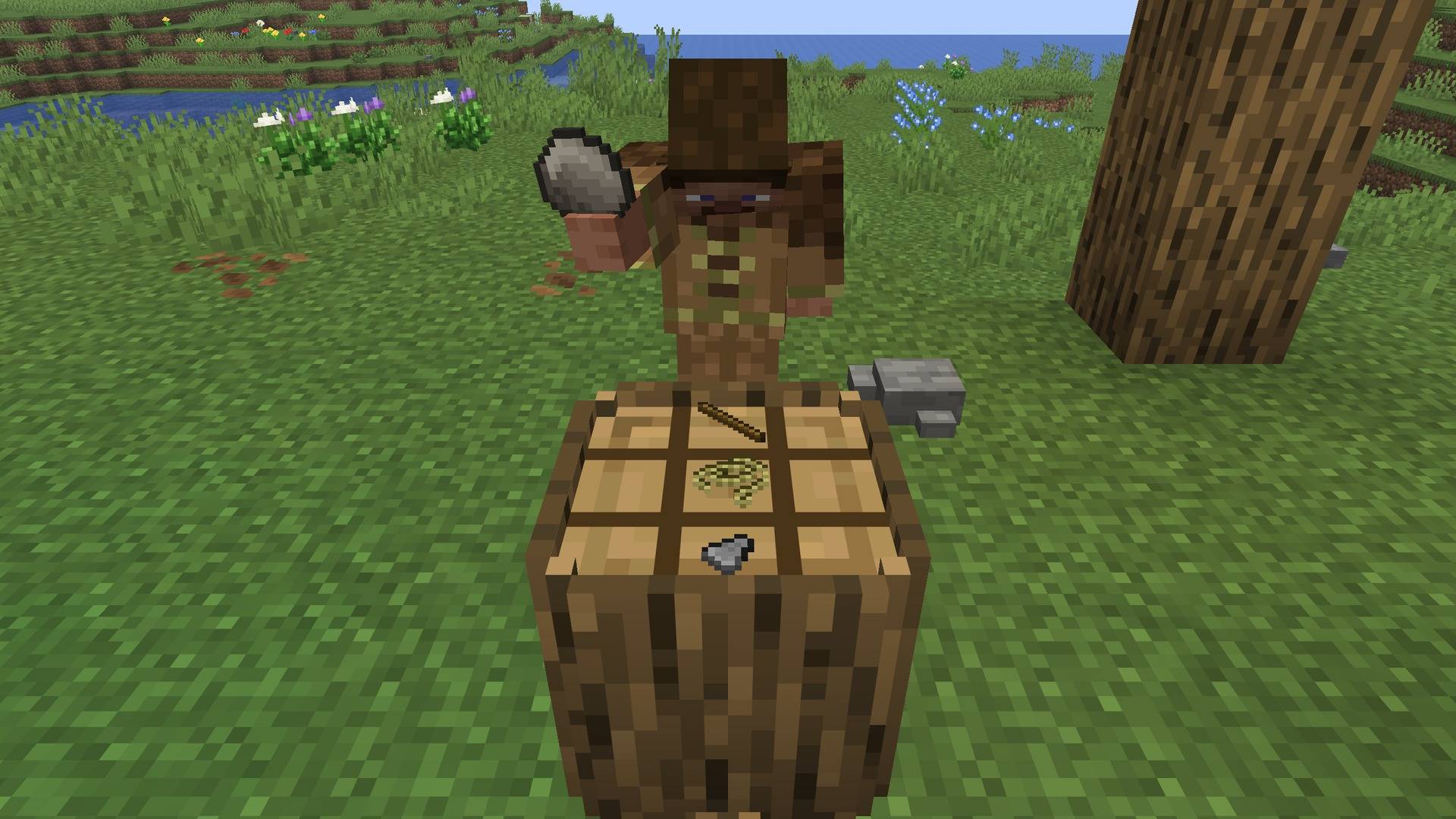
- Hafting: put a head on a stick with cordage, bark strips, sinew or retted cordage. Better bindings last longer. The head often survives when the tool breaks.
- The knife cuts plant fiber from grass, peels bark, cuts vines and butchers animals for hide, sinew, bone and fat. Knives come in every tier, from stone to netherite.
- Javelins in stone, copper, bronze and iron. Draw one back and it flies exactly along the crosshair. It sticks where it lands, so you can pick it up again. Dispensers throw them too.
- Also a sling, a stone spear, a hand drill and a bow drill.
Fire
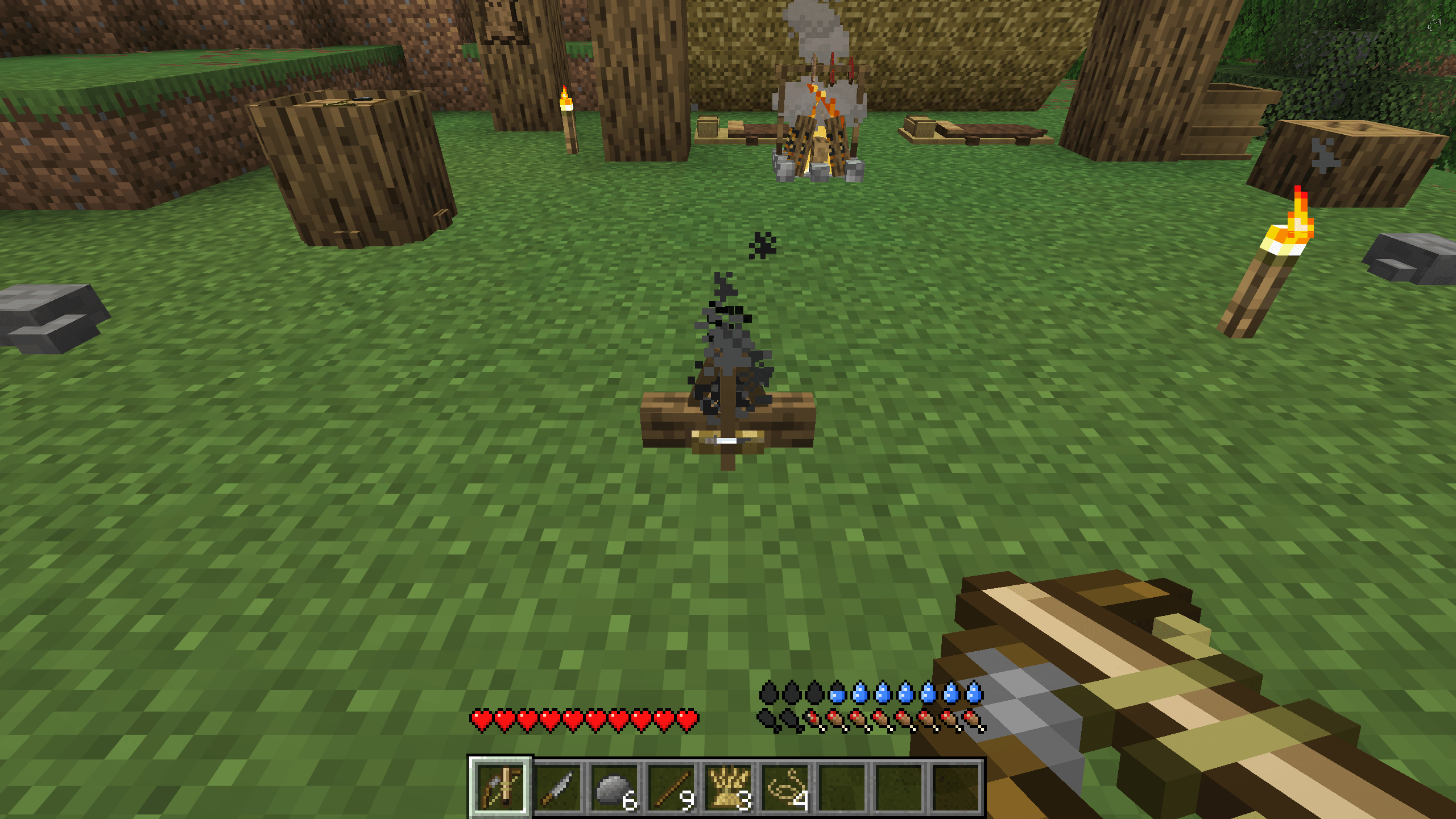
- Build a fire lay from tinder, kindling and logs. Light it with a drill, then blow the ember into flame.
- Rain puts out an unsheltered fire. A fire with no fuel falls to embers, which you can revive, and left too long it goes cold.
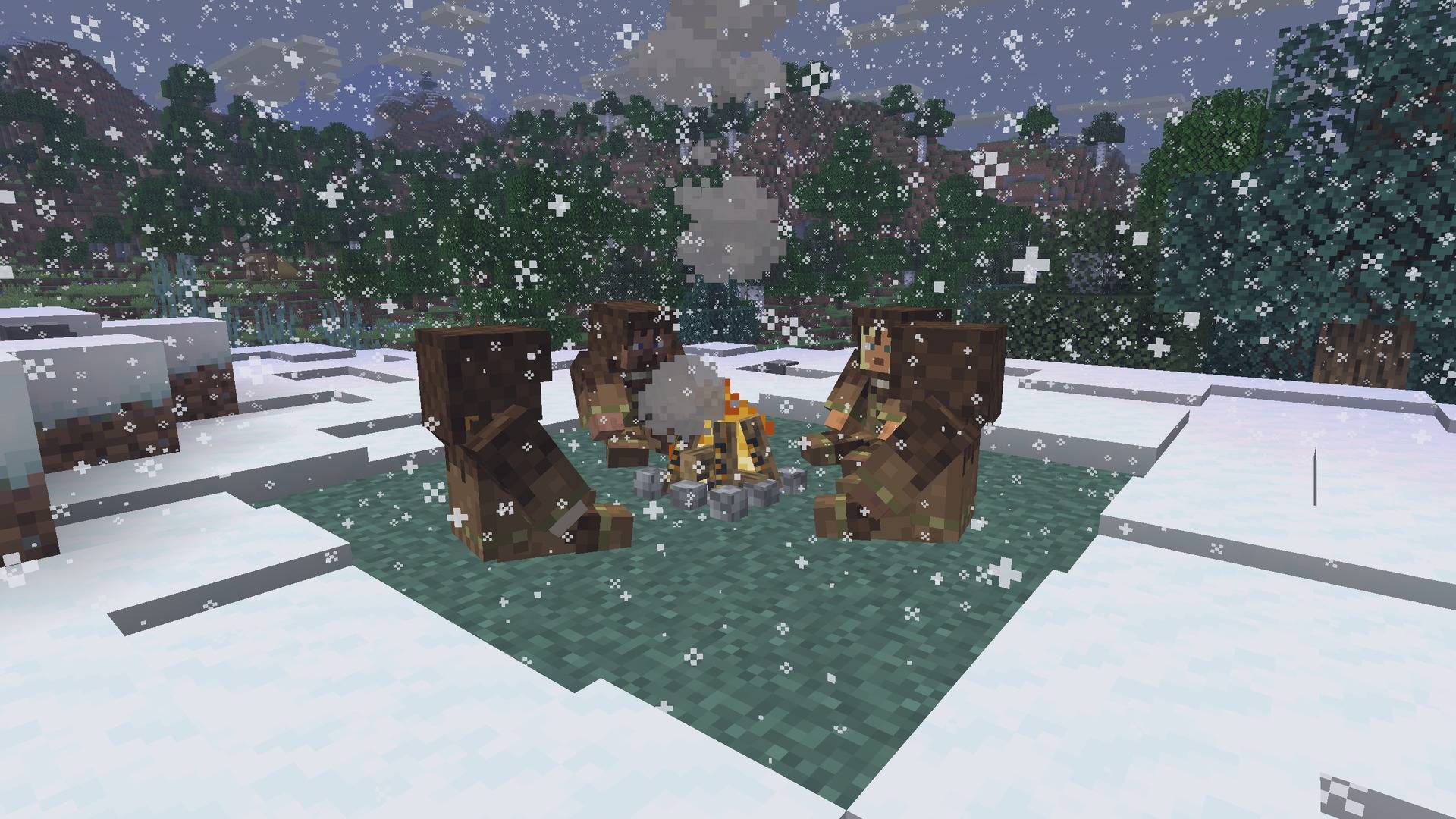
- Ring a fire with rocks to make a fire pit. A pit can take a cooking spit, a clay cooking pot or a thatch cover that turns it into a pit kiln.
- Primitive torches are lit at a fire and burn out after two in-game days. An ember pot carries fire with you. Animal fat burns in a copper lantern for good.
Pottery
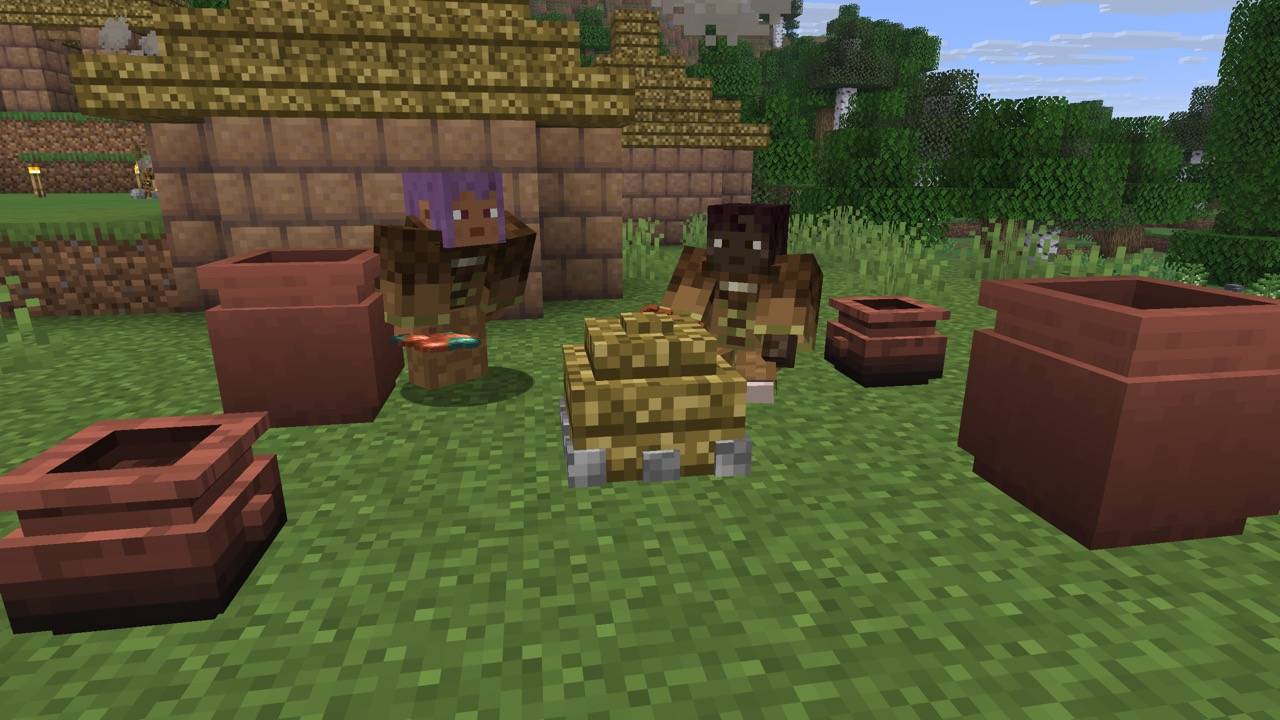
- Shape clay by hand into pots, basins, jugs, molds and more, then fire them in the pit kiln.
- In the copper age, a potter's wheel keeps the pattern guide up the whole time you work.
- Raw copper fires into ingots in the kiln, before you have a furnace.
Metalworking
- Seared bricks, fired from grout in the pit kiln, build the first furnace.
- Crucible: set it on a heater and stoke it with any fuel. It melts copper, tin, bronze, gold and iron, and you can see the molten metal rise behind its windows. Wood gets it hot enough for everything but iron, which needs coal or charcoal.
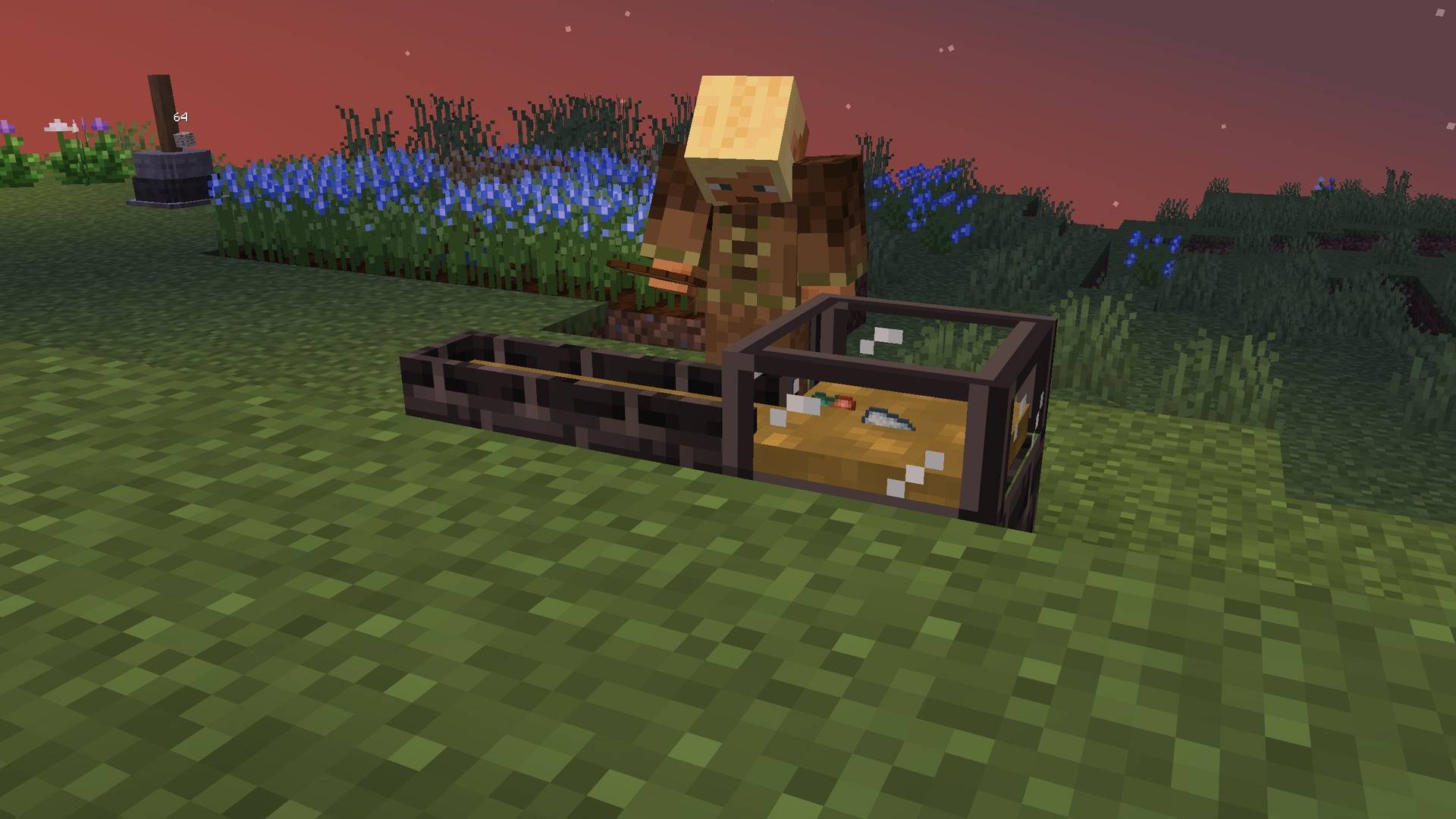
- Casting: a seared brick channel pours into a casting table or casting basin below. Seared molds cast ingots and pickaxe, axe, shovel, sword, knife, spear, hoe and scythe heads, and each head takes a single ingot. A basin casts a full block.
- Scrap: worn copper, bronze, gold and iron tools and armor melt back down into whatever metal is left in them.
- Tin is mined underground, or dug as tin sand ore from the shallows of rivers and ground at the millstone.
- Bronze: copper and tin run together in the crucible, three to one. Bronze tools and armor are as strong as iron but wear out like copper.
- Molten metals are real fluids, so pipes and pumps from other mods work with the crucible and the casting blocks.
Workshop
- Primitive crafting table: lay items on a log stump and strike it with a crafting rock.
- Millstone: a hand-turned stone that grinds flour, malt, dye, bone meal, sugar, gravel, flint and metal dust.
- Chopping block for planks and sticks.
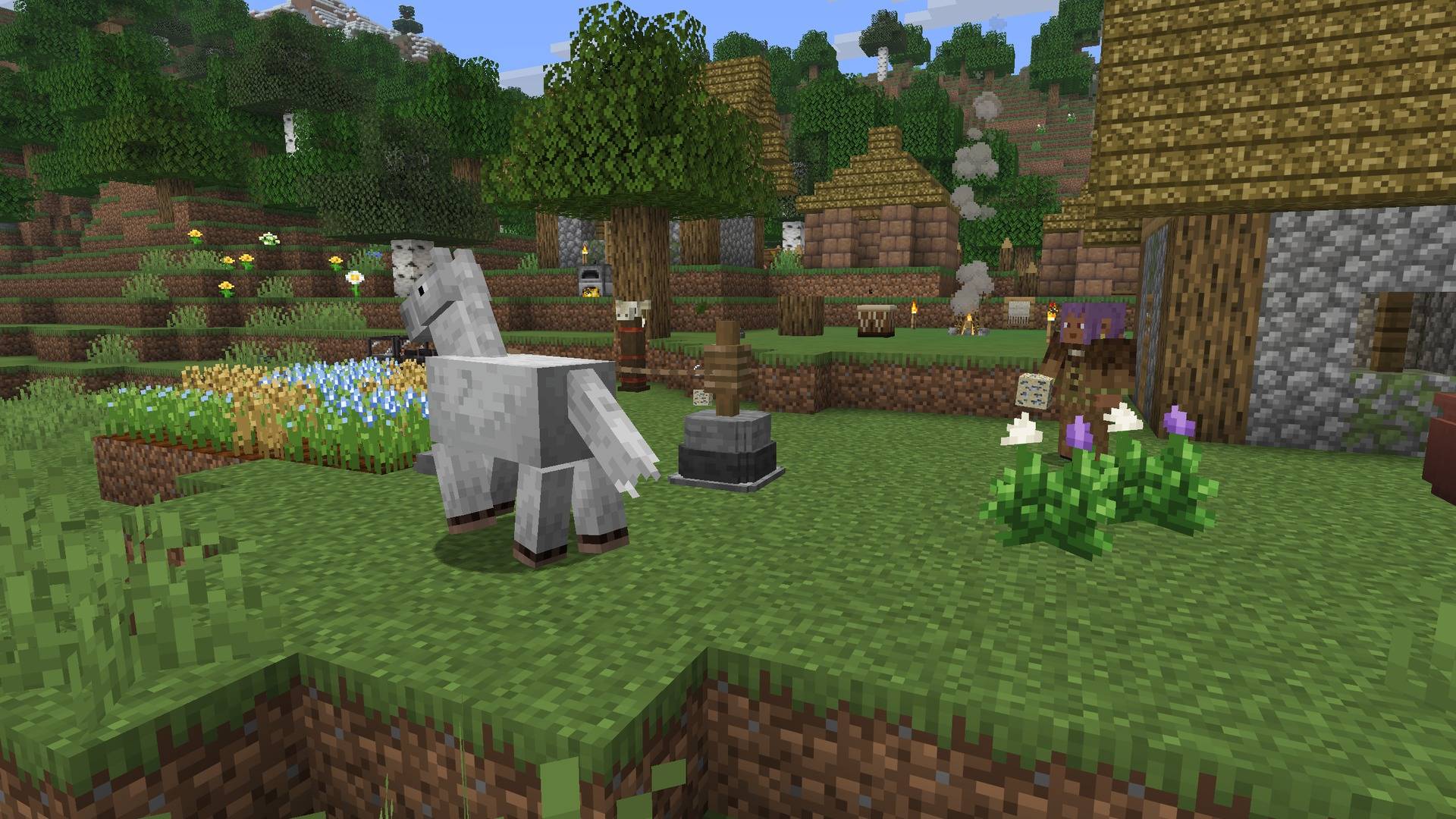
- Horse power: hitch a horse, donkey, llama or camel to a millstone or chopping block and it walks circles doing the work.
- Wind power (iron age): a windmill-driven millstone and sawmill. They need open sky, and they run faster in rain and storms.
- Baskets, primitive chests, storage racks, a hide bag, drying racks, a loom, rope, fish traps and snares.
Food and drink
- Roast on a spit and boil stews in a clay pot over the fire.
- Brew tea from wild tea and herbs, and ferment cider, mead and beer in a sealed basin. Each gives a short buff. For beer, sprout wheat, dry it into malt and grind it first.
- Seal milk and salt in a basin to set a cheese wheel, then cut wedges off it with a knife.
- Drink from a wooden mug, clay jug, waterskin or iron flask.
- Boil sea water down to salt, salt your meat and dry it into jerky. Pemmican never spoils.
- Scythes reap the ripe crops in a 3x3 and sow them again. Hoes before iron are fragile: copper tills one block, gold three and bronze twelve.
- Pots and basins hold water in millibuckets and work with pipes from fluid mods.
Hides and shelter
- Animals drop hides. Scrape them on a drying rack, tan them in a basin with bark, then dry them into leather.
- Hide wraps are your first warm clothing, and a linen tunic keeps you cooler in the desert.
- A leather shield guards you before metal, and a bronze shield before iron.
- Thatch, lean-tos, wattle and daub, a bedroll and a placeable mud hut.
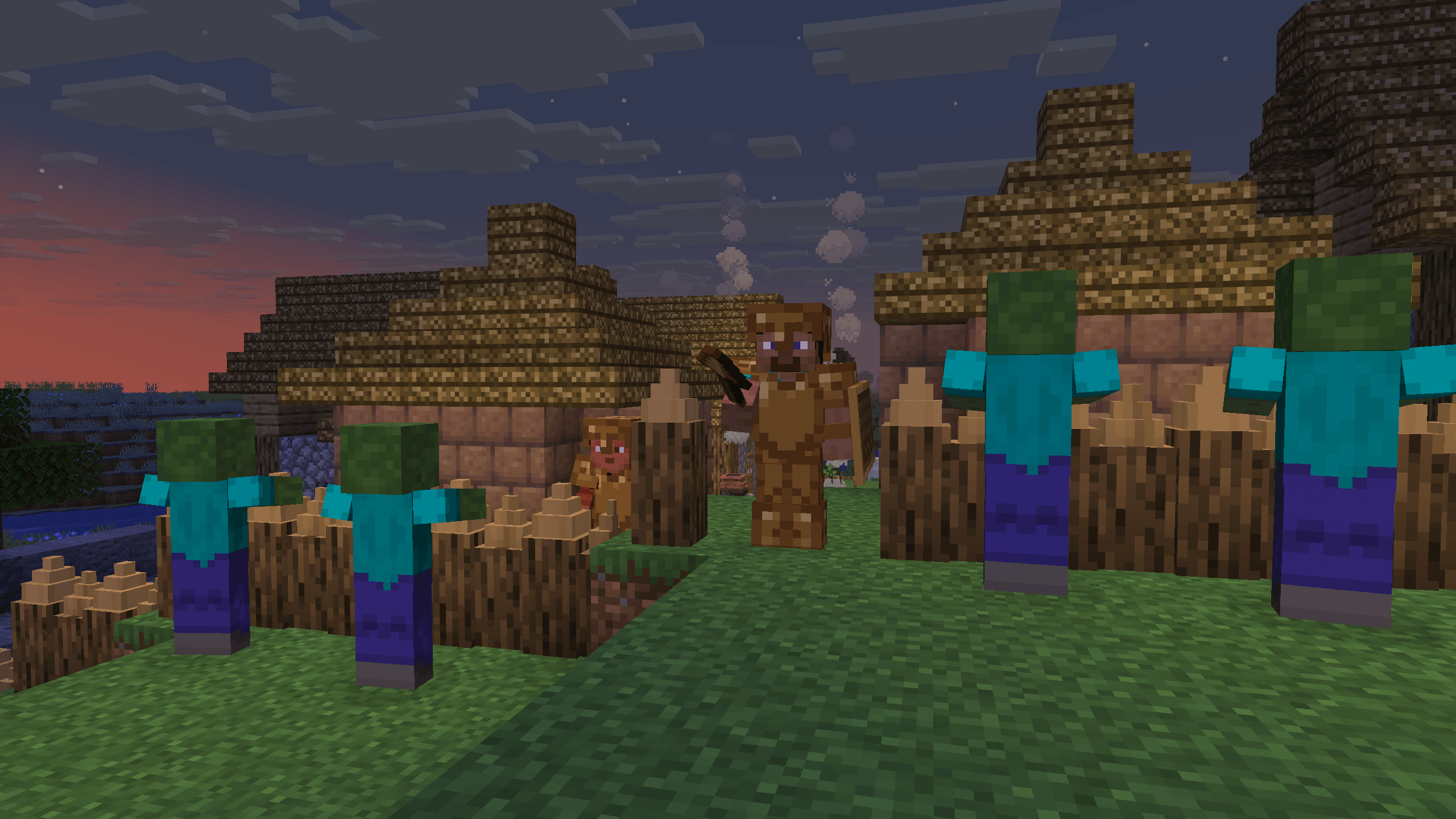
- Log palisades join like a fence, are too tall to jump and hurt monsters that press against them. Animals and players are safe.
- Cellars: wall, floor and roof a room in seared bricks and add a cellar door. Food on its storage racks keeps four times as long.
Spirit
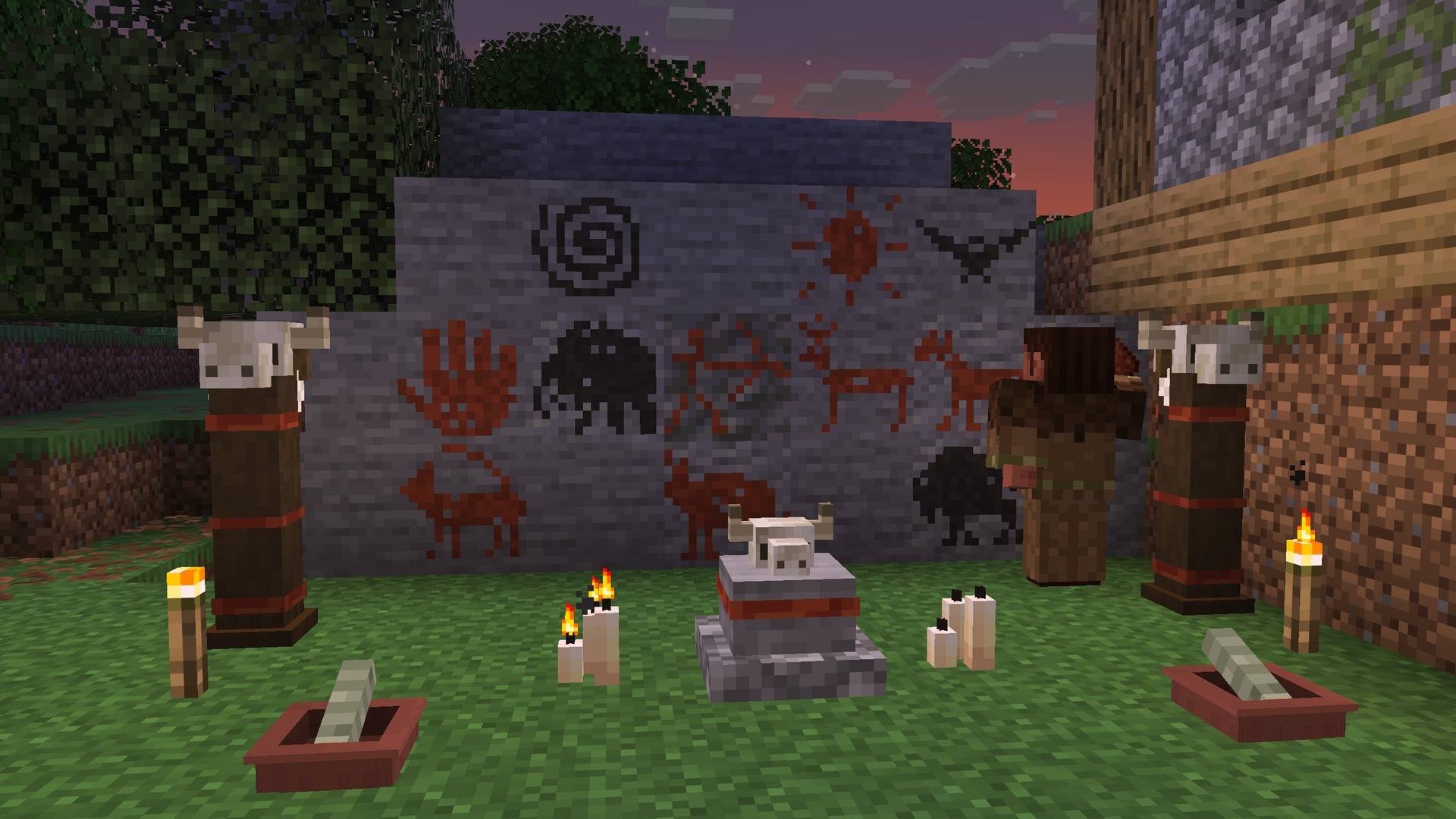
- Paint cave art on stone with red ochre or charcoal. There are fourteen pictures.
- Bone flute (calls animals), war drum (scares off monsters, in hand or set down on the ground), herb bundles and a ceremonial bowl (area buffs).
- A spirit shrine grants a boon of your choice for a spider eye. A spirit post keeps hostile mobs away.
Survival (all optional)
- Thirst: drinking straight from a river can make you sick, and sea water makes it worse. Boiled water and rain are safe to drink.
- Temperature: biome, altitude, weather, shelter, fire and clothing all affect it. It turns itself off if Serene Seasons, Tough As Nails, Cold Sweat or Legendary Survival Overhaul is installed.
- Spoilage: food rots on a shelf life. Salting, drying, a cellar and a preservative make it keep. Turn preservatives off and spoilage matters all game.
- Raw food can make you sick.
Gating
- Vanilla wooden and cobblestone tools can't be crafted, and planks need an axe.
- The crafting table needs copper, and chests and barrels need iron.
- There's no stone hoe, and hoes wear out fast until iron. Farmers and wandering traders sell farmland for bone meal.
- Ruins: until you reach bronze, furniture in villages and other structures breaks into salvage, and their loot comes a tier lower. You can't skip ahead by raiding a village.
Configuration
- Every system has a toggle, and the pacing numbers are adjustable. Configs can be edited in game through the NeoForge config screen.
- Thirst, temperature, spoilage and preservatives are game rules, so you can switch them per world when you create it.
- Presets:
GENTLE(punching logs allowed, easier fire starting, temperature is cosmetic only),STANDARD(default) andPRIMAL(harsher). - Accessibility: a pattern overlay for knapping and pottery, a colorblind-safe palette, toggle mode for hold-to-use actions and audio cues for fire state. Every minigame also has a plain crafting fallback. Age title cards can be turned off in the client config.
For modpacks
- Knapping patterns, pottery, fuels, butchering drops and all recipes are datapack JSON.
- Tin, bronze, dusts and knives use common
c:tags, so they work with other mods' versions. Molten metals are taggedc:molten_<metal>. - Tin generation is driven by biome tags. Empty them to turn our tin off where another mod already adds it.
- You can keep vanilla recipes the mod removes (
keepRecipes), remove more (removeRecipes) and turn off the starting guide (giveFieldGuide). Fragile hoes are a startup option (tools.fragileHoes). - Any recipe can be tied to a config option with the
primitiveages:config_gatedrecipe type.
Requirements
- Minecraft 26.1.2
- NeoForge 26.1.2.100 or newer
- Modonomicon 2.17.0 or newer (required, for the field guide)
- Required on both client and server
Optional
- JEI: recipe categories for every new crafting type, including melting, alloying and casting, plus info pages for things done in the world
- Jade: fire state and heat, pot and basin contents, torch burn time, machine status, crucible heat and metals, casting progress and whether a storage rack is in a cellar
FAQ
Can I add this to an existing world? Yes, but it's built for a fresh start. Structures generated before you install it aren't affected by the ruins rules.
Does it change the Nether or the End? No. Once you have iron, everything is vanilla.
Does it work with other mods' tin and bronze? Yes. Tin, bronze and their dusts share the common c: tags, so other mods' versions work in our recipes and ours work in theirs.
It's too hard / too easy. Try the GENTLE or PRIMAL preset, or turn individual systems off in the server config.
Primitive Ages Team

Owner