Mazu’s Fulgurites – Lightning Glass & Lodestones
- By
Lightning leaves something behind. Every strike can fuse the ground into a fulgurite: a one-of-a-kind tube of natural glass, waiting to be dug up, studied and put on display.

Lightning leaves something behind. Every strike can fuse the ground into a fulgurite: a one-of-a-kind tube of natural glass, waiting to be dug up, studied and put on display.
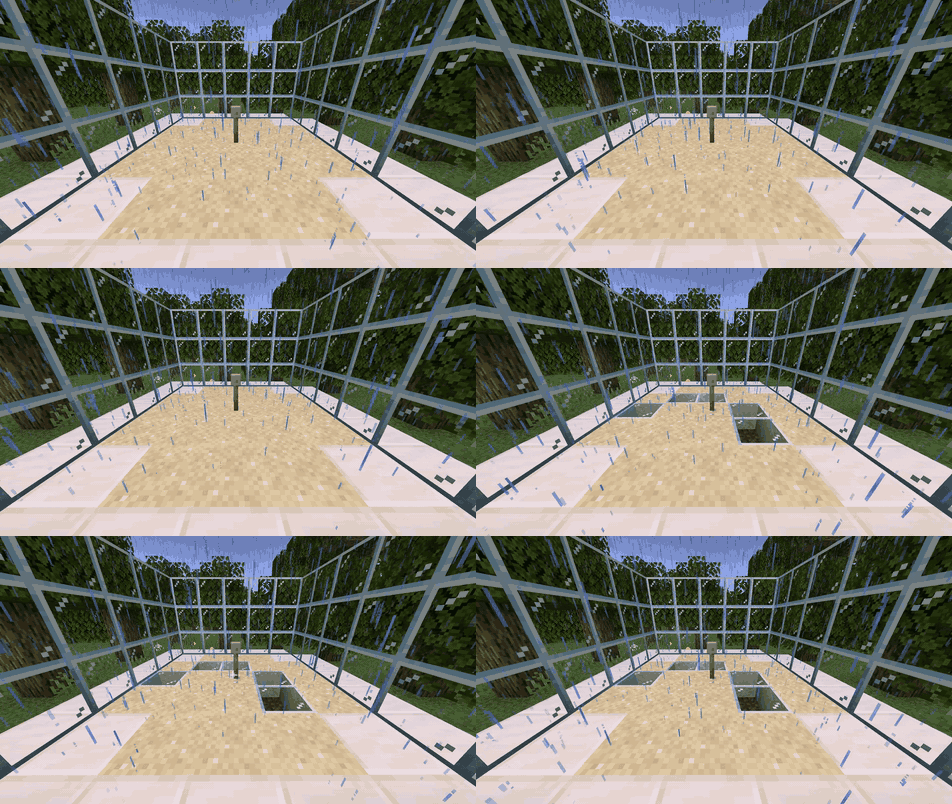

When lightning hits the ground, the heat melts the ground around the bolt's path into glass. Strike sand, red sand, dirt, clay or gravel and there's a good chance a fulgurite forms buried right under the impact, with scattered glass fused into the sand around it.
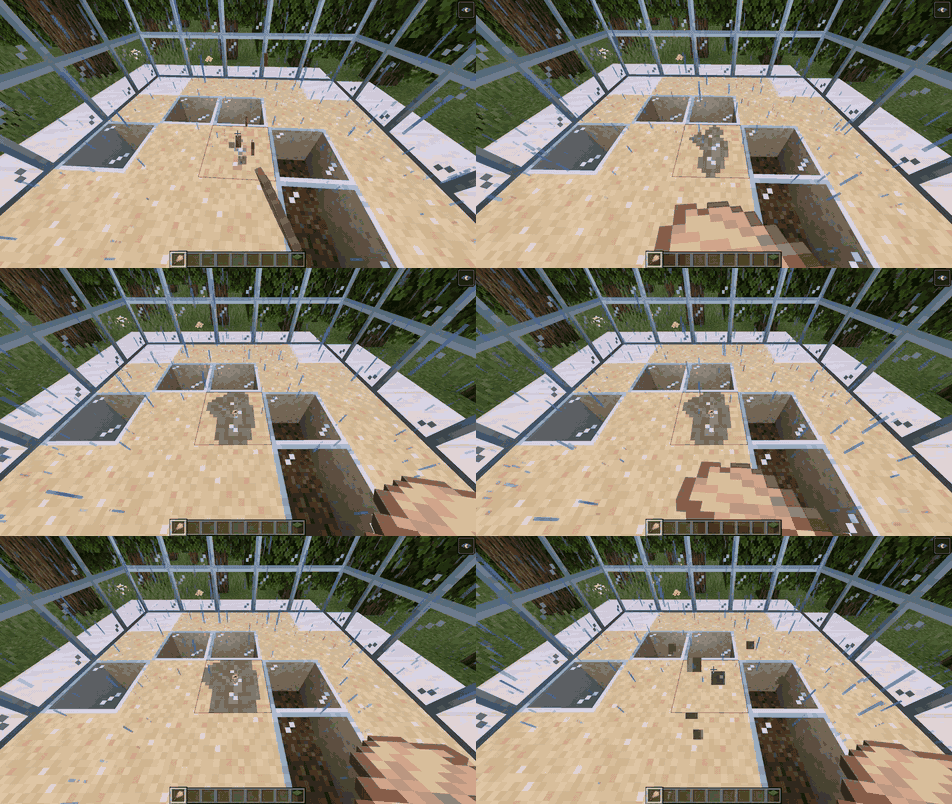
- Brush the struck block with an archaeology brush to free the specimen.
- Long specimens reach two blocks deep.
- Any lightning works: storms, a Channeling trident, or a lightning rod on sand to farm them.

Every fulgurite is generated from its own seed and the ground it formed in: a voxel tube that wanders down from an open mouth, with a hollow core, ridges, side branches and glass fused from the inside out.

Type I · Sand
Thin-walled tubes around an open axial void, the classic lightning glass. Pale in sand, rusty in red sand.
Thin-walled tubes around an open axial void, the classic lightning glass. Pale in sand, rusty in red sand.

Type II · Soil
Lumpier, glass-rich and branched like coral, full of bubbles. Formed in dirt, clay and gravel, each with its own colors.
Lumpier, glass-rich and branched like coral, full of bubbles. Formed in dirt, clay and gravel, each with its own colors.

The seed rolls five traits, each with its own tier, from common to pristine ★:
| Trait | Common | Pristine ★ |
|---|---|---|
| Length | 18–24 cm | 54–64 cm |
| Branches | none | 6–7 |
| Vitrification | 5–20% | 75–95% |
| Hollow core | 0–15% open | 75–100% open |
| Glass purity | cloudy | clear |
Together they set the specimen's rarity: Common, Uncommon, Rare, Legendary and Pristine, roughly 1 in 165, and only with at least two ★ traits. Every specimen also gets its own catalogue number.
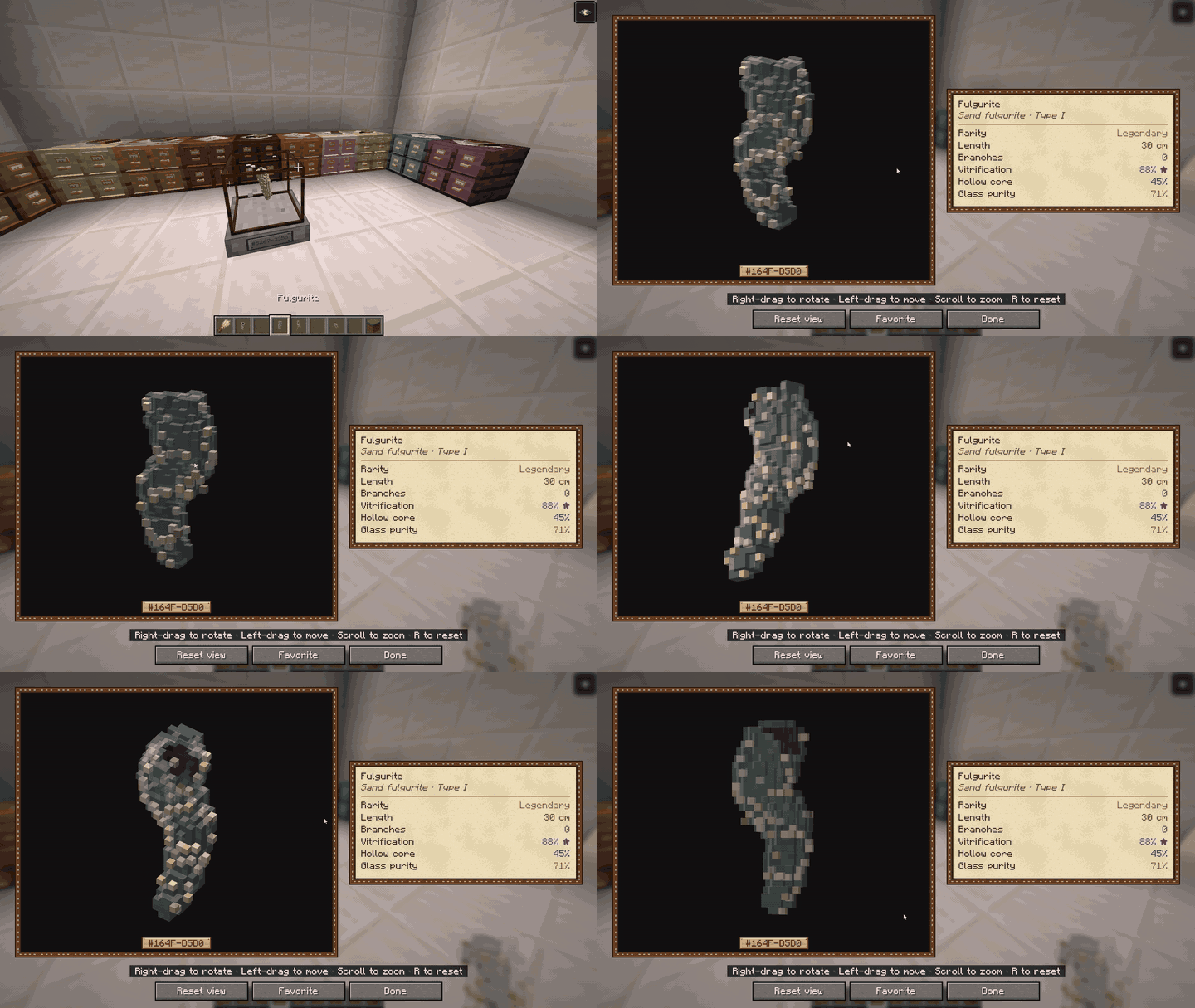


Inspection
Right-click a fulgurite to study it in a museum case: turn it, move it and zoom in, next to a label with every trait colored by its tier. Mark your favorites with a gold star.
Right-click a fulgurite to study it in a museum case: turn it, move it and zoom in, next to a label with every trait colored by its tier. Mark your favorites with a gold star.

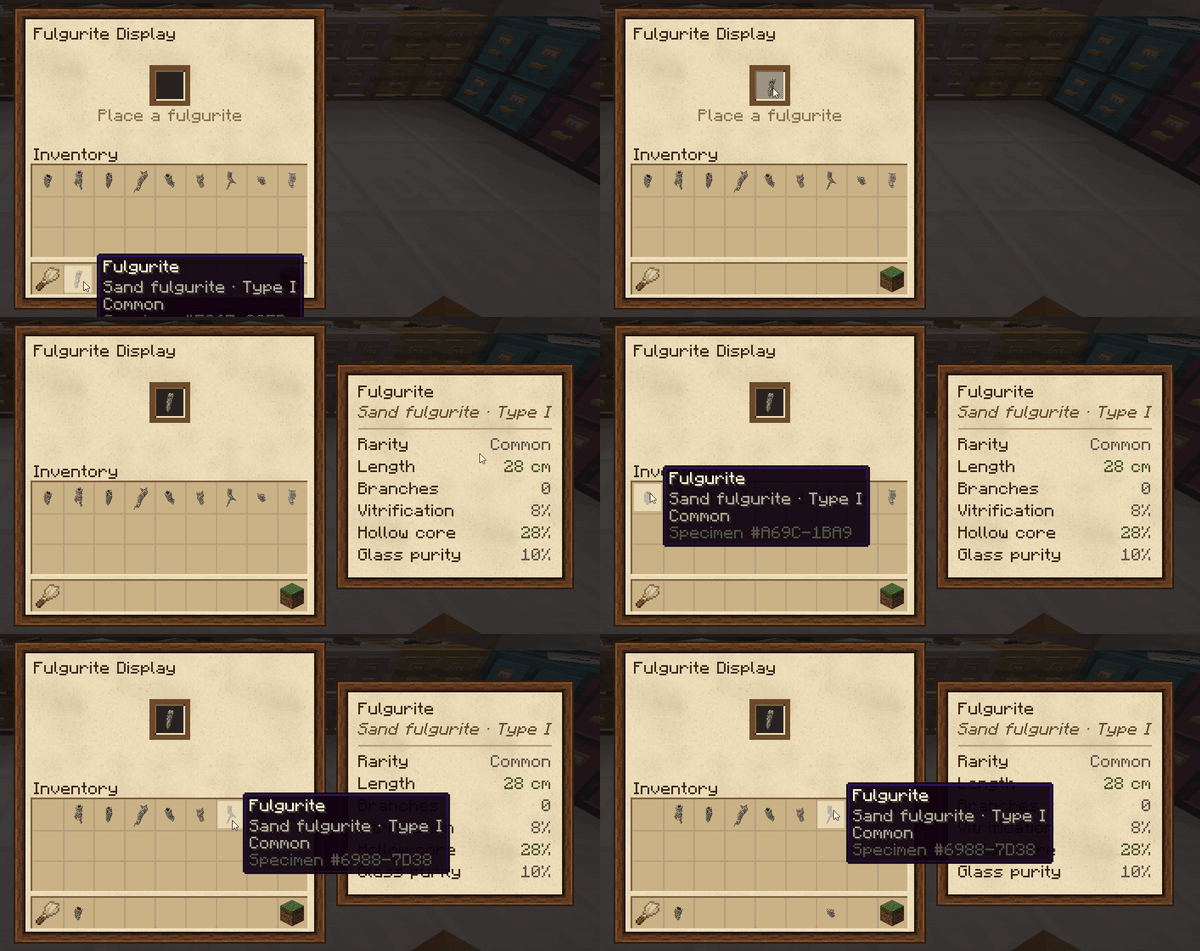
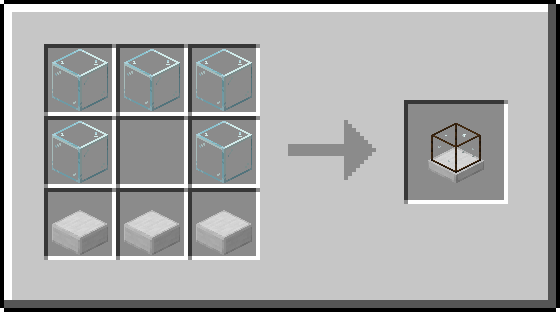
Fulgurite Display
A glass case on a stone base. The specimen turns slowly inside, over a plaque in its rarity's color. Name it in an anvil and the name goes on the plaque.
A glass case on a stone base. The specimen turns slowly inside, over a plaque in its rarity's color. Name it in an anvil and the name goes on the plaque.

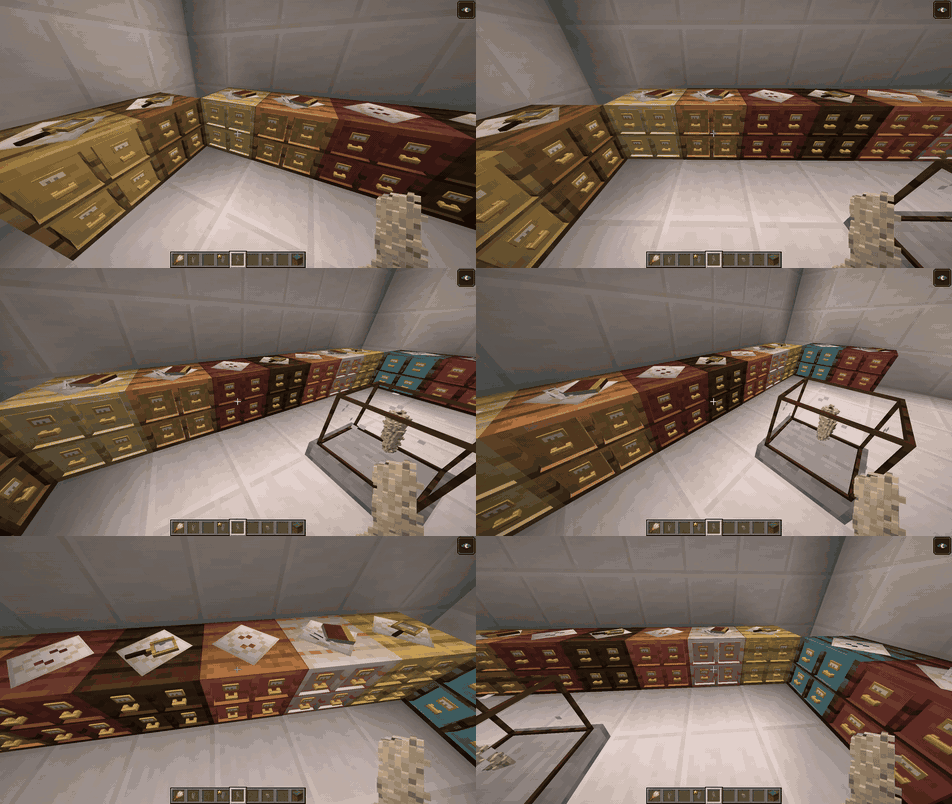
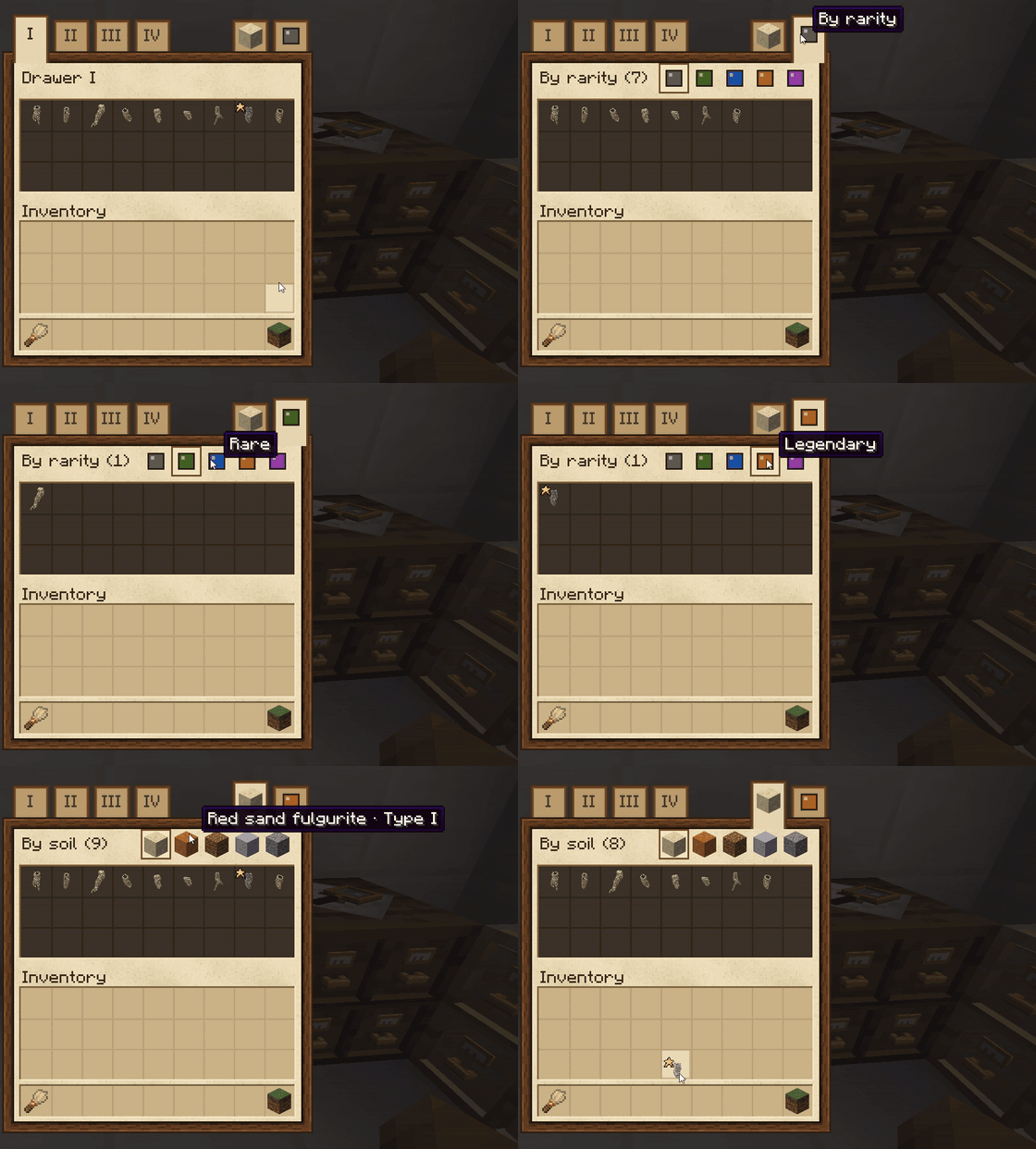
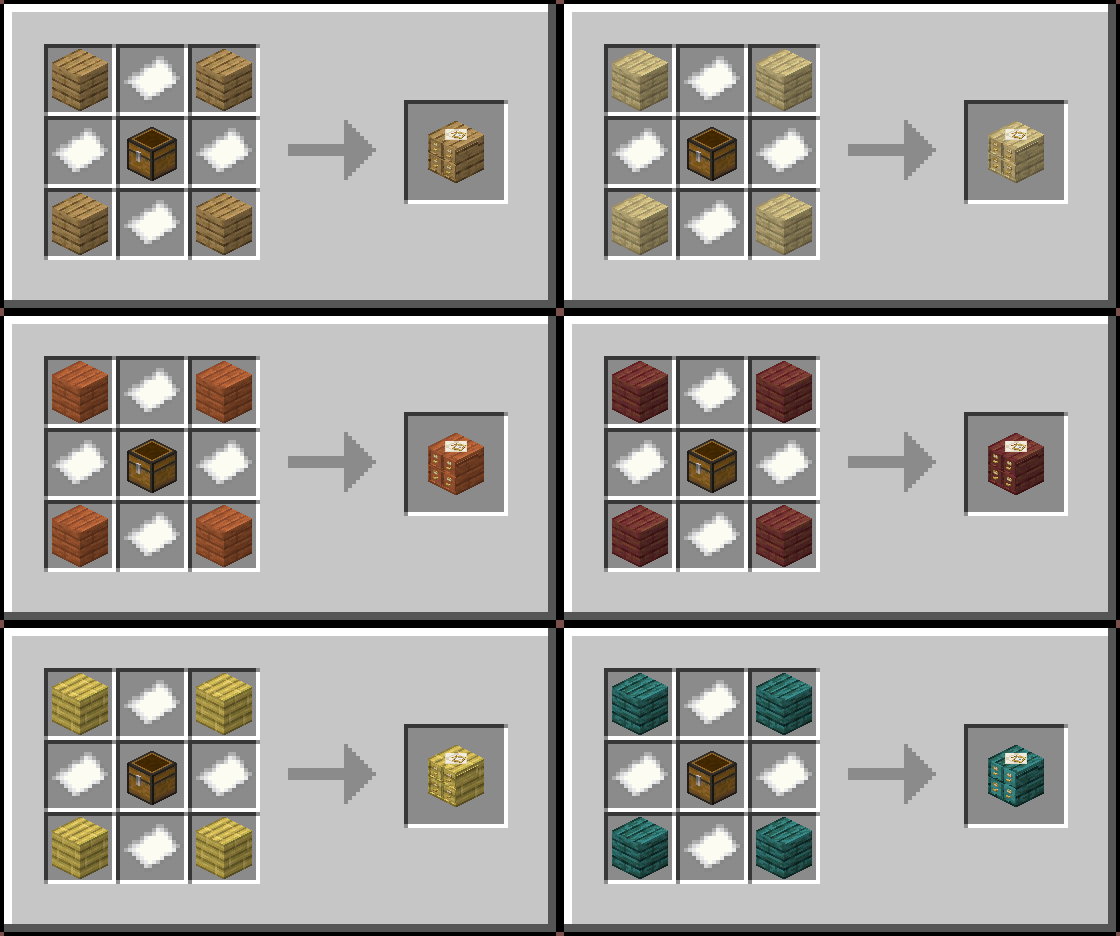
Fulgurite Cabinet
Four drawers of specimens in any wood. Open a drawer's tab and it slides out in the world, or sort the whole collection by soil or rarity. Works with hoppers and comparators.
Four drawers of specimens in any wood. Open a drawer's tab and it slides out in the world, or sort the whole collection by soil or rarity. Works with hoppers and comparators.


Lightning also magnetizes iron. Blocks of iron and raw iron near the impact can turn into lodestones, the way natural lodestones are thought to form. A lightning rod on an iron block is the easy way to make one.

- Rock fulgurites and a geologist's hammer to chip them out of stone.
- Advancements, a specimen catalogue and more on the way to 1.0.
Every chance and radius can be changed in the config.
Formerly Lightning Interactions. Part of the Mazu's series.
Mazu’s Fulgurites – Lightning Glass & Lodestones Team