Lost Cities: Reanimated
- By
A modernized backport of The Lost Cities for Minecraft 1.7.10 and 1.12.2, featuring modern city generation, highways, railways, expanded structures, and configurable world generation.
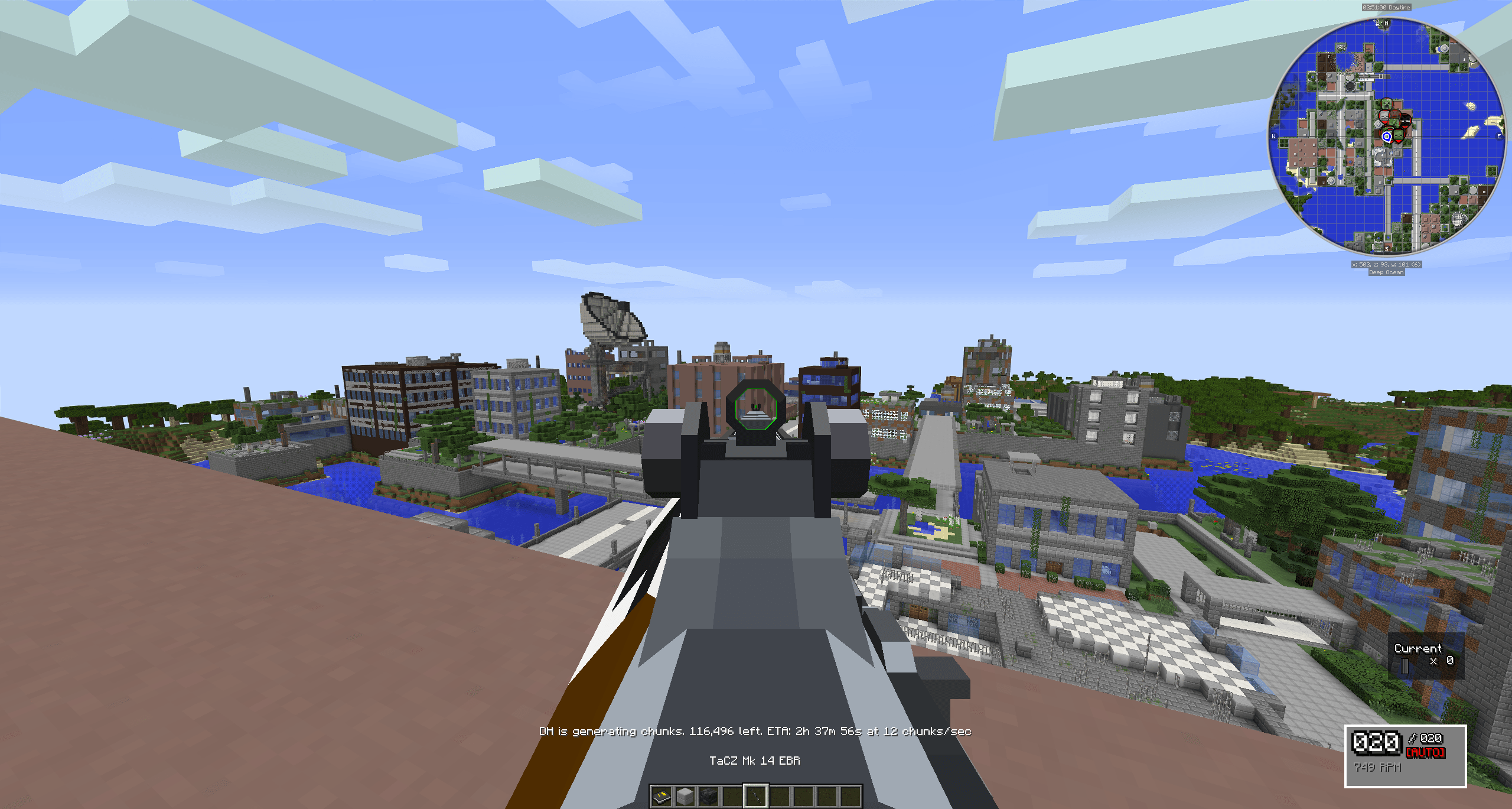
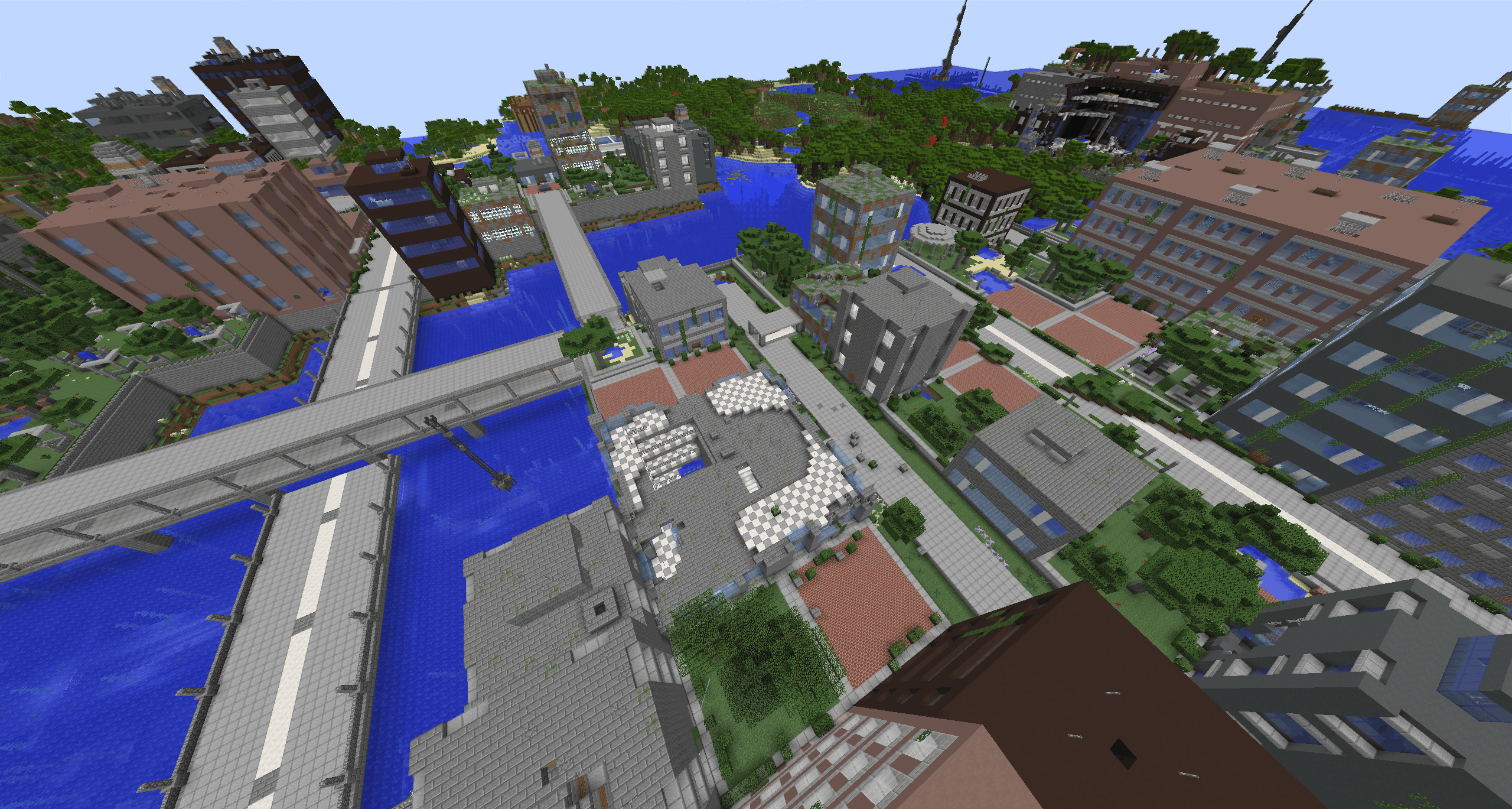
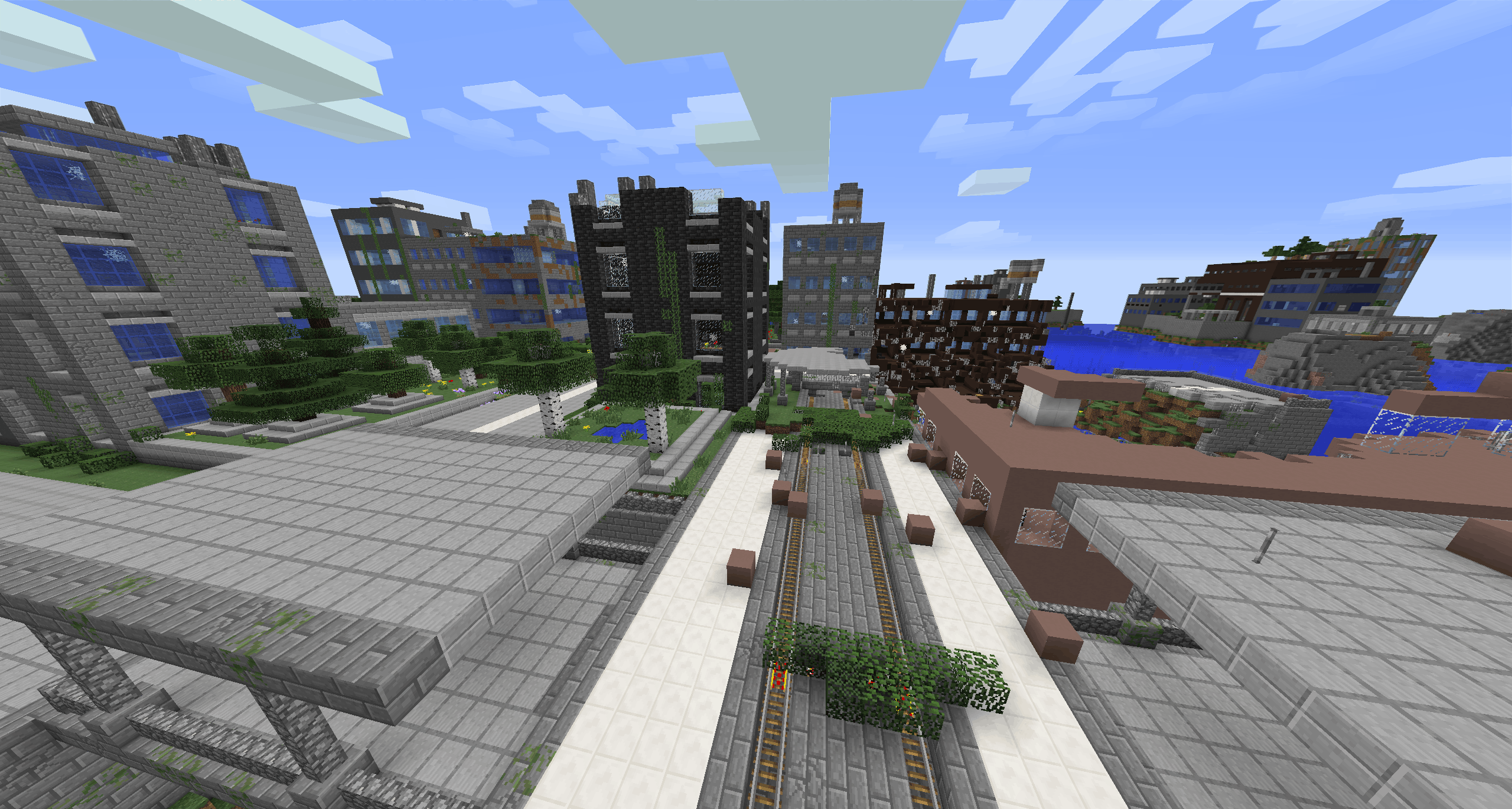
Subways, New Highway System, City Planning
Done with the Help of UAB
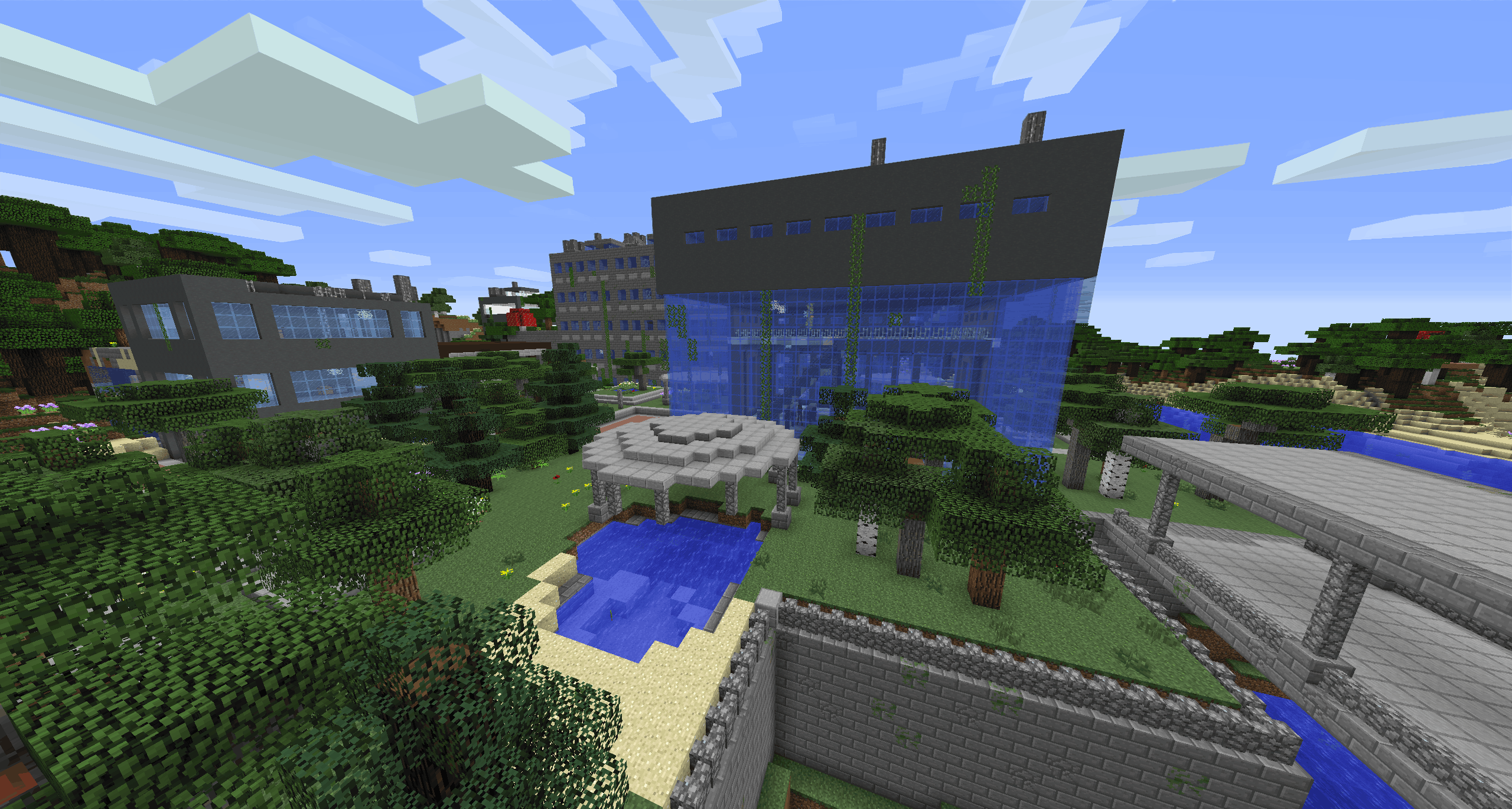
Yeah
Description
Lost Cities Reanimated
Modern Cities. Classic Minecraft.
Lost Cities Reanimated brings the modern features and world-generation systems of McJty's The Lost Cities to Minecraft Forge 1.7.10 and 1.12.2.
Explore sprawling abandoned cities filled with skyscrapers, ruined buildings, highways, railways, underground infrastructure, loot, and hostile mobs.
Unlike the original 1.12.2 release, Reanimated incorporates newer city-planning systems, expanded building generation, modern assets, improved transportation networks, and additional configuration options while preserving the original mod's gameplay and legacy compatibility.
Installation
- Install Minecraft Forge for 1.7.10 or 1.12.2 using Java 8.
- Download the corresponding Lost Cities Reanimated JAR.
- Place it in your Minecraft installation's
modsfolder. - Launch Minecraft.
Universal Adaptive Backporter (UAB) is optional, providing additional modern blocks and materials for generated structures. Without UAB, the mod uses available native materials and functional substitutes.
Do not install the original Lost Cities mod alongside Reanimated.
Creating a World
Singleplayer: Select the Lost Cities world type when creating a world, then choose a generation profile through the customization menu.
Dedicated servers: Configure server.properties:
level-type=lostcities
generator-settings={"profile":"default"}
Replace default with your preferred profile.
Normal overworld integration: Cities can also generate within existing world types without replacing their terrain generator. Add an overlayDimensions entry in config/lostcities/general.cfg, such as:
0:realistic
This enables the realistic profile in the Overworld, including supported Biomes O' Plenty terrain.
Configuration
Configuration files are located in config/lostcities/.
general.cfg— Dimensions, world types, asset loading, material providers, and compatibility.profile_<name>.cfg— City density, buildings, terrain, roads, railways, damage, loot, and generation settings.modern_<name>categories — Additional modern generation settings within each profile.
Modern systems such as hierarchical streets, intercity highways, multibuildings, and scattered structures can be configured independently.
Custom building assets and palettes are supported through config/lostcities/modern/, including namespaced JSON asset packs.
See the Configuration Reference for detailed settings.
Features
Modern City Generation
- Expanded Cities: Configurable city density, distribution, building heights, and modern noise-based generation.
- Hierarchical Streets: Primary, secondary, and tertiary roads create more organized city layouts.
- Intercity Highways: Transportation networks connecting cities across the landscape.
- Modern Multibuildings: Complex structures with variable footprints and expanded building layouts.
- Railway Networks: Configurable railway grids, underground connections, and stations.
- Scattered Structures: Additional structures outside traditional city blocks.
- Environmental Detail: Parks, fountains, vegetation, ruins, and building decorations.
- Survival Content: Loot, mob spawners, damaged buildings, and overgrown environments.
Expanded World Generation
Reanimated retains the original Lost Cities landscapes while introducing additional generation systems.
- Traditional, realistic, floating, and cavern environments.
- Modern city spheres and cavern spheres.
- Configurable bridges, tunnels, highways, and railways.
- Climate-based biome selection and manual biome mappings.
- Custom city styles, building palettes, and structure distributions.
Modern Assets and Compatibility
Modern JSON building assets work alongside the original legacy asset libraries.
Optional integrations include:
- Universal Adaptive Backporter: Additional modern building materials and block states.
- Biomes O' Plenty: Supported biome and terrain generation.
- Underground Biomes: Native terrain and population integration.
- YUNG's Legacy Better Caves: Supported cave-generation integration.
- Custom Terrain Generators: Integration through the native Lost Cities terrain adapter API.
Lost Cities detects available materials and can substitute native blocks when optional providers are missing.
Differences From the Original 1.12.2 Release
The original Lost Cities already featured buildings, highways, railways, ruins, loot, and multiple landscapes. Reanimated expands these systems using functionality adapted from modern releases.
| Feature | Original 1.12.2 | Reanimated |
|---|---|---|
| Versions | 1.12.2 | 1.7.10 and 1.12.2 |
| City layouts | Legacy radial cities | Legacy and modern noise-based cities |
| Streets | Original road generation | Hierarchical street networks |
| Highways | Legacy highways | Expanded intercity planning |
| Multibuildings | 2×2 structures | Variable building footprints |
| Railways | Original railway system | Modern configurable railway grids |
| Assets | Legacy libraries | Legacy and modern JSON assets |
| Materials | Legacy palettes | Adaptive materials and optional UAB support |
| Configuration | Original profiles | Extended modern generation settings |
Dimensions and Travel
Lost Cities Reanimated retains the original extra dimension, using dimension ID 111 by default.
Travel between the Overworld and Lost Cities dimension using the original special-bed mechanic: place a bed on two diamond blocks and surround it with six skulls.
Dimension IDs and generation profiles are configurable.
World Compatibility
Existing worlds retain legacy generation behavior where possible, while new worlds use modern generation systems.
Generation modes and material selections are saved per world. Supported modern city chunks can also store native fallback information for certain optional materials.
Changes to generation settings affect newly generated chunks only. Existing structures and terrain are not automatically regenerated.
Back up worlds before changing generation profiles, asset packs, or installed content providers.
Credits
Lost Cities Reanimated is based on The Lost Cities by McJty, adapting modern functionality for legacy Minecraft versions.
Original authorship and contributions are preserved under the MIT License.

Lost Cities: Reanimated Team