Games of Antiquity
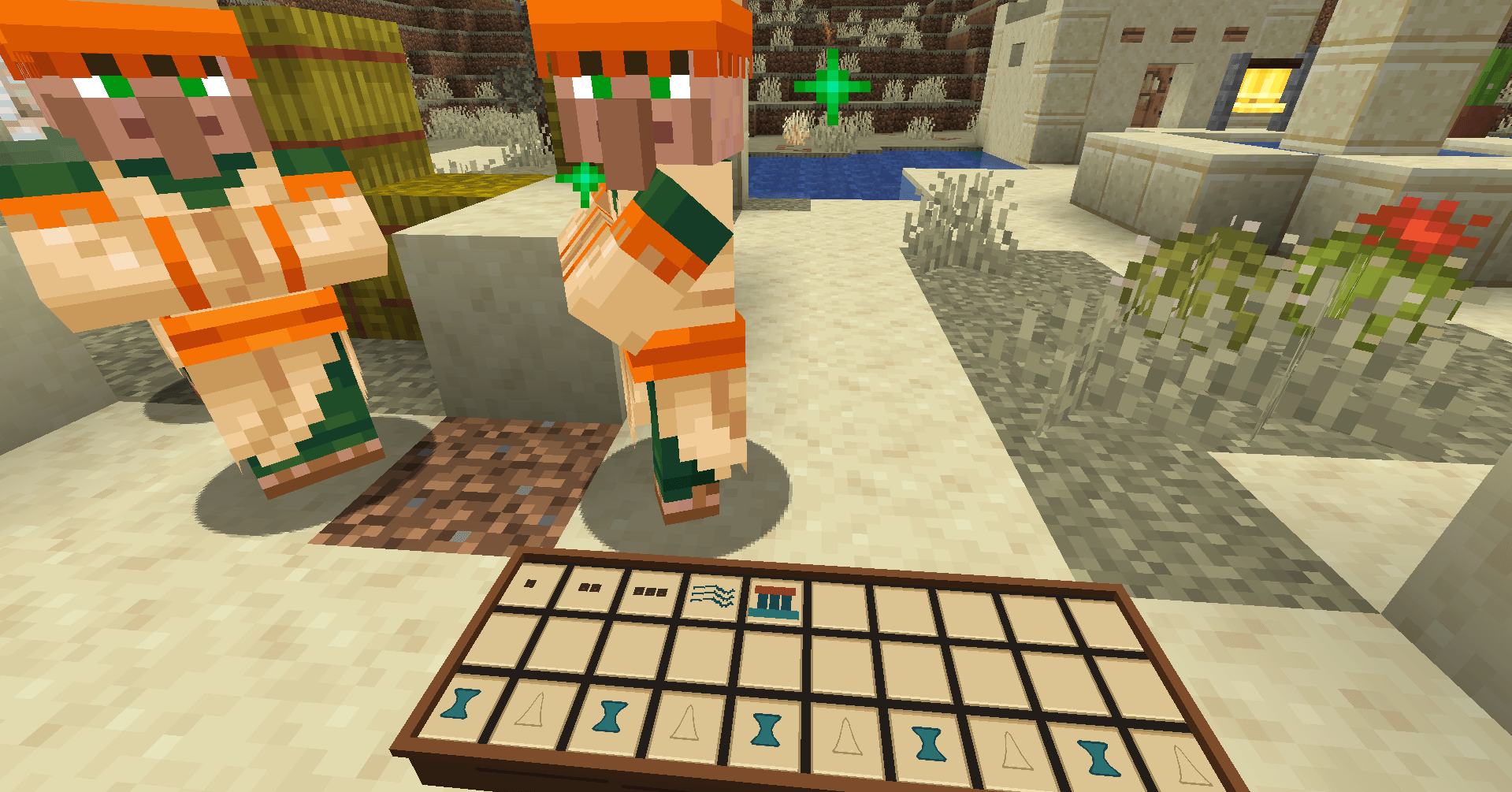
Place a researched game board in your Minecraft world, sit down with a friend, and race seven pieces through the Royal Game of Ur and 30 steps SENET board.
Created part of modjam echoes of past
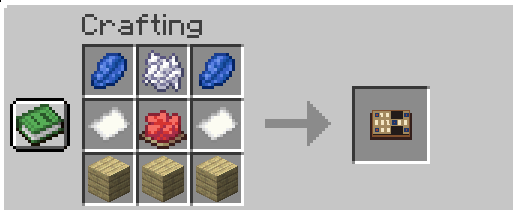
Craft Royal game of Ur (Board)
Where:
| Key |
Item |
| L |
lapis_lazuli (blue) |
| B |
bone_meal (white) |
| P |
paper |
| R |
red_dye (red) |
| W |
#minecraft:planks (any plank) |
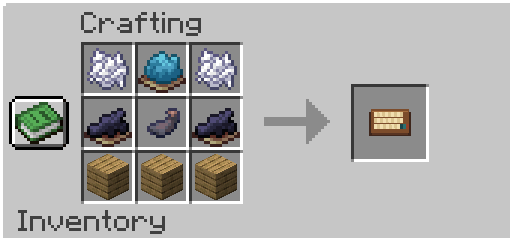
Craft Senet Board
Bone Meal Cyan Dye Bone Meal
Black Dye Ink Sac Black Dye
Any Planks Any Planks Any Planks
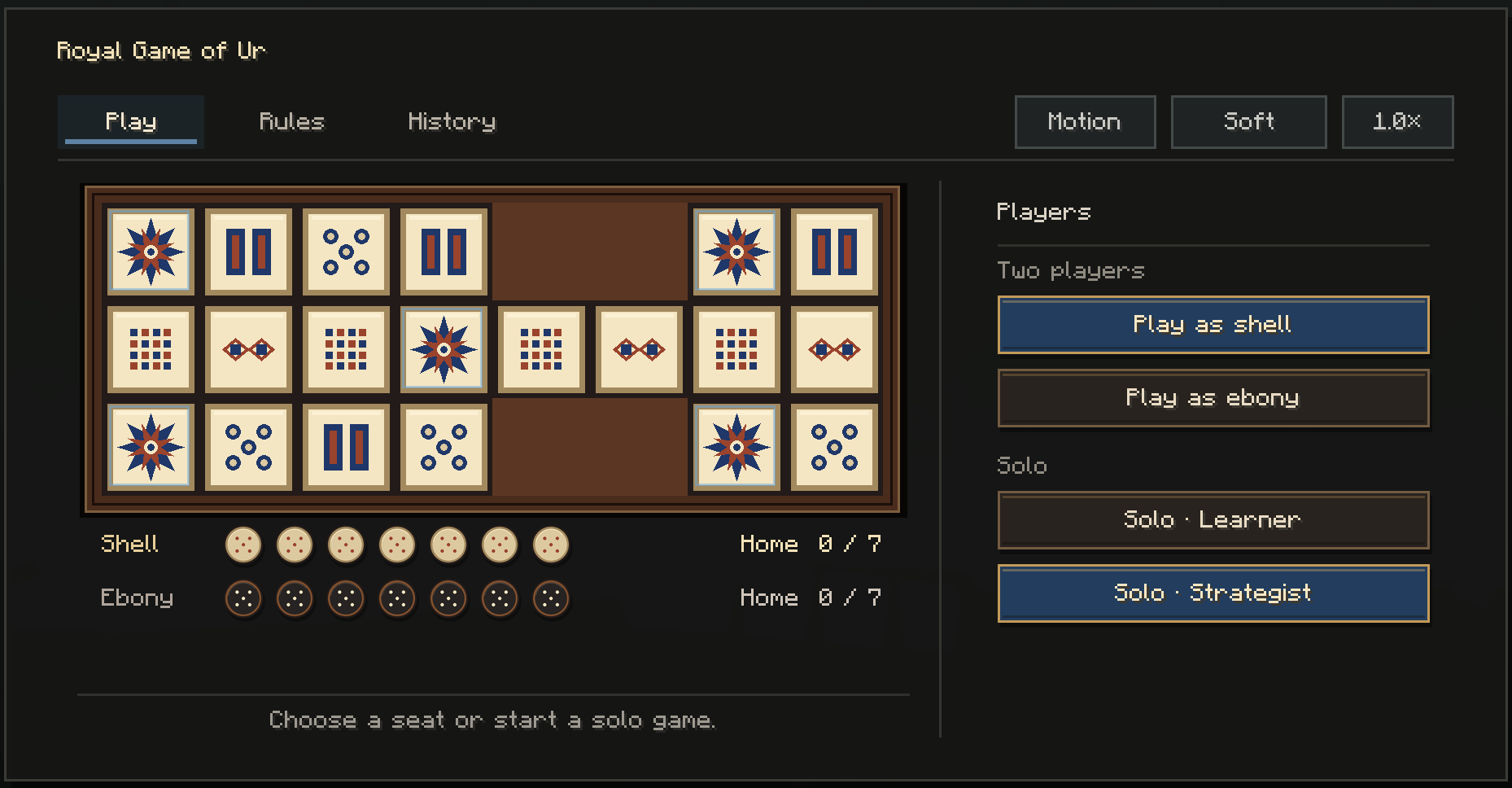
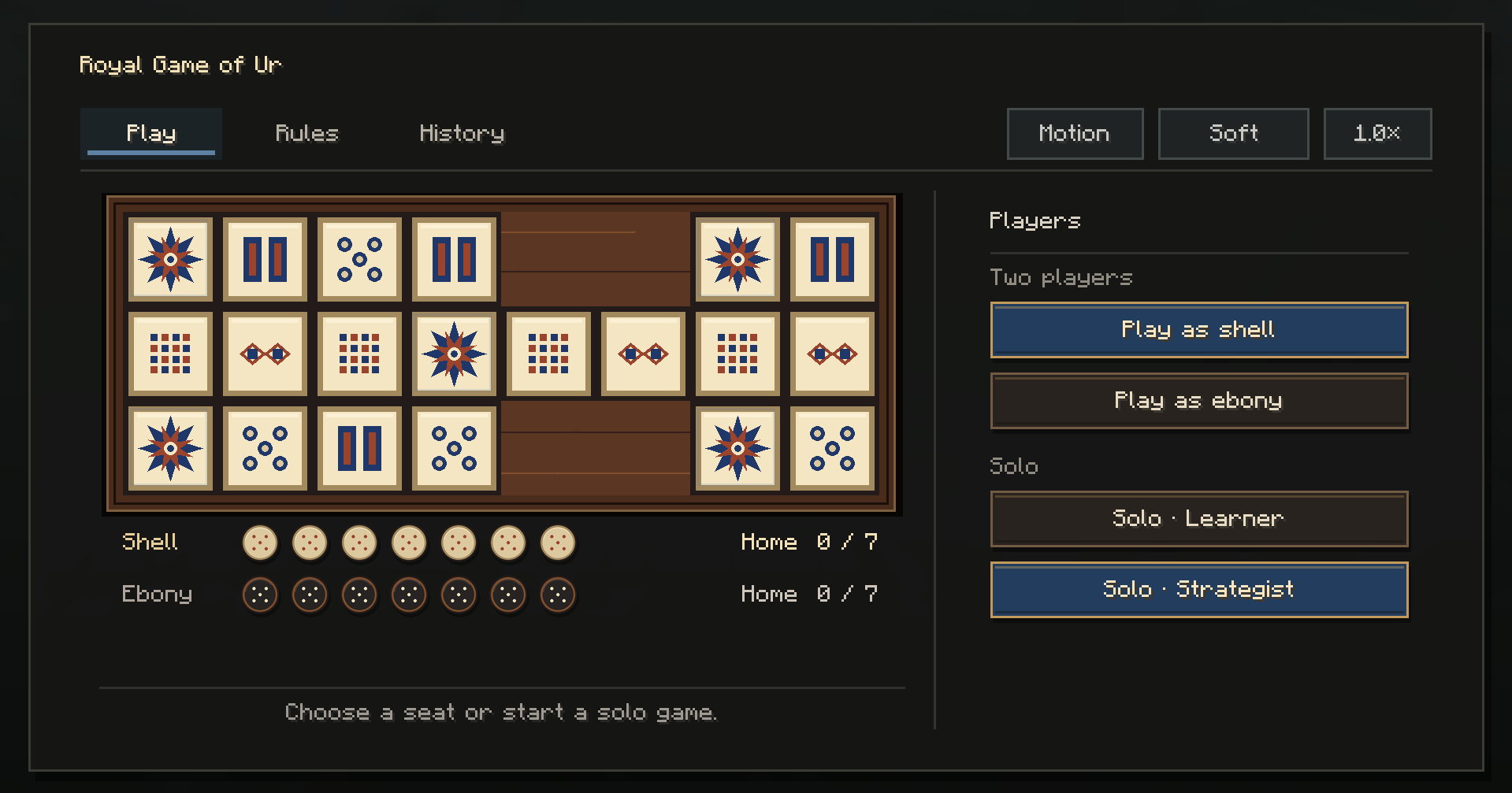
The first release focuses entirely on making Ur feel physical and trustworthy: a rotating two-block board, shell and ebony pieces rendered in the world, server-authoritative tetrahedral rolls, captures, protected rosettes, exact exits, two AI opponents, persistent matches, and a built-in rules/history guide.
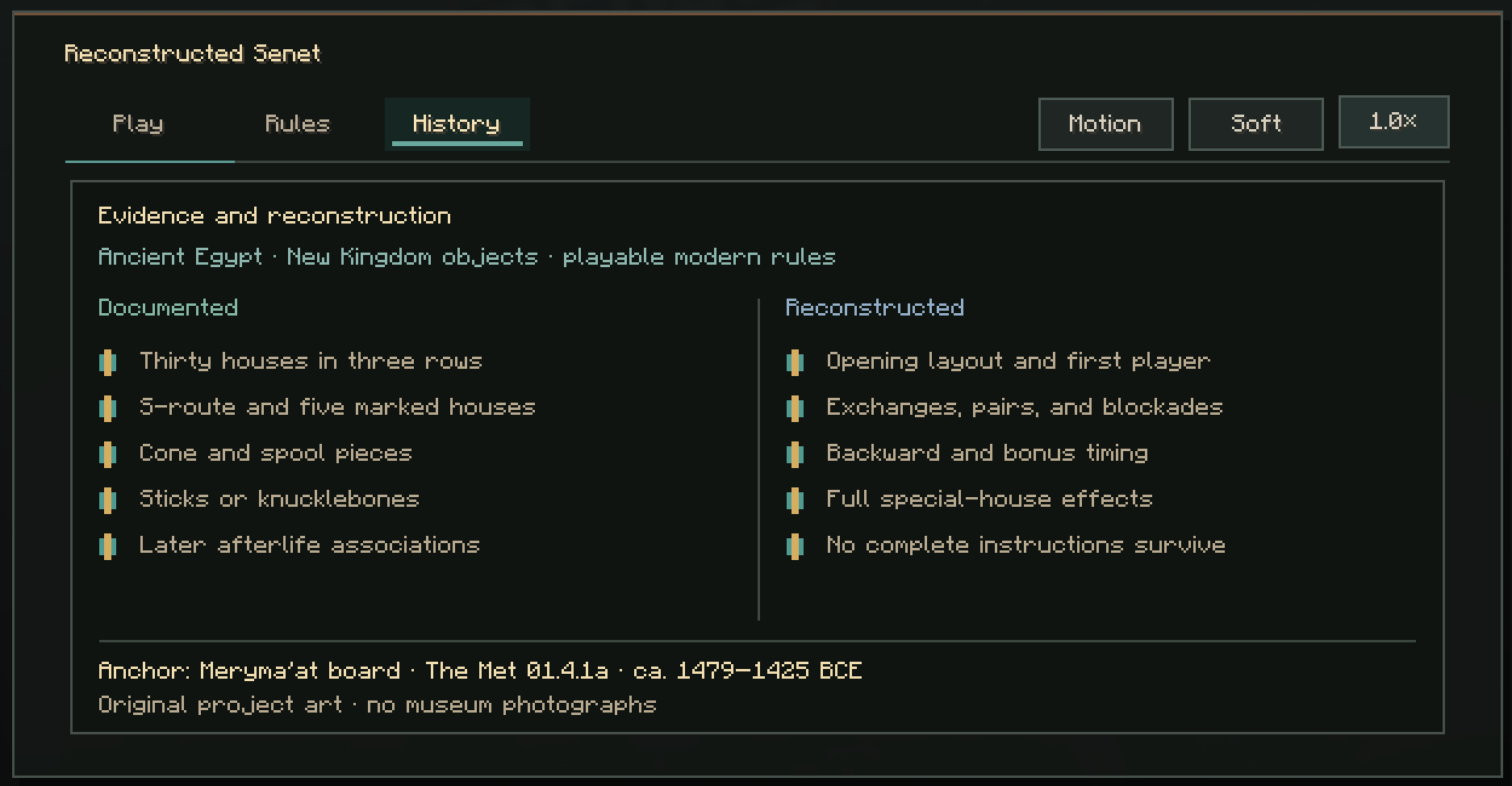
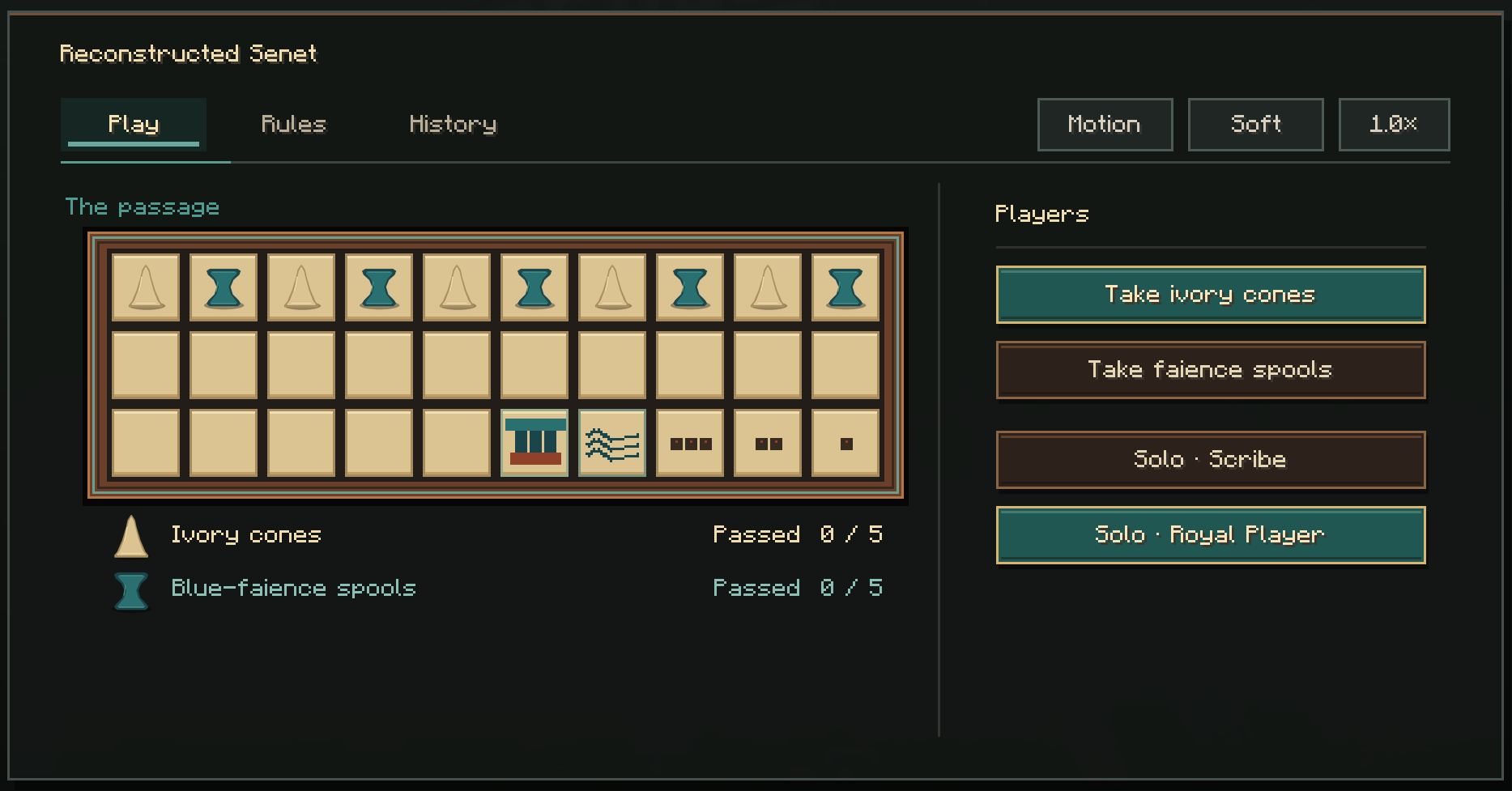
The Second release adds the reconstructed Senet Board with five ivory cones and five faience spools to the board with 30 steps
Historical note
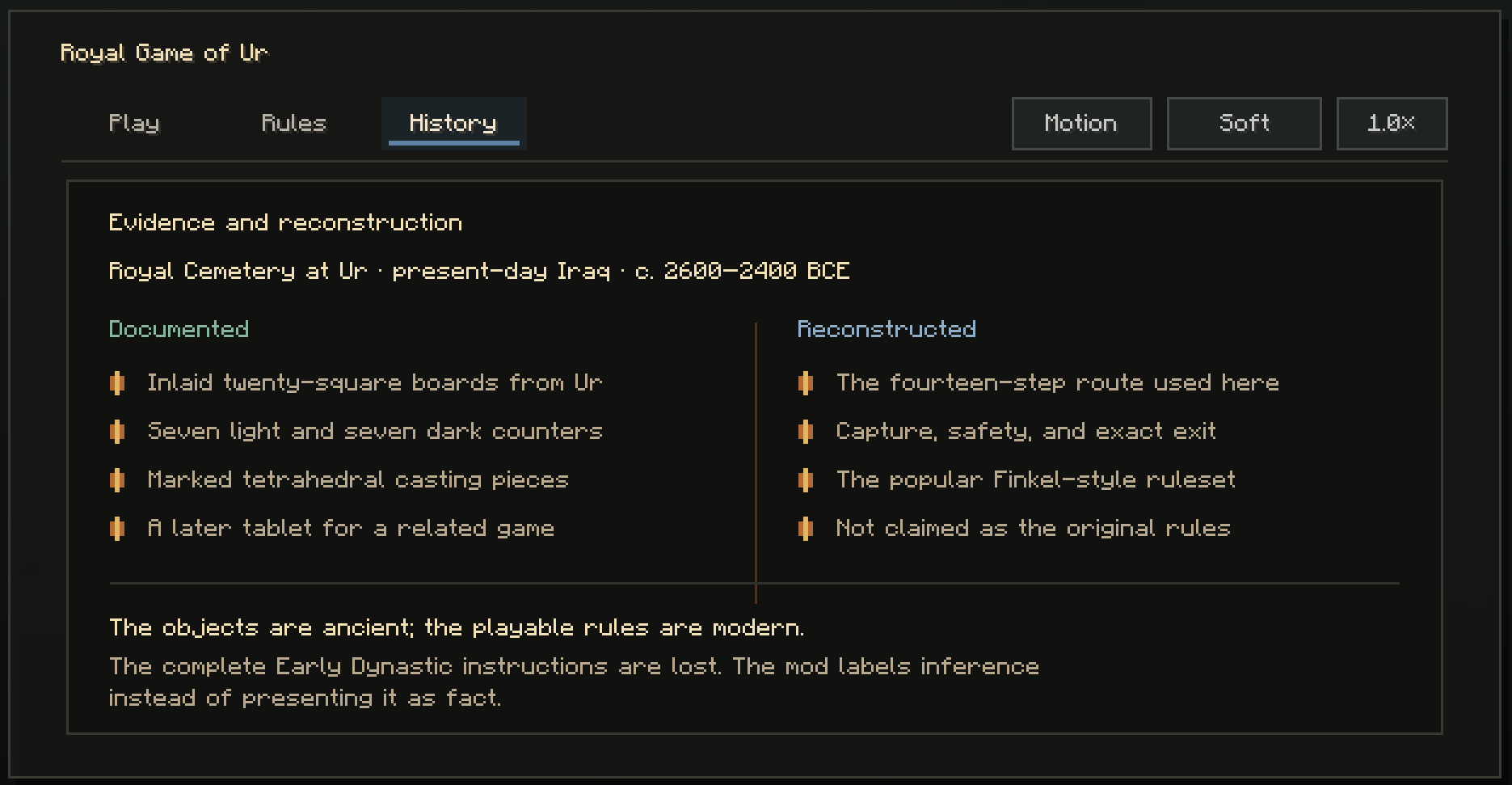
The board, counters, and tetrahedral dice are archaeologically documented. The complete Early Dynastic rules are not. This mod uses the popular modern Finkel-style reconstruction and explains where certainty ends.
- British Museum, registration 1928,1009.378, The Royal Game of Ur. Royal Cemetery at Ur; Early Dynastic III; c. 2600–2400 BCE. The surviving board, inlay, seven light and seven dark counters, and tetrahedral dice establish material form. Documented.
- The Metropolitan Museum of Art, Senet and Twenty Squares: Two Board Games Played by Ancient Egyptians. The Met documents a Senet board from Abydos, Egypt, ca. 1550–1295 BCE, consisting of 30 squares, with surviving faience tiles and cone- and spool-shaped gaming pieces. It also documents movement determined by casting sticks or bones, a zig-zag path across the board, blocking and backward movement, and special final houses including the nefer (“good”) square and water hazard. Documented.