You are a photographer with a cabin, a camera and a list. This mod gives every new world a place to start from and a reason to walk away from it.
Needs the Exposure camera mod. Made for the Field Notes modpack, and works in any pack.
The cabin
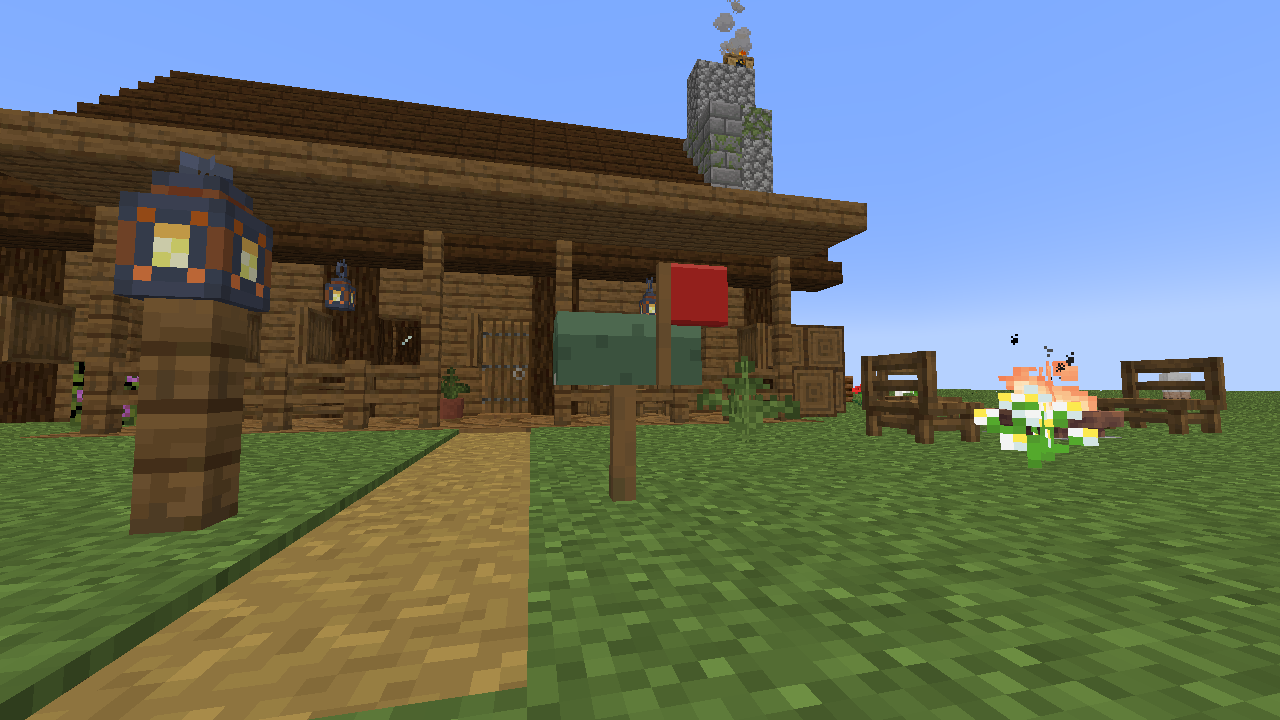
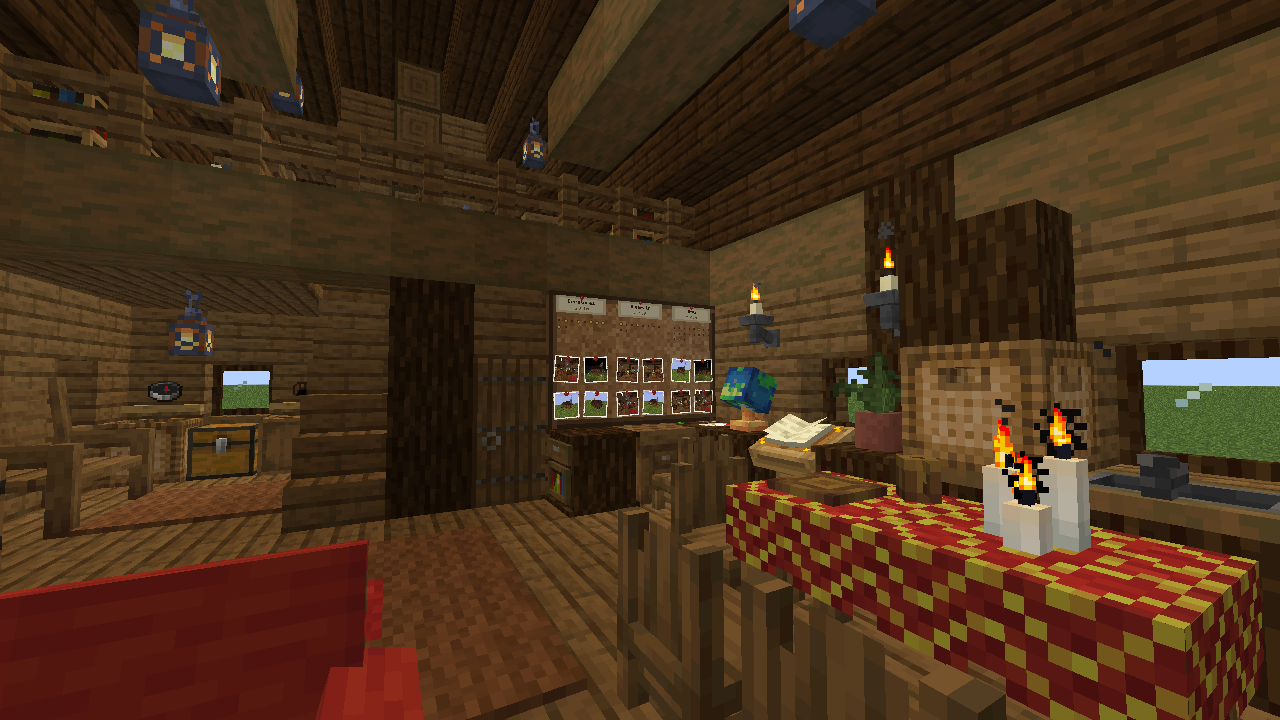
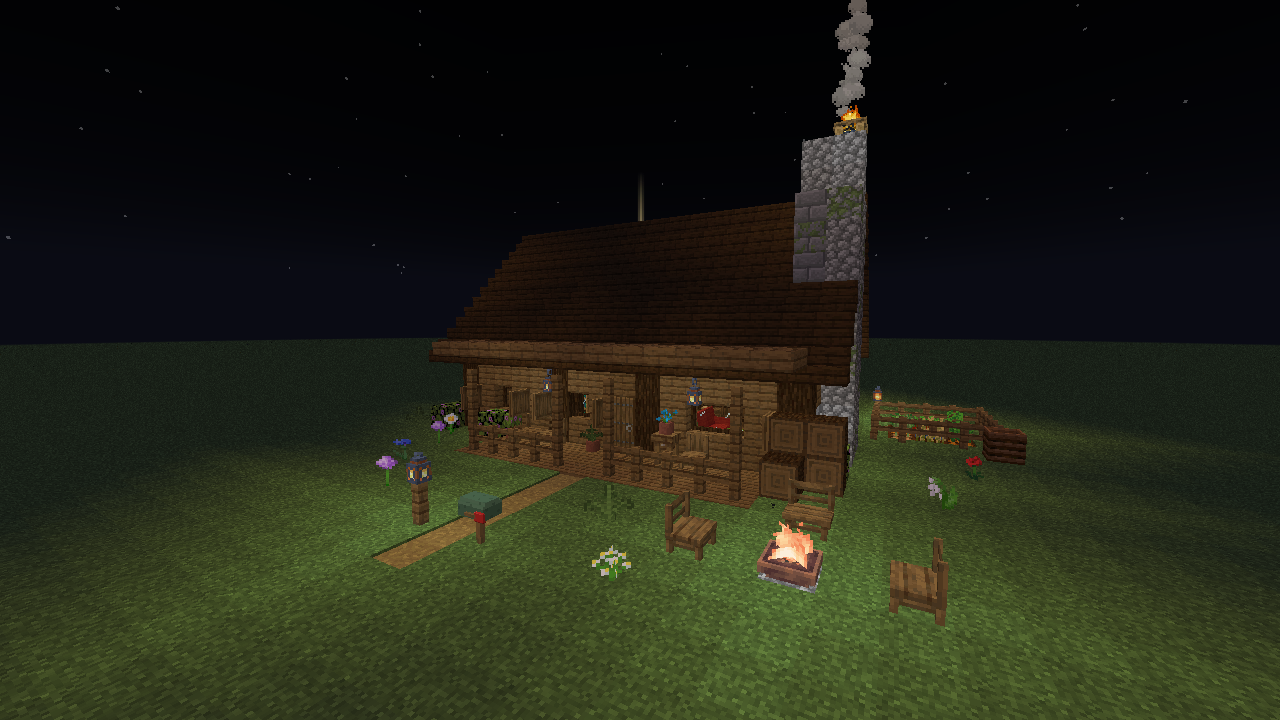
A new world builds a small cabin at its spawn point and puts you inside it. There is a bed, a chest of supplies, a map table, a darkroom corner and the assignment on a lectern. New players on a server start there too, each with their own camera.
Worlds that already exist are left alone.
The assignment
A list of creatures, minerals and sites to photograph. The first photo of each one pays a study page and a little experience as soon as you press the shutter.
- Creatures only need to be in the frame.
- Minerals have to be in view. Ore behind a wall does not count.
- Sites count when you stand in them or point the camera at them.
The list sits in the advancements screen under The Assignment, with a hint for where to find each subject. Subjects from other mods (Naturalist, Friends & Foes, The Twilight Forest, The Aether, Mowzie's Mobs, Deeper and Darker, When Dungeons Arise, YUNG's structures) only show up when that mod is installed.
Study pages and field gear
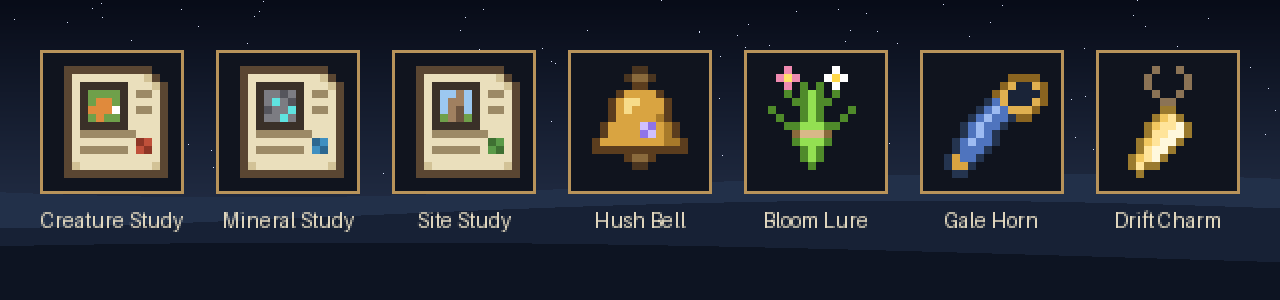
With Anomalies & Anchors installed, study pages and anomaly shards craft four tools for the harder shots:
| Tool | What it does |
|---|---|
| Hush Bell | Creatures nearby hold still for a few seconds. |
| Bloom Lure | Animals nearby wander over to you. |
| Gale Horn | A gust throws you the way you are looking. |
| Drift Charm | You jump higher and fall slowly for a while. |
Spare study pages can be crafted back into shards.
Commands
| Command | Who | What it does |
|---|---|---|
/basecamp progress |
Everyone | Counts what you have photographed and names a few subjects still missing. |
/basecamp build |
Operators | Builds a cabin where you stand. For worlds made before the mod was added. |
For pack makers
Subjects are data. A file in data/<namespace>/photo_subject/ names a category (creature, mineral or site) and a list of ids or tags to match, so a datapack can add its own.
Field Notes Basecamp Team