


Deep Time: Dinosaurs
- By
120 real dinosaurs: dig up fossils, hatch, tame, ride and build a park in a living ecosystem.
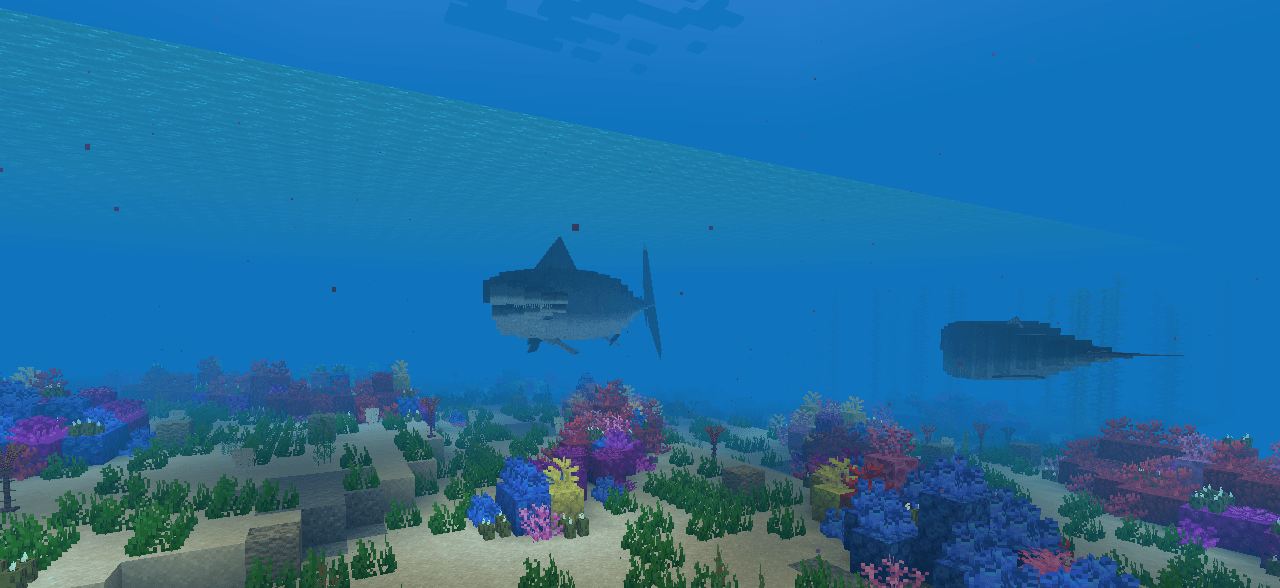
megalodon.png
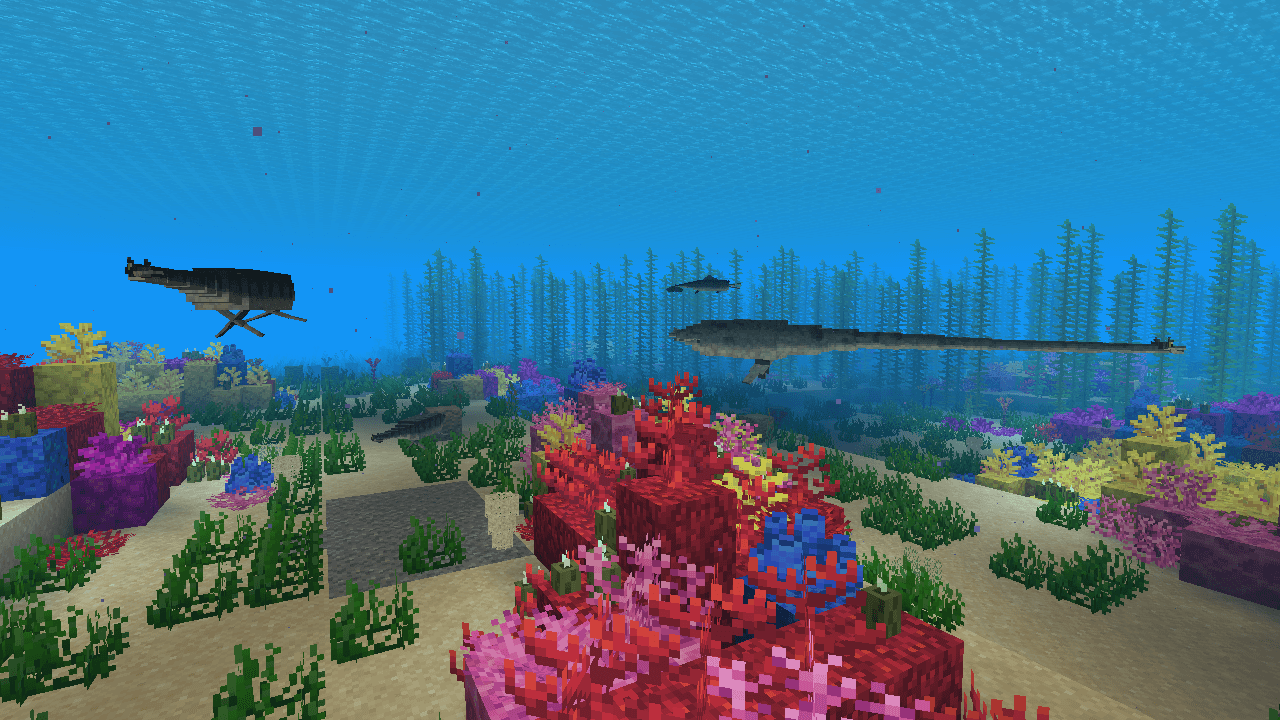
reef.png
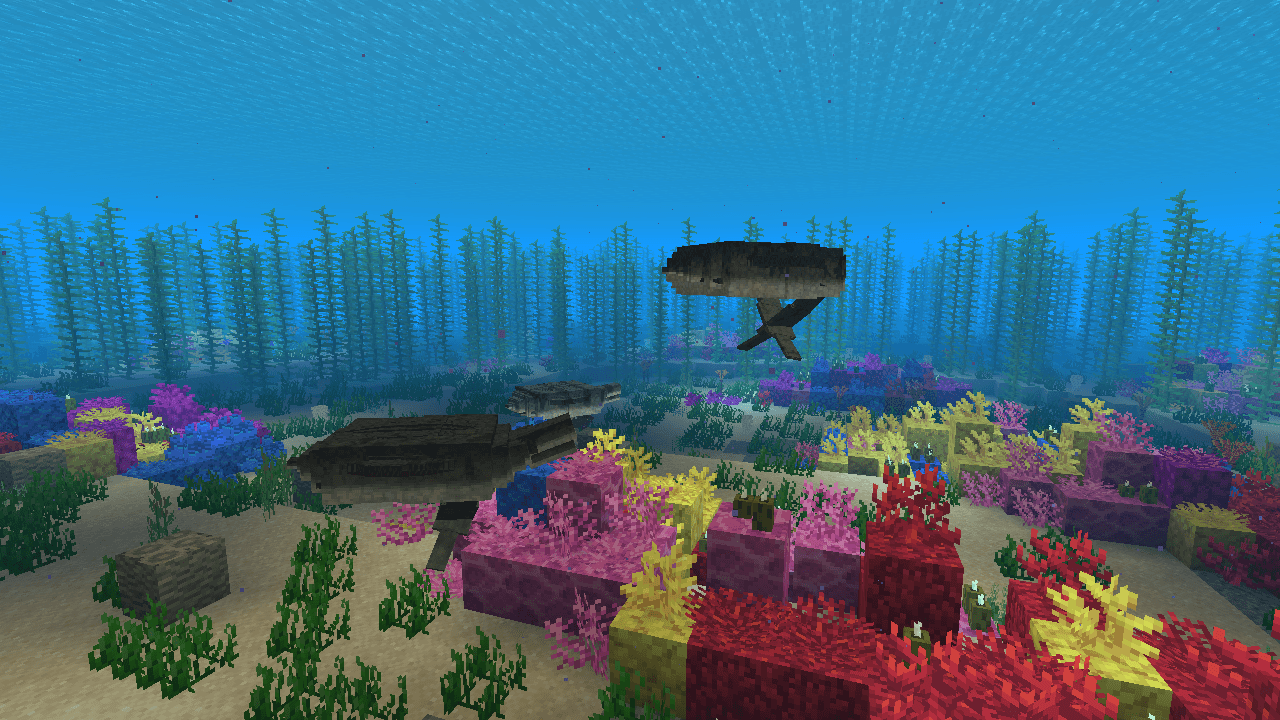
turtles.png
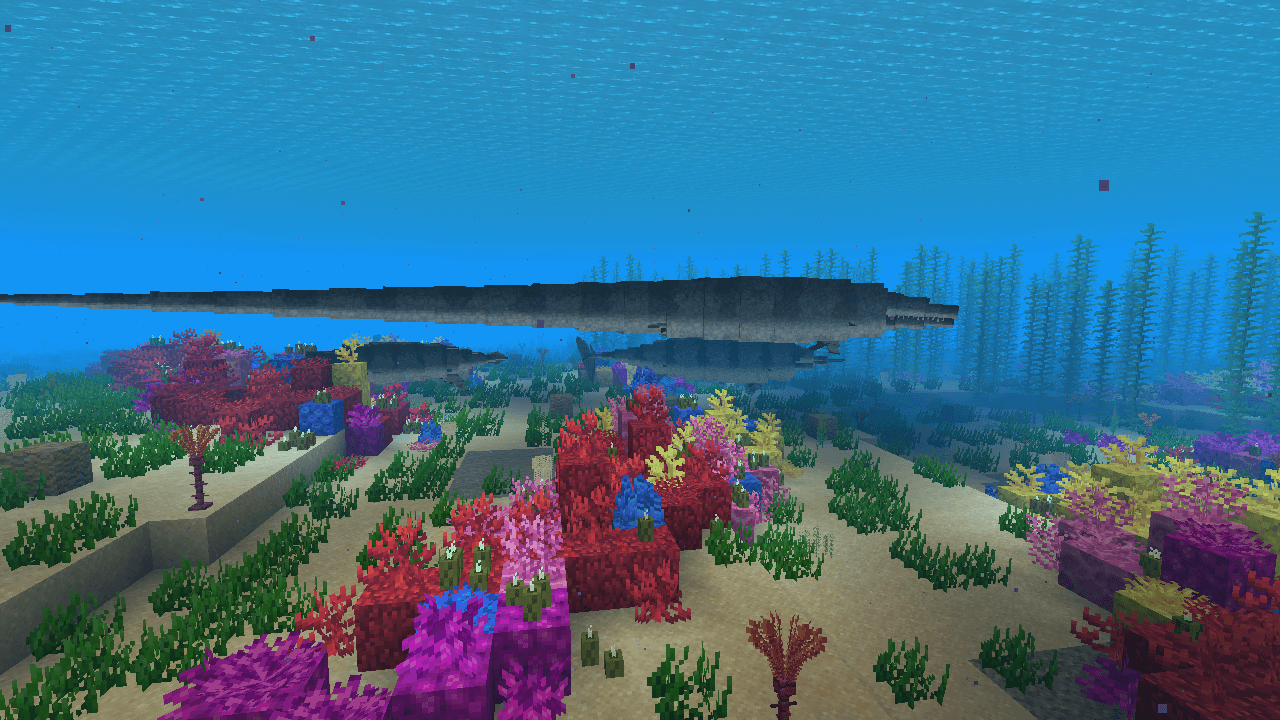
whale.png
mosasaur_sunset.png
Description
From the first fossil in the dirt to a herd of saddled giants.
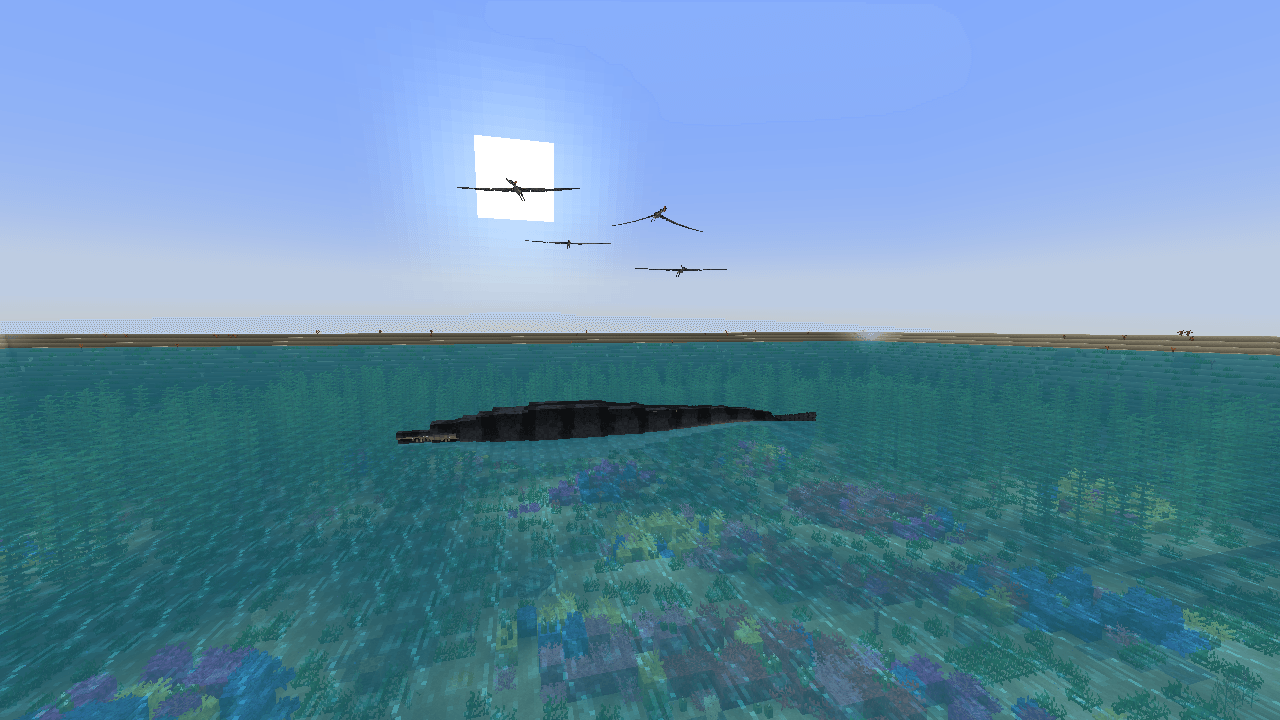
Deep Time adds 372 real prehistoric animals to Minecraft: 120 dinosaurs on land, 132 sea creatures and 120 pterosaurs in the sky. Each one is built to its real proportions and kept in a crisp, blocky style that fits right in with vanilla. Dig up their bones, bring them back in your lab, hatch and raise them, then tame, ride and gear them up. Build a park to show them off, or leave them to live wild in a world that reacts to them.
Everything can be obtained in survival, and everything works in multiplayer.
🦖 120 land species
Tyrannosaurus, Spinosaurus, Giganotosaurus, Velociraptor, Utahraptor, Triceratops, Stegosaurus, Ankylosaurus, Brachiosaurus, Argentinosaurus, Parasaurolophus, Therizinosaurus, Microraptor, Hesperornis and over a hundred more, from the Triassic to the end of the Cretaceous.
- Real proportions. Every animal is shaped from published measurements and skeletal outlines, then built in a blocky style that still reads clearly.
- Fully animated. Each one can idle, walk, run, swim, attack, roar, eat, drink, sleep, rest, blink and call. Fights have their own moves: gores, stomps, tail swipes, pounces and thrashes.
- Genetics. Every animal carries genes for size, speed and health, plus coat patterns. Rare albino and melanistic morphs and giants turn up in the wild, and a server-wide message goes out when one spawns.
🌊 132 sea creatures
Mosasaurus, Tylosaurus, Liopleurodon, Kronosaurus, Elasmosaurus, Shonisaurus, Archelon, Megalodon, Dunkleosteus, Livyatan, Basilosaurus, Leedsichthys, Helicoprion, Xiphactinus, Cretoxyrhina, Tanystropheus and over a hundred more: mosasaurs, plesiosaurs and pliosaurs, ichthyosaurs, sea turtles, placodonts, nothosaurs, sea crocodiles, prehistoric sharks, giant fish and early whales.
- Each one swims its own way: mosasaurs scull with a shark-like fluke, plesiosaurs fly underwater on four flippers, sharks power on with tall tails, and whales beat their flat flukes.
- Real behaviour: filter feeders strain the water, shell-crackers crush turtles and ammonites, ambushers drag swimmers under, deep divers vanish into the dark, and dolphin-like hunters leap clear of the surface. Turtles come ashore to nest on beaches.
- Big ones can be saddled and ridden under the waves.
🪽 120 pterosaurs
Quetzalcoatlus, Hatzegopteryx, Pteranodon, Rhamphorhynchus, Dimorphodon, Tapejara, Tupandactylus, Anhanguera, Pterodaustro, Thalassodromeus and over a hundred more, from tiny bug-catching Anurognathus to giraffe-tall azhdarchids.
- True flight: flapping, soaring and gliding, quad-launching off the ground, and walking on all fours with folded wings.
- Giant azhdarchids stalk prey on foot and swallow it whole, skimmers fish the surface, and filter feeders sieve the shallows. Night fliers hunt after dark.
- Little ones ride on your shoulder; the giants can be saddled and flown.
- Every pterosaur has its real crest, beak, teeth and wing proportions.
🎨 Many looks for every animal
Every species, on land, at sea and in the air, comes in several coats: male and female colours, juvenile coats, and rare albino, melanistic, leucistic, piebald and other morphs, all bred through real genetics.
⛏️ The dig
- Fossils lie in the sedimentary rock of badlands, deserts and savannas.
- Look for abandoned dig sites: pits with old skeletons, camps with sieves and chests of tools, and walls showing trackways.
- Brush an encased fossil for a clean find, or break it with a pickaxe and the bones come out poorly preserved.
- The rock hammer splits rock for shells, fronds and coprolite. The fossil detector ticks faster as you get close.
- Amber and petrified logs hide finds of their own.
🧪 The lab
- Specimen Analyzer: turns a fossil or amber into a DNA vial.
- Sifting Table: turns sand, gravel or dirt into small finds.
- DNA Splicer: purifies DNA, or crosses two species into a hybrid.
- Sequencer and Gene Editor: read an animal's genes, then rewrite them.
- Embryo Cultivator: grows an egg from the DNA.
- Restoration Bench: rebuilds corroded relics.
- Hoppers and pipes from other mods can feed every machine.
🥚 Eggs and raising young
- Eggs need warmth to hatch. An incubator, a heat lamp, a nest with an adult beside it or a warm biome all help.
- A hatchling imprints on the first face it sees.
- Young animals grow over several in-game days. Feeders hold nine stacks of food and water troughs keep them from going thirsty.
- A Paddock Nameplate shows how the nearest animal is doing.
🤝 Taming and the bond
- Feed a hungry wild animal its favourite food and it may accept you. Big, fierce animals take the longest; babies tame most easily.
- Tranquilizer darts put a dangerous animal to sleep so you can work near it.
- Your bond grows from Wary through Trusting and Loyal to Devoted as you feed and brush your animal. Animals remember who hurt them.
- Give orders to Wander, Follow or Stay, and use the bone whistle to call every animal at once.
🐎 Riding and gear
- Saddles fitted to each species. A narrow back gets a wrap-around saddle and a broad back gets a pad. Each has a girth, iron stirrups, and grab-handle seats so friends can ride behind you.
- Riders sit astride with their legs down the flanks and their feet in the stirrups.
- Barding comes in hide, bronze and diamond; bigger animals carry more plate.
- Saddle bags give you storage on a pack animal.
- Put a GPS collar on an animal and the Dinosaur Tracker finds it anywhere.
- A big mount at full sprint crashes through leaves and brush. It respects mob griefing and land claims, and it never breaks chests or your builds.
🏡 The ranch
- Build nests from sticks, wheat and leaves, and adults lay clutches in them.
- Shear moulted feathers from feathered species.
- Dinosaur dung fertilizes the crops around it.
- Use /deeptime trust to let friends ride and give orders to your animals.
🏛️ The park and museum
- Big animals smash wooden fences. Only an electric fence powered through a control box holds them.
- Motion sensors warn you when something is moving inside.
- Pose full skeletons on exhibit plinths, and show small finds in display cases.
🌿 A living world
- Herbivores graze in herds and flee from danger; predators hunt them, and you.
- Animals eat, drink, sleep at night and grow hungry.
- Dead dinosaurs leave carcasses that draw scavengers. The biggest predator eats first, and smaller ones wait their turn.
- A regional ecosystem keeps the world in balance: overgrazed land stops filling with herbivores, prey booms draw predators in, and herds migrate to fresh ground.
- Hunters learn from every fight, rivals spar, and wild animals remember who hurt them.
📖 Guide book and journal
- Every player starts with A Keeper's Handbook, a guide that explains the whole mod.
- Craft a Research Journal and it fills itself in as you play: first finds, each new species you see, and each adventure.
Requirements
- Minecraft 1.21.1 with NeoForge
- GeckoLib (4.7 or newer), required
- JEI, optional; recipes show up in it
Configuration
Server owners can tune or turn off:
- wild spawns and spawn chance
- rare morph and giant chances
- growth speed and animal needs (hunger, thirst, sleep)
- block griefing
- the ecosystem, migration and wild breeding
- carcasses
- rare-sighting announcements
- dinosaur PvP
Credits
All code, models, textures and sounds are original. Species proportions were fitted to PhyloPic silhouettes (CC0 / CC BY). Full attribution is in CREDITS.txt inside the jar.
Deep Time: Dinosaurs Team


