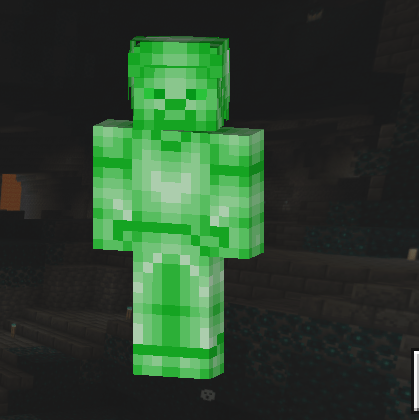
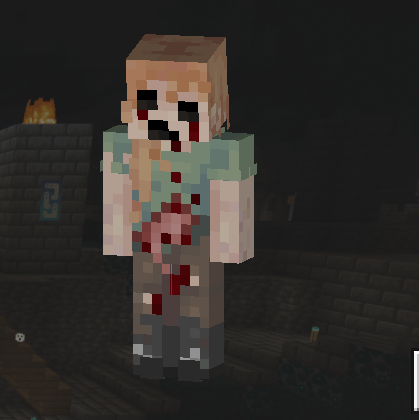
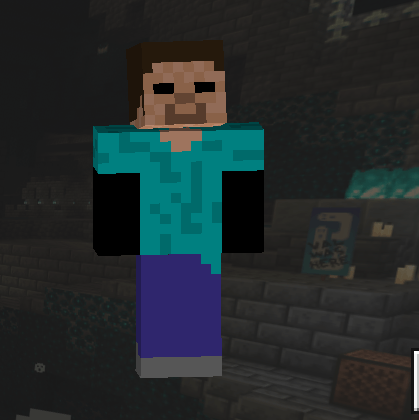
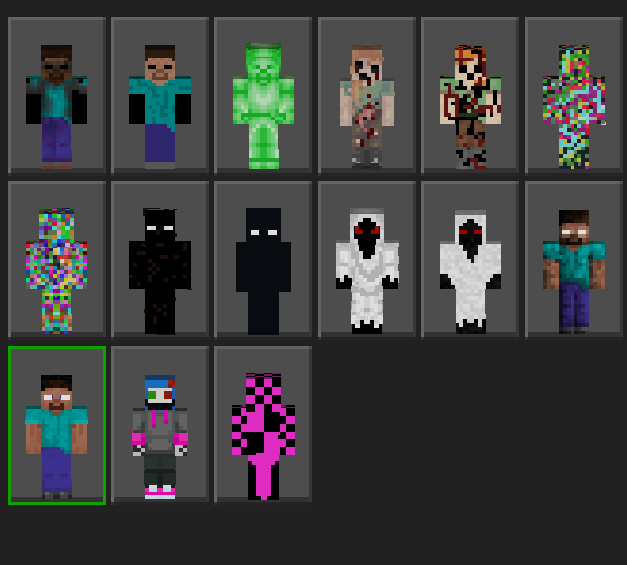
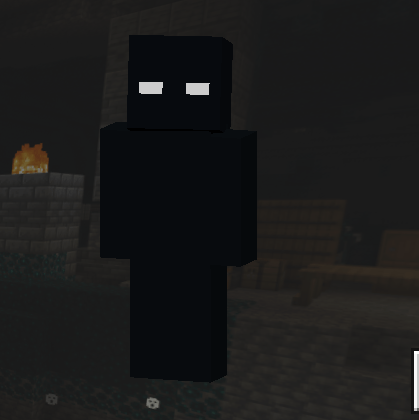
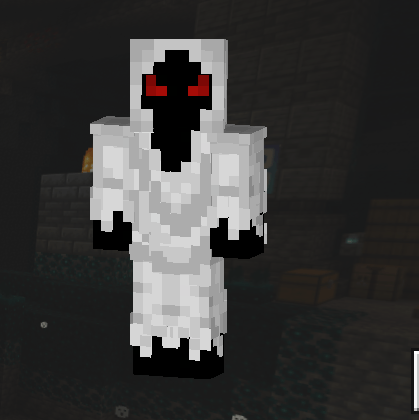
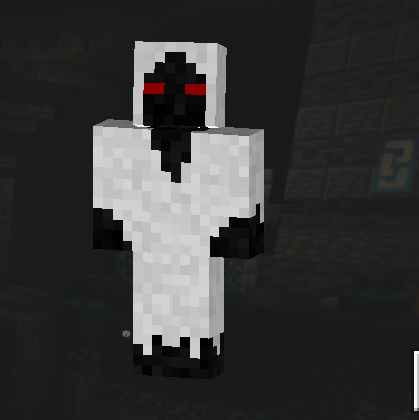
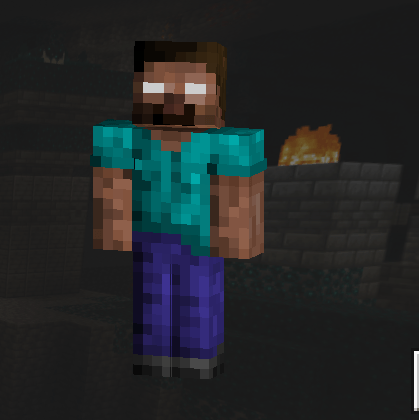
Description
The Reality of Making This Skinpack
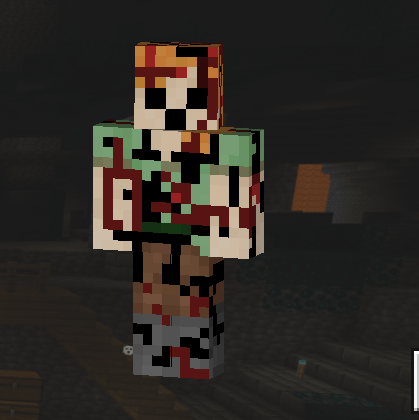
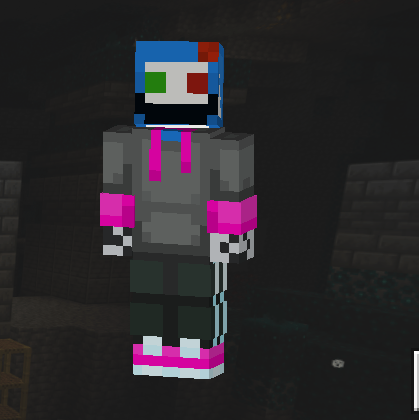
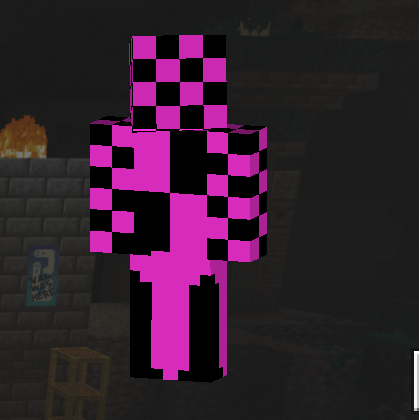
- The Fight Against the 2D Layout: Mapping out complex horror designs onto a flat, confusing Minecraft skin template (the UV map) is incredibly frustrating. Trying to get the chaotic textures of Giant Alex or the messy, stitched-together look of My ramake Version to line up perfectly across the shoulders, arms, and head seams without looking like a broken puzzle took forever.
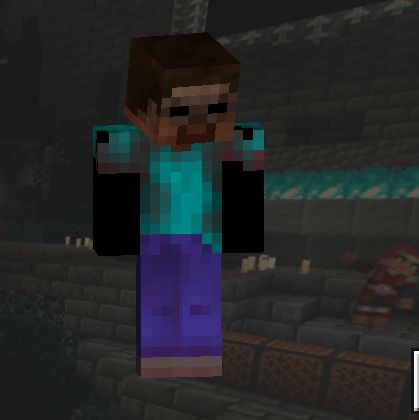
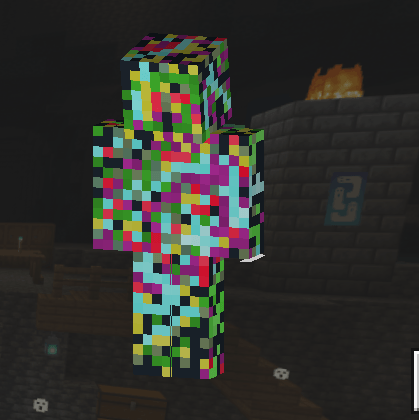
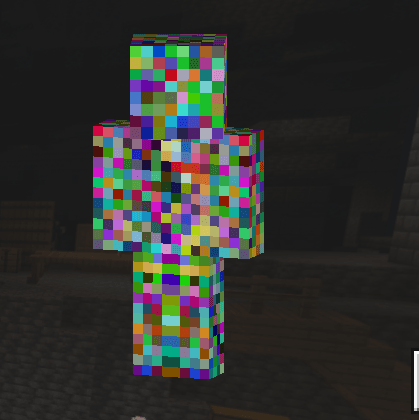
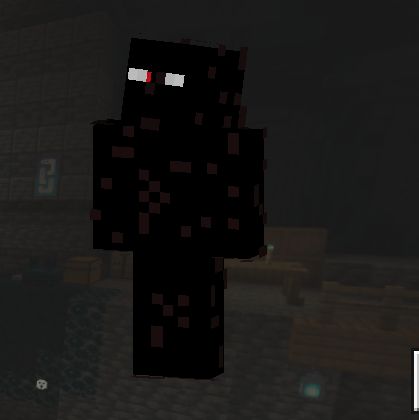
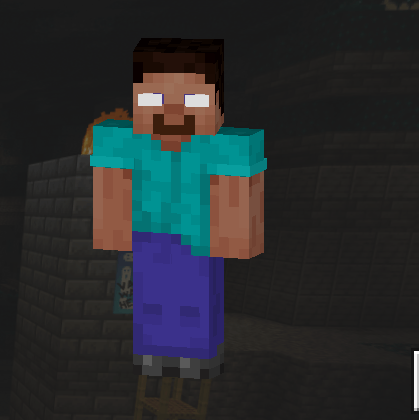
- Hand-Painting the Glitches: You can't just slap a random noise filter over a template and call it a day. To make skins like Herobrine or Entity 303 look genuinely corrupted rather than just messy, nearly every single pixel had to be hand-shaded. Balancing the bright neon artifacts so they pop out against deep shadows took hours of tweaking.
- Coding the
skins.jsonManifest: For bedrock players, compiling a custom skinpack means writing out a flawlessskins.jsonandmanifest.jsonfile. One single misplaced comma, an extra bracket, or a tiny typo in the UUID code completely breaks the pack, making all the skins disappear or default to Steve. - The "In-Game" Disappointment Loop: The absolute worst part of making a skinpack is the constant back-and-forth testing loop. A skin might look amazing in a 3D editor, but the second you import it into Minecraft, the armor overlay fits weird, or the eyes don't catch the light correctly in a cave. This pack required loading up the game hundreds of times just to adjust a single shade of gray on a pixel.
💀 Why the Struggle Was Worth It
Despite the endless file importing and pixel-hunting, the end result is a highly polished collection of 15 custom nightmares. They don't just look like low-effort creepy edits; they are meticulously crafted to look like genuine, corrupted glitches built right into the fabric of the game.
Classic Stalkers Team