Jurassic Ecosystem - Prehistoric map
- By
MCPEDL_imresizer.jpg

Description
Travel back in time to the Jurassic period of North America, 150 million years ago!!
This prehistoric bedrock adventure map is a paleo-accurate reconstruction of the ecosystem of the late Jurassic Morrison Formation. The Jurassic was the peak of the dinosaurs' dominance and expansion during the Mesozoic era, and the Morrison Formation was no exception. It was a lush, diverse prehistoric environment inhabited by a variety of Jurassic organisms, including dinosaurs. These ranged from large giants such as Brachiosaurus, Apatosaurus, Diplodocus, and Stegosaurus to predators that stalked through the ferns and cycads, including Allosaurus, Ceratosaurus, and Torvosaurus.
This vast and ancient late Jurassic environment features numerous distinct areas to explore, including lush coniferous forests, open fern prairies, hot desert flats, and volcanic highlands. This is the perfect map for any prehistoric bedrock add-ons that host Jurassic dinosaurs!
Notice: This is Version 1 of this map, and it will be redone in the future to be as accurate and as natural-looking as possible!
This is actually my first map project of many in my new "Wild Maps" series (A series of bedrock maps based on prehistoric and modern ecosystems), so I really hope you guys enjoy this map! if you want to review my map on YouTube, please give credit to the maker of this map (me). below is information on the different regions you'll find while exploring this Jurassic world!
Different regions of the map:
Volcanic Highlands:
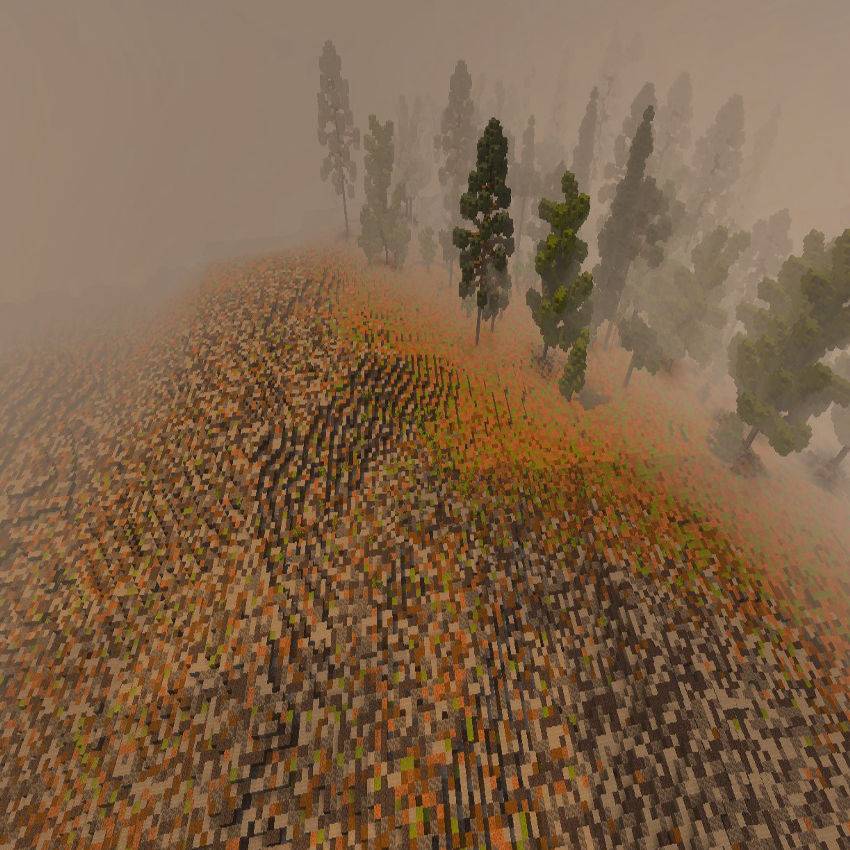
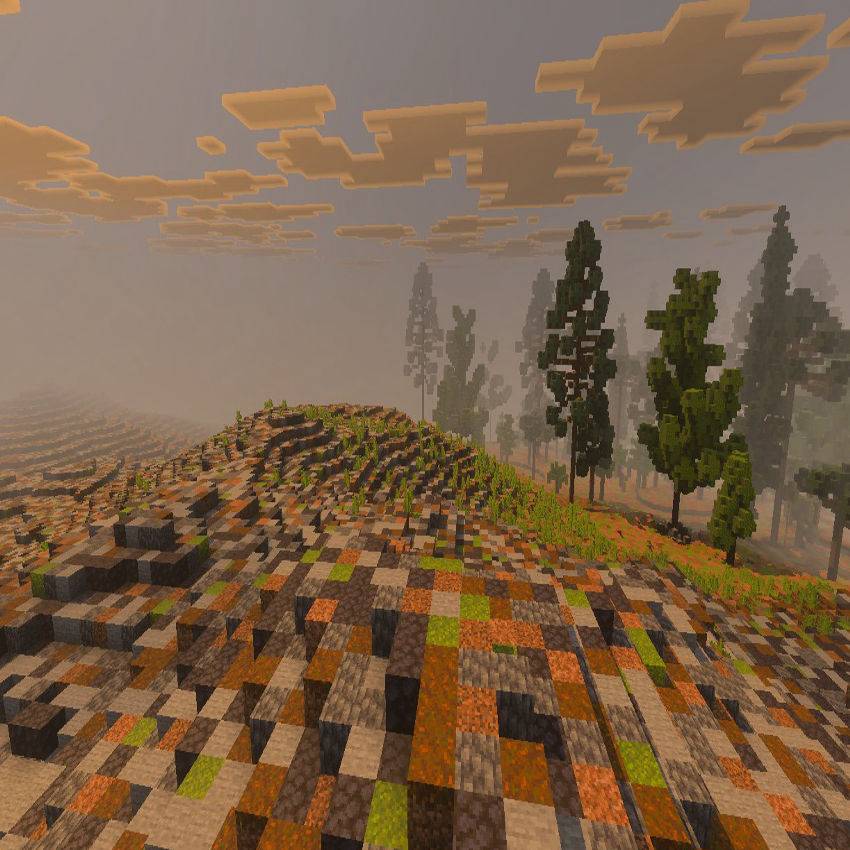
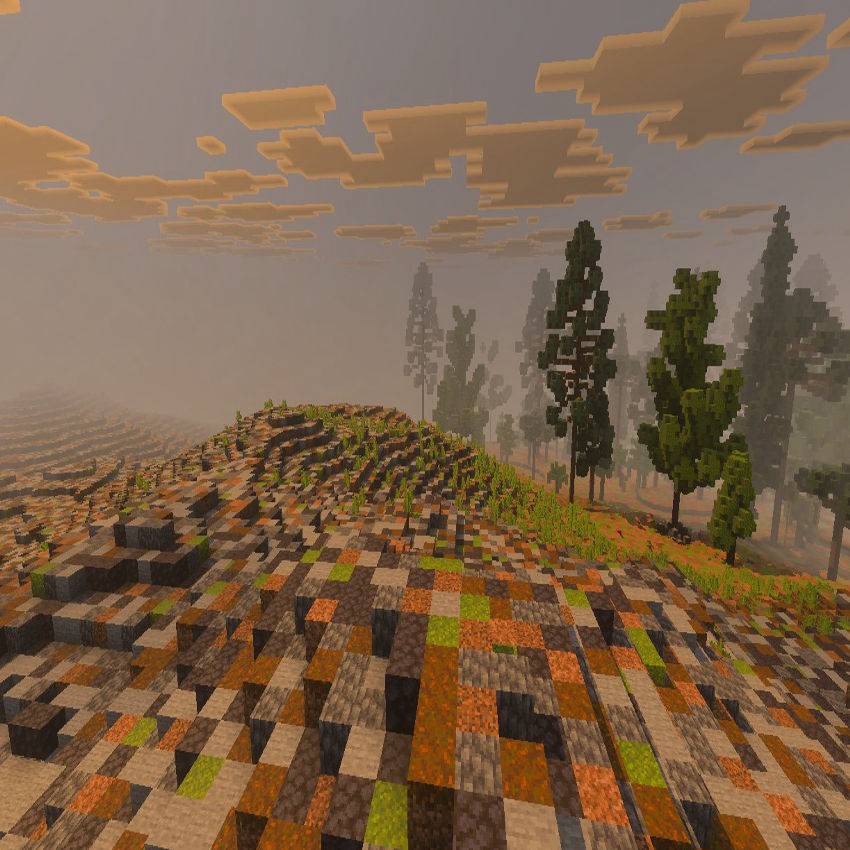
These warm volcanic highlands were the result of large amounts of volcanic activity due to the separation of the continents during this time. Thankfully, these areas have cooled down since then, and small plants are growing in these rocky volcanic areas.
Jurassic fern prairies:
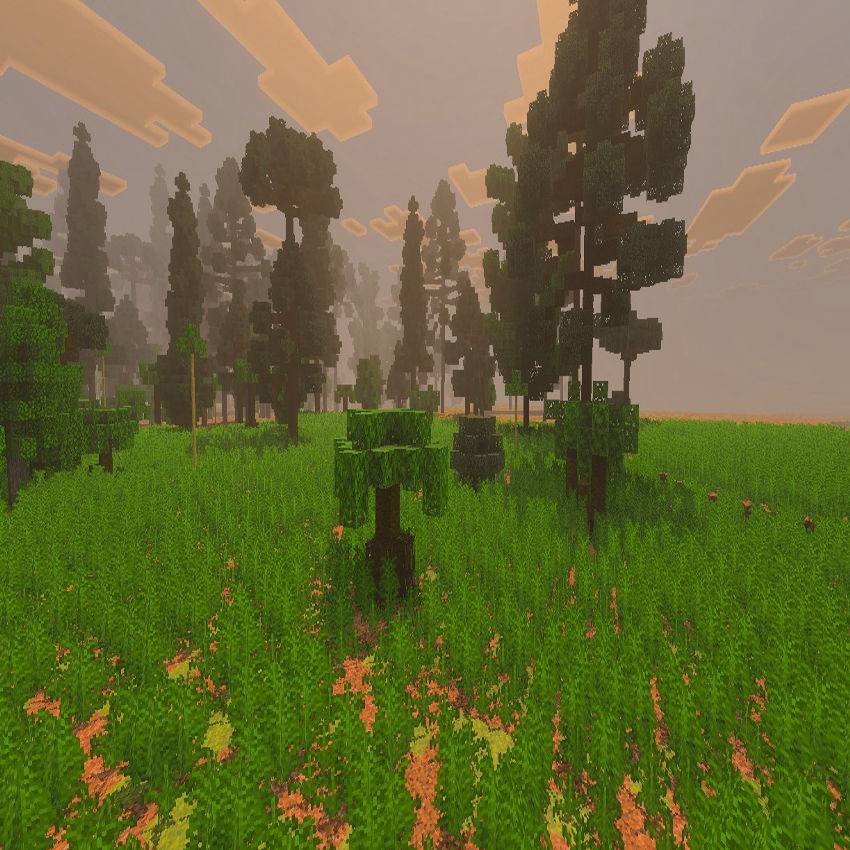
These open fern prairies border the Jurassic coniferous forest, and these open areas are mostly covered in small/large ferns and moss, as well as young tree ferns and cycads. Small dinosaurs like to feed and hide in these tall ferns.
Arid Desert flat:
Desert oasis:
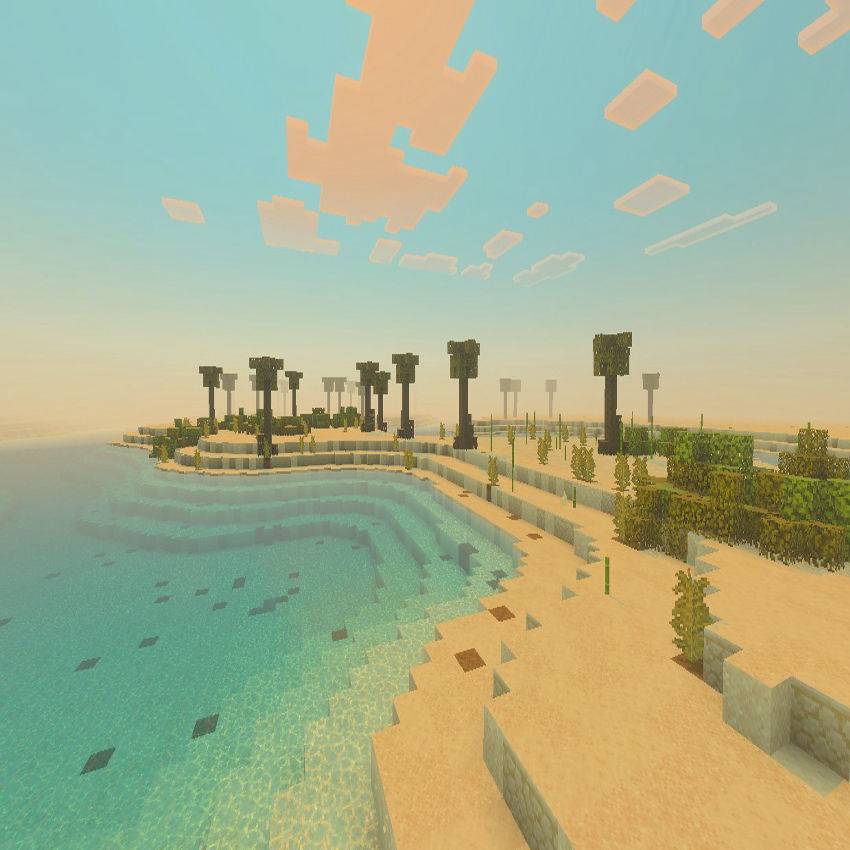
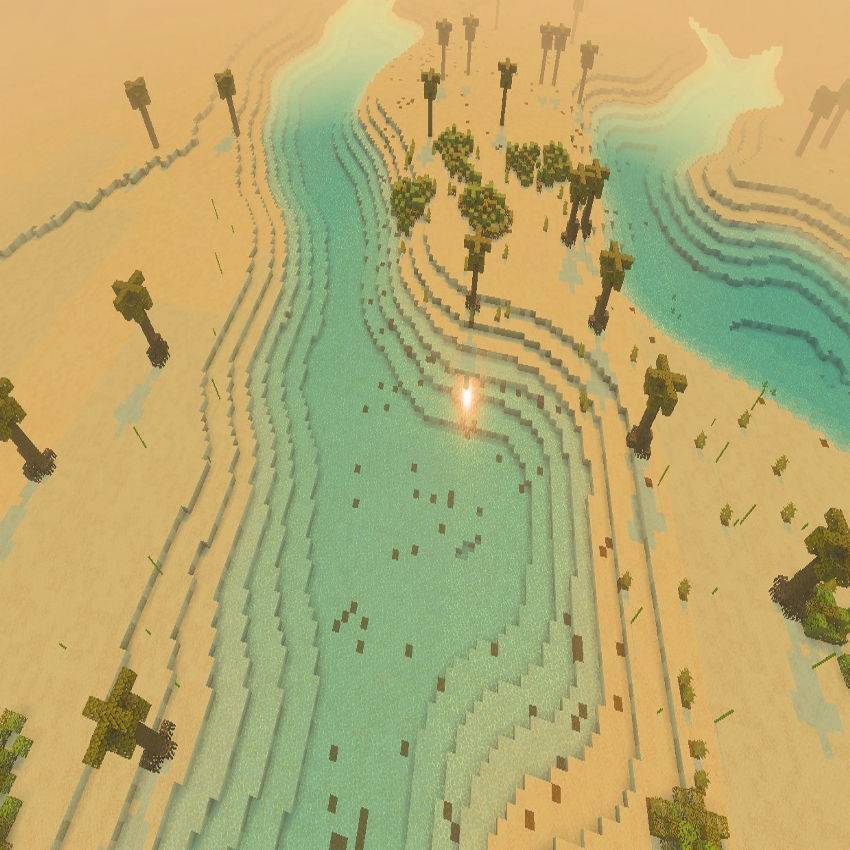
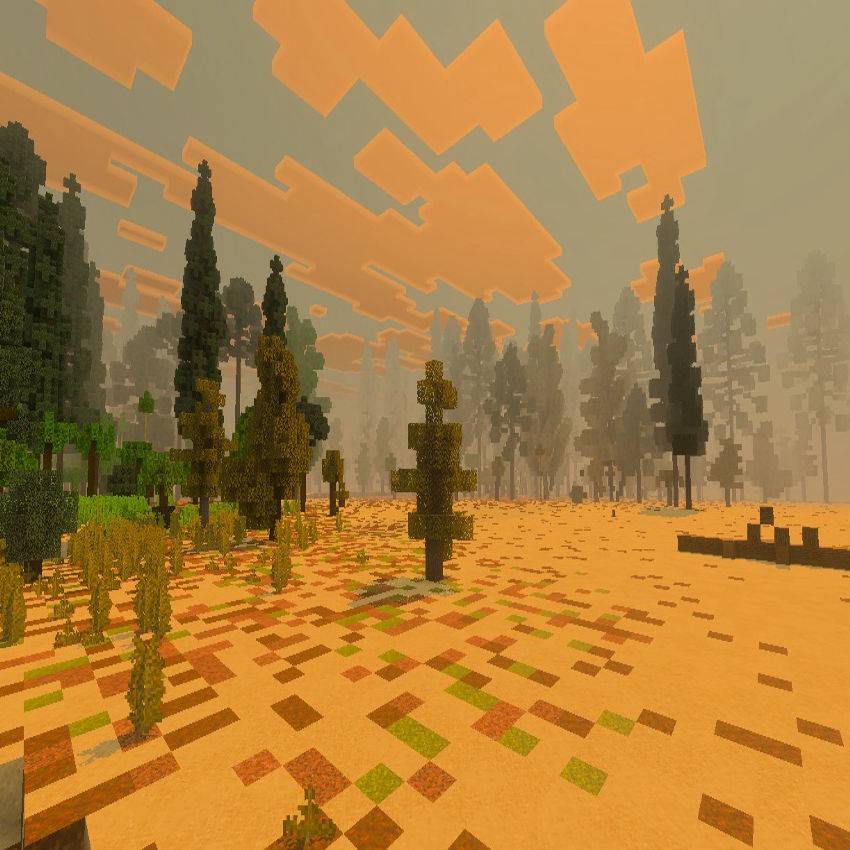
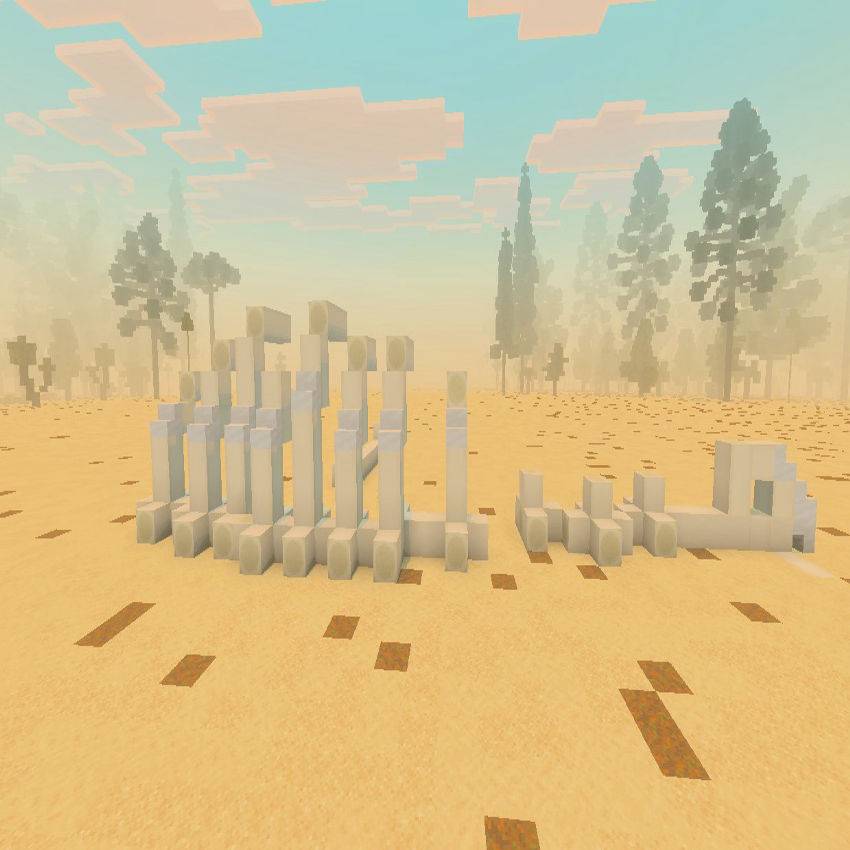
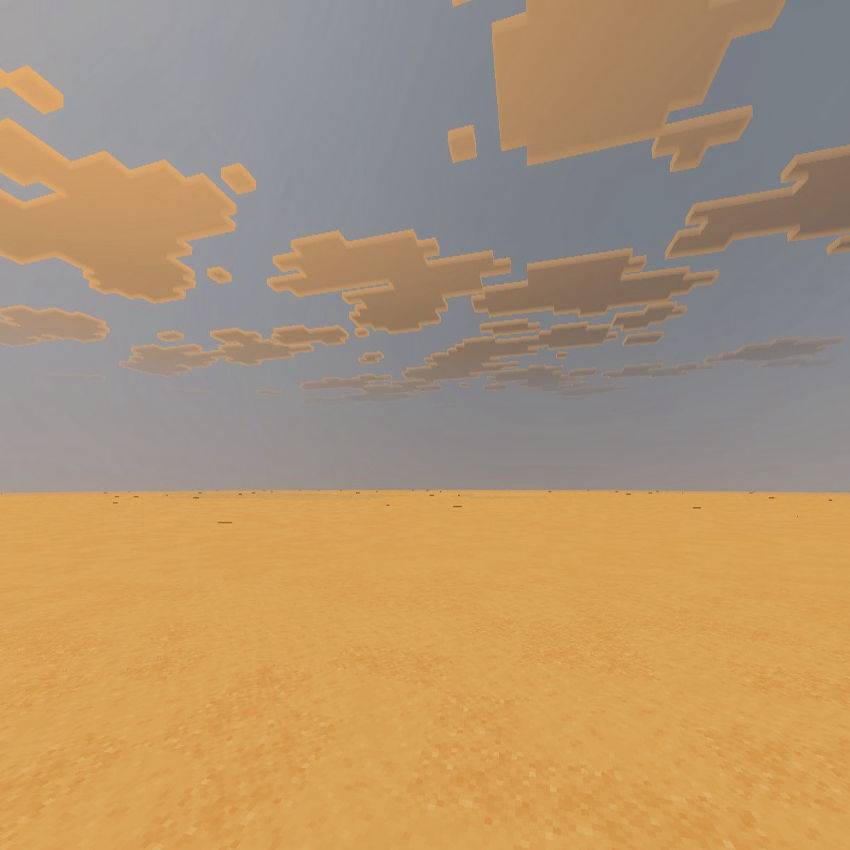
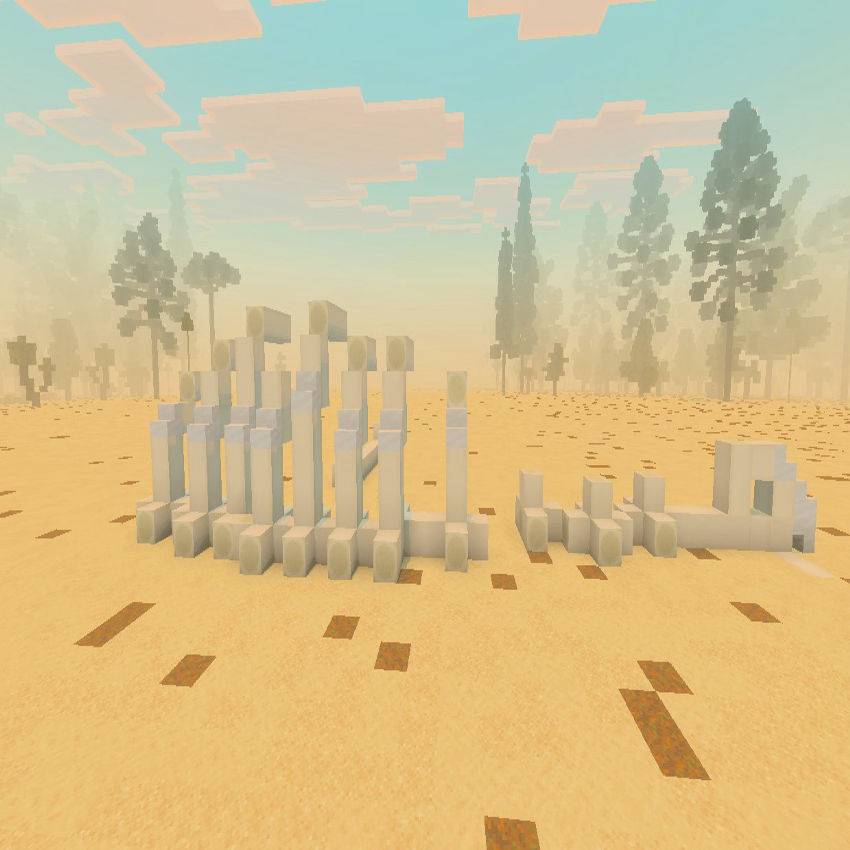
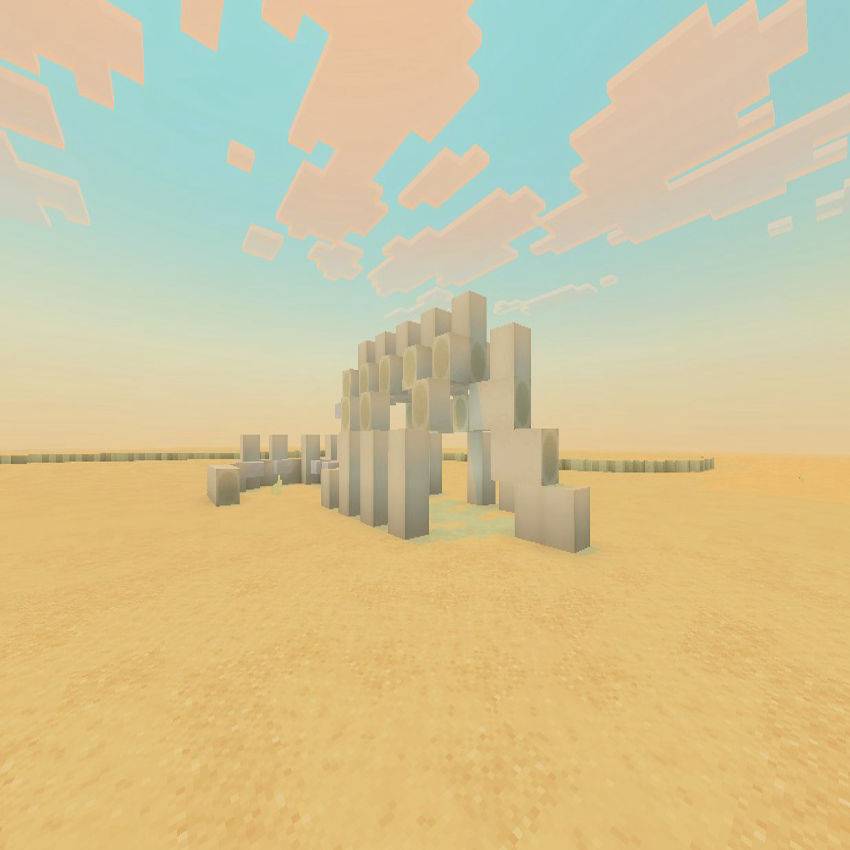
These hot and dry desert flats are the harshest region on this map. Herds of migrating dinosaurs cross these dry flats in search of fresh water or new forest feeding grounds, although due to the harsh and dry environment, some creatures that migrate across the desert perish during their journey. The remains of sauropod skeletons can be found in the flats where sauropod dinosaurs that didn't make it across the desert are. As you move through the desert, you'll eventually come across a beautiful, lush oasis with tree ferns, ferns, desert shrubs, and small patches of trees growing around the cool, fresh water, which is the perfect place for many creatures to find a drink.
Sauropod remains:
Jurassic coniferous forest:
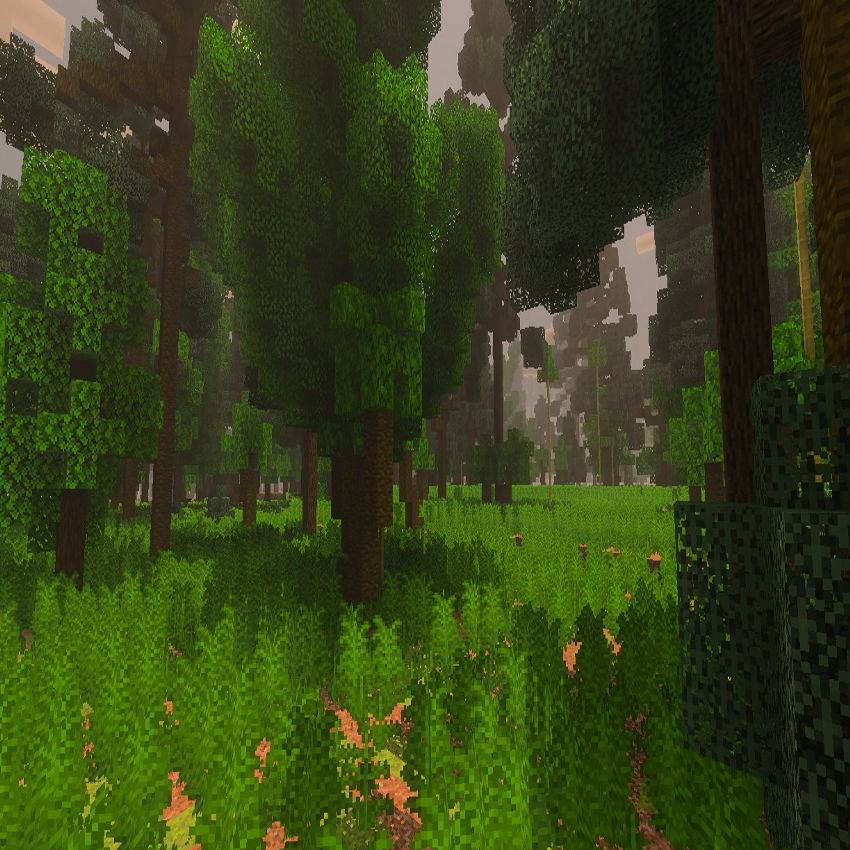
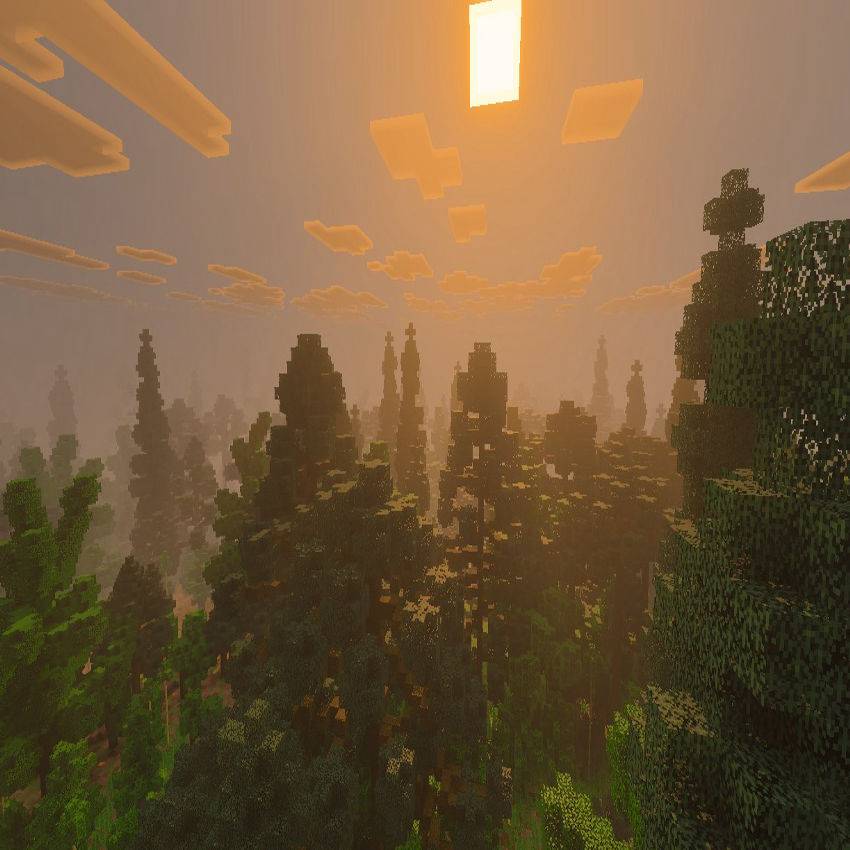
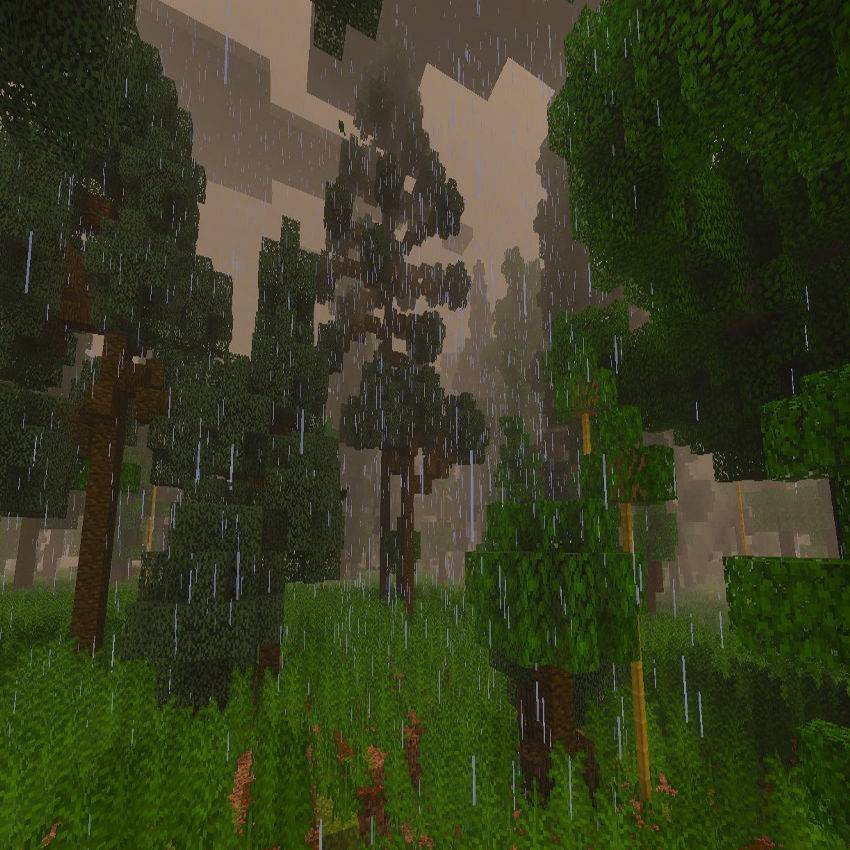
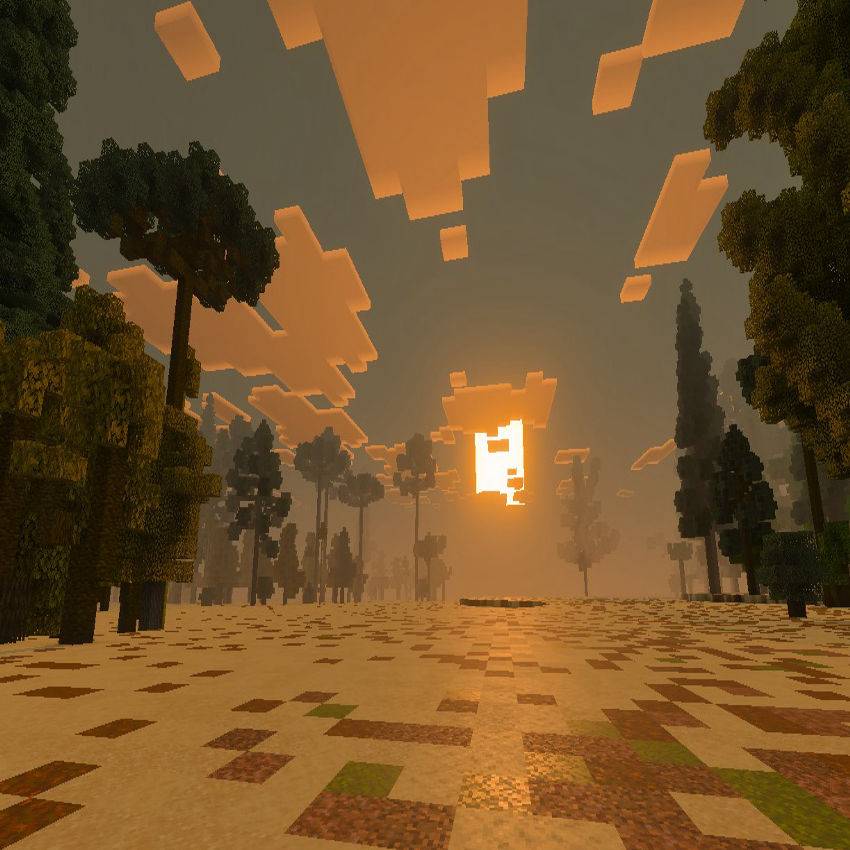
These lush, humid forests mainly consist of Araucaria (monkey puzzle trees), ginkgos, tree ferns, and cycads. The forest undergrowth is made up of mosses, ferns, and young coniferous trees. These coniferous forests are a perfect home for a variety of Jurassic animals, as a feeding ground for small and large herbivore dinosaurs, and a hunting ground for predatory ones.
The Jurassic Ecosystem - Prehistoric map Team