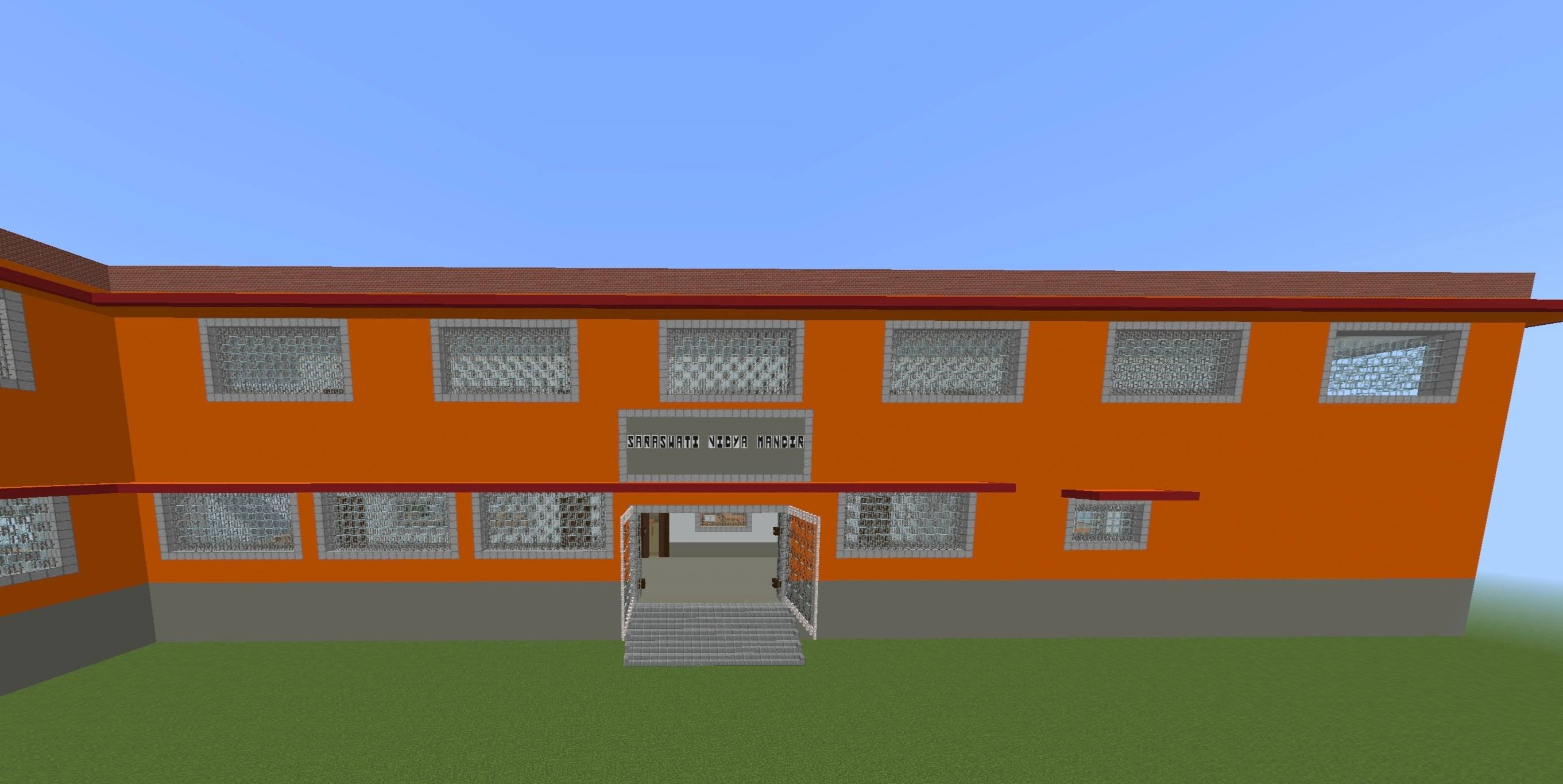
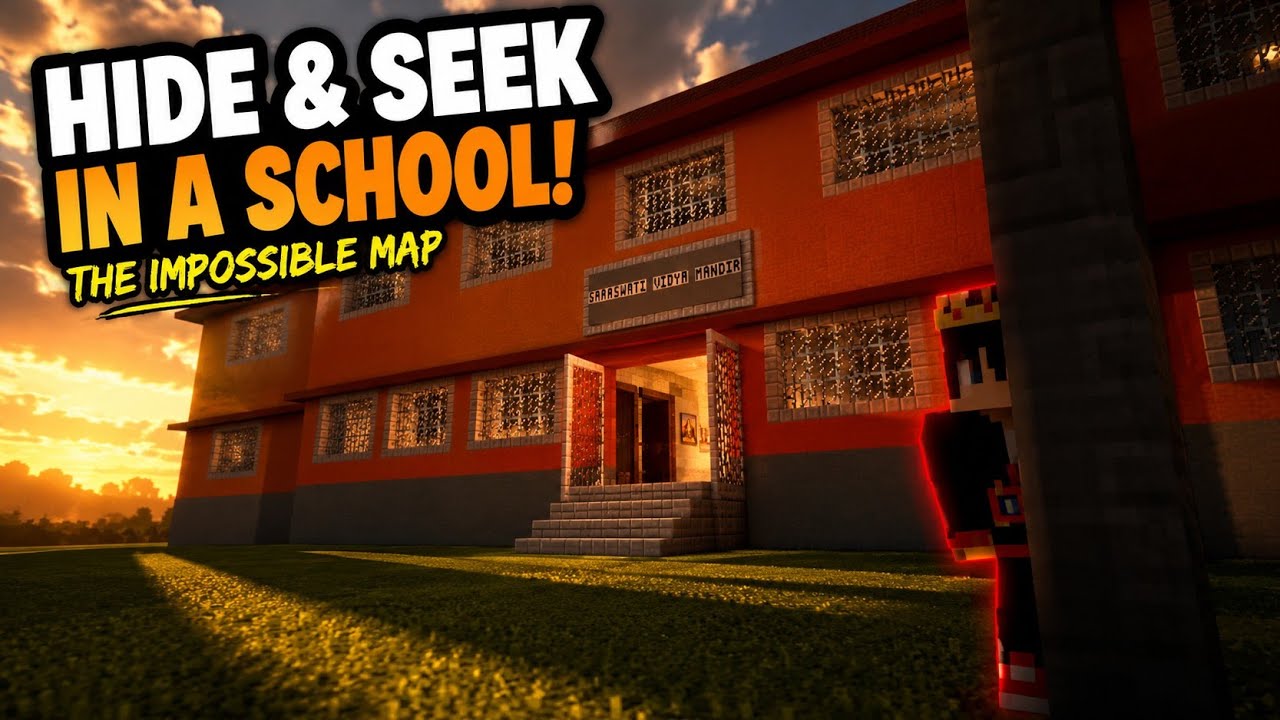
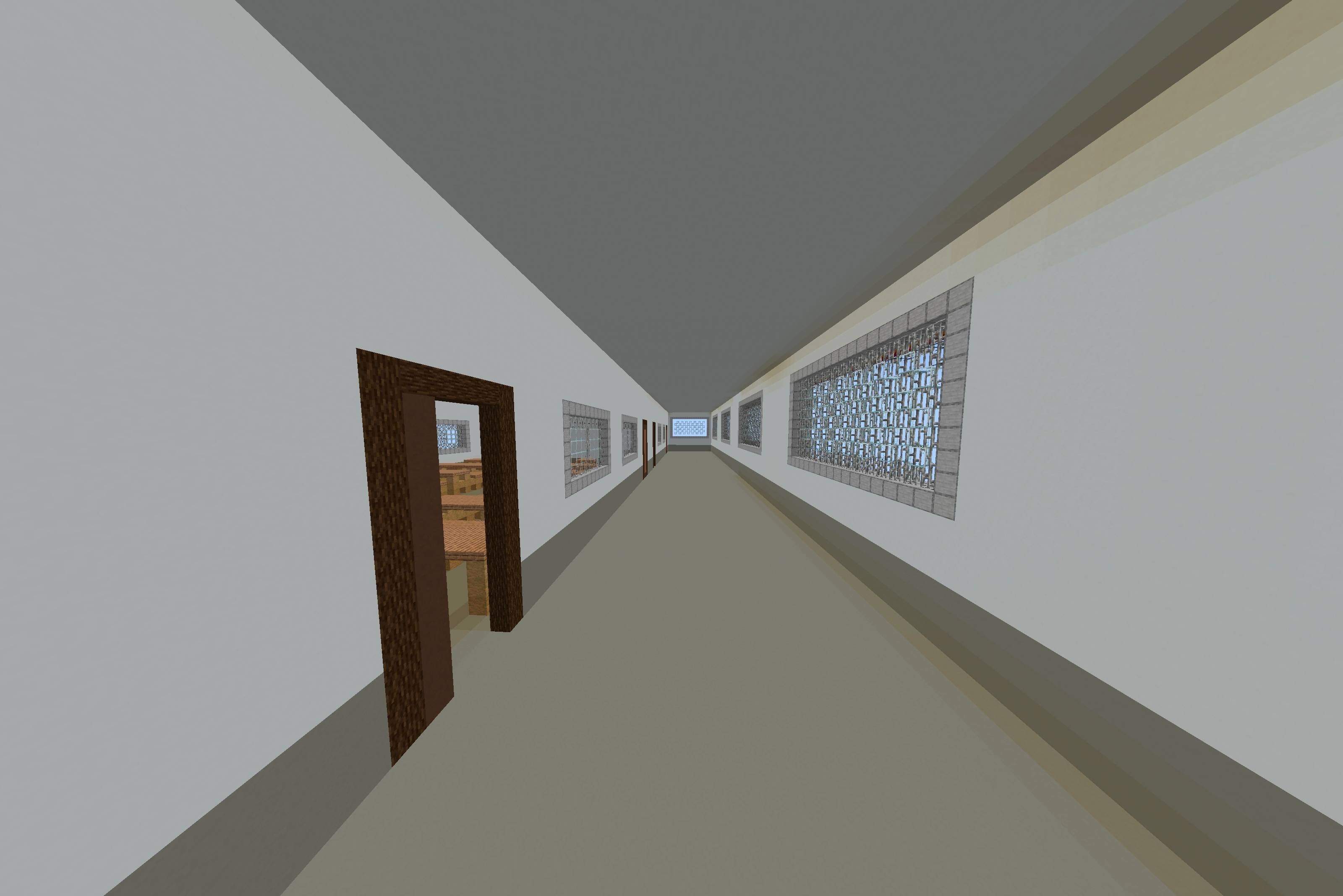
5845.jpg
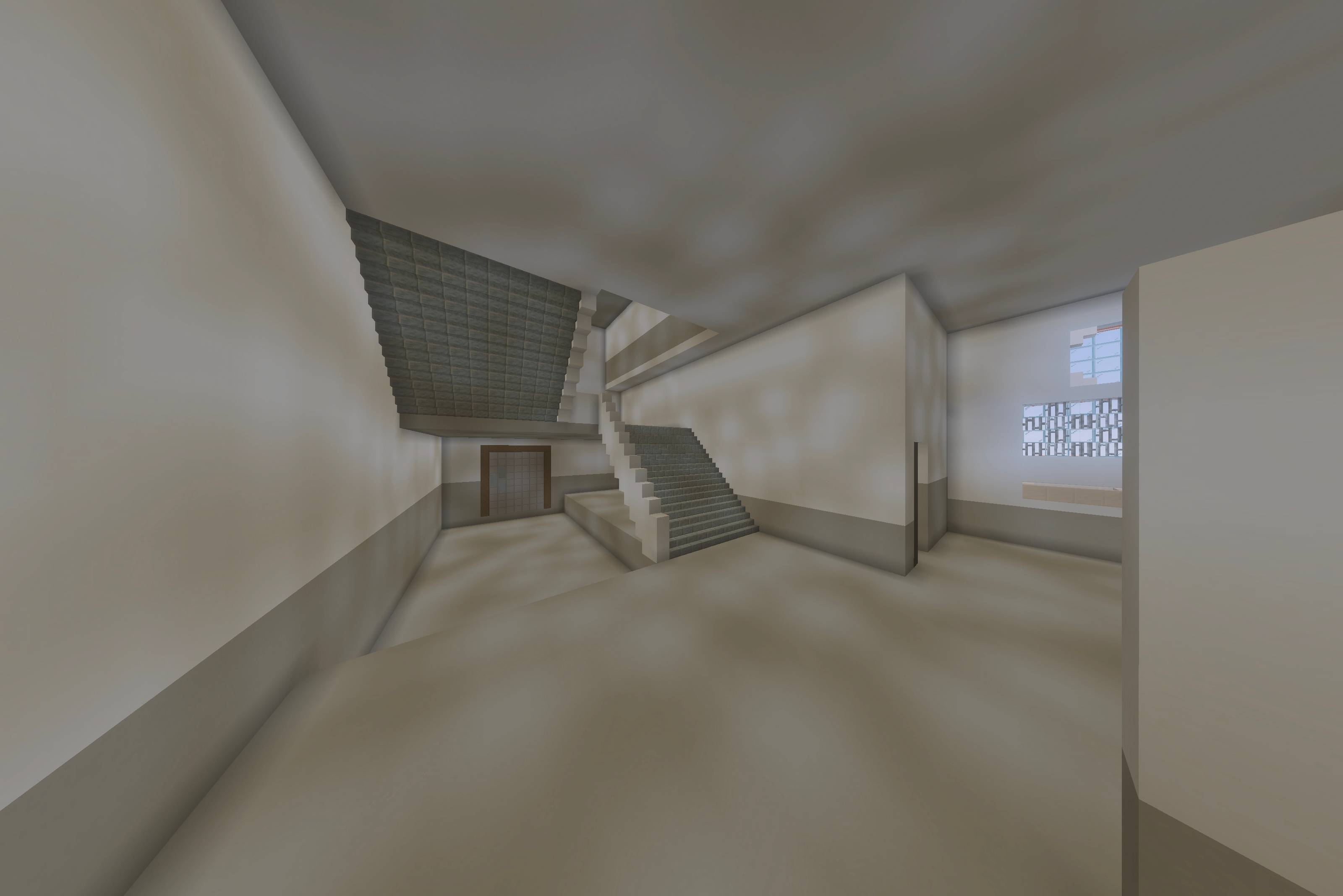
5844.jpg
5846.jpg
5841.jpg
5839.jpg
5847.jpg
5847.jpg
5846.jpg
5845.jpg
5844.jpg
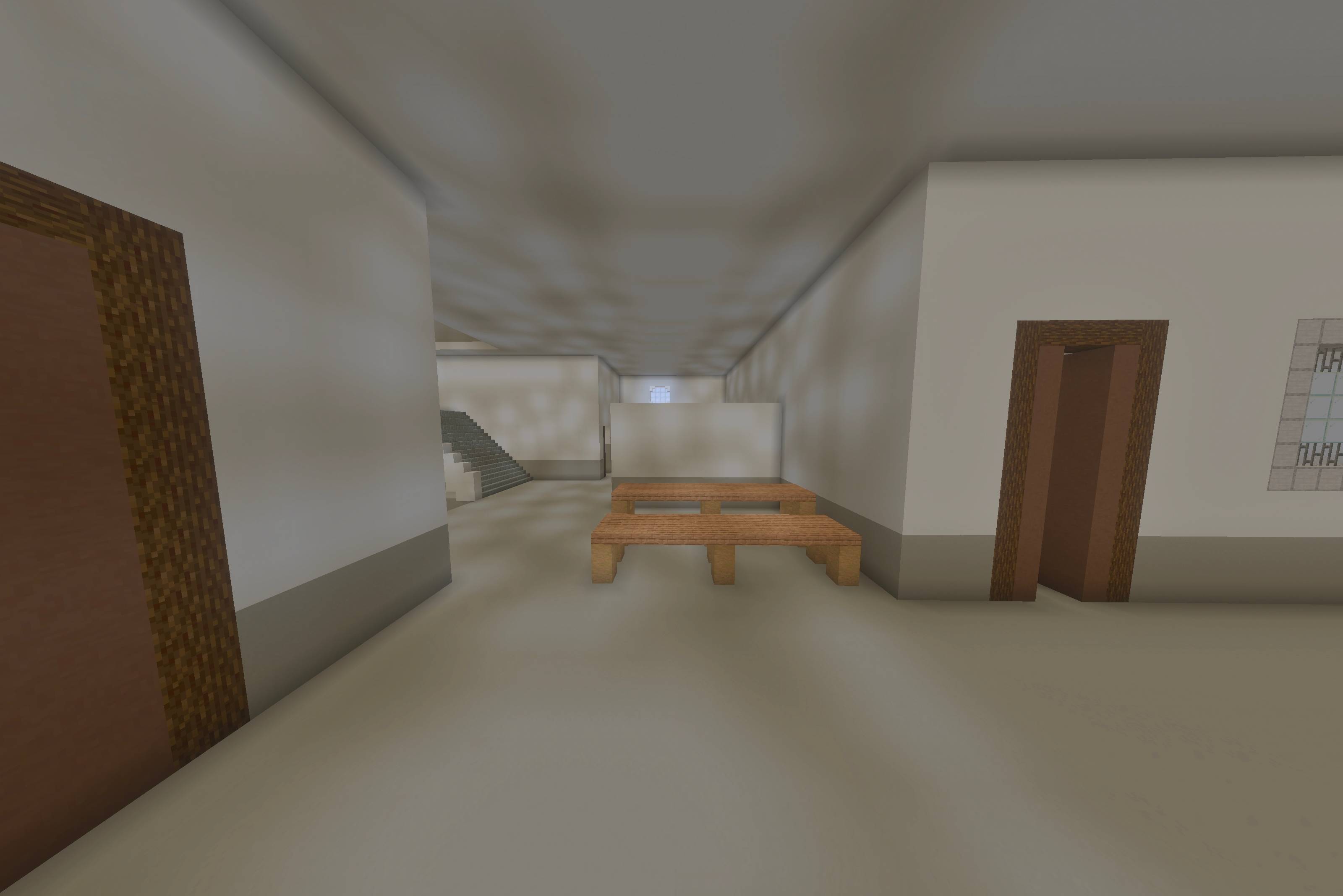
5843.jpg
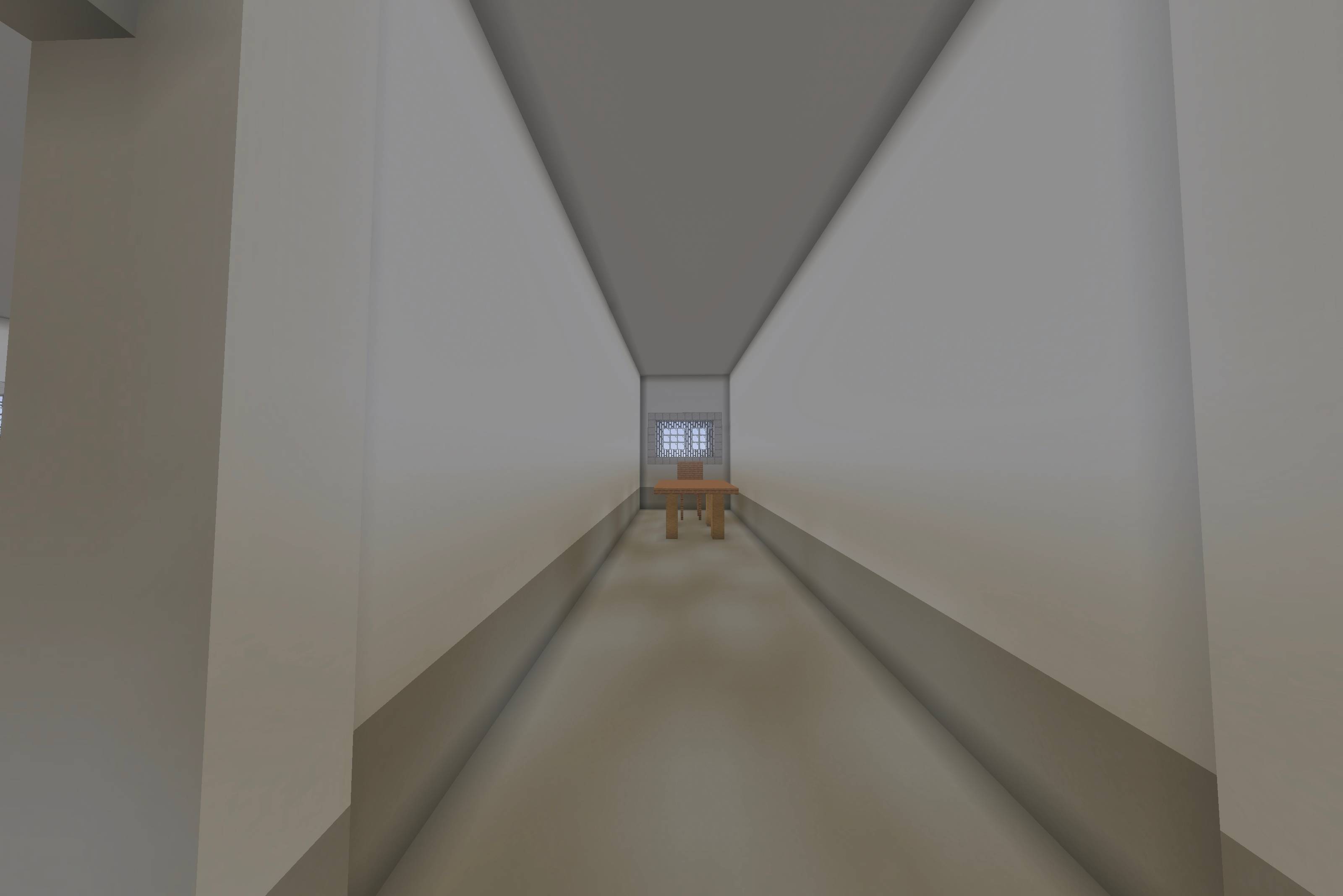
5841.jpg
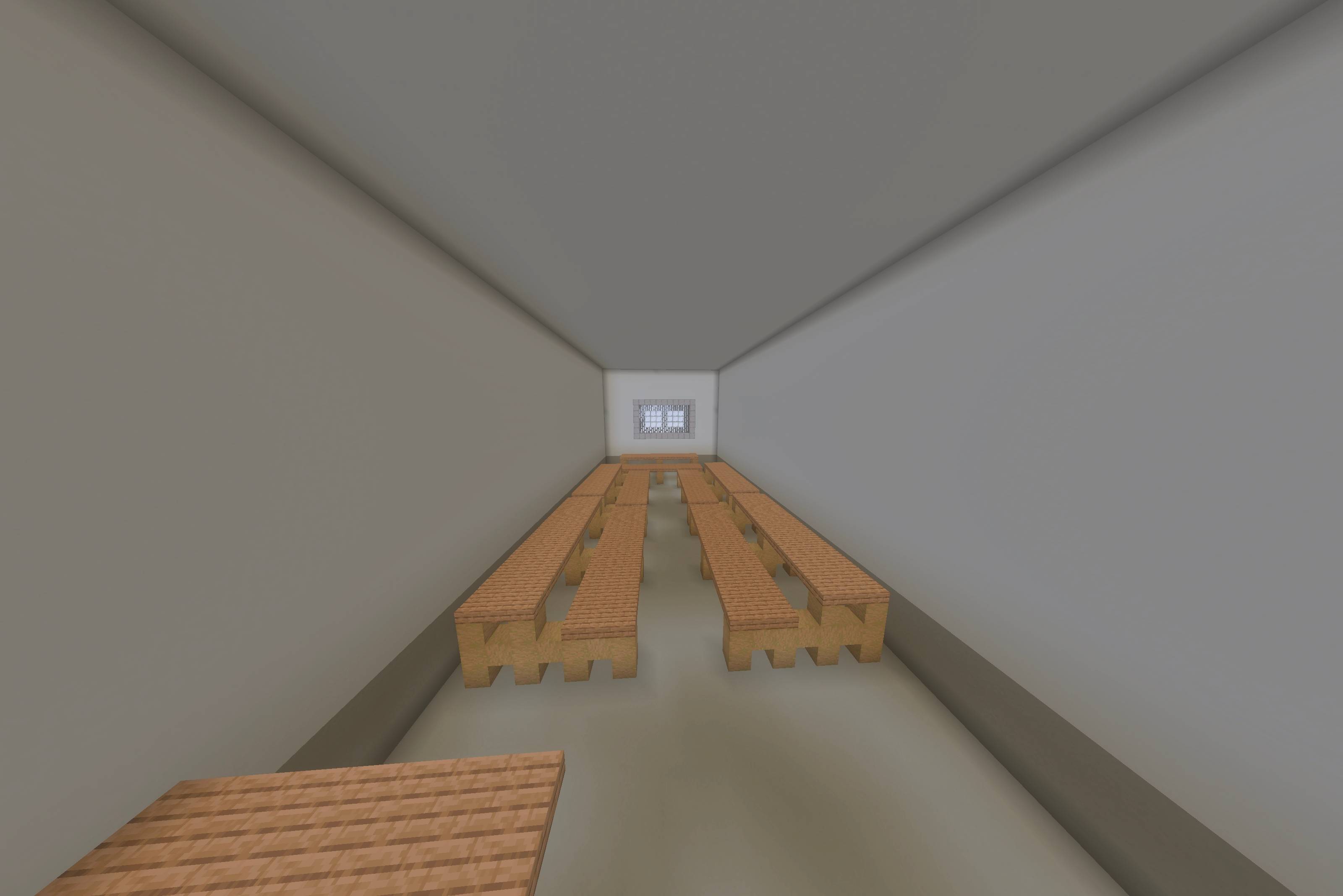
5839.jpg
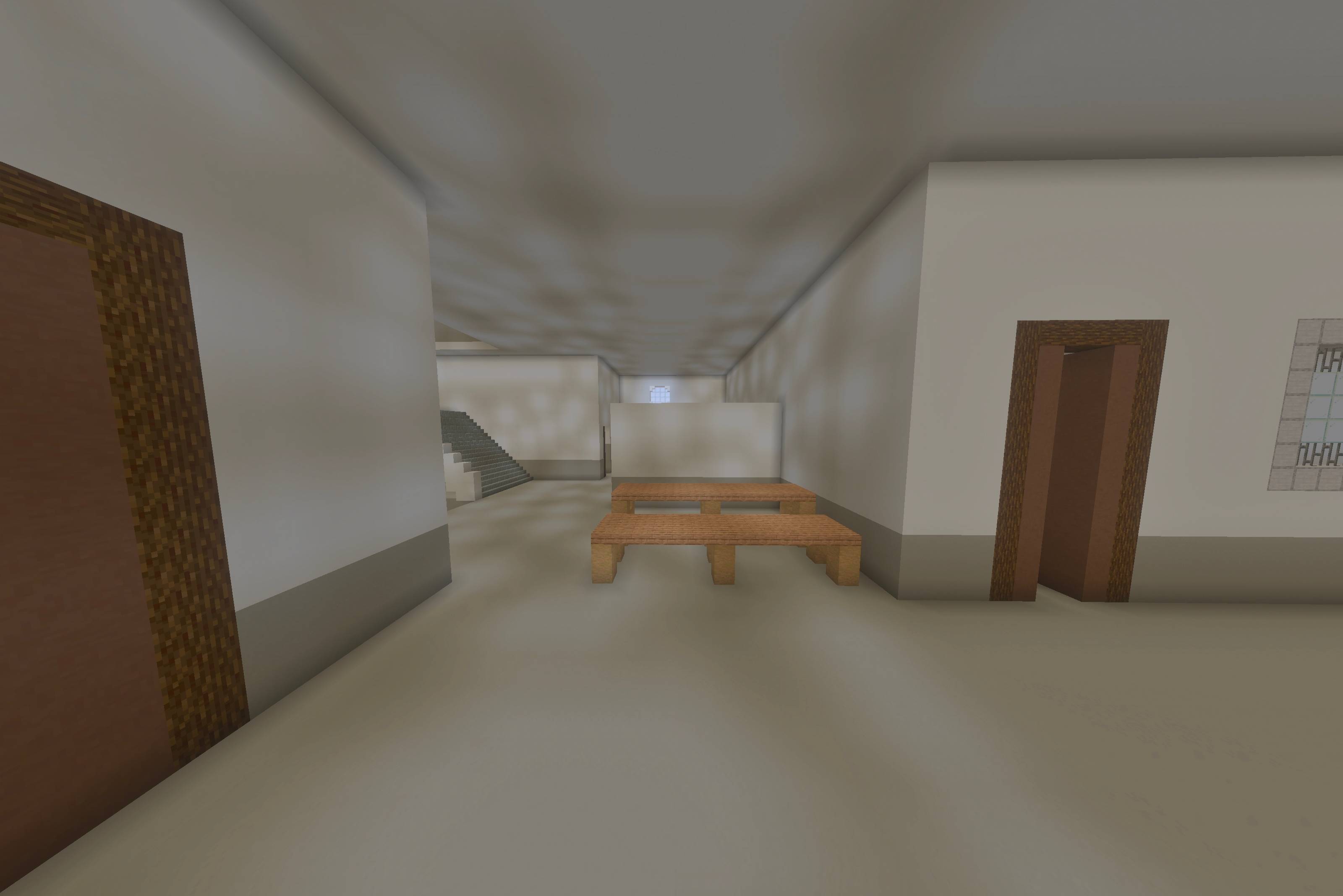
5843.jpg
Description
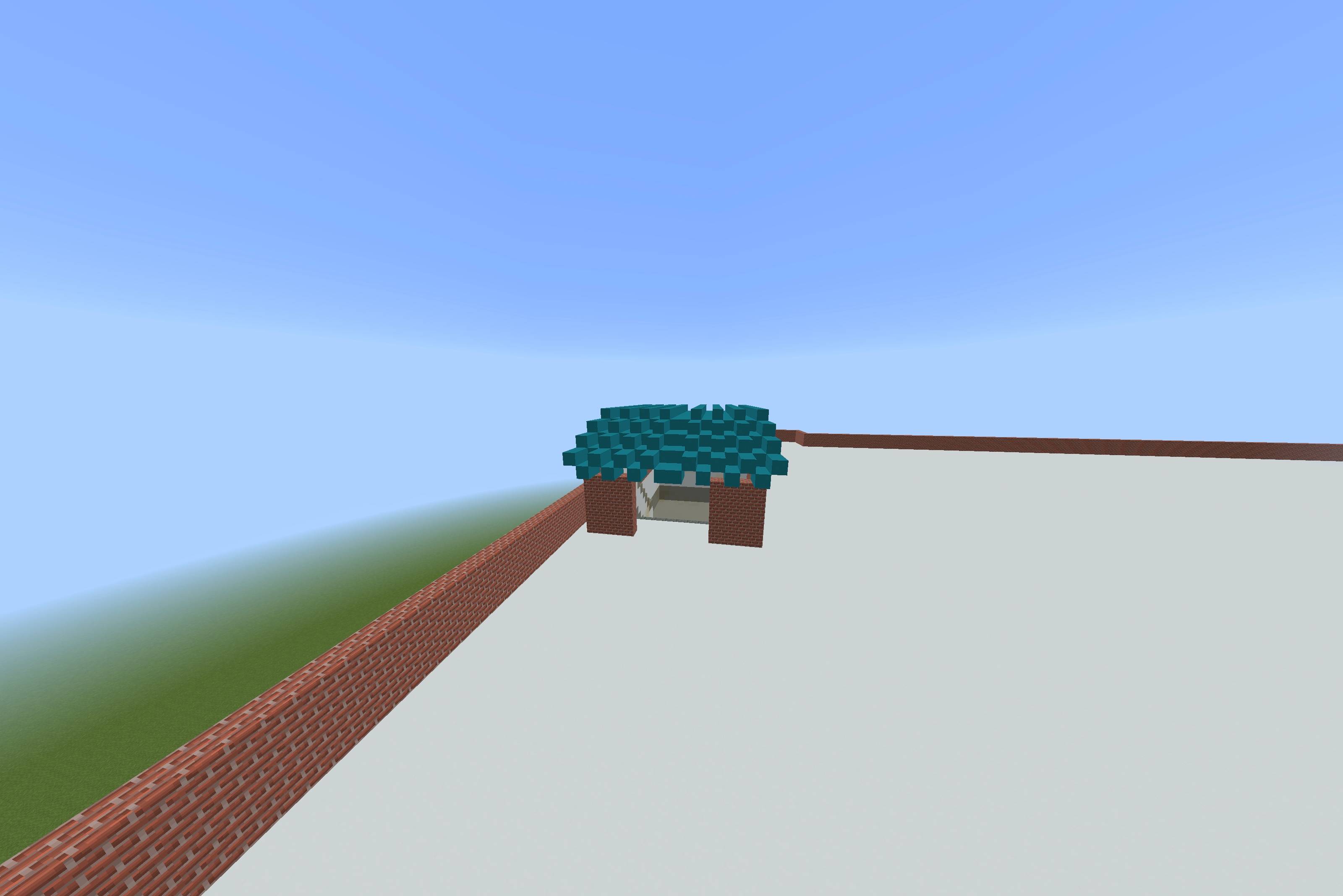
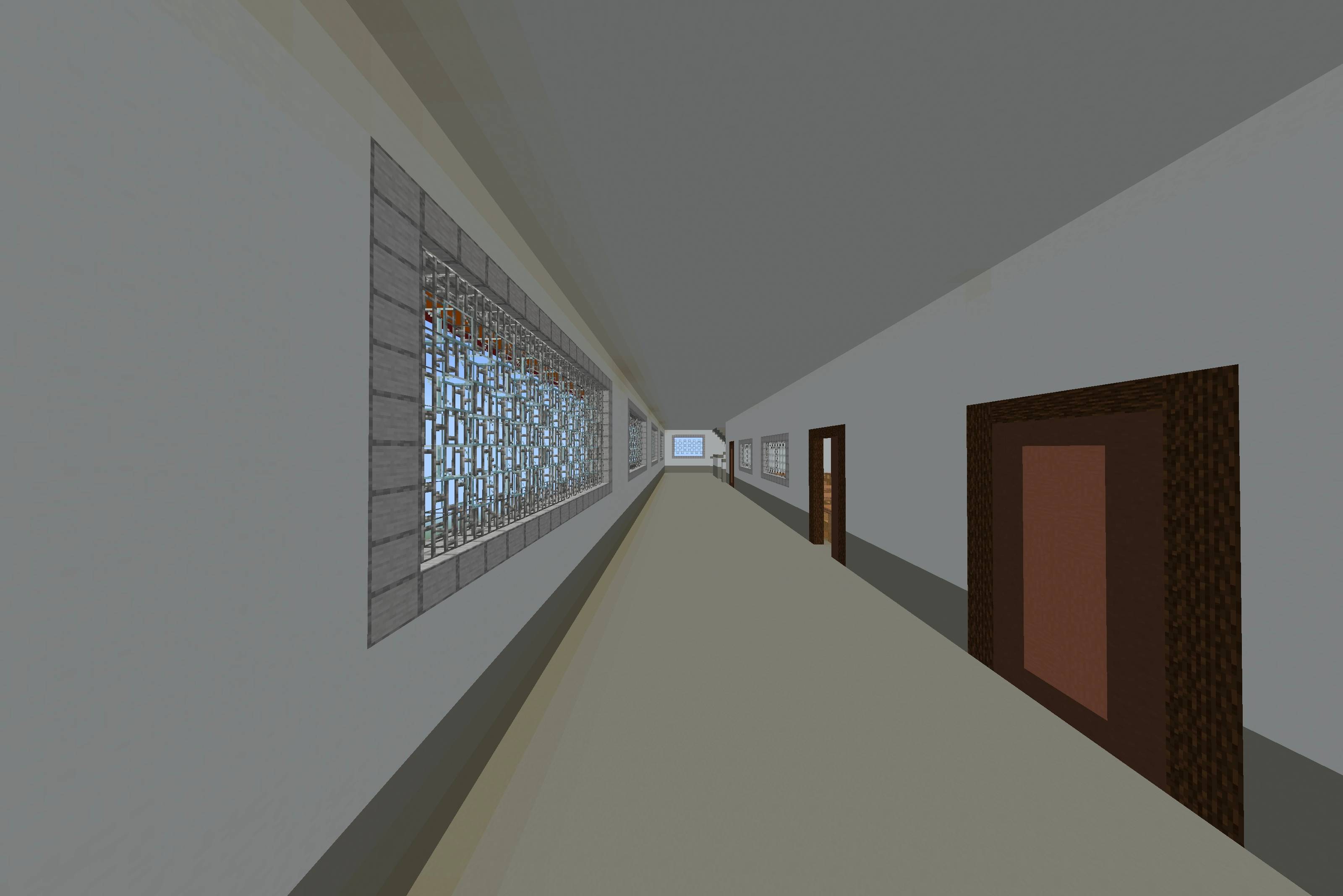
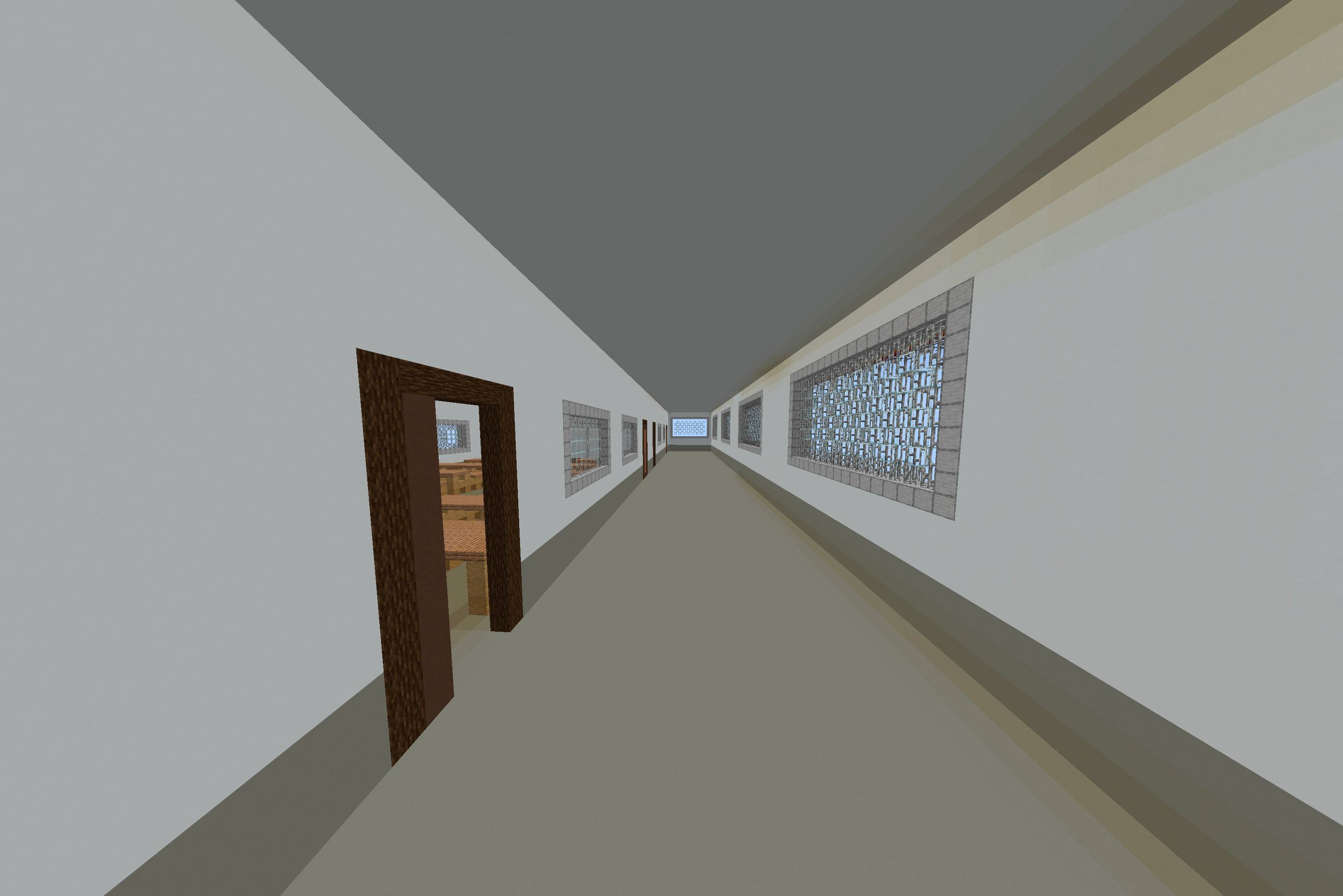
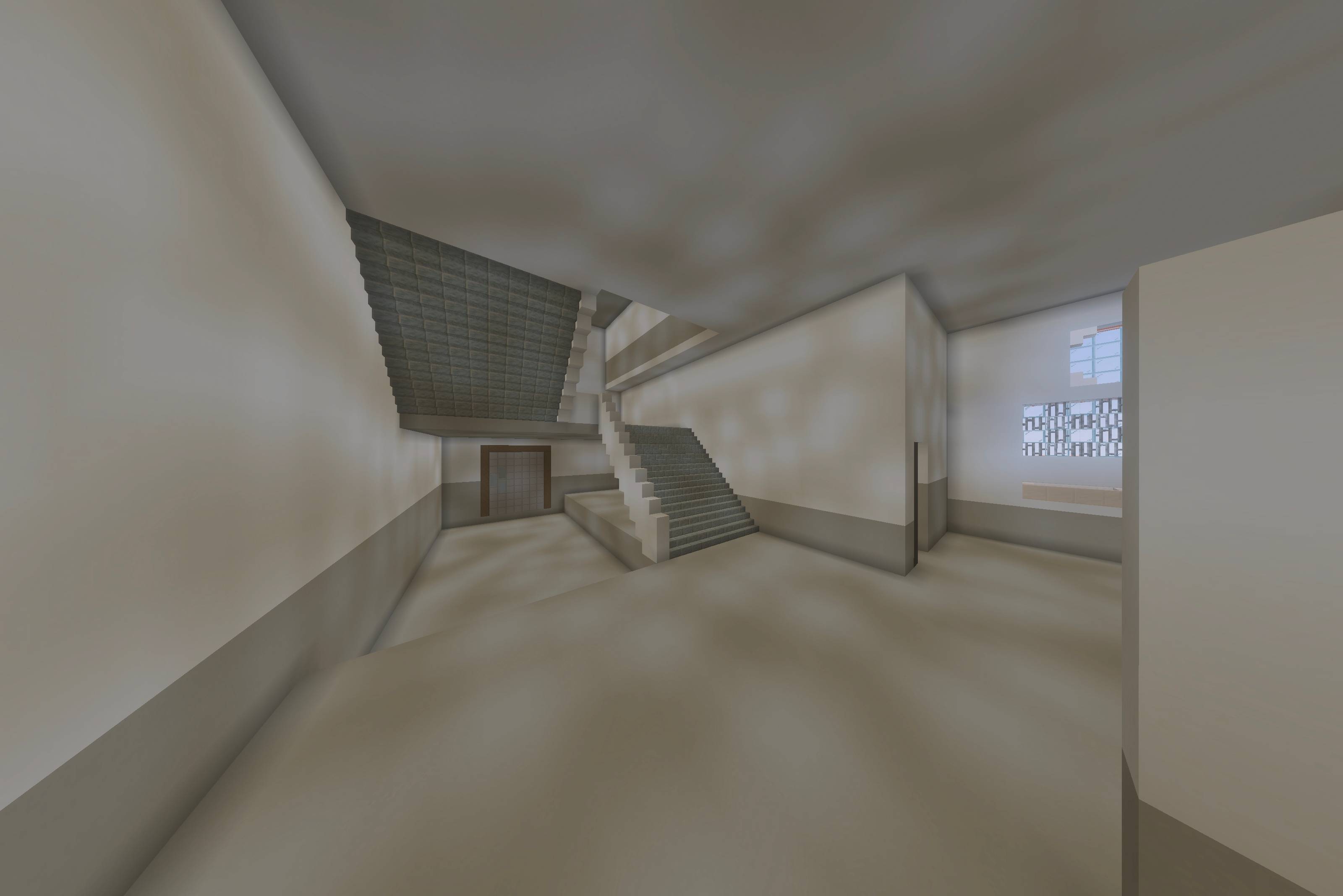
This is hide and Seek map for Minecraft pocket edition players
Features:
Core Mechanics and Lobby Systems
Automated Role Assignment: Most maps utilize lobby pressure plates or button panels that instantly sort players into "Hiders" or "Seekers" without manual setup.
Blindness and Countdown Timers: Built-in command blocks grant the seeker a temporary blindness or restraint effect (often lasting 60 to 90 seconds) inside a designated "counting house," giving hiders time to scatter.
Match Reset and Management: Specialized /function scripts and command block setups allow players to instantly reset maps, clear player tags, and reboot timers between rounds.
Map Design and Architectural Layouts
Thematic Arenas: Popular environments range from multi-floor modern mansions, farms, and medieval villages to claustrophobic horror-themed spaces like pizzerias or giant bedrooms.
Verticality and Secret Passages: Maps feature extensive multi-level verticality, including ceiling shafts, roof beams, crawlspaces underneath furniture, and hidden underground tunnels.
Interactive Navigation: Many layouts include slime-block jump pads for rapid vertical escape or rapid-transit teleporter stations scattered across complex zones.
Specialized Add-on Features and Gadgets
Custom Power-Ups & Traps: Advanced maps incorporate interactive items like honey bottles for brief invisibility, throwable glue eggs that temporarily freeze a hider in place, or custom snowballs that act as tags/weapons for seekers.
Sculk Sensor Integration: Modern maps integrate vanilla mechanics like Sculk sensors near tight choke points, meaning sprinting or jumping will trigger vibration signals that expose a hider's position.
Mob Morphing Mechanics: Select community maps allow hiders to transform into ambient mobs (like chickens or pigs), utilizing crowd camouflage to trick seekers.
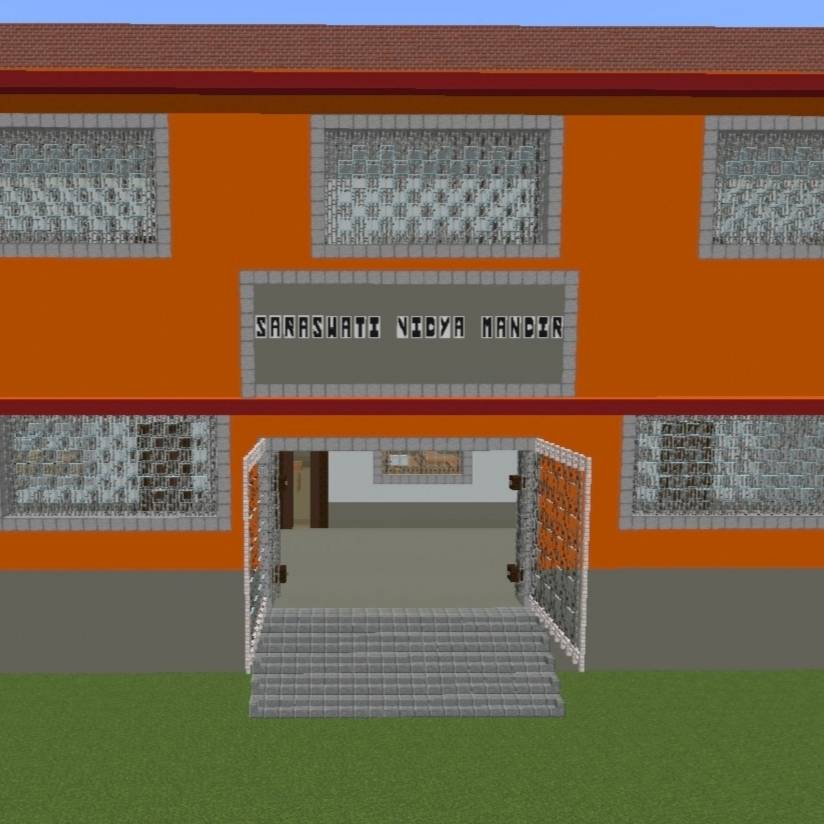
The Hide and Seek in a School Team