VulkanMod-legacy
- By
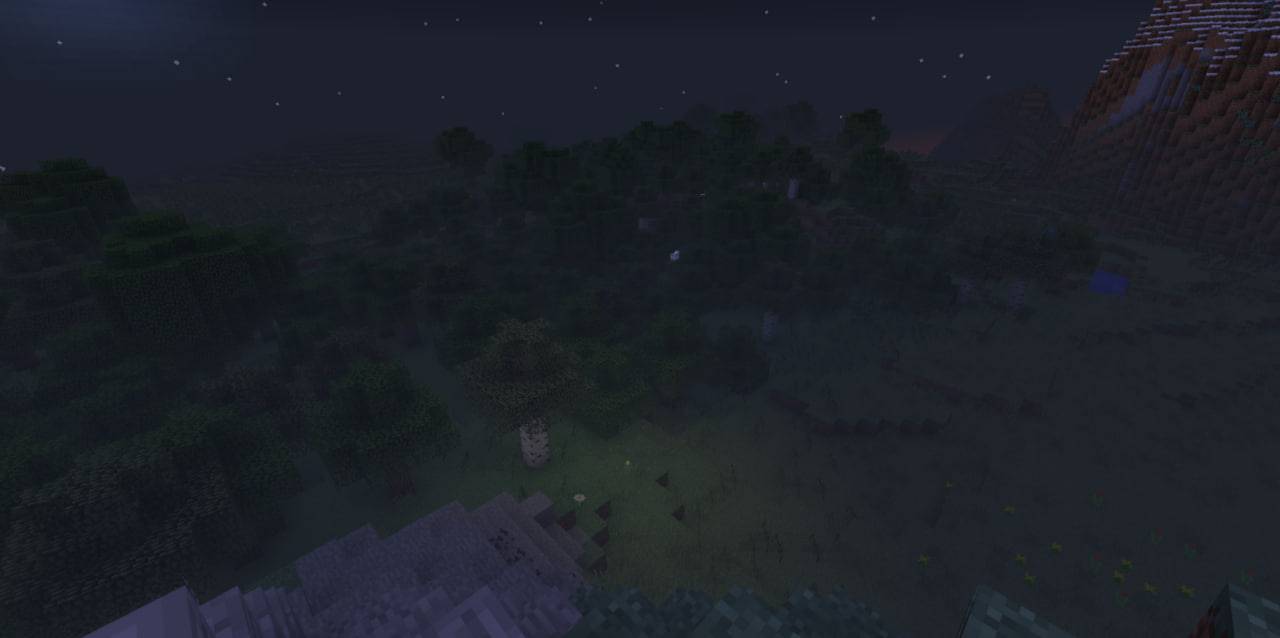
photo_2026-08-02_17-16-36.jpg
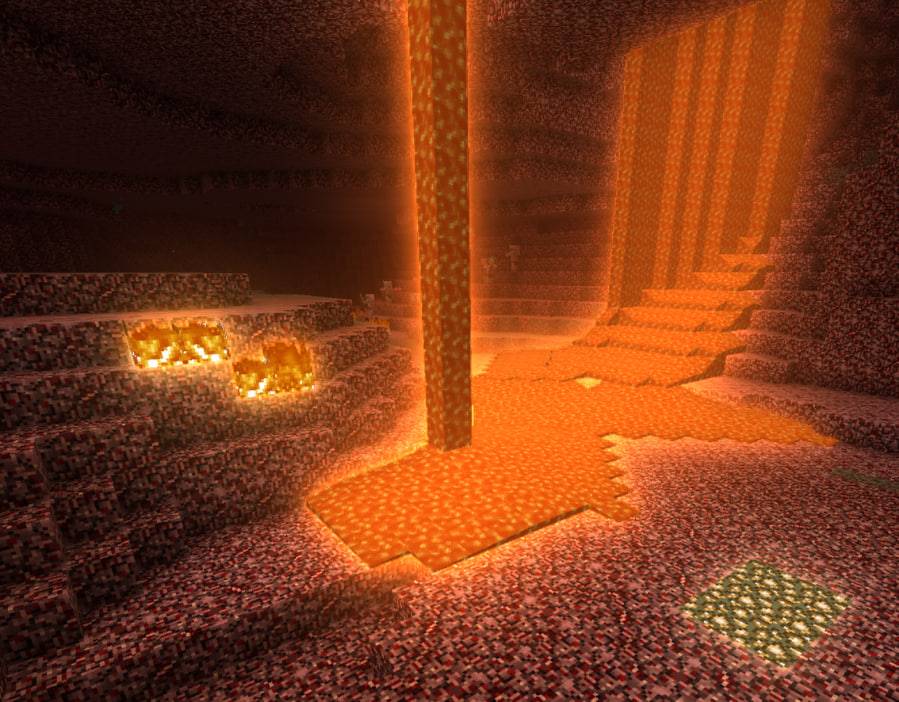
photo_2026-08-02_17-16-29.jpg
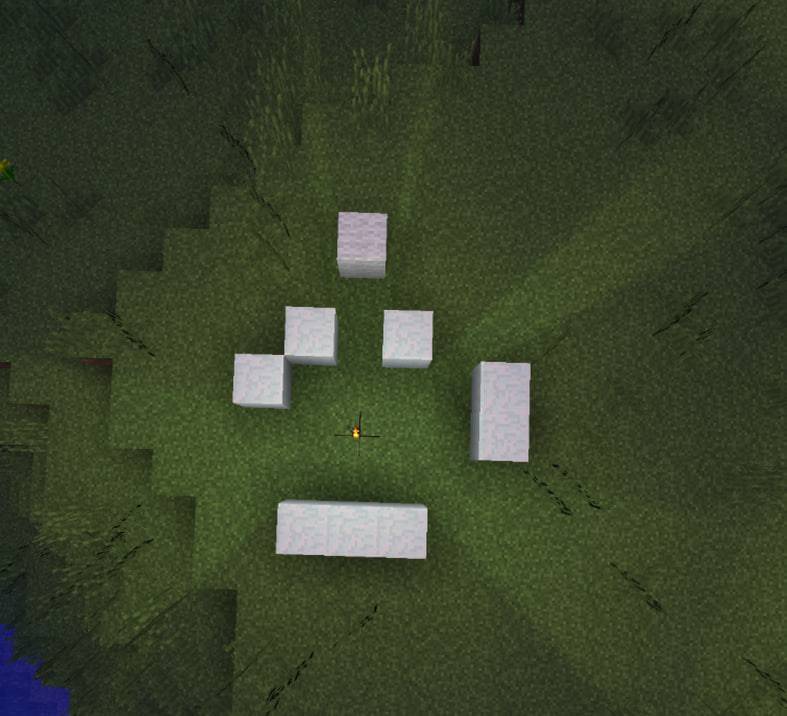
photo_2026-08-02_17-16-25.jpg
Description
VulkanMod112
Minecraft 1.12.2 draws its world with Vulkan instead of OpenGL — and brings along a menu full of effects you build yourself, plus the settings that actually decide a framerate in this version.
In short
- More frames, especially at high render distances, where the biggest single cost is the game working out which chunks are on screen.
- Effects with a slider each — waves, reflections, refraction, bloom, ambient occlusion, swaying grass, ray-traced shadows — assembled from rows in a menu instead of loaded from somebody's zip. Every one off by default.
- Dynamic lights. A torch in your hand lights the world. So does one you dropped, and a mob that is on fire.
- The settings 1.12.2 never gave you: entity draw distance, animated-texture control, a background framerate cap, render distance up to 64, hold-to-zoom.
- It steps aside if anything goes wrong. No Vulkan, an old driver, two graphics cards that disagree — the game renders exactly as it always did and tells you why.
You need MixinBooter in your mods folder. No launcher installs it for you.
What you actually see
The world's blocks are drawn by Vulkan; creatures, the sky and the interface are still drawn by the game. Everything lines up, because both sides share the same depth buffer. Nothing about how you play changes — you get the same world, drawn by a newer path, with a menu attached.
Open it at Options → Video Settings → VulkanMod112 Settings…, or press F6.
Every setting tells you what it costs on your processor, your graphics card and in video memory separately — because which of the three you are short of decides whether a setting will help you at all. If you would rather not read any of it, there are three presets: Stable, Balanced, Performance.
Effects
Off by default, all of them. Turn on what you like the look of.
- Water. Waves that break the sky up along their crests, a fresnel term so the surface looks along itself the way water does, reflections of the bank it runs beside, and refraction — the bed moving under the surface instead of sitting there like a photograph behind glass.
- Ray-traced shadows. Real shadows from the sun, from a torch in your hand, from a burning creature, and from the torches already on the walls. Sharp or soft, on a slider. This needs a card that can trace rays and it is not free — it is the one thing here that will cost you frames.
- Bloom. Light spills off lava, torches, glowstone and any modded block that gives off light — and only those. Snow in sunlight is as bright on screen as lava and does not glow, because glowing is a fact about a block rather than about a pixel.
- Ambient occlusion. Shadow in corners, under overhangs, where a wall meets a floor. The game shades a face by which way it points and by nothing else, so an inside corner is lit exactly like open wall; this fills that in.
- Swaying grass and flowers, leaning in waves that travel across a field rather than each plant twitching on its own.
- Grass lit as a bush rather than as two flat boards. Raise a torch over grass in vanilla and nothing happens while the ground beside it brightens. Here it lights.
- A round sun and moon, with size and warmth on sliders. The moon keeps its phases.
- Frame averaging, which is what turns the grain of a traced shadow into a soft edge.
Speed
- Entity and block-entity draw distance. The single biggest win in mob farms, storage rooms and busy servers — vanilla decides per object from its size, which for large mobs reaches far past anything you can make out.
- Animated textures. Water, lava, fire, portals and every animated modded block upload a new frame every tick whether they are on screen or not.
- Background framerate cap. With the frame limit on "unlimited", a minimised Minecraft otherwise keeps your card at full load drawing frames nobody can see.
- Render distance up to 64 chunks, for people who want to find out what their machine does with that.
- Offscreen chunk preloading, so the world stops filling in only along whatever you happen to be looking at.
- One copy of the world instead of two. Normally the blocks sit in both the game's memory and this mod's. Turning this on frees around a gigabyte of video memory.
- Cleaner distant snow. Distant snow layers stop speckling with the block underneath them.
- Hold-to-zoom on C, rebindable, with mouse sensitivity scaled to match.
Honest limits
This is not a drop-in OptiFine replacement, and it is not finished.
- The effects only reach the world's blocks. Creatures, particles and the sky are drawn by the game, so a burning creeper does not glow, a mob casts no shadow into the corner it stands in, and no reflection contains one.
- Screen reflections reflect what is on the screen — that is the whole of what the technique can do, anywhere it is used. Nothing off the edge of the frame, nothing hidden behind something nearer. Treat this one as unfinished.
- Chunk building dominates the frame while you move at high render distances. Standing still is much faster than turning, and that is the game's own work rather than this mod's.
- OptiFine and shader mods replace the same parts of the game this mod does. With one of them installed the Vulkan renderer simply does not load, and you get that renderer plus this mod's settings and speed options. They cannot share the world.
- No connected textures, and no shader pack support.
Requirements
- Minecraft 1.12.2 with Forge
- MixinBooter 10.7 or newer — a required dependency, and no launcher installs it
- A 64-bit Vulkan driver on Windows or Linux. Almost any driver from the last several years will do; without one the mod loads, says so in chat, and leaves the world to OpenGL
- On a machine with two graphics cards, both halves have to land on the same one. The mod checks at startup and stays on vanilla rendering if they disagree
Questions
Will this give me more frames? Usually yes, and most at high render distances. How much depends far more on what is in front of you than on your hardware — the biggest saving is in how the game decides which chunks to draw, so it grows with the render distance. The effects are a separate question: those cost frames, and each one says how much before you turn it on.
Do I need OptiFine as well? Can I have both? You can have both installed, but not both drawing. With OptiFine present the Vulkan renderer stands aside and you keep this mod's menu, its speed settings and its zoom. If you want the effects here, run without OptiFine.
Will it work with my modpack? It is built to. Everything it touches has a fallback, and anything it does not understand is left to the game. If a mod draws the world in its own way, this one notices and steps back rather than fighting it.
Does it work in multiplayer? Yes. Nothing here is sent to a server and nothing needs to be installed on one — it only changes how your own machine draws what it is already told.
Is this cheating? The zoom is the only thing anyone ever asks about, and it is the same zoom OptiFine has had for a decade. Everything else changes how the world is drawn, not what you can see through it.
My game crashed / the world looks wrong. What do you need?
Turn on Ultra Logging in the settings screen and send
logs/vulkanmod112-diagnostics.log along with logs/latest.log. It records your
driver, your mods, every active code path and where the frame's time went — most
questions answer themselves from it.
Nothing happened when I installed it. Almost always the missing MixinBooter. Second most likely: an OptiFine or shader mod is present, and the terrain renderer stood aside for it. Both cases say so in the log, and the settings screen tells you which renderer is drawing.
Will there be a version for a newer Minecraft? 1.14.4 and 1.16.5 are wanted, but not soon — and there is no date, because saying one would be inventing it. 1.12.2 comes first: it is stuck on an old renderer and a huge number of packs are stuck on it, which is the whole reason this mod exists. Anything past 1.16.5 is not planned at all; those versions have other options.
Licence
GNU LGPL v3.
The VulkanMod-legacy Team