
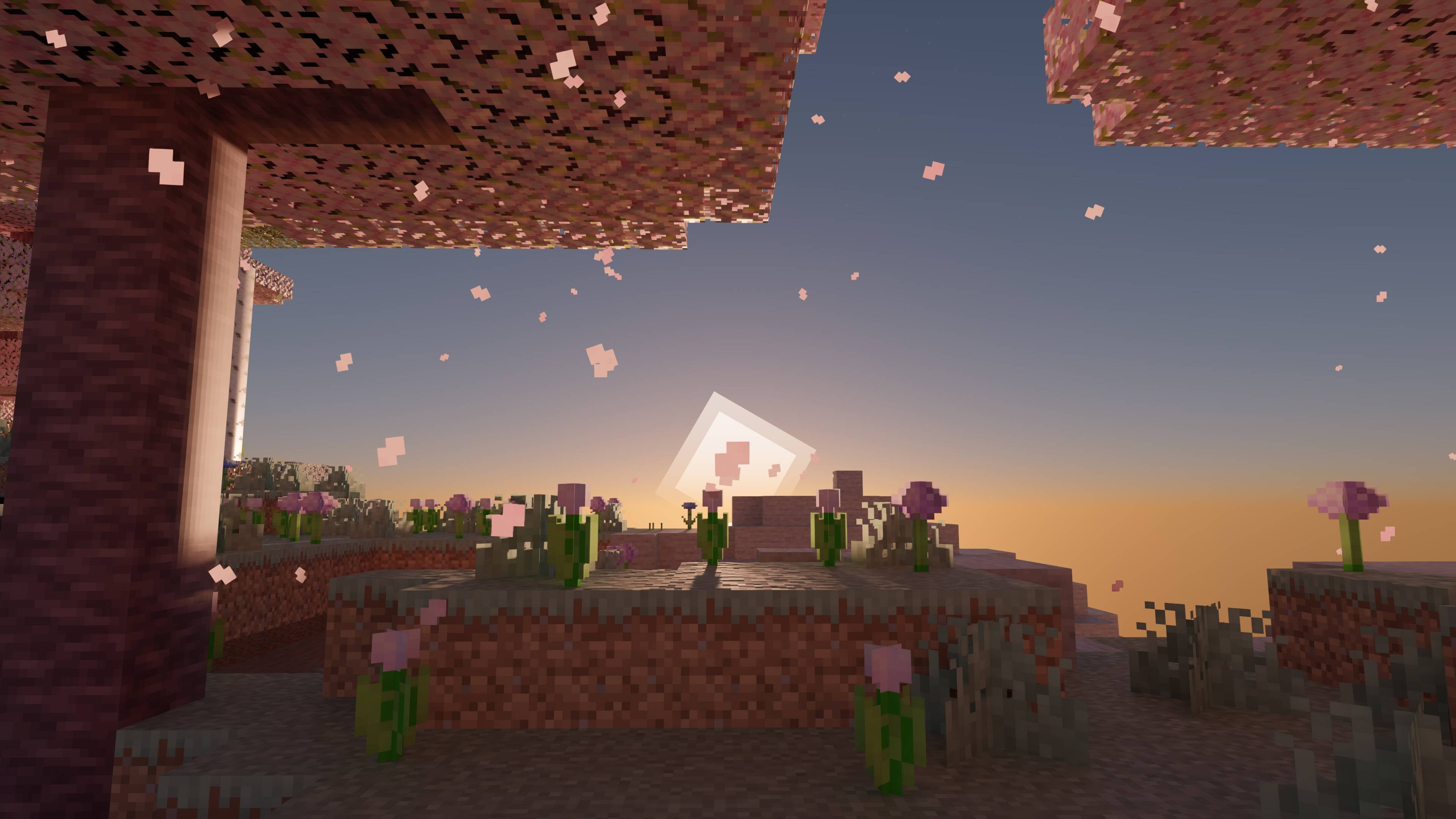
2026-07-09_21.19.56.jpg
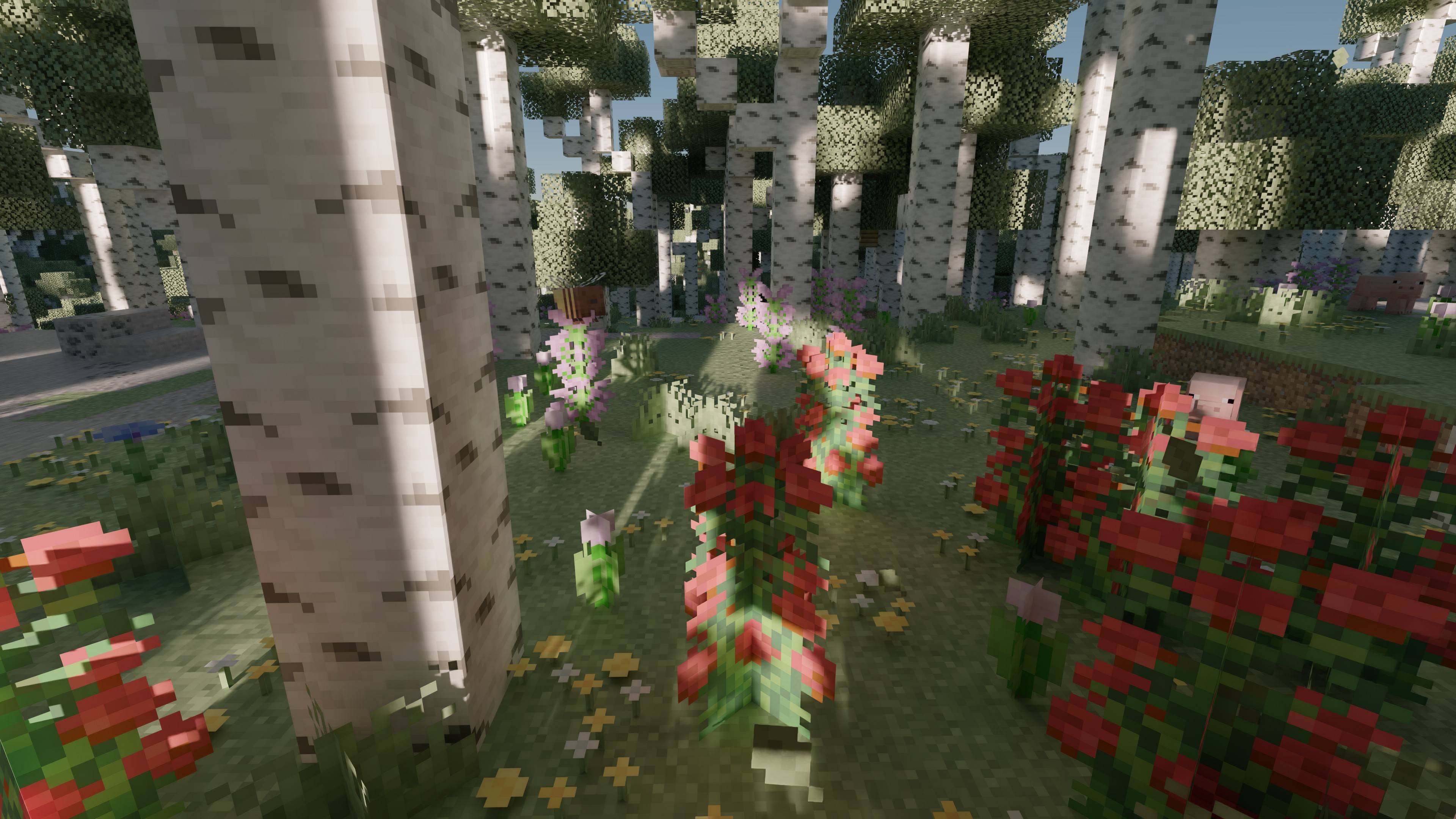
2026-07-09_21.43.39.jpg
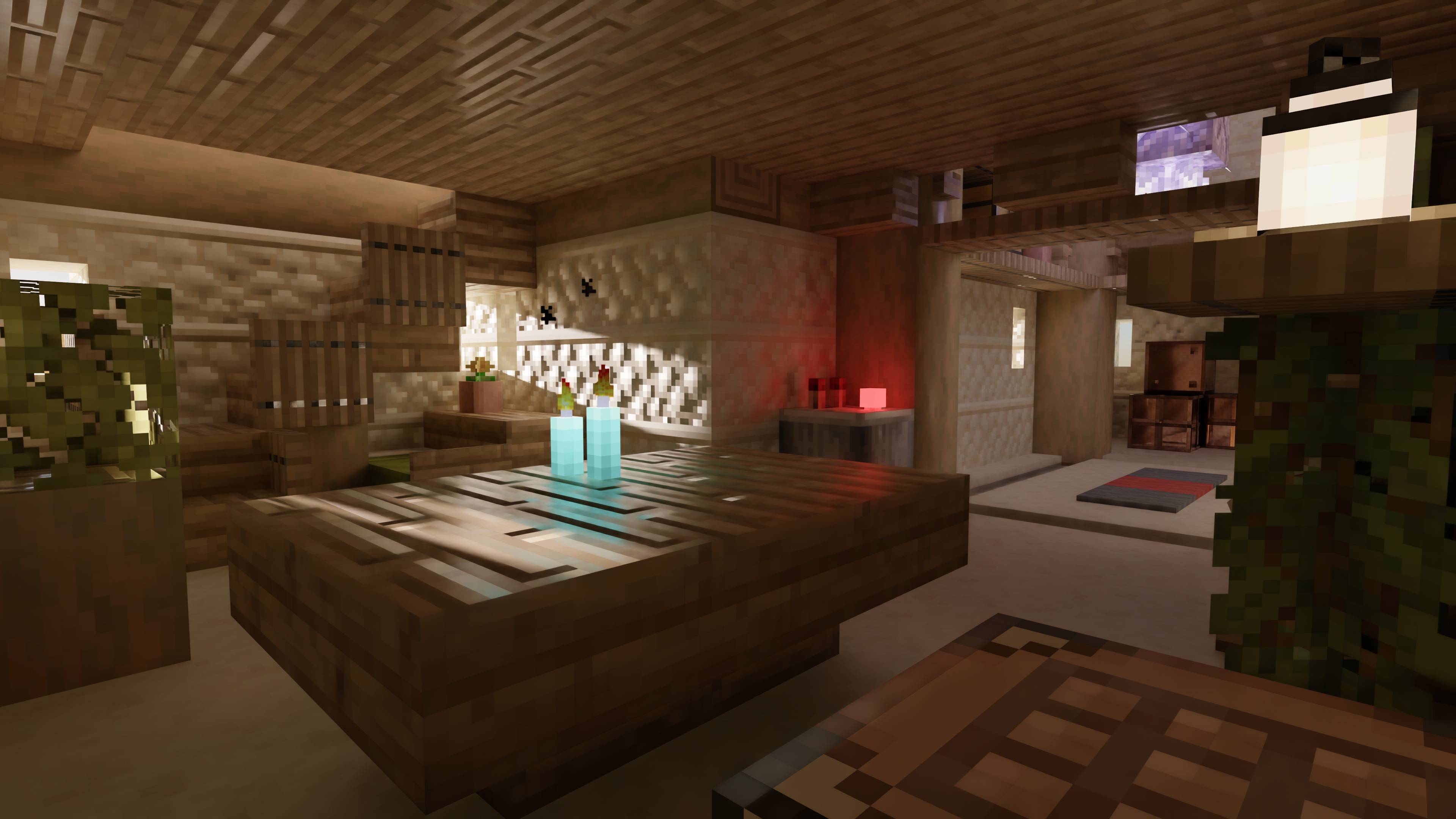
2026-07-09_21.31.23.jpg
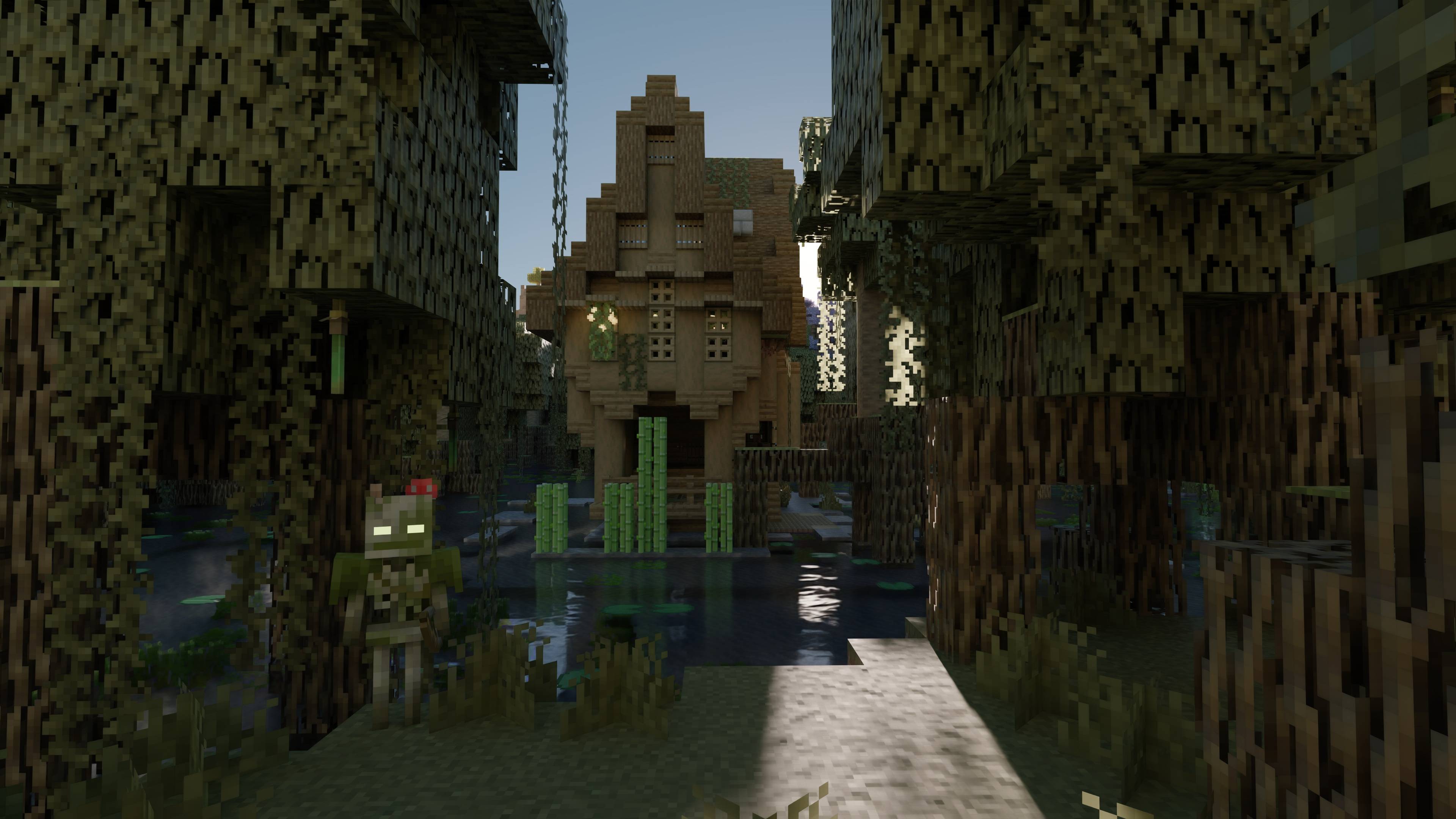
2026-07-09_21.25.14.jpg
2026-07-09_21.33.27.jpg
Description
Caustica
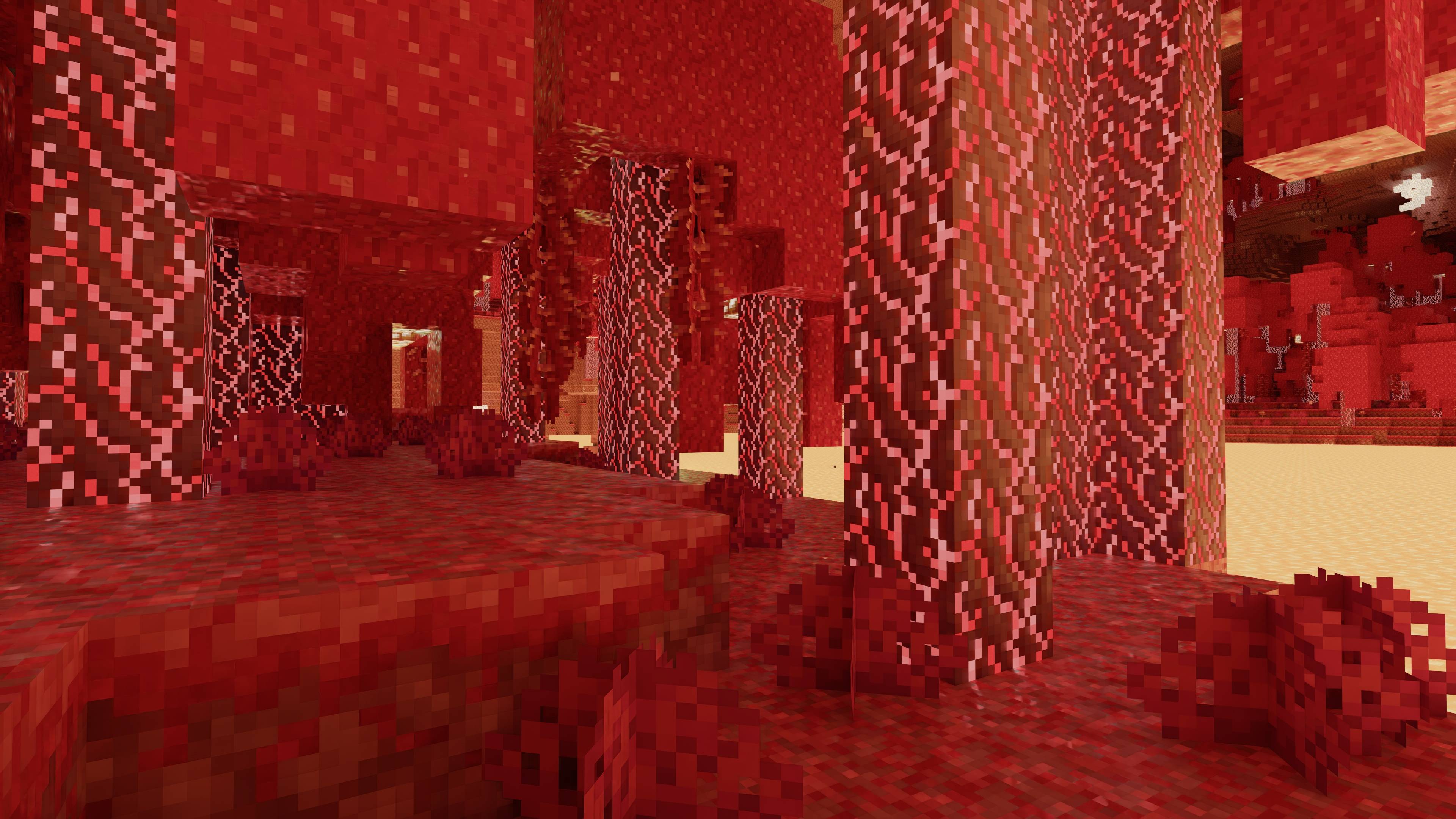
Caustica is an experimental ray-traced renderer for Minecraft 26.2's Vulkan backend. It replaces the vanilla world view with hardware ray tracing and NVIDIA DLSS features while keeping Minecraft's familiar UI and gameplay intact.
Caustica is early software. Expect bugs, missing visual cases, and frequent changes while the renderer is being built.
Features
- Vulkan hardware path-traced world rendering
- DLSS Ray Reconstruction support
- DLSS Frame Generation support (experimental)
- HDR output
- Dynamic entity rendering in the ray-traced scene
- LabPBR-style material support
- OMM (Opacity Micro-Map) + SER (Shader Execution Reordering) optimizations
Requirements
- Vulkan graphics backend enabled
- A GPU and driver with Vulkan ray tracing support
- NVIDIA RTX GPU and supported driver for DLSS features
- HDR-capable display and OS HDR mode for HDR output
- Install LabPBR resource pack like SPBR for better visuals
Installation
- Install Fabric Loader for Minecraft
26.2. - Install Fabric API.
- Put the Caustica jar in your Minecraft
modsfolder. - Launch the game with the Vulkan graphics backend.
- Open Video Settings to adjust Caustica's renderer options.
Usage Notes
- Caustica is client-side only.
- DLSS Ray Reconstruction and Frame Generation require supported NVIDIA hardware and drivers.
- Use Java args to improve performance. Minecraft Launcher default:
-XX:+UseCompactObjectHeaders -XX:+AlwaysPreTouch -XX:+UseStringDeduplication -XX:+UseZGC - Frame Generation is experimental and needs to be enabled by modifying the configuration file.
- HDR output requires an HDR swapchain and a correctly configured HDR display.
- If Minecraft falls back to OpenGL after a crash, re-enable the Vulkan backend before using Caustica again.
Compatibility
Caustica takes over the world renderer, so other mods that heavily modify world rendering, shader pipelines, post-processing, or the Vulkan backend may conflict. UI-only mods are more likely to work.
Status
Caustica is not a finished renderer yet. Current work focuses on visual correctness, world coverage, stability, and making the SDR/HDR presentation paths behave consistently.
The Caustica Team
